Why Foundation Repair in Sandpoint Costs Matter
Understanding why foundation repair in Sandpoint costs matter involves recognizing the intersection of regional geography, northern Idaho climate extremes, and the long-term structural integrity of local residential and commercial prop...
Understanding why foundation repair in Sandpoint costs matter involves recognizing the intersection of regional geography, northern Idaho climate extremes, and the long-term structural integrity of local residential and commercial properties. Foundation repairs are rarely trivial home maintenance expenses; they represent critical capital investments that protect structural safety, preserve real estate equity, and prevent catastrophic structural failures. In a region characterized by heavy winter snowfall, seasonal freeze-thaw cycles, and variable soil compositions near Lake Pend Oreille and the surrounding mountain valleys, minor foundation cracks or settling issues can rapidly escalate into expensive structural crises. Evaluating these costs requires a comprehensive look at engineering requirements, local labor rates, material quality, and the risks of delaying necessary intervention.
Contents
The Geotechnical Realities of Sandpoint and Soil Behavior
The physical foundation of any building rests upon the soil beneath it, making local geography the primary driver of foundation health and repair expenditures. Sandpoint features a diverse and complex mix of glacial till, alluvial deposits, sandy soils, and high water tables, particularly in properties located near waterways or low-lying valleys. Understanding how these earth materials interact with seasonal moisture is vital for homeowners trying to make sense of project estimates.
Freeze-Thaw Cycles and Frost Heaving
Northern Idaho experiences severe winters characterized by deep frost lines. When moisture trapped in the soil freezes, it expands—a phenomenon known as frost heaving. This expansion exerts immense lateral and vertical pressure against foundation walls and footings.
- Lateral Pressure: Pushes against basement walls, causing bowing, cracking, or inward shear failure.
- Vertical Pressure: Lifts shallow foundations unevenly, resulting in sticking doors, jammed windows, and cracked drywall.
- Spring Thaw: As frozen soil melts rapidly during spring, the saturated earth loses bearing capacity, leading to sudden foundation settlement.
Soil Settlement and Compaction
Many properties in the Sandpoint area are built on soils that experience differential settlement. When the weight of a structure compresses loose or improperly compacted soils unevenly, different sections of the foundation sink at varying rates. This differential movement induces severe structural stress, manifesting as stair-step cracks in masonry, tilting chimneys, and separation between additions and main structures. Because soil conditions can vary drastically even within the same neighborhood, professional geotechnical evaluations are often necessary to determine the precise depth and load-bearing capacity required for stable repairs.
Financial Risks of Deferred Foundation Maintenance
One of the most critical reasons foundation repair costs matter is the compounding nature of structural damage. Homeowners who postpone addressing minor symptoms often face exponentially higher expenses down the road. A hairline crack admitting minor moisture can evolve into major structural wall failure, mold infestation, and compromised subfloor framing.
The Multiplier Effect on Repair Complexity
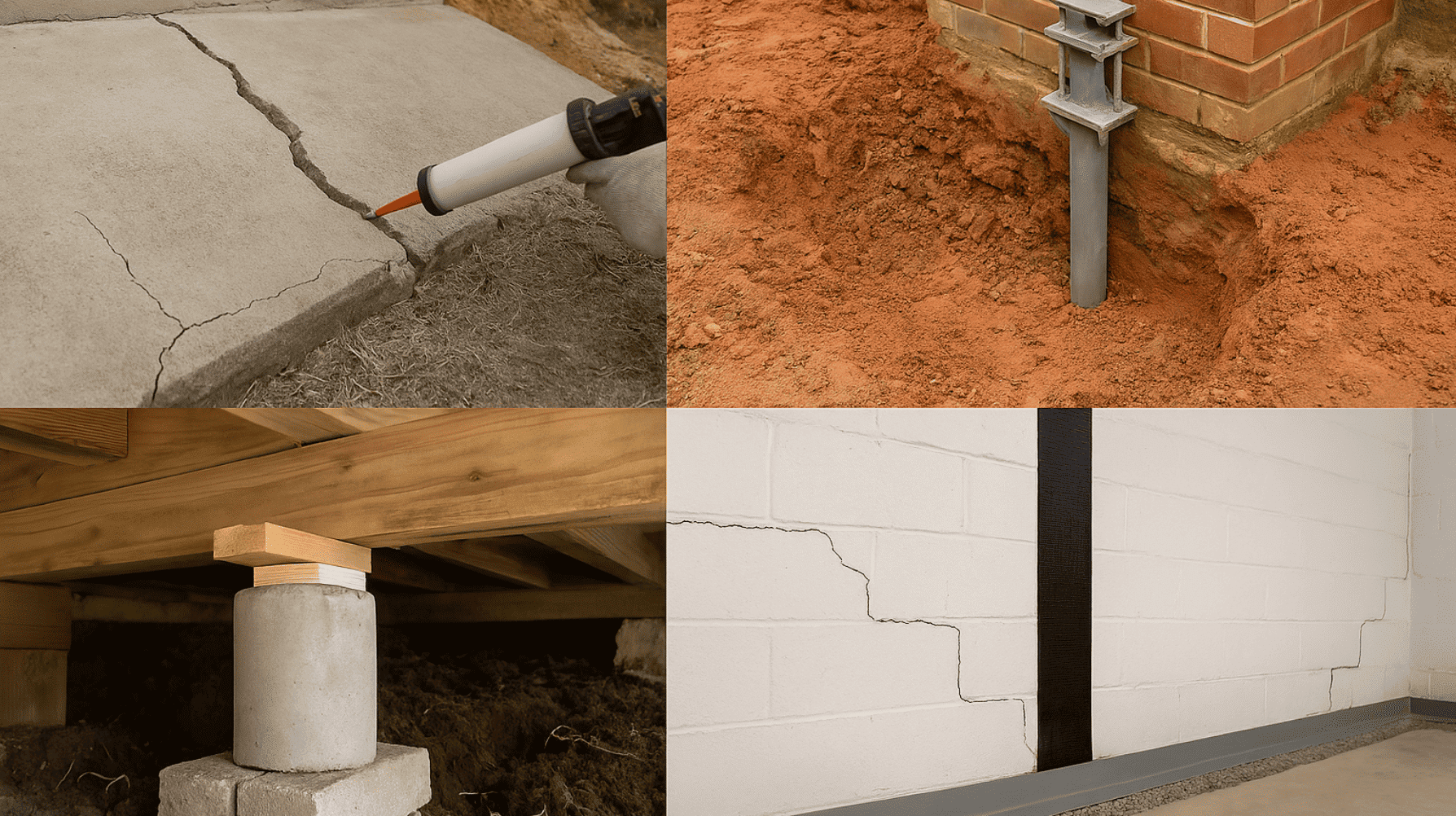
When a foundation problem is caught early, stabilization techniques such as carbon fiber strapping, localized crack injection, or minor drainage improvements can often resolve the issue at a moderate price point. However, ignoring these early warning signs allows structural shifting to progress unchecked.
| Stage of Damage | Typical Symptoms | Common Intervention | Relative Financial Impact |
|---|---|---|---|
| Early | Hairline vertical cracks, minor basement dampness, sticking doors | Epoxy/polyurethane injection, interior water management | Low to Moderate |
| Moderate | Widening horizontal cracks, bowing walls, sticking windows | Steel I-beams, carbon fiber reinforcement, wall anchors | Moderate to High |
| Severe | Major wall collapse, severe structural leaning, deep settlement | Helical piers, push piers, total wall rebuilding | Extreme |
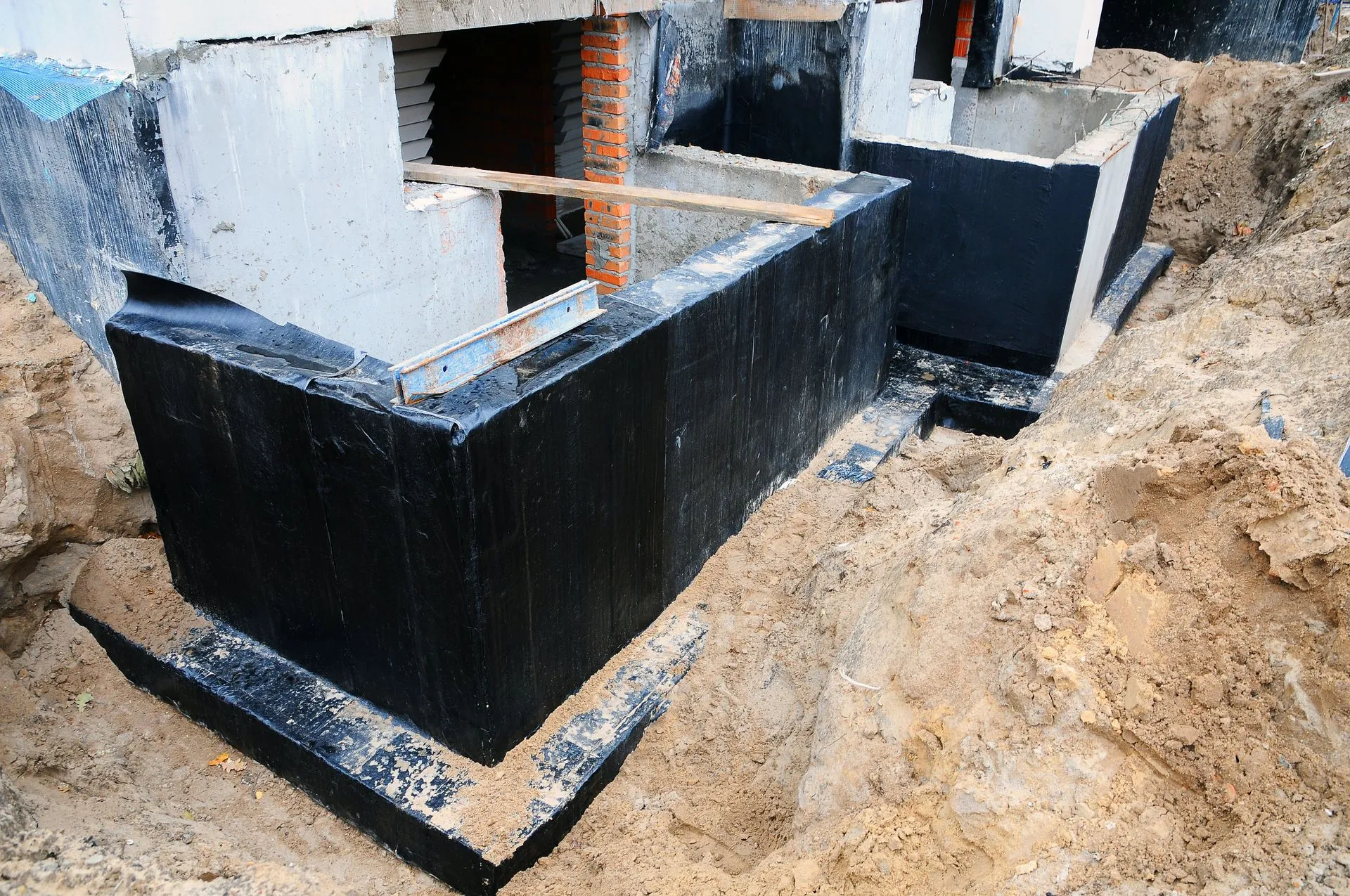
Allowing a foundation to reach the severe stage transforms a localized repair into a major engineering undertaking. Installing helical piers or push piers to lift and stabilize a sinking home requires heavy excavation, specialized hydraulic equipment, and extensive structural shoring, driving costs into tens of thousands of dollars.
Components That Drive Foundation Repair Pricing
Property owners evaluating contractor estimates often wonder why quotes for seemingly similar homes can vary significantly. Foundation repair pricing is not a one-size-fits-all commodity; it is dictated by several distinct technical and logistical variables.
Engineering and Diagnostic Fees
Before any physical work begins, proper diagnosis is essential. Professional structural engineers or certified foundation specialists must evaluate the root cause of the failure. Fixing the symptom—such as patching a crack—without solving the underlying drainage or soil issue guarantees failure. Engineering reports, soil testing, and permitting fees contribute to the upfront project cost but are vital for ensuring that the chosen repair method is structurally sound and compliant with local building codes.
Method and Material Selection
The engineering technique required to stabilize a structure directly dictates material and labor expenses. Common methods deployed in the Pacific Northwest include:
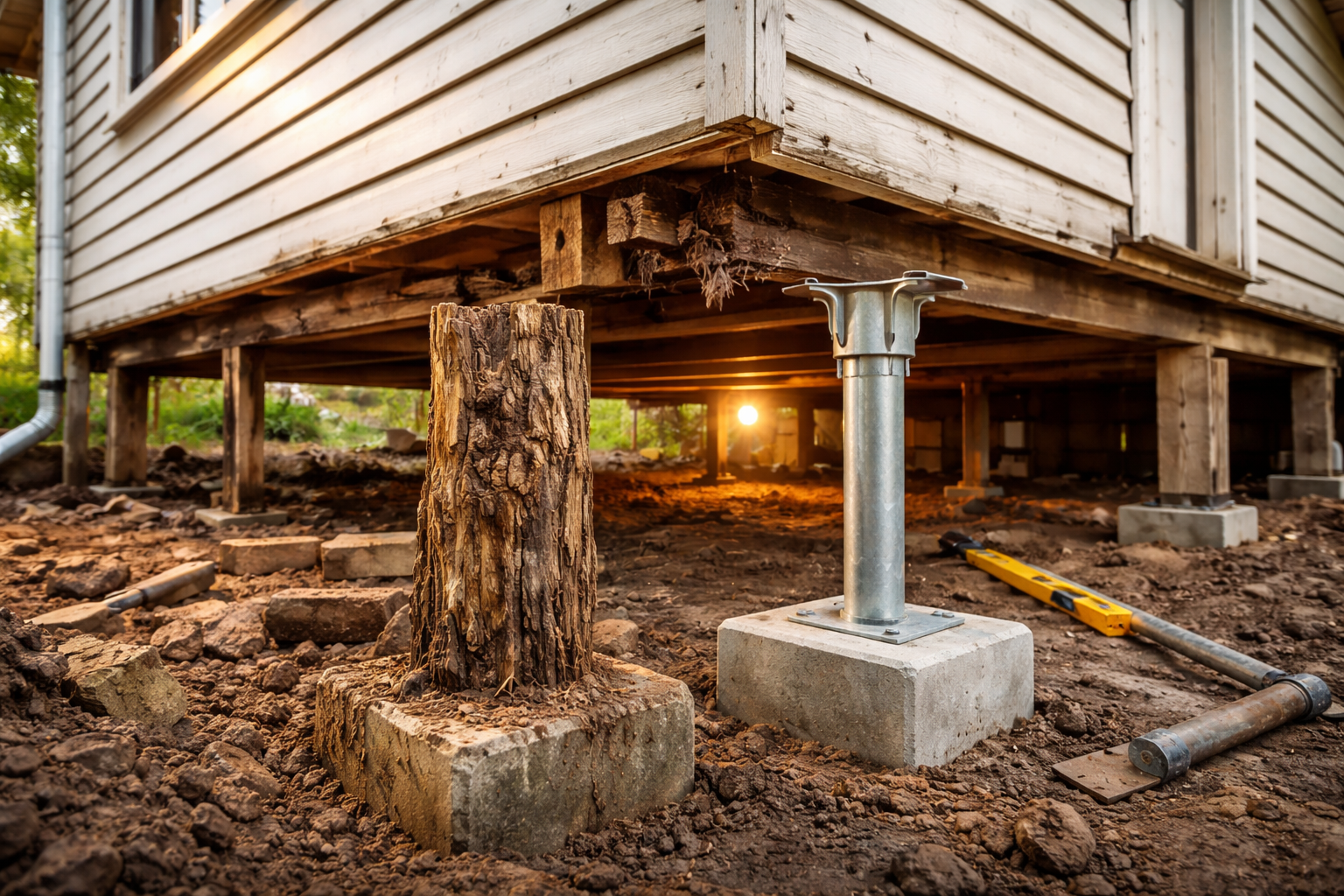
- Steel Push Piers: Driven deep into stable load-bearing strata or bedrock, these are used to lift and support settling foundations. Steel materials and hydraulic mobilization represent a higher initial cost but offer permanent load transfer.
- Helical Piers: Screw-like steel shafts twisted into the ground, ideal for lighter structures or restricted-access sites.
- Wall Anchors: Steel plates installed in the stable soil away from the foundation, connected via high-tensile steel rods to wall plates inside the basement, counteracting lateral soil pressure.
- Polyurethane Foam Injection: Used for slabjacking or lifting sunken concrete slabs by expanding beneath the concrete to fill voids and restore level grades.
Site Accessibility and Labor Factors
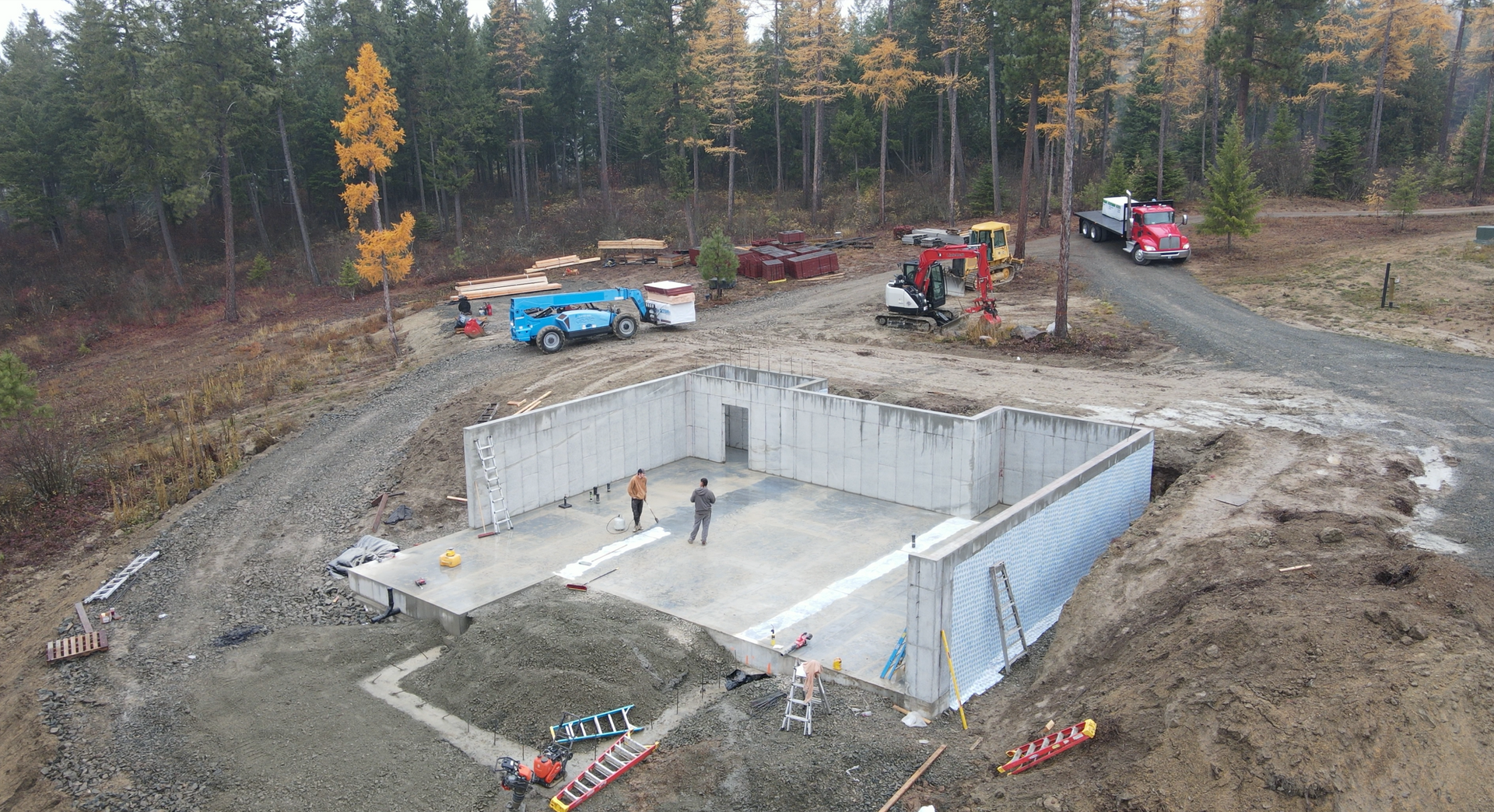
Sandpoint’s topography includes steep slopes, rocky terrain, and tight urban or rural lot configurations. If heavy machinery such as excavators, drilling rigs, or concrete trucks cannot easily access the foundation workspace, manual labor requirements increase significantly. Crews may need to hand-dig trenches, use portable equipment, or manage complex shoring, all of which extend project timelines and elevate labor costs.
Impact on Property Value and Real Estate Transactions
Beyond structural safety and immediate out-of-pocket expenses, foundation repair costs matter deeply because of their direct influence on real estate marketability and property valuation.
Home Inspections and Disclosure Laws
In Idaho, sellers are legally obligated to disclose known material defects affecting the property, including foundation issues. When a prospective buyer’s home inspector identifies cracks, bowing walls, or settling, the transaction immediately faces friction.
- Financing Hurdles: Mortgage lenders often refuse to underwrite loans for homes with compromised structural integrity until certified repairs are completed and signed off by a structural engineer.
- Negotiation Leverage: Buyers frequently demand steep price reductions or seller-paid credits far exceeding the actual cost of professional repairs to account for perceived risk.
Protecting Long-Term Equity
Investing in professional, warrantied foundation repair preserves and restores property equity. A properly stabilized foundation with transferable engineering warranties reassures future buyers, removes financing contingencies, and ensures that the home retains its market value in the competitive North Idaho real estate market.
Frequently Asked Questions
What are the primary warning signs that indicate a foundation problem in Sandpoint?
Common indicators include stair-step cracks in brick or concrete block masonry, doors and windows that stick or refuse to latch properly, sloping or uneven floors, gaps between walls and ceilings, and dampness or standing water in the crawlspace or basement. Recognizing these signs early prevents minor settling from becoming a major structural hazard.
Why do foundation repairs cost more in regions with freezing winters?
Freezing winters create deep frost lines and aggressive freeze-thaw cycles that exert extreme hydrostatic and frost-heave pressures on foundations. Repairs in these climates often require deeper excavation, frost-protected design elements, and heavy-duty stabilization systems like steel piers driven below the frost line to guarantee long-term stability.
Can I DIY foundation crack repairs to save money?
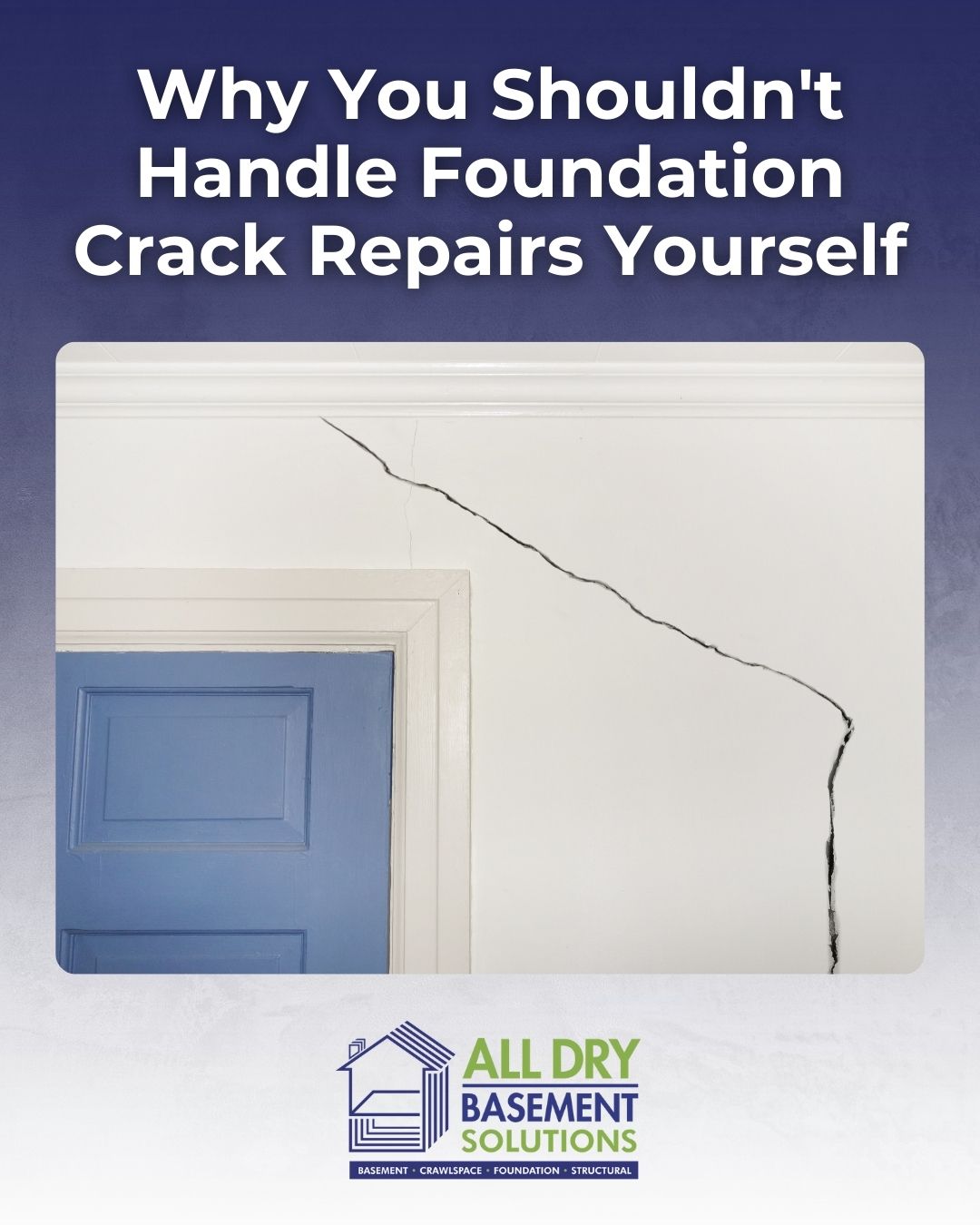
While cosmetic DIY sealants or surface epoxies can temporarily stop minor water seepage in non-structural hairline cracks, they do not address structural movement, soil pressure, or underlying settlement. Attempting structural repairs without engineering oversight can worsen damage, void future insurance claims, and jeopardize home safety.
How long do professional foundation repairs typically last?
When installed by licensed professionals using high-grade steel piers, anchors, or stabilization systems, foundation repairs are engineered to last the lifetime of the structure. Many reputable contractors offer transferable warranties that provide ongoing peace of mind and protect property value during future sales.
How does seasonal weather impact the scheduling of foundation repair work?
While emergency stabilization can be performed year-round, major excavation and exterior waterproofing are heavily influenced by weather. Frozen ground, heavy spring rains, and high water tables can delay outdoor earthwork, making summer and early fall optimal periods for comprehensive exterior foundation projects.
Conclusion and Next Actions
Understanding why foundation repair in Sandpoint costs matter transforms the perspective from viewing maintenance as a burdensome expense to recognizing it as an essential safeguard for structural integrity, personal safety, and financial equity. Given northern Idaho's demanding climate and variable soils, addressing structural concerns proactively prevents minor cracks from compounding into expensive structural failures. Property owners observing warning signs should schedule an inspection with a qualified structural engineer or licensed foundation contractor to obtain an accurate diagnosis, secure professional engineering guidance, and implement permanent, warrantied solutions.
Image Gallery