How Did Johnny Ramone Die: The Final Days and Legacy of the Punk Rock Guitarist
Johnny Ramone, the legendary co-founder and primary rhythm guitarist of the pioneering punk rock band The Ramones, died on September 15, 2004, at his home in Los Angeles, California. His death was the result of metastatic prostate canc...
Johnny Ramone, the legendary co-founder and primary rhythm guitarist of the pioneering punk rock band The Ramones, died on September 15, 2004, at his home in Los Angeles, California. His death was the result of metastatic prostate cancer, a disease he battled privately for over five years. He was 55 years old.
Contents
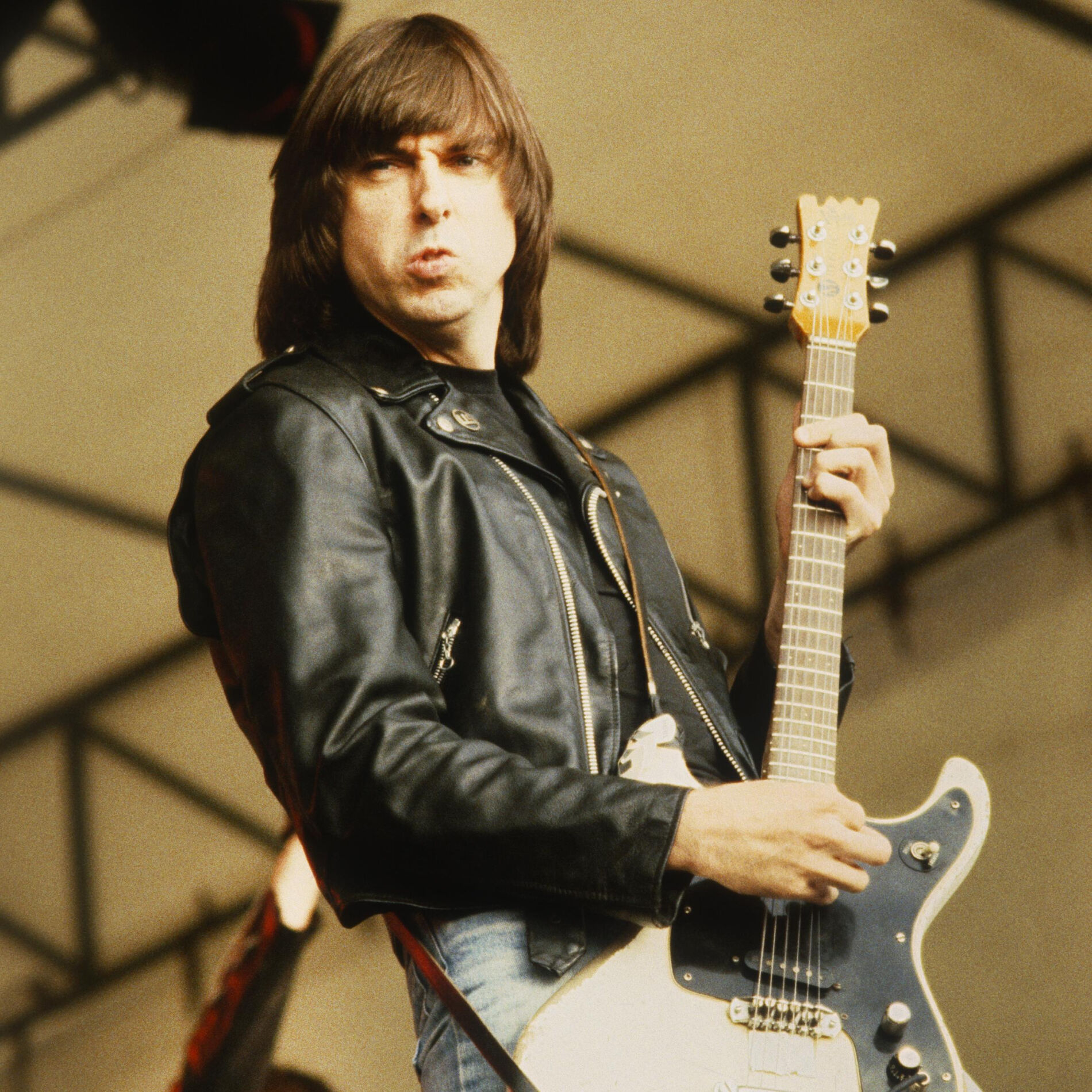
To understand the passing of Johnny Ramone—born John William Cummings—is to examine a life defined by intense discipline, resilience, and a fierce dedication to his craft. While his music helped invent punk rock in the mid-1970s, his final years showcased a different kind of endurance as he faced a terminal diagnosis with the same unyielding attitude that characterized his signature fast-downstroke guitar playing style.
The Diagnosis and Progression of Prostate Cancer
John Cummings was diagnosed with prostate cancer in 1999. At the time of his diagnosis, the disease had already advanced, presenting a significant challenge to his medical team. Despite the severity of the condition, Cummings and his inner circle chose to keep the diagnosis private for several years.
Prostate cancer is one of the most common malignancies among men, originating in the walnut-shaped gland that produces seminal fluid. When detected early, localized prostate cancer often has a high survival rate. However, when the cancer metastasizes—spreading beyond the prostate to surrounding tissues, lymph nodes, or distant bones—treatment shifts from curative intent to managing the disease, slowing its progression, and maintaining the patient's quality of life.
During his treatment, Cummings underwent various forms of therapy, including hormone therapy and radiation. Throughout this grueling medical process, he continued to make public appearances and remained actively involved in preserving the legacy of The Ramones, even as the cancer gradually took a heavy toll on his physical body.
The Final Years: Advocacy, Archives, and Rock and Roll Hall of Fame Induction
Cummings lived long enough to witness the formal institutionalization of his band’s monumental impact on modern music. In March 2002, The Ramones were inducted into the Rock and Roll Hall of Fame. By this time, Cummings was already three years into his cancer battle.
In his acceptance speech at the Rock and Roll Hall of Fame ceremony, Cummings delivered a memorable and characteristically blunt remark, thanking God and his guitar, and famously declaring, "God bless America, and God bless George Bush." His speech reflected his lifelong conservative political views, which often contrasted sharply with the typical counter-cultural stances of the punk rock community.
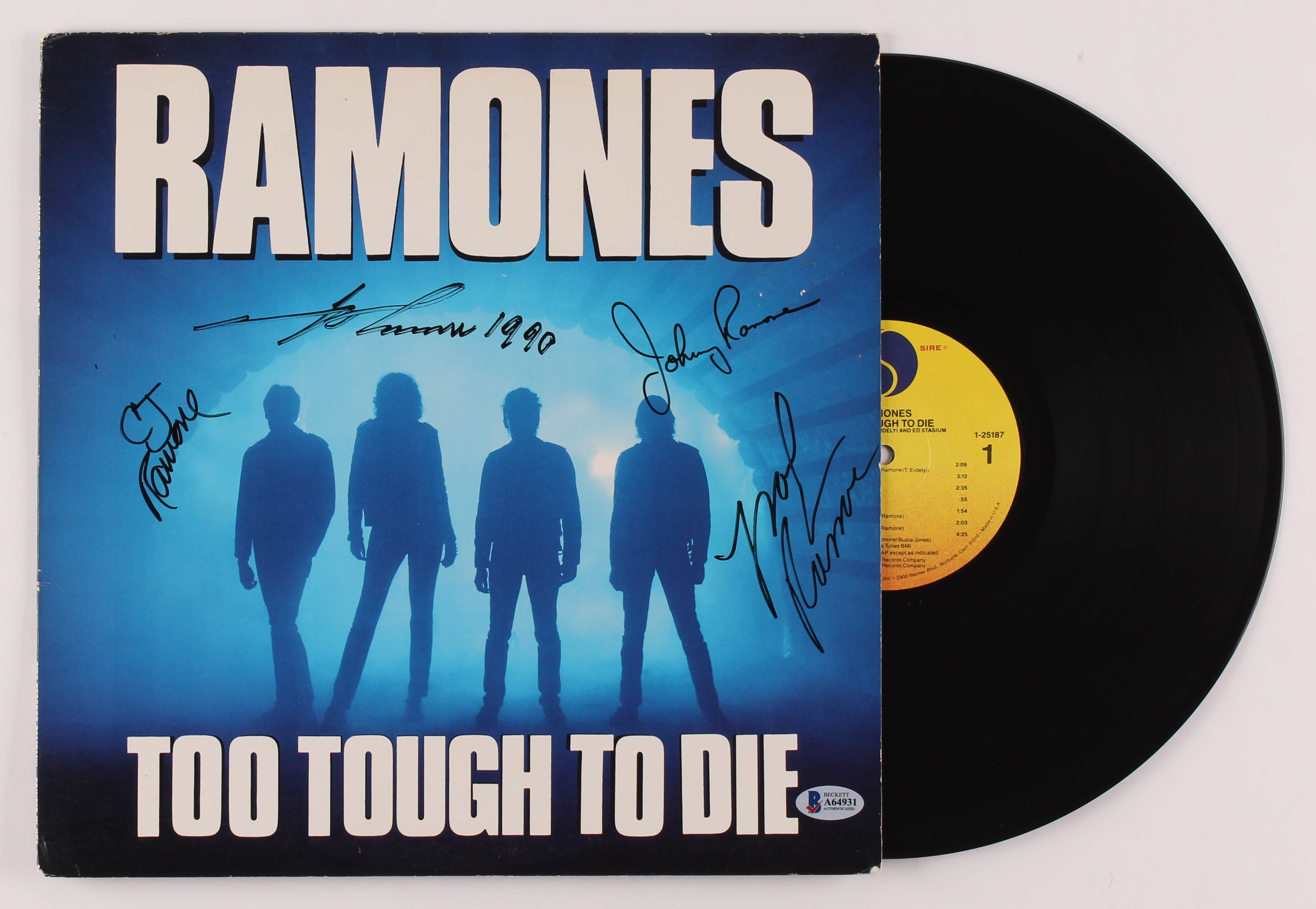
Following the induction, Cummings dedicated significant energy to compiling archival material, participating in interviews, and helping produce Too Tough to Die: A Tribute to the Ramones and the documentary film End of the Century: The Story of the Ramones (2004). He worked meticulously to ensure that the band’s historical footprint was accurately documented, demonstrating a practical, business-like approach to his career that mirrored his rigorous guitar-playing discipline.
Key Milestones in Johnny Ramone’s Life and Health Timeline
| Year / Date | Event / Milestone | Details |
|---|---|---|
| October 8, 1948 | Birth | Born John William Cummings in Queens, New York. |
| 1974 | Band Formation | Co-founded The Ramones alongside Joey Ramone, Dee Dee Ramone, and Tommy Ramone. |
| 1996 | Retirement from Touring | The Ramones played their final concert at The Palace in Los Angeles after releasing ¡Adios Amigos!. |
| 1999 | Cancer Diagnosis | Diagnosed with advanced metastatic prostate cancer; kept the condition private. |
| March 2002 | Rock and Roll Hall of Fame | Inducted alongside his bandmates, delivering his final major public speech. |
| September 15, 2004 | Death | Died at age 55 at his Los Angeles home from complications of prostate cancer. |
The Circumstances Surrounding His Passing
By the summer of 2004, Cummings' condition had deteriorated significantly. He passed away at his home in Los Angeles surrounded by his wife, Linda Cummings (formerly Linda Daniele, who had previously been the partner of vocalist Joey Ramone, a dynamic that created famous friction within the band), and close friends such as musician Rob Zombie and Pearl Jam vocalist Eddie Vedder.
Vedder and other notable figures in the rock community had grown very close to Cummings during his final years. Vedder frequently dedicated songs to him during Pearl Jam concerts and was among those who maintained a constant vigil during Cummings' final days.
His death marked the end of an era for the band. Tragically, he was the third core member of the original lineup to pass away within a span of fewer than four years, following the deaths of vocalist Joey Ramone (who died of lymphoma in April 2001) and bassist Dee Dee Ramone (who died of a heroin overdose in June 2002). Drummer Tommy Ramone, the last surviving original member, died of bile duct cancer in 2014.
Medical Context: Metastatic Prostate Cancer in Men Over 50
Prostate cancer primarily affects older men, with the majority of cases diagnosed in individuals aged 65 and older. However, diagnoses in men in their early 50s, like Cummings, are not unheard of and often require aggressive medical intervention due to the potential aggressiveness of the disease in younger patients.
Risk Factors and Screening
- Age: Risk increases sharply after age 50.
- Family History: A history of prostate or breast cancer in close relatives elevates risk.
- Race: Black men face a higher incidence and mortality rate from prostate cancer compared to other groups.
Treatment Challenges for Metastatic Disease
When prostate cancer metastasizes, standard treatments typically include:
- Androgen Deprivation Therapy (ADT): Hormonal therapy designed to lower testosterone levels, which fuel the growth of prostate cancer cells.
- Chemotherapy: Utilized when hormone therapies become less effective at controlling tumor spread.
- Radiation and Targeted Therapies: Used to manage localized pain, especially if the cancer has spread to the bones.
Patients diagnosed with late-stage or metastatic disease face severe physical tolls, yet advancements in palliative care focus heavily on maintaining dignity, managing pain, and preserving neurological and physical function for as long as possible.
Musical Legacy and Posthumous Recognition
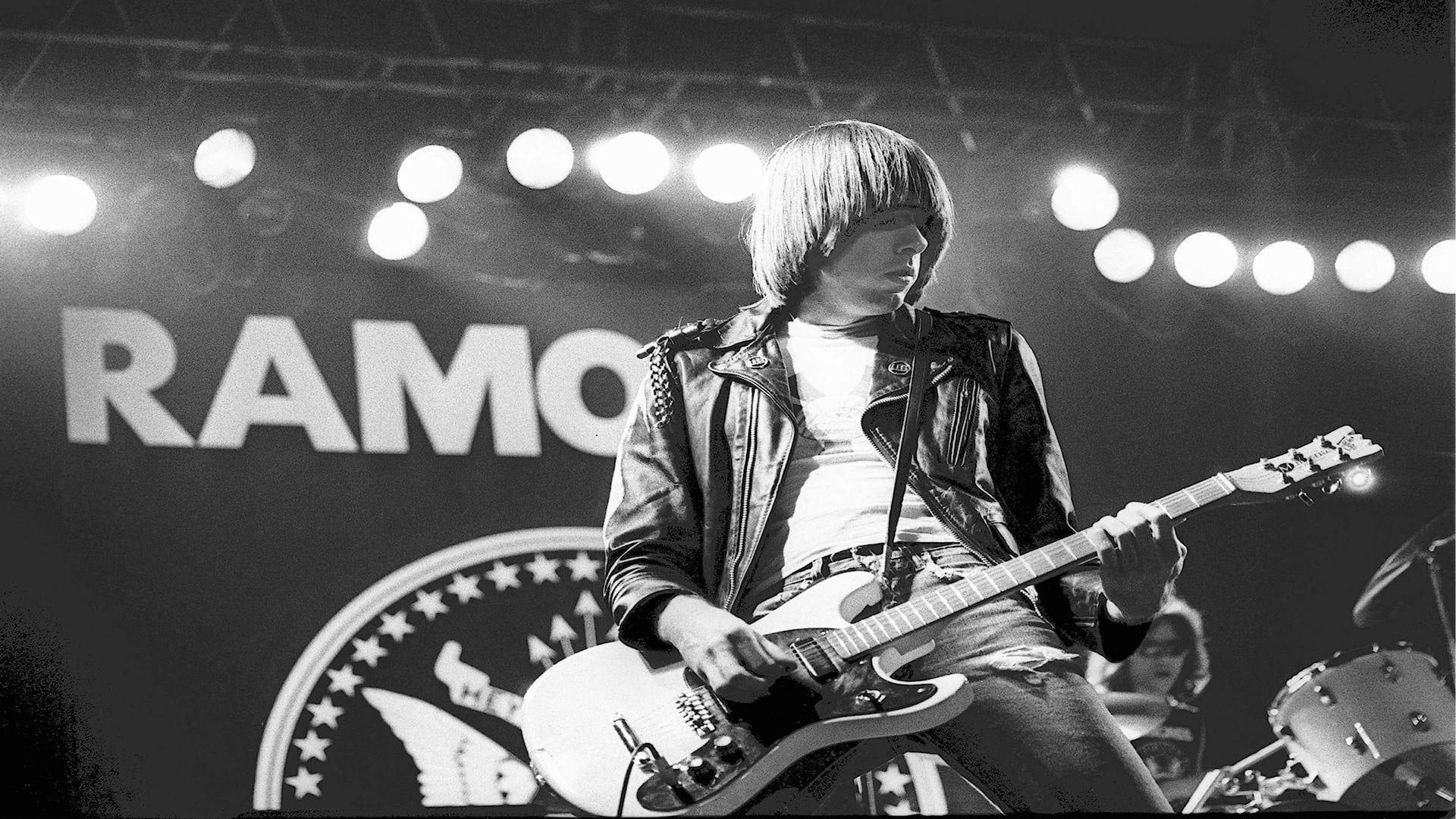
Johnny Ramone’s contribution to music extended far beyond his death. He revolutionized guitar playing by discarding blues-based solos in favor of relentless, high-speed, downstroke power chords. This sonic blueprint directly influenced the entire genres of punk rock, hardcore punk, grunge, and thrash metal. Bands ranging from Green Day and Nirvana to Metallica and Pearl Jam have consistently cited him as a primary influence.
In 2011, Rolling Stone magazine ranked Johnny Ramone number 16 on its list of the "100 Greatest Guitarists of All Time." His customized Mosrite guitar, played through Marshall amplifiers with maximum treble and minimal bass, produced a buzzing, chainsaw-like tone that defined the New York punk sound at CBGB and around the globe.
A bronze statue of Johnny Ramone was erected at Hollywood Forever Cemetery in Los Angeles, where a portion of his ashes rests. The monument stands as a permanent tribute to a musician who viewed his career through a lens of strict professionalism, discipline, and uncompromising artistic vision.
Frequently Asked Questions
What kind of cancer did Johnny Ramone have?
Johnny Ramone suffered from metastatic prostate cancer. He was diagnosed in 1999 and kept his condition private for five years before passing away from the disease in September 2004 at the age of 55.
Did Johnny Ramone continue playing music after his diagnosis?
While The Ramones had retired from touring in 1996, Cummings remained active in the music community after his 1999 diagnosis. He participated in archival projects, documentary releases, and various public events related to the preservation of The Ramones' history until his physical health prevented him from doing so.
Who survived Johnny Ramone?
Johnny Ramone was survived by his wife, Linda Cummings. Musically, he was predeceased by bandmates Joey Ramone (2001) and Dee Dee Ramone (2002). Drummer Tommy Ramone outlived him by a decade, passing away in 2014.
Where is Johnny Ramone buried?
Johnny Ramone was cremated, and a bronze memorial statue was placed at the Hollywood Forever Cemetery in Los Angeles, California, which serves as a gathering site for fans worldwide.
Why did The Ramones break up?
The Ramones retired from touring in 1996 primarily due to internal band friction, aging, exhaustion, and frustration over their lack of mainstream radio success despite their massive critical influence. Their final concert took place at The Palace in Los Angeles on August 6, 1996.
How did Johnny Ramone's playing style influence modern rock?
Johnny Ramone popularized the continuous high-speed downstroke guitar technique. By eliminating traditional guitar solos and focusing on rhythmic, driving power chords, he created a wall of sound that laid the exact groundwork for fast punk rock and heavy metal subgenres.
Next Actions and Further Reading
For those interested in exploring the history of The Ramones and Johnny Ramone's life further, primary resources offer deep historical context. Readers can explore the documentary End of the Century: The Story of the Ramones for archival footage and interviews, or read Johnny Ramone’s posthumously published autobiography, Commando: The Autobiography of Johnny Ramone, which provides his candid perspective on his career, personal life, and final years.
Image Gallery