How Hurricanes Affect Maine Communities: Vulnerabilities, Impacts, and Preparedness
Hurricanes affect Maine communities primarily through high winds, torrential rainfall, severe storm surges, and prolonged power outages, often transitioning into post-tropical cyclones by the time they reach northern New England. While...
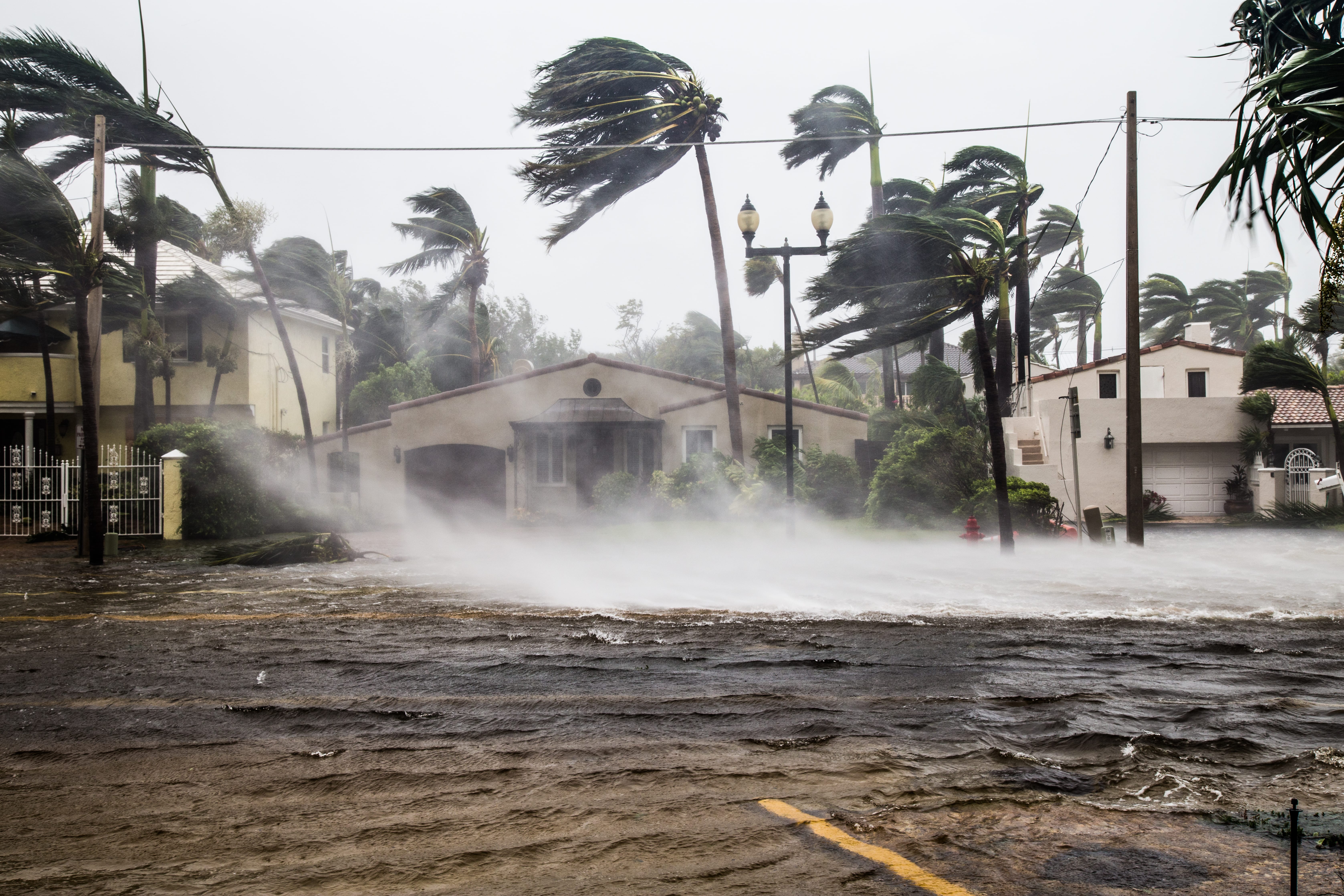
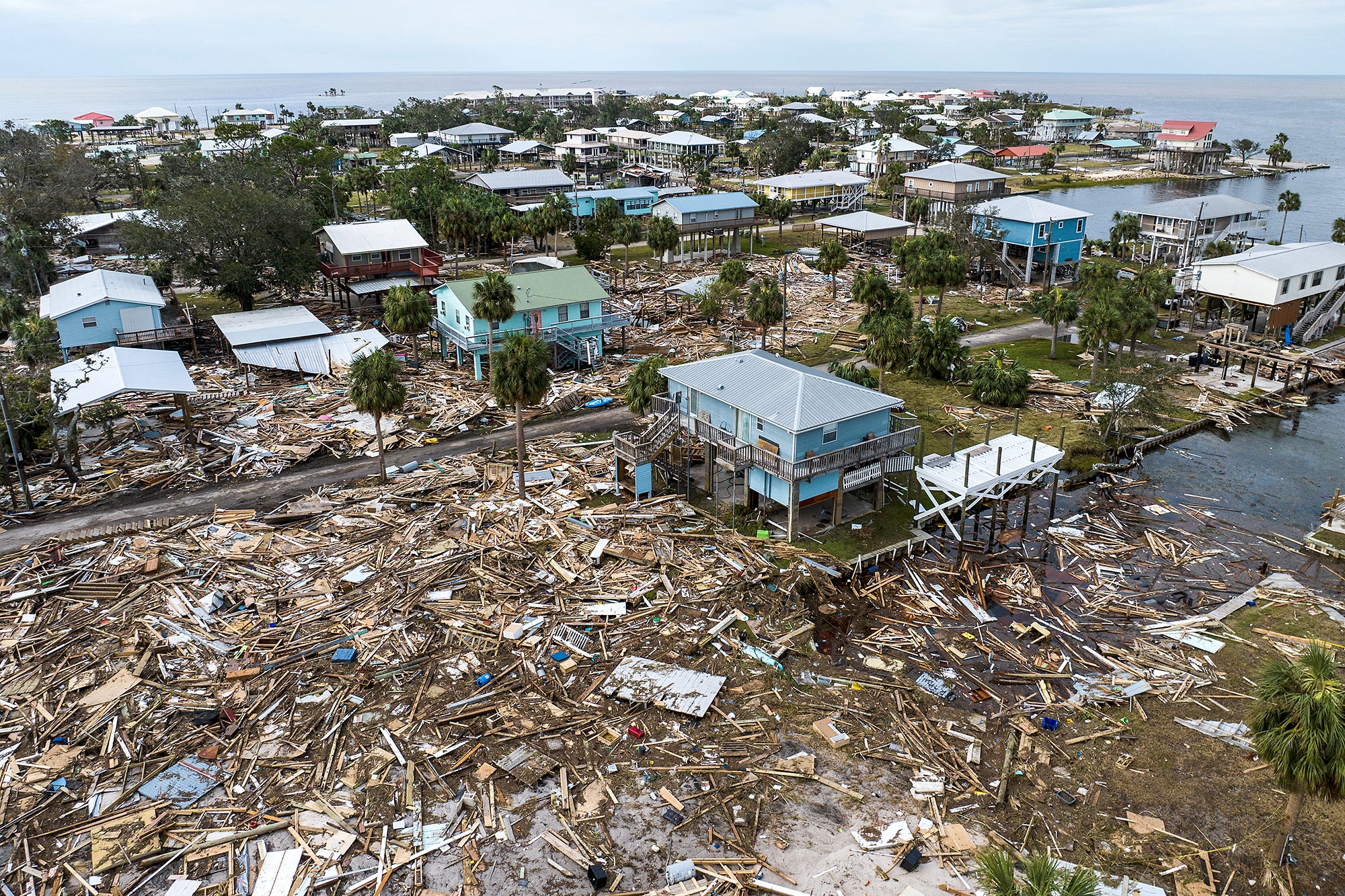
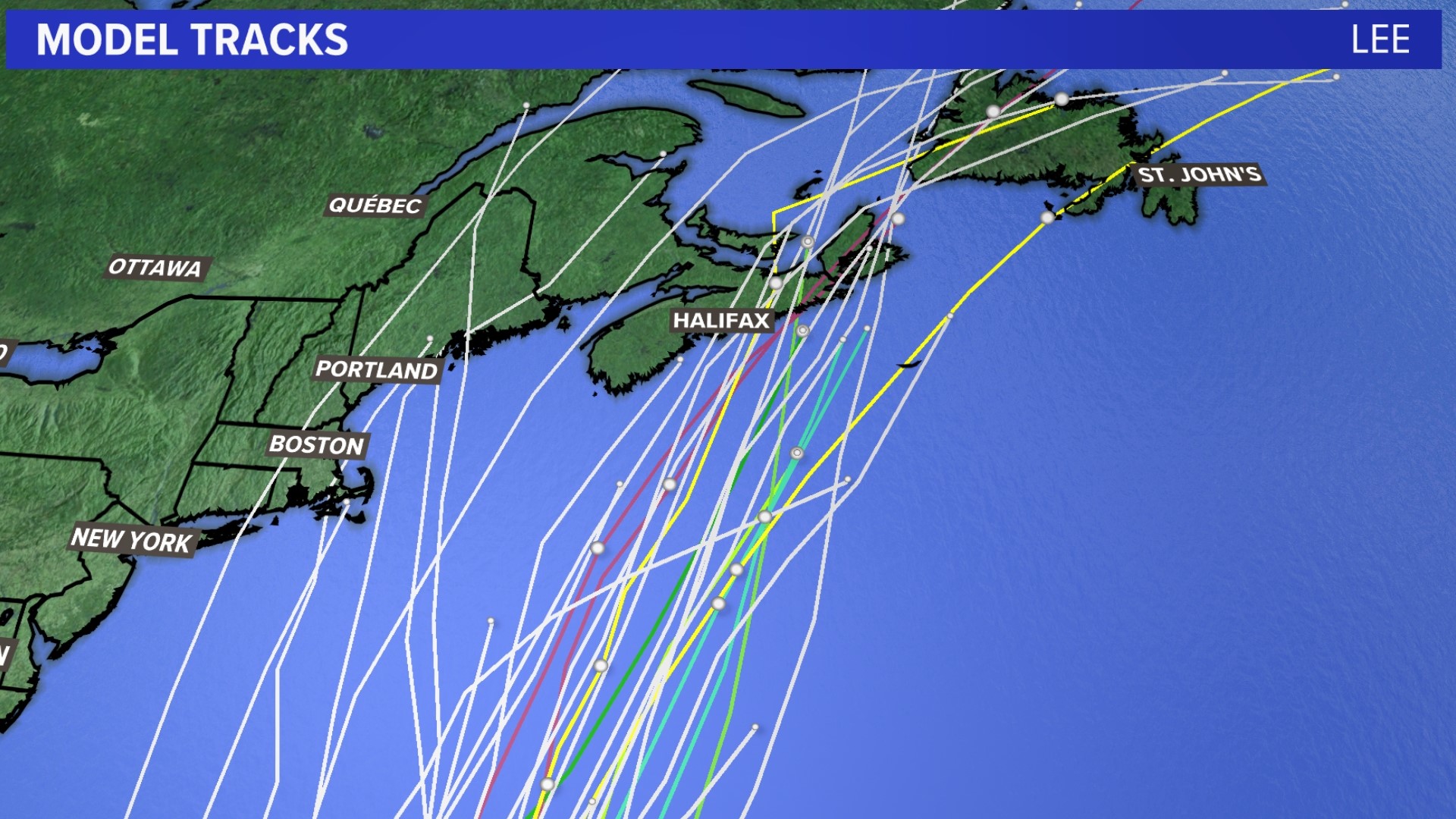
Hurricanes affect Maine communities primarily through high winds, torrential rainfall, severe storm surges, and prolonged power outages, often transitioning into post-tropical cyclones by the time they reach northern New England. While direct landfalls by major hurricanes are rare in Maine due to cooler ocean waters and prevailing atmospheric steering currents, storms such as Hurricane Carol in 1954, Hurricane Bob in 1991, and post-tropical storm Lee in 2023 have demonstrated the state’s high vulnerability to wind damage, coastal flooding, and riverine inundation.
Contents
Understanding how these meteorological events disrupt infrastructure, local economies, and ecosystems helps residents, municipal planners, and emergency management teams mitigate structural vulnerabilities. Because Maine possesses an extensive, highly indented coastline and vast forested interior tracts, tropical weather systems present distinct regional challenges that differ significantly from those experienced in the Mid-Atlantic or Southern United States.
Meteorological Transition and Maine’s Unique Vulnerability
When tropical systems track northward along the Eastern Seaboard toward Maine, they undergo a structural transformation known as extratropical transition. Warm-core tropical systems interact with cooler northern air masses and higher atmospheric wind shear. This process typically expands the wind field, meaning that even if a storm drops below hurricane strength on the Saffir-Simpson scale, its radius of destructive winds often grows significantly larger. Consequently, a vast geographic area can experience gale-force or storm-force gusts simultaneously.
Maine’s geography exacerbates these meteorological dynamics. The state’s irregular coastline features thousands of miles of rocky shores, narrow bays, and tidal estuaries that can funnel storm surges higher than they would rise on open beaches. Furthermore, Maine is the most heavily forested state in the nation, with trees covering nearly 90 percent of its land area. Because many of these forests grow in shallow, rocky soils that become saturated during heavy tropical downpours, even moderate winds can easily uproot mature trees, creating a cascading sequence of infrastructure failures.
Direct Impacts on Infrastructure and Built Environments
The most immediate and widespread effect of a hurricane or post-tropical system in Maine is the disruption of the built environment. Infrastructure vulnerabilities manifest across multiple sectors, testing the resilience of municipal assets and private property alike.
Power Transmission and Electrical Grids
Overhead utility lines running through heavily wooded corridors make Maine’s electrical grid exceptionally vulnerable to tropical weather. When high winds coincide with saturated soils, falling trees and heavy limbs snap utility poles, sever transmission lines, and leave hundreds of thousands of customers without electricity.
Prolonged outages disrupt essential services, shutting down water treatment plants, gas stations, and refrigeration facilities. According to records from the Maine Emergency Management Agency (MEMA) and utilities like Central Maine Power and Versant Power, major storms frequently require mutual aid crews from neighboring states and Canadian provinces to restore power over multi-week recovery windows.
Coastal Flooding and Marine Infrastructure
Coastal communities face severe hazards from storm surges combined with high astronomical tides. When low-pressure systems push water toward the Gulf of Maine, coastal inundation floods low-lying roadways, commercial wharves, and residential neighborhoods.
Key marine assets, including lobster pounds, fishing fleets, and boatyards, suffer physical damage when docks are battered by waves and floating debris. The economic impact on Maine’s working waterfront is severe, as commercial fishers and aquaculture operators lose valuable gear, vessel access, and operating days during peak harvesting seasons.
Inland Flooding and Transportation Networks
While coastal regions combat storm surges, inland areas face torrential rainfall that can dump several inches of water in a matter of hours. Small streams, rivers, and culverts quickly exceed their capacity, washing out rural roads, bridges, and railway lines.
Washouts isolate inland communities, complicating emergency response operations and preventing medical personnel or firefighters from reaching stranded residents. The Maine Department of Transportation (MaineDOT) maintains strict engineering guidelines for culvert sizing and bridge reinforcement to withstand these high-flow scenarios, but legacy infrastructure remains a persistent vulnerability.
| Hazard Type | Primary Affected Areas | Principal Risks | Mitigation Strategies |
|---|---|---|---|
| Storm Surge & Coastal Flooding | Coastal islands, peninsulas, working waterfronts | Structural damage to wharves, saltwater intrusion, flooded coastal roads | Elevating marine structures, installing sea walls, implementing land-use setbacks |
| High Winds & Tree Damage | Statewide, especially heavily forested interior and suburban corridors | Mass power outages, blocked roadways, property damage from falling limbs | Strategic utility line trimming, underground cabling in new developments |
| Inland Flash Flooding | River valleys, rural townships, low-lying road networks | Bridge washouts, compromised culverts, isolation of rural homes | Upsizing culverts, reinforcing bridge abutments, floodplain mapping |
Socioeconomic and Public Health Consequences
Beyond physical damage to buildings and roads, hurricanes trigger secondary socioeconomic and public health challenges that affect Maine communities for months following an event.
Economic Disruption to Tourism and Fisheries
Maine’s economy relies heavily on seasonal tourism, agriculture, and commercial fisheries. Tropical storms striking during late summer or early fall—the peak of the foliage and tourist season—lead to widespread cancellations, lost lodging revenue, and disrupted hospitality operations. For the commercial fishing sector, damaged infrastructure halts the supply chain, delaying the distribution of seafood products to domestic and international markets. Small businesses operating on tight seasonal margins often struggle to absorb these sudden revenue losses without federal disaster assistance or small business loans.
Public Health and Environmental Hazards
Widespread power outages compromise residential and municipal water supplies, particularly for homes relying on private wells that may become contaminated by surface runoff and floodwaters. Prolonged lack of refrigeration leads to food spoilage, while damp indoor environments foster rapid mold growth, exacerbating respiratory conditions among vulnerable populations such as the elderly and individuals with asthma. Additionally, standing water left by receding floodwaters creates breeding grounds for mosquitoes, raising public health monitoring concerns managed by the Maine Center for Disease Control and Prevention (Maine CDC).
Emergency Preparedness and Community Resilience
Mitigating the effects of hurricanes in Maine requires a coordinated approach involving federal, state, and local agencies, alongside individual household preparedness.
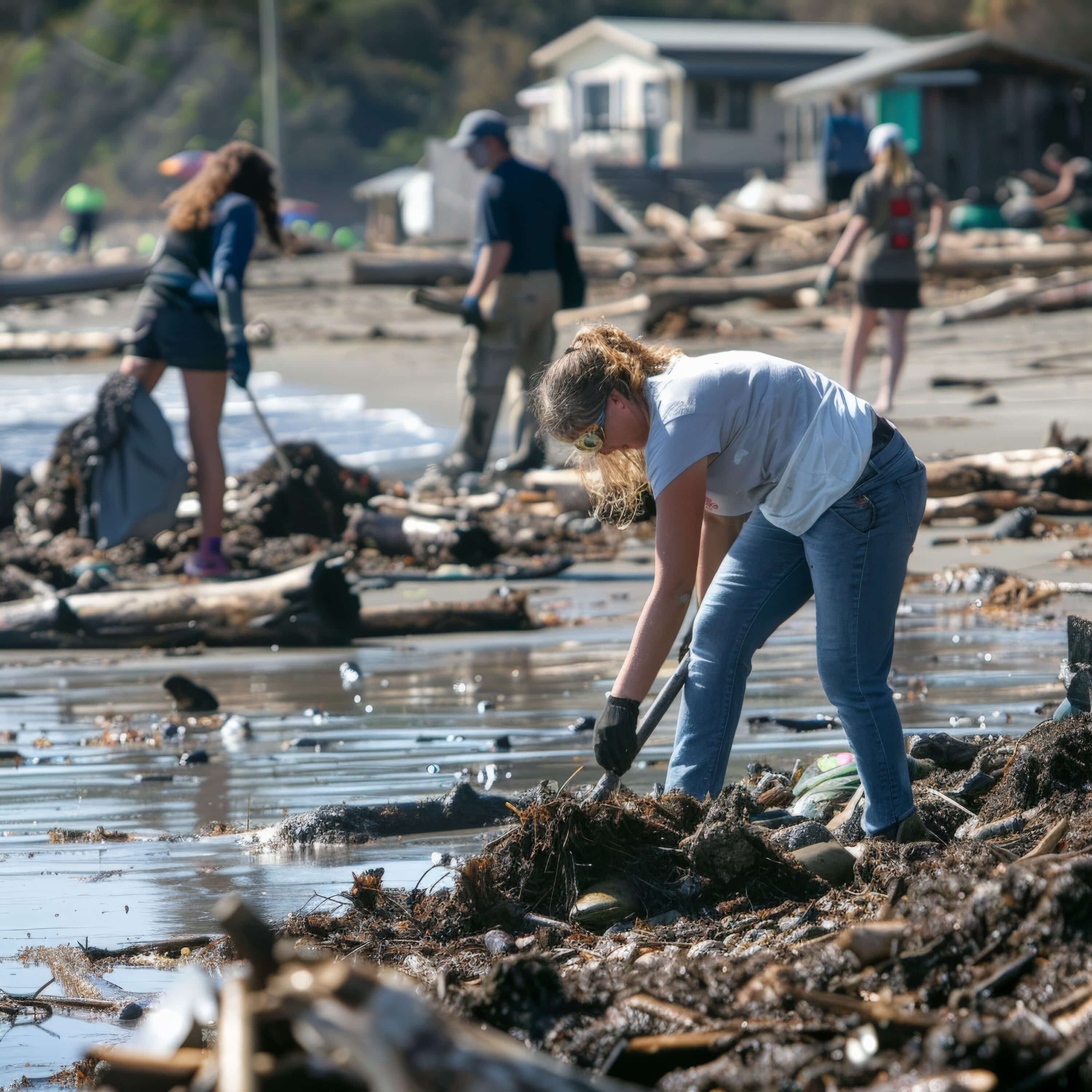
The Maine Emergency Management Agency coordinates disaster response, maintains the state emergency operations plan, and assists municipalities in applying for federal disaster declarations through the Federal Emergency Management Agency (FEMA). At the local level, county emergency management directors work with municipal officials to open emergency shelters, coordinate debris clearance, and distribute safety guidelines.
Residents living in vulnerable coastal or flood-prone zones are advised by safety authorities to maintain a minimum 72-hour emergency kit containing non-perishable food, potable water, medications, flashlights, and battery-powered or hand-crank radios. Homeowners frequently inspect and clear property drainage systems, secure outdoor furniture, and evaluate their insurance coverage, noting that standard homeowners insurance policies typically exclude flood damage, requiring separate policies through the National Flood Insurance Program (NFIP).
Frequently Asked Questions
Can major Category 3 or higher hurricanes make direct landfalls in Maine?
Direct landfalls by major hurricanes are historically rare in Maine. As hurricanes track northward into the cooler waters of the Gulf of Maine, they rapidly lose intensity and transition into post-tropical cyclones. However, these storms can still deliver destructive hurricane-force wind gusts and torrential rain equivalent to lower-category systems.
Does standard homeowners insurance cover hurricane damage in Maine?
Standard homeowners insurance policies generally cover wind damage caused by hurricanes, such as structural roof damage or broken windows caused by falling trees. However, damage resulting from rising water, storm surges, or coastal flooding is excluded and requires a separate flood insurance policy.
Why are power outages so widespread and prolonged during storms in Maine?
Maine is the most heavily forested state in the nation, and many utility distribution lines run through dense tree canopies. When heavy rainfall saturates the shallow soil and high winds develop, trees easily uproot or snap, bringing down multiple power lines simultaneously and requiring extensive line-clearing operations before power can be safely restored.
How do post-tropical storms differ from traditional hurricanes?
Post-tropical storms have lost their warm tropical core and have taken on characteristics of mid-latitude frontal systems. While their peak sustained wind speeds may decrease, their physical size often expands dramatically, causing wind fields and heavy rainfall to impact a much larger geographic region over a longer duration.
Where can Maine residents find real-time emergency information during a storm?
Residents can monitor updates through the Maine Emergency Management Agency portal, local National Weather Service forecast offices in Gray/Portland and Caribou, and local county emergency management social media channels and broadcast media outlets.
Conclusion and Next Actions
Hurricanes and post-tropical cyclones present multifaceted hazards to Maine communities, testing the resilience of coastal ecosystems, inland infrastructure, and utility networks. While the state's geography and dense forests amplify risks associated with high winds and flooding, proactive preparation minimizes structural damage and protects public safety. Property owners and municipal planners should review local flood maps, secure vulnerable structures, and maintain updated emergency response plans before tropical weather threatens the region.
Image Gallery