Freddie Freeman's Debut Revealed: A Comprehensive Look at His Professional Arrival
Freddie Freeman’s Major League Baseball debut took place on September 1, 2010, when he was called up by the Atlanta Braves to make his first appearance against the Cincinnati Reds at Turner Field. Stepping onto the diamond as a 21-year...
Freddie Freeman’s Major League Baseball debut took place on September 1, 2010, when he was called up by the Atlanta Braves to make his first appearance against the Cincinnati Reds at Turner Field. Stepping onto the diamond as a 21-year-old rookie, Freeman marked the official beginning of a prolific career that would eventually transition from promising prospect to elite multi-time All-Star, World Series champion, and perennial MVP contender.
Contents
The Context and Buildup to the 2010 Call-Up
Long before his debut captured the attention of baseball analysts and fans alike, Freddie Freeman was a standout high school prospect from El Modena High School in Orange, California. Selected by the Atlanta Braves in the second round of the 2007 Major League Baseball Draft, Freeman bypassed a commitment to California State University, Fullerton, choosing instead to sign with the organization for a $409,500 bonus.
His journey through the minor leagues was characterized by steady offensive production and physical development. Playing across various levels of the Braves' minor league system—from the Gulf Coast League Braves to the Rome Braves, Myrtle Beach Pelicans, and eventually the Triple-A Gwinnett Braves—Freeman demonstrated advanced plate discipline and a natural left-handed swing tailored for power.
By the summer of 2010, the Braves were locked in a tight National League postseason race. The team required stability and an injection of offensive depth at first position, particularly following injuries and shifting veteran rosters. Management and scouting directors evaluated Freeman's performance in Triple-A, where he posted strong slash lines, and determined that the young infielder was prepared for the pressures of a big league pennant race. On September 1, Major League Baseball rosters expanded from 25 to 40 players, opening the exact operational window needed for the Braves to promote their top-tier prospect.
The Debut Game: September 1, 2010
When Freddie Freeman's debut revealed itself to the baseball world on the evening of September 1, 2010, it unfolded at Turner Field in Atlanta against the Cincinnati Reds. Manager Bobby Cox penciled the rookie into the lineup, inserting him at first base.
Stepping into the batter's box for his first major league plate appearance, Freeman faced Reds pitcher Travis Wood. While his initial outing did not immediately produce a storybook home run, it provided his first taste of elite pitching. Over the course of the game, Freeman experienced the stark difference between minor league pitching and the precision of major league staffs.
The significance of the debut extended beyond a single box score; it represented the passing of a torch within the Braves organization. Bobby Cox, managing in the twilight of his historic career, was overseeing a roster transition that would bridge the gap between veteran stalwarts and a new generation of core players. Freeman's insertion into the lineup signaled the team's long-term commitment to building around young, internally developed talent.
Key Milestones Around the Debut
| Milestone / Event | Date | Details |
|---|---|---|
| MLB Draft Selection | June 7, 2007 | Drafted by the Atlanta Braves in the 2nd round (78th overall). |
| Minor League Progression | 2007–2010 | Advanced through GCL, Single-A, High-A, Double-A, and Triple-A Gwinnett. |
| Major League Debut | September 1, 2010 | Called up as rosters expanded; played first game against the Cincinnati Reds. |
| First Major League Hit | September 5, 2010 | Registered his first career hit against the Philadelphia Phillies. |
| First Major League Home Run | September 21, 2010 | Hit his first career home run off Florida Marlins pitcher Chris Volstad. |
Immediate Aftermath and Transition to Regular Starter
A debut is merely an introduction; the true test for any major league prospect lies in how they adapt once opposing pitchers gather scouting reports. Following his September 1 appearance, Freeman appeared in 20 games during the 2010 late-season stretch, collecting his first career hit on September 5 against the Philadelphia Phillies and his first career home run on September 21 against the Florida Marlins off pitcher Chris Volstad.
Entering the 2011 season, the first base job became unequivocally his following the departure of veteran Troy Garside. Freeman capitalized on the opportunity, putting together a stellar rookie campaign where he finished second in the National League Rookie of the Year voting behind teammate Craig Kimbrel. He batted .282 with 21 home runs and 76 RBIs, proving that the tools scouts observed during his minor league tenure translated effectively to the highest level of professional competition.
Analytical Breakdown of Freeman’s Early Approach
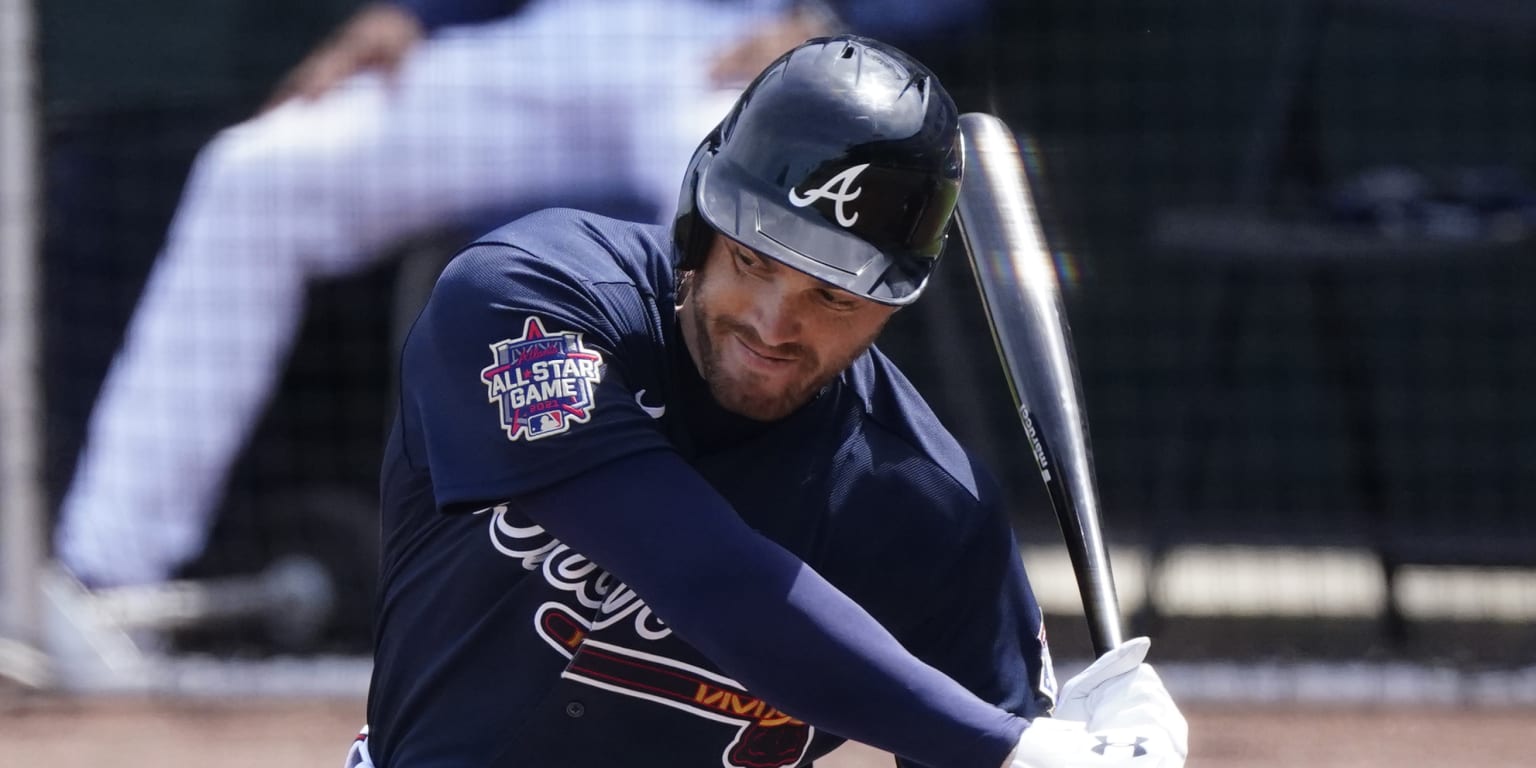
To understand why Freeman’s debut and subsequent rise were successful, baseball analysts often point to his mechanical consistency. Even as a rookie, his left-handed swing featured a short, compact path to the ball, allowing him to handle velocity inside while remaining patient enough to drive pitches away.
- Plate Discipline: Unlike many power-hitting prospects who struggle with high strikeout rates upon reaching the majors, Freeman demonstrated an advanced eye, drawing walks and avoiding chase rates outside the strike zone.
- Defensive Reliability: Transitioning to first base requires more than just catching throws; it involves saving errant throws from infielders and anchoring the infield defense. Freeman displayed soft hands and exceptional footwork from his earliest games.
- Mental Resiliency: Adjusting to the bright lights of a pennant-race environment can overwhelm young players. Freeman maintained a steady, even-keeled demeanor, a trait that would define his leadership style throughout his career.
Long-Term Legacy and Subsequent Career Trajectory
The events of September 1, 2010, served as the launchpad for one of the most decorated careers of the modern era. Over more than a decade with the Atlanta Braves, Freeman accumulated numerous accolades, including multiple All-Star selections, Gold Glove Awards, Silver Slugger Awards, and the National League Most Valuable Player Award in 2020.
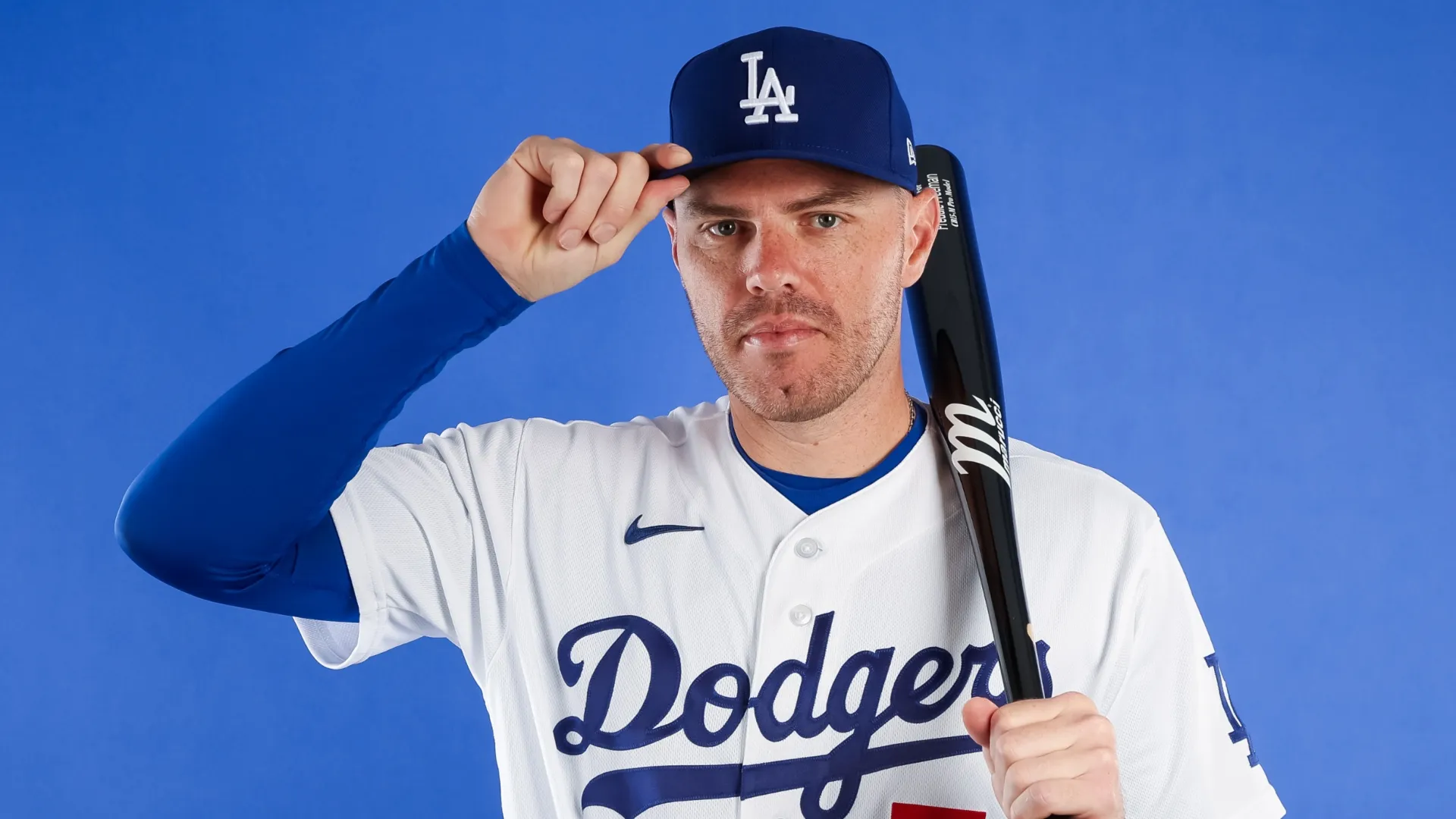
His tenure in Atlanta culminated in the 2021 World Series championship, cementing his status as a franchise icon. When he later signed with the Los Angeles Dodgers, continuing his dominance on the West Coast and earning another World Series title and MVP honors in the Fall Classic, baseball historians continually looked back to his quiet September call-up as the foundational moment where a superstar's journey officially began.
Frequently Asked Questions
When did Freddie Freeman make his MLB debut?
Freddie Freeman made his Major League Baseball debut on September 1, 2010, playing for the Atlanta Braves against the Cincinnati Reds at Turner Field.
Who did Freddie Freeman play against in his first game?
His debut game was played against the Cincinnati Reds. He entered the game as the starting first baseman for the Atlanta Braves during a late-season roster expansion.
When did Freddie Freeman get his first major league hit?
Freeman recorded his first career major league hit on September 5, 2010, just a few days after his initial call-up, during a series against the Philadelphia Phillies.
How did Freddie Freeman perform in his rookie season?
Following his September 2010 call-up, Freeman secured the everyday first base job in 2011, batting .282 with 21 home runs and finishing second in the National League Rookie of the Year voting.
What team did Freddie Freeman debut with?
Freeman debuted with the Atlanta Braves, the organization that drafted him in the second round of the 2007 MLB Draft and guided his development through the minor leagues.
Next Actions and Further Reading
For fans and researchers interested in deeper baseball history, exploring archival box scores from the September 2010 Atlanta Braves season offers a granular look at how the team integrated young talent into a veteran clubhouse. Reviewing historical scouting reports from Baseball America or FanGraphs regarding the 2007 draft class also provides valuable context into how evaluators projected Freeman's future before his major league arrival.
Image Gallery