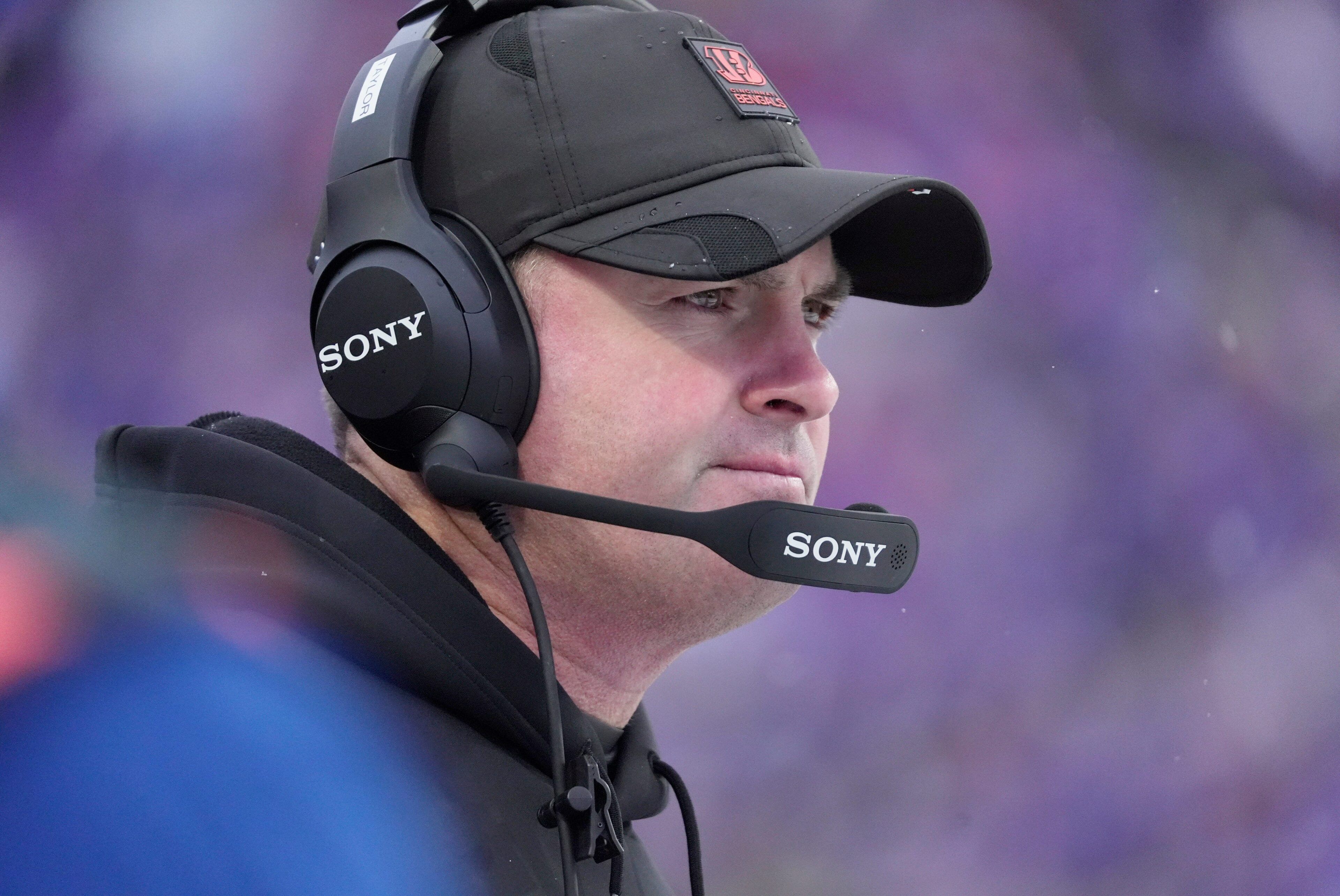
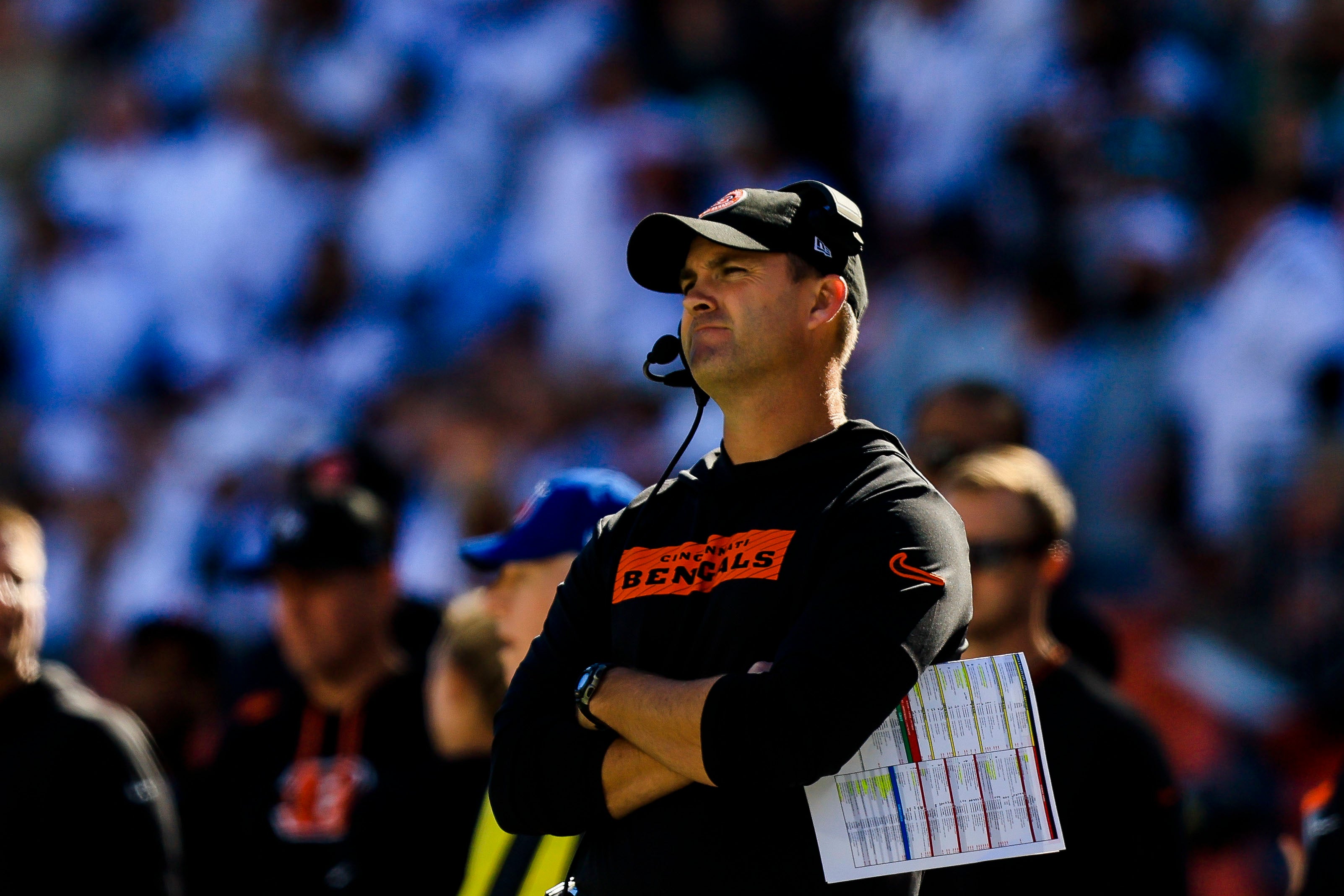
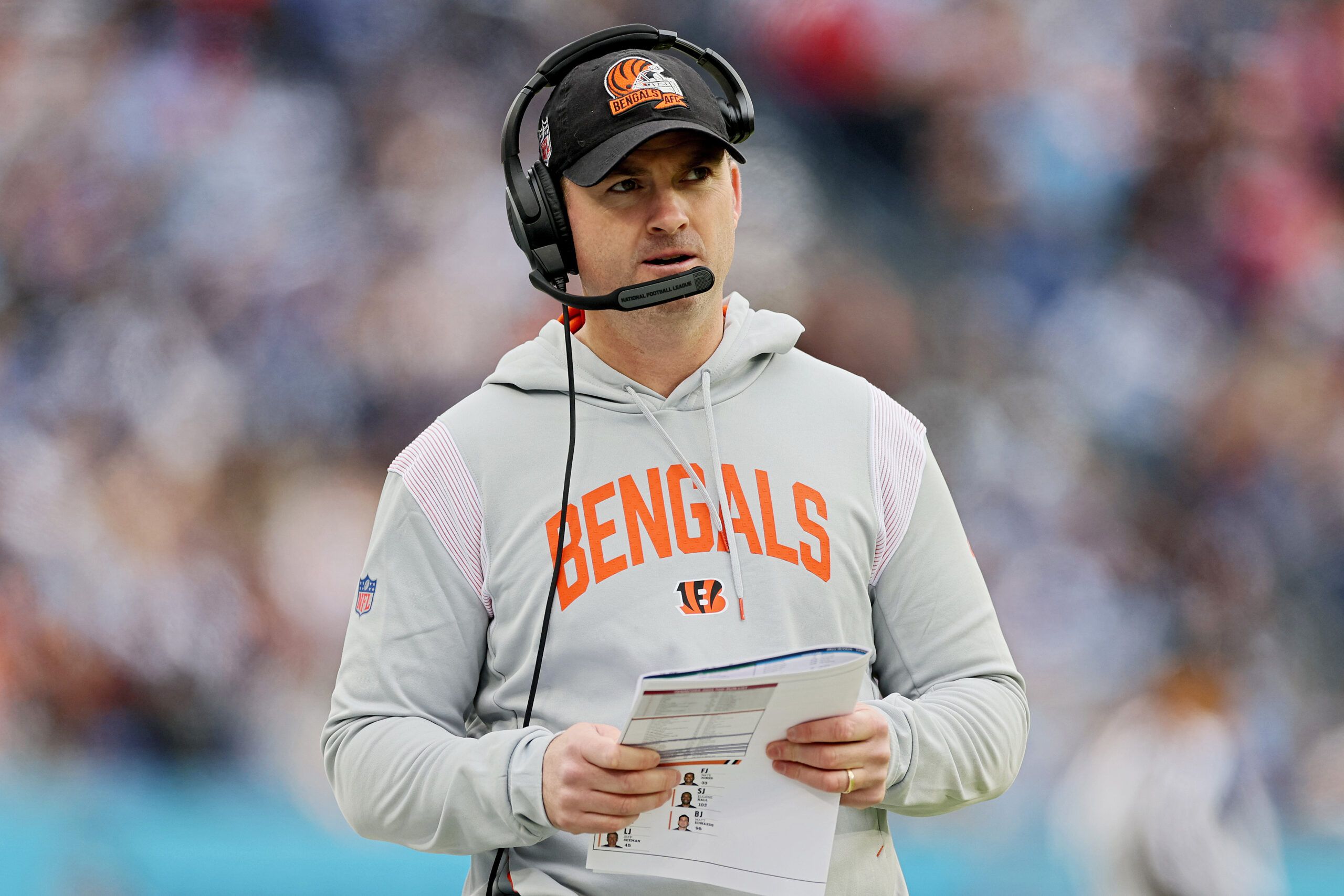
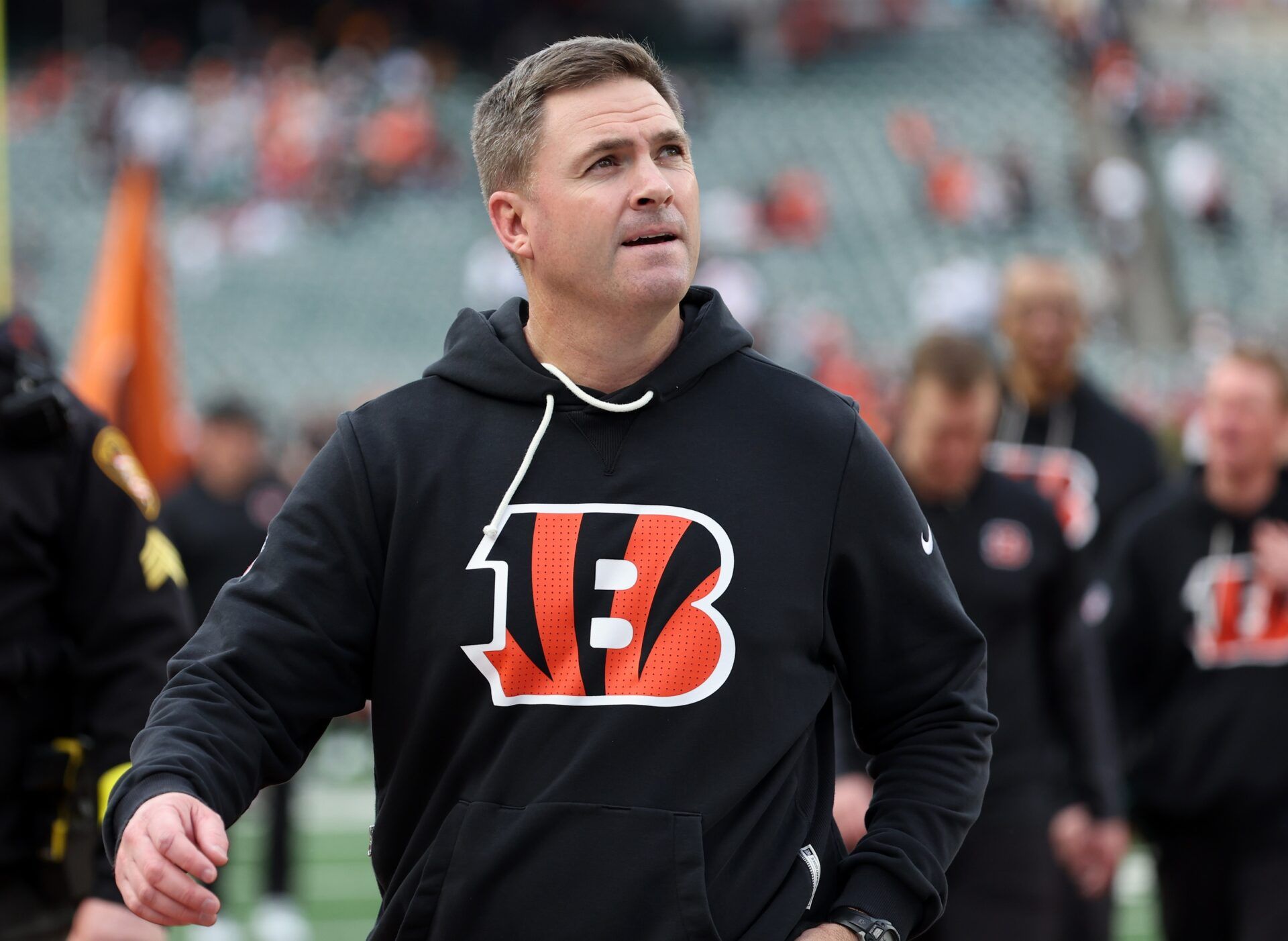
Zac Taylor Salary in the NFL: Breaking Down the Cincinnati Bengals Head Coach's Contract and Compensation
Zac Taylor earns an estimated annual salary in the range of $4.5 million to $6 million as the head coach of the Cincinnati Bengals, positioning his compensation near the middle tier of National Football League coaching contracts. While...
Zac Taylor earns an estimated annual salary in the range of $4.5 million to $6 million as the head coach of the Cincinnati Bengals, positioning his compensation near the middle tier of National Football League coaching contracts. While NFL coaching salaries are rarely published publicly down to the exact dollar because franchises are privately owned entities, reporting from sports business journalists and league insiders consistently places Taylor within this competitive bracket following his contract extensions and team successes.
Contents
Navigating the financial landscape of the National Football League requires looking beyond simple base salaries. Head coaching compensation involves a complex matrix of performance bonuses, multi-year guarantees, staff funding pools, and organizational structures. Understanding Zac Taylor’s financial standing as the head coach of the Cincinnati Bengals demands an examination of how NFL coaching contracts work, how Taylor’s earnings compare to his peers, and what factors influence compensation within this elite tier of professional sports.
The Economics of NFL Head Coach Compensation
Unlike players, whose salaries are strictly regulated by the collective bargaining agreement between the NFL and the NFL Players Association and are published transparently through public databases, head coach salaries are private business matters. Teams in the league operate as private enterprises, meaning ownership groups are under no obligation to disclose the exact financial terms of coaching contracts.
However, sports business reporters from outlets like ESPN, The Athletic, and Sports Illustrated regularly obtain contract details through league sources. These reports indicate that modern NFL head coach salaries generally range from a baseline of roughly $4 million per year for first-time or lower-tier coaches to upwards of $18 million to $20 million annually for top earners like Sean Payton, Andy Reid, and Jim Harbaugh.
Within this economic framework, Zac Taylor’s estimated annual salary of $4.5 million to $6 million reflects a standard market rate for a head coach who has established a competitive roster, reached a Super Bowl, and earned extensions from a historically conservative franchise. The Cincinnati Bengals, owned by the Brown family, operate differently than franchises backed by multi-billionaire owners from outside traditional sports backgrounds, often structuring contracts with careful fiscal discipline while remaining competitive in the open market.
Zac Taylor’s Contract History and Extensions with the Cincinnati Bengals
Zac Taylor was originally hired as the head coach of the Cincinnati Bengals on February 4, 2019, signing a four-year deal that brought him to Ohio after serving as the quarterbacks coach for the Los Angeles Rams. At the time of his initial hiring, his entry-level salary was estimated to be in the lower tier of NFL head coaches, typically ranging between $3.5 million and $4 million annually.
Following the Bengals' breakthrough 2021 season, which culminated in an appearance in Super Bowl LVI, the franchise rewarded Taylor with a contract extension. In the NFL, coaches entering the final two years of their initial deals almost universally receive extensions to maintain stability and prevent "lame-duck" status, which can undermine authority in the locker room and hinder recruitment during coaching searches.
While the exact financial terms of Taylor’s extension were not officially released by the Bengals, league reporting indicated that the new agreement bumped his annual compensation upward to reflect his status as an established NFL head coach. This extension secured his leadership through a crucial window of roster construction, aligning his timeline with core players like quarterback Joe Burrow and wide receiver Ja'Marr Chase.
Comparing Zac Taylor’s Salary to Other NFL Head Coaches
To understand where Zac Taylor’s salary fits into the broader NFL landscape, it is helpful to categorize coaching compensation into distinct tiers. The financial hierarchy of NFL head coaches is driven by market demand, playoff success, prior experience, and whether a coach possesses an offensive or defensive background.
| Compensation Tier | Estimated Annual Salary Range | Representative Coaches |
|---|---|---|
| Top Tier (Elite / Super Bowl Winners) | $12,000,000 – $20,000,000+ | Andy Reid, Sean Payton, Jim Harbaugh, Sean McVay |
| Mid-Upper Tier (Established / Playoff Regulars) | $7,000,000 – $11,000,000 | Mike Tomlin, Kyle Shanahan, Kevin Stefanski, Nick Sirianni |
| Mid Tier (Competitively Established) | $4,500,000 – $6,500,000 | Zac Taylor, Robert Saleh, Matt Eberflus |
| Lower Tier / First-Time Head Coaches | $3,500,000 – $4,500,000 | Newly hired head coaches without prior top-job experience |
Taylor sits comfortably in the mid tier of NFL head coaching compensation. While he does not command the market-resetting figures of coaches who have accumulated multiple Super Bowl rings or commanded massive bidding wars in free agency, his salary exceeds that of first-time hires. This positioning aligns with his tenure, his regular-season success, and the financial philosophy of the Cincinnati front office.
Components of an NFL Head Coach Contract
When discussing Zac Taylor’s salary or any NFL head coach's compensation, the headline salary figure represents only one part of the financial agreement. Comprehensive coaching contracts typically include several vital components that significantly impact total earnings and job security.
Guaranteed Money and Buyouts
Coaching contracts in the NFL are fully guaranteed. If a franchise decides to relieve a head coach of their duties before the contract expires—a common occurrence in the volatile landscape of professional football—the team remains obligated to pay the remainder of the salary. This creates substantial financial liabilities for ownership groups, which is why extensions are often negotiated proactively. Taylor’s extensions have provided him with long-term financial security regardless of short-term on-field fluctuations.
Performance and Incentive Bonuses
In addition to base salaries, NFL contracts frequently feature performance-based incentives tied to specific operational milestones. These bonuses commonly include:
- Qualifying for the postseason (Wild Card or Divisional round appearances).
- Winning the AFC North division title.
- Advancing to the AFC Championship Game.
- Winning the Super Bowl.
- Achieving specific regular-season win thresholds (e.g., 10 or more wins).
While exact bonus structures are proprietary, reaching the Super Bowl and consistently contending in a competitive division like the AFC North ensures that coaches meeting these milestones unlock significant supplemental payouts beyond their base salary.
Assistant Coach Pools
A critical element of any head coach’s employment agreement is the size of the financial pool allocated for hiring assistant coaches, coordinators, and support staff. A higher total salary package often correlates with a larger, more competitive budget to attract elite coordinators, strength coaches, and analytics personnel. Taylor’s standing with the Bengals gives him the institutional backing necessary to assemble a robust coaching staff capable of competing against high-spending franchises.
The Financial Realities of the Cincinnati Bengals Organization
Evaluating Zac Taylor’s compensation requires context regarding how the Cincinnati Bengals operate as a business. Unlike franchises owned by multi-billionaires who derive their wealth from technology, venture capital, or international conglomerates, the Bengals are famously operated as a family-owned enterprise where the football team serves as the primary family asset.
Historically, the Bengals maintained a reputation for lean spending, particularly regarding coaching staffs and front office infrastructure. However, the modern NFL salary cap, lucrative television broadcast rights deals, and revenue-sharing agreements have significantly boosted the baseline revenues of every franchise, including Cincinnati. The willingness of ownership to invest in competitive coach salaries, modern training facilities, and lucrative player extensions—such as the record-breaking contract given to quarterback Joe Burrow—demonstrates an evolved financial strategy aimed at sustaining long-term championship contention.
Within this operational framework, paying a head coach an estimated $4.5 million to $6 million per year represents a substantial and necessary investment. It reflects market reality: retaining a coach who has proven capable of leading a franchise to the game's biggest stage requires competitive compensation, even for a club mindful of its overhead expenditures.
Frequently Asked Questions About Zac Taylor’s NFL Salary
What is Zac Taylor’s annual salary as Bengals head coach?
Zac Taylor earns an estimated annual salary between $4.5 million and $6 million. While exact figures are kept private by the Cincinnati Bengals, sports business reporting consistently places him in the mid tier of NFL head coaching compensation following his contract extensions.
Is Zac Taylor’s contract fully guaranteed?
Yes. Like virtually all NFL head coach contracts, Zac Taylor’s agreement is fully guaranteed. If the Bengals were to terminate his employment before the contract's expiration, the organization would still be required to pay out the remaining financial terms of the deal.
How does Zac Taylor’s salary compare to other NFL coaches?
Taylor’s salary sits in the middle tier of the NFL coaching hierarchy. He earns less than elite, high-market coaches like Andy Reid, Sean Payton, or Sean McVay—who make upwards of $12 million to $20 million annually—but ranks above first-time, entry-level head coaches.
What factors influenced Zac Taylor’s contract extension?
Taylor received a contract extension primarily due to his team's on-field success, highlighted by the Bengals' appearance in Super Bowl LVI at the conclusion of the 2021 season, as well as subsequent playoff runs and his strong working relationship with franchise quarterback Joe Burrow.
Do NFL head coach salaries count against the salary cap?
No. Head coach salaries, assistant coach pay, and front office expenditures are completely exempt from the NFL salary cap, which applies exclusively to player compensation. Ownership groups fund coaching salaries directly out of operational revenues.
Next Steps and Future Outlook
For readers tracking NFL business and coaching economics, monitoring contract adjustments requires observing team performance, front office stability, and broader league-wide coaching market trends. As coaching salaries continue to rise across professional sports due to soaring television revenues and media rights deals, future extensions for established coaches like Zac Taylor will likely reflect upward adjustments in the market baseline. Analyzing these financial patterns provides valuable insight into how modern NFL franchises evaluate leadership, invest in operational stability, and plan for sustained competitive success.
Image Gallery