How Do Viruses Make You Sick: The Biological Mechanisms of Infection and Disease
Viruses make you sick by invading your body’s cells, hijacking their internal machinery to replicate, and ultimately destroying those cells or triggering a powerful, systemic inflammatory response from your immune system. Because virus...
Viruses make you sick by invading your body’s cells, hijacking their internal machinery to replicate, and ultimately destroying those cells or triggering a powerful, systemic inflammatory response from your immune system. Because viruses lack the cellular structures needed to reproduce independently, they must force host cells to manufacture copies of the viral particle, disrupting normal biological functions in the process.
Contents
Understanding how microscopic pathogens disrupt human physiology requires looking closely at virology, immunology, and cellular biology. While bacteria can often survive and reproduce in the environment on their own, viruses exist in a liminal space between living and non-living entities. They are essentially packets of genetic material wrapped in a protein coat, waiting for the right opportunity to interact with a susceptible organism.
The Anatomy and Nature of Viruses
To understand how viruses cause illness, it is first necessary to examine what a virus actually is. At its core, a virus consists of a piece of genetic material—either DNA or RNA—enclosed within a protective protein shell known as a capsid. Some viruses possess an outer envelope made of lipids stolen from the membranes of the host cells they previously infected.
Unlike human cells, bacteria, or fungi, viruses possess no ribosomes, mitochondria, or cytoplasm. They cannot generate energy, synthesize proteins, or replicate their own genetic blueprints. They are metabolic parasites.
Because of these structural limitations, a virus is completely inert outside of a living host cell. It floats passively in the environment, on surfaces, or in bodily fluids until it encounters a compatible host. Once inside a suitable environment, the biological machinery of the host unwittingly completes every task the virus cannot perform for itself.
Upward from initial contact, the process of viral infection follows a distinct, highly organized sequence. The steps below outline how a virus transitions from an external threat to an active disruptor of human health.
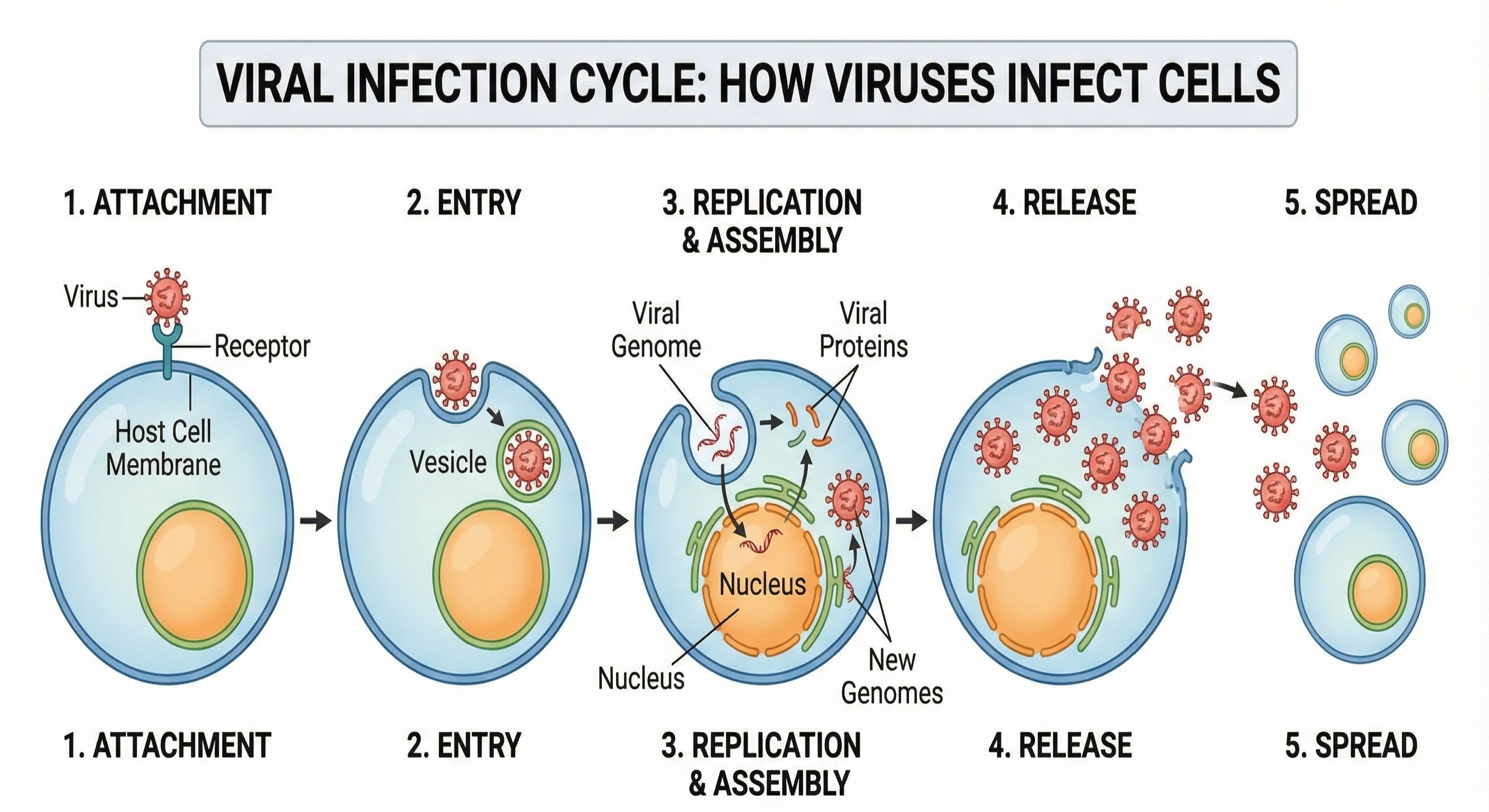
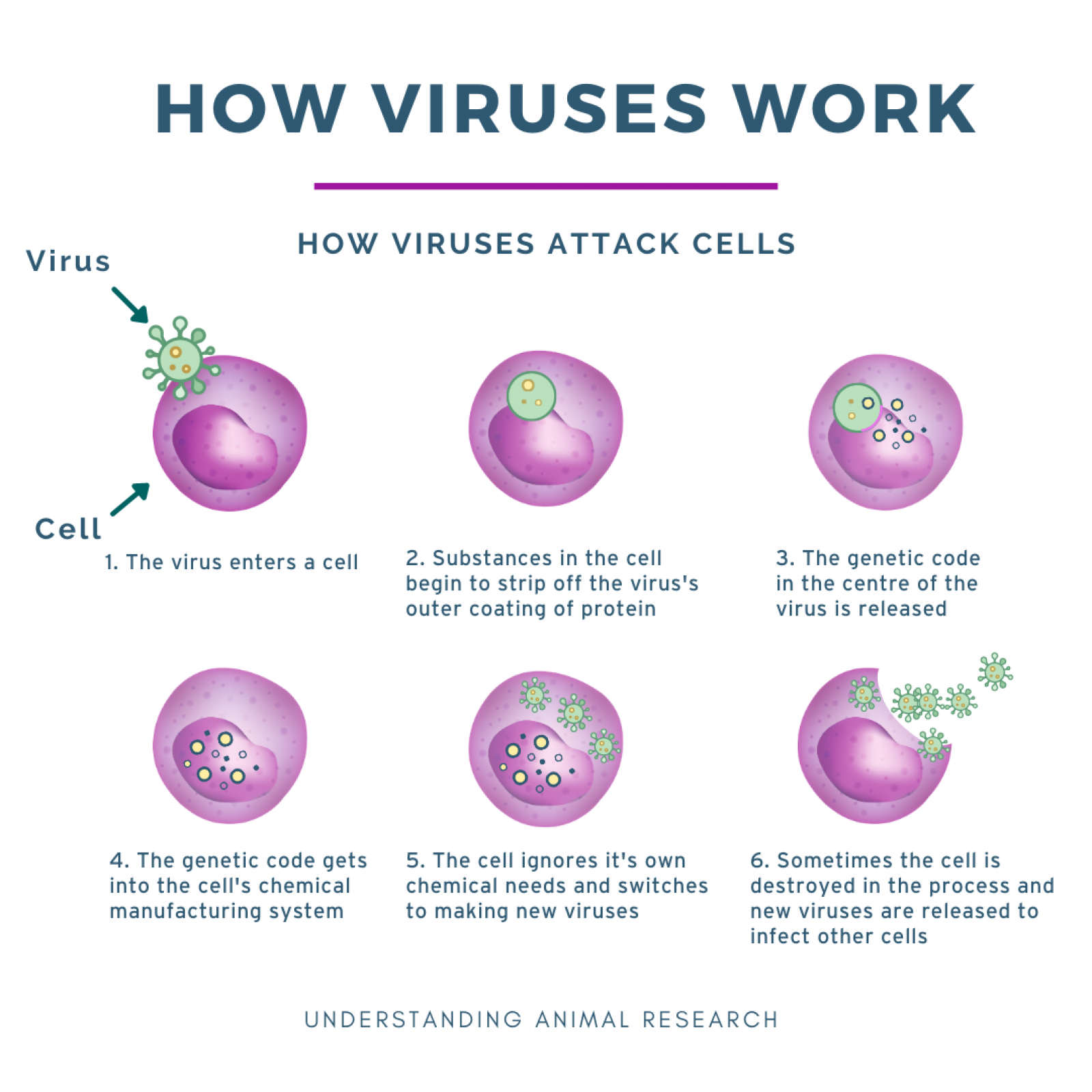
- Attachment and Recognition: The viral surface proteins bind to specific receptor molecules on the exterior membrane of a target host cell, much like a key fitting into a specialized lock.
- Entry and Uncoating: The virus or its genetic material crosses the cell membrane. Once inside, the protective protein capsid breaks down, releasing the viral DNA or RNA directly into the cell's interior.
- Replication and Transcription: The host cell's own cellular machinery—specifically its ribosomes and enzymes—is redirected to read the viral genetic code, producing viral proteins and copying the viral genome.
- Assembly: Newly synthesized viral proteins and genetic material spontaneously bundle together, forming dozens or hundreds of brand-new viral particles inside the infected cell.
- Release: The new viruses exit the cell either by causing the cell membrane to rupture and die (lysis), or by budding off gradually through the membrane, which can weaken the cell over time.
Direct Cellular Damage vs. Immune-Mediated Illness
A common misconception is that the virus itself directly inflicts all the damage you feel when you are sick. In reality, symptoms arise from a combination of direct cellular destruction and the body’s own immunological counter-offensive.
Direct Cytopathic Effects
When viruses hijack host cells, they often cause immediate, localized damage known as cytopathic effects. For instance, the common cold virus (rhinovirus) infects the epithelial cells lining the nasal passages and throat. As thousands of new virus particles burst out of these cells, the cells die and lyse. This destruction compromises the physical barrier of the mucosal tissue, leading to irritation, raw throat tissues, and fluid leakage.
The Immune System Response
Much of the misery associated with viral infections—such as fever, body aches, fatigue, and inflammation—is actually a byproduct of your immune system fighting back. When specialized sentinel cells detect a viral breach, they release signaling proteins called cytokines.
- Fever: Cytokines travel to the brain's hypothalamus and reset the body's internal thermostat. Raising core body temperature helps slow down viral replication while simultaneously boosting the efficiency of white blood cells.
- Inflammation and Mucus: Increased blood flow to infected areas brings immune cells to the fight, causing swelling, heat, and redness. In the respiratory tract, excess mucus production traps pathogens but also causes congestion and coughing.
- Fatigue: The body diverts massive amounts of energy and metabolic resources toward fueling the immune response, leaving the individual feeling exhausted and forcing rest.
Comparison of Viral Pathogens and Disease Mechanics
Different types of viruses target specific organ systems, resulting in distinct symptom profiles. The table below outlines common viral categories and their typical modes of physiological disruption.
| Viral Category | Primary Target Organs | Primary Mechanism of Sickness | Common Clinical Manifestations |
|---|---|---|---|
| Respiratory Viruses (e.g., Influenza, RSV) | Upper and lower respiratory tract | Destruction of epithelial tissue; localized and systemic inflammation | Cough, sore throat, congestion, fever, body aches |
| Enteroviruses (e.g., Norovirus, Enterovirus) | Gastrointestinal tract | Disruption of intestinal lining absorption; local neural irritation | Vomiting, diarrhea, abdominal cramping, nausea |
| Neurotropic Viruses (e.g., Herpes simplex, Rabies) | Central and peripheral nervous systems | Invasion of neural pathways; cell death in nerve tissues | Lesions, neurological dysfunction, encephalitis |
| Systemic Viruses (e.g., Measles, HIV) | Immune cells, skin, multi-organ systems | Depletion of immune cells; widespread inflammatory response | Rashes, systemic fatigue, prolonged vulnerability to secondary infections |
Why Some Viruses Make You Sicker Than Others
The severity of a viral illness depends heavily on several interconnected biological factors. Not all viruses interact with the human body in the same way, and human hosts possess varying degrees of physiological resilience.
Viral Tropism
Viral tropism refers to the specific types of cells and tissues a virus can infect. A virus that targets the superficial layers of the upper respiratory tract generally causes mild, self-limiting discomfort. Conversely, viruses with a tropism for vital organs—such as the heart muscle (myocarditis) or the central nervous system—can cause severe, life-threatening pathology.
Viral Load and Inoculation Dose
The sheer volume of virus particles initially entering the body (the inoculation dose) plays a critical role in disease severity. A higher initial viral load can overwhelm early innate immune defenses before adaptive immunity has time to ramp up, leading to a more aggressive infection course.
Host Immune Status and Prior Exposure
An individual's immunological history dictates how rapidly and effectively they can neutralize a threat. If the immune system has encountered the same virus—or a closely related strain—previously via infection or vaccination, memory T-cells and B-cells recognize the pathogen immediately. They mount a swift counter-offensive, often clearing the virus before significant tissue damage occurs. If the virus is entirely novel, the body takes days to generate tailored antibodies, allowing the virus more time to replicate and cause illness.
Frequently Asked Questions
Can antibiotics cure a viral infection?
No, antibiotics are strictly designed to target bacterial infections by disrupting cell walls or metabolic processes unique to bacteria. Because viruses lack these structures and rely entirely on human host cells to survive, antibacterial drugs have no effect on viral pathogens. Taking antibiotics for a viral illness like a cold or the flu is ineffective and contributes to antibiotic resistance.
How does the body naturally clear a virus?
The body clears a virus through a coordinated multi-tier defense. Initially, innate immune cells attempt to contain the spread through localized inflammation and phagocytosis. Simultaneously, the adaptive immune system generates specific antibodies that bind to viral surface proteins, neutralizing them and preventing them from entering new cells. Finally, cytotoxic T-lymphocytes identify and destroy infected host cells, stopping the virus from manufacturing further copies.
Why do certain viruses stay in the body permanently?
Some viruses, such as herpesviruses or varicella-zoster (the virus that causes chickenpox and shingles), utilize a mechanism called latency. After the initial acute infection subsides, the virus retreats into nerve cells or other immune-privileged sites where it remains dormant, evading detection by the immune system until triggers like stress, UV light, or immune suppression reactivate it.
How do antiviral medications work if they aren't vaccines?
Antiviral drugs do not destroy viruses outright; instead, they inhibit specific stages of the viral replication cycle. For example, some antivirals mimic the building blocks of viral DNA or RNA, tricking the viral enzymes into incorporating faulty pieces that halt replication. Other antivirals block the enzymes viruses need to uncoat or to exit host cells.
Summary and Practical Next Actions
Viruses cause illness by hijacking host cells to replicate, leading to localized cellular destruction and triggering a systemic inflammatory immune response. While mild viral illnesses typically resolve with rest, hydration, and symptomatic care, recognizing the difference between self-limiting infections and severe systemic conditions is vital.
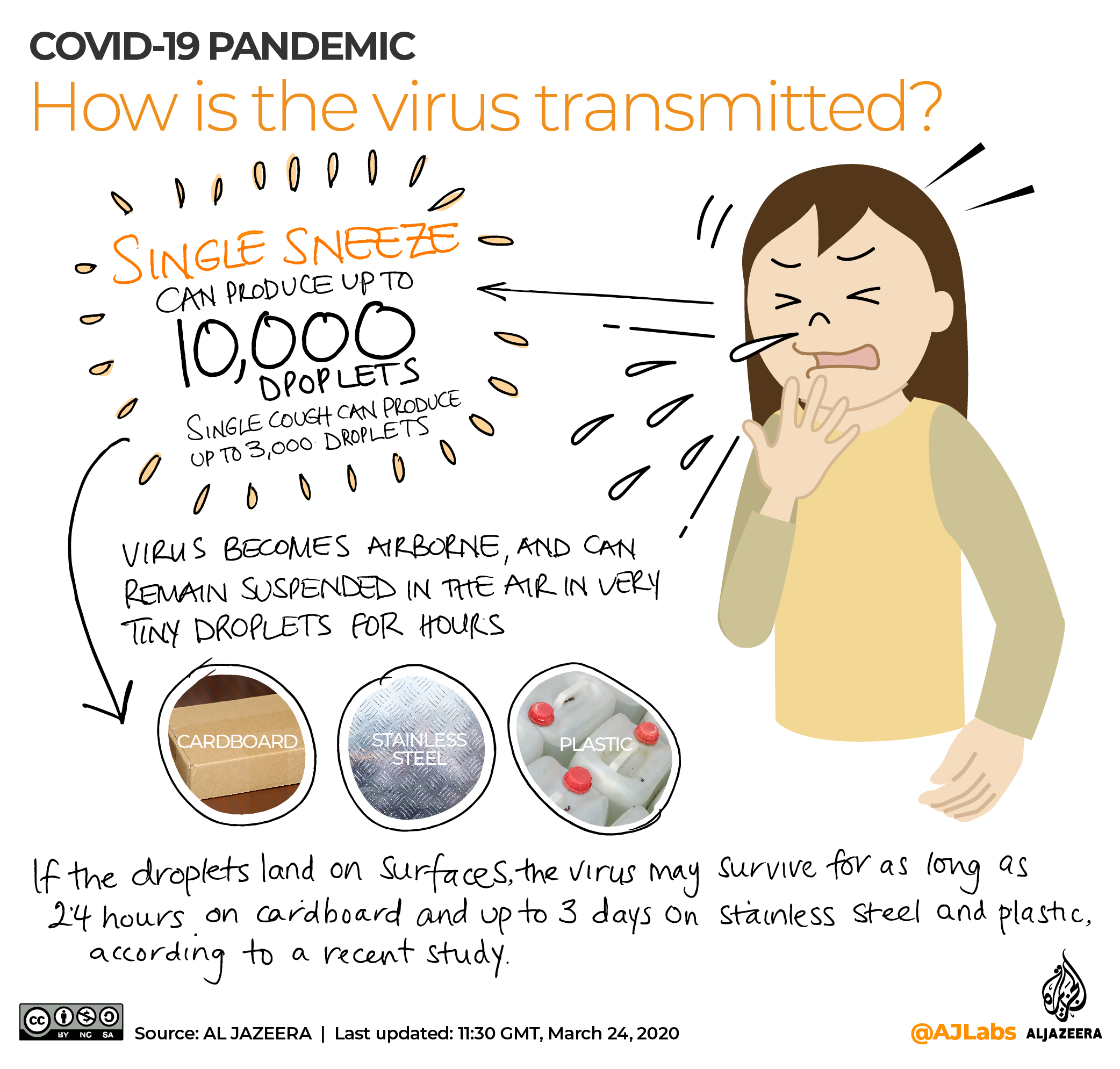
If you or someone you know is experiencing persistent high fevers, severe shortness of breath, confusion, chest pain, or symptoms that worsen rather than improve after several days, seek professional medical evaluation immediately. For routine viral exposures, prioritize adequate sleep, hydration, and isolation protocols where appropriate to support immune function and prevent community transmission.
Image Gallery