The Most Comfy Garden Furniture for Outdoor Lounges
Creating an inviting outdoor lounge requires furniture that balances structural durability with deep, cloud-like comfort, transforming your patio, deck, or garden into a true open-air living room. The most comfy garden furniture for ou...
Creating an inviting outdoor lounge requires furniture that balances structural durability with deep, cloud-like comfort, transforming your patio, deck, or garden into a true open-air living room.
Contents
The most comfy garden furniture for outdoor lounges typically features deep-seating configurations, high-density quick-dry foam cushions, ergonomic backrest angles, and soft-touch weather-resistant upholstery fabrics like Sunbrella or Olefin. Selecting the ideal pieces involves evaluating frame materials, cushion core construction, and maintenance requirements to ensure long-term relaxation without sacrificing weather resilience.
Understanding the Anatomy of Outdoor Comfort
Achieving indoor-level comfort in an outdoor environment is a relatively recent design evolution. Traditional garden furniture often prioritized rigid aluminum or sparse wicker arrangements designed primarily for dining rather than extended lounging. Modern outdoor lounges borrow principles from interior upholstery engineering, shifting focus toward deep seating, ergonomic support, and tactile luxury.
True outdoor comfort begins with proportions. Standard dining chairs feature a seat depth of 18 to 20 inches and an upright posture. In contrast, comfortable lounge furniture demands seat depths of 24 to 30 inches, allowing users to draw up their legs or recline comfortably. Backrest angles are equally critical; a pitch of 100 to 110 degrees supports the natural lumbar curve, preventing the strain associated with overly upright or dangerously slack seating positions.
Furthermore, thermal comfort dictates how "comfy" a piece feels over time. Materials that absorb excessive heat under direct sunlight or trap moisture can ruin an outdoor experience. The most comfortable setups integrate breathable mesh suspensions beneath plush cushions, maintaining airflow and preventing the humid, sticky sensation often caused by lower-quality synthetic seating bases.
Core Components: Frames, Cushions, and Fabrics
When evaluating outdoor lounge furniture, every layer of construction dictates the overall experience. A poor internal frame leads to sagging, while inferior foam causes permanent compression and water retention.
Frame Materials and Support Systems
The foundation of any lounge set must be structurally sound while remaining lightweight or corrosion-resistant.
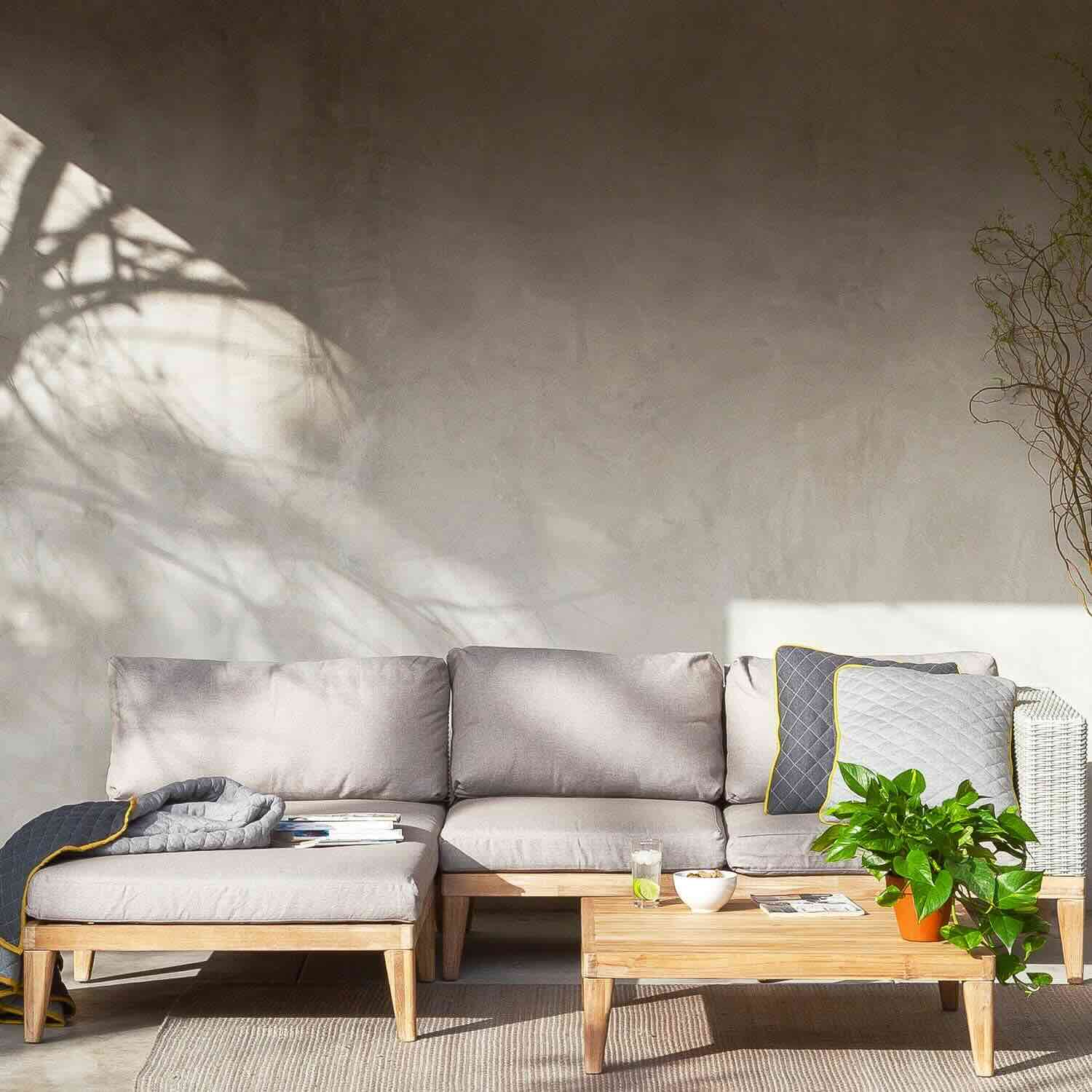
- Powder-Coated Aluminum: Offers lightweight durability and complete rust immunity. It serves as an ideal hidden frame for modular deep-seating sofas.
- Teak and Hardwoods: Provide natural warmth, substantial weight against high winds, and a solid aesthetic. Premium teak contains natural oils that resist rotting, though it requires periodic sealing to maintain its golden color.
- All-Weather Wicker (Resin): High-density polyethylene (HDPE) synthetic fibers hand-woven over metal frames. Unlike natural rattan, HDPE withstands UV radiation and moisture fluctuations without cracking.
Cushion Engineering
Cushions separate mediocre garden chairs from exceptional outdoor lounges. High-end manufacturers utilize multi-layer construction. The core typically consists of high-resilience (HR) polyurethane foam or pocketed coil springs wrapped in softer Dacron fiber.
To combat rain and humidity, high-end pieces employ reticulated open-cell foam. This specialized foam features a porous, sponge-like structure that allows water to drain rapidly rather than acting as a sponge, preventing mold growth and unpleasant odors after summer storms.
Performance Upholstery Fabrics
The fabric encasing the cushions must feel soft against bare skin while enduring harsh ultraviolet rays, chlorine, and bird droppings.
- Solution-Dyed Acrylic (e.g., Sunbrella): Pigment is added during the liquid acrylic stage before fibers are extruded, ensuring color penetrates to the core. It resists fading, mildew, and staining.
- Olefin (Polypropylene): A lightweight, highly durable synthetic fiber that dries extremely quickly and offers excellent resistance to chemical degradation and moisture.
Comparing Outdoor Lounge Furniture Categories
Different architectural layouts and relaxation styles demand specific furniture configurations. The table below compares the primary categories of comfortable garden lounge furniture to help match specific spaces and comfort preferences.
| Furniture Category | Best For | Typical Configuration | Comfort Level | Maintenance Requirements |
|---|---|---|---|---|
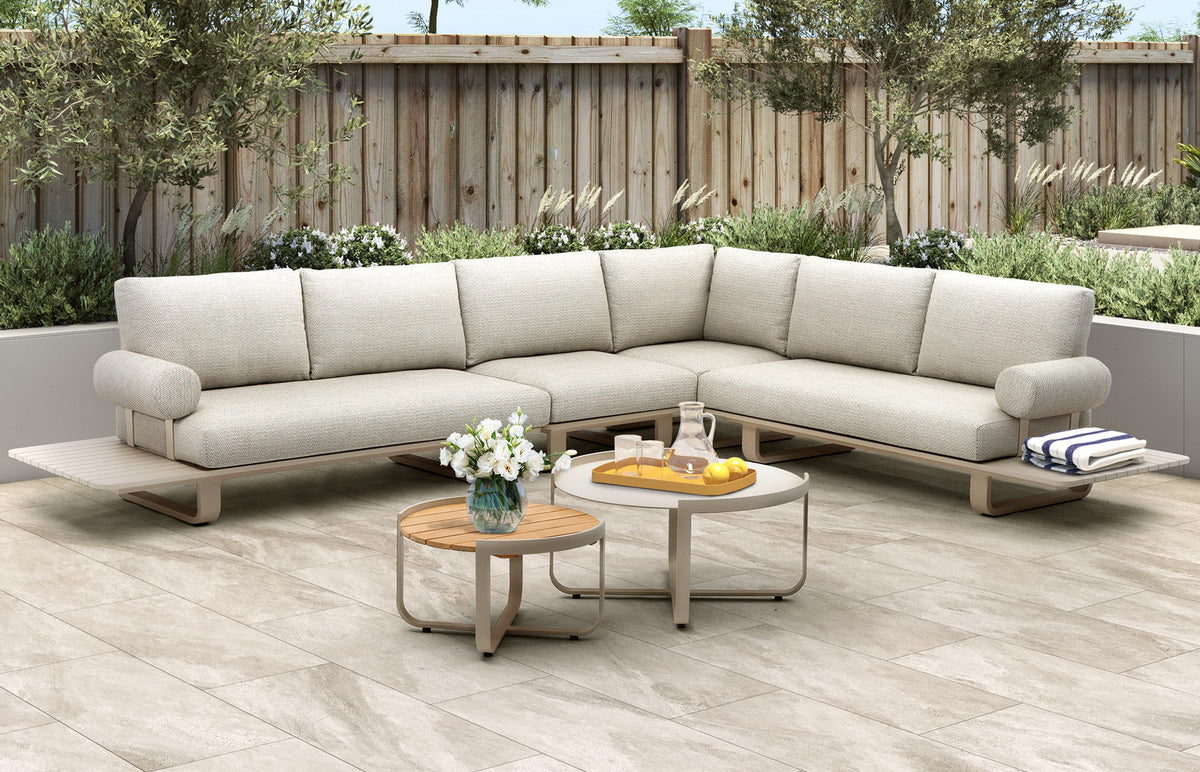
| Modular Sectionals | Large families, open patios, sprawling decks | Corner pieces, armless units, chaise lounges | Ultra-high (allows sprawling) | Medium (multiple cushion covers to wash) |
| Deep-Seating Club Chairs | Reading, intimate conversation areas, smaller balconies | Single armchair with matching ottoman | Very High (ergonomic support) | Low to Medium (fewer components) |
| Daybeds & Cabanas | Ultimate relaxation, poolside lounging, sunbathing | Circular or rectangular enclosed/open platform beds | Maximum (horizontal lounging) | High (requires protective covers during rain) |
| Hanging Egg Chairs | Cozy nooks, small gardens, modern aesthetic accents | Suspended cocoon frame with a single plush cushion | High (gentle swinging motion) | Low (easy to store or cover cushions) |
Key Factors When Selecting Your Outdoor Lounge Set
Selecting the right furniture requires balancing aesthetic preferences with practical environmental constraints. Ignoring regional climate factors or spatial limitations often leads to premature wear or awkward layouts.
Climate and Weather Resilience
If you reside in a coastal region with high salt spray, unsealed iron or low-grade stainless steel frames will corrode rapidly; marine-grade aluminum or high-grade teak is essential. In areas subject to heavy winter frost and snow, furniture must either be compact enough to store indoors or resilient enough to withstand freezing temperatures without expanding and cracking. Synthetic wicker must be UV-stabilized; otherwise, intense sunlight will cause the strands to become brittle and snap within two to three seasons.
Spatial Planning and Proportion
A common mistake in outdoor design is underestimating scale. Oversized modular sectionals can easily overwhelm a compact urban balcony, restricting movement paths. Conversely, diminutive bistro sets look lost on a sprawling stone terrace. Always measure your usable patio space, ensuring a clearance of at least 30 to 36 inches around the lounge set for comfortable foot traffic and unobstructed door swings.
Maintenance and Storage Realities
Even the most advanced "all-weather" furniture benefits from basic upkeep. Solution-dyed acrylic covers can be spot-cleaned with mild soap and water, but neglecting seasonal deep cleaning allows organic debris to break down fabric coatings. Consider whether you have a dedicated shed, garage, or dry storage box for cushions during extended wet seasons, or invest in custom-fitted, breathable furniture covers secured with drawstrings.
Frequently Asked Questions
What is the most durable yet comfortable material for outdoor cushions?
The gold standard for outdoor comfort is a combination of reticulated quick-dry foam wrapped in Dacron batting, encased in solution-dyed acrylic fabric like Sunbrella. This combination prevents water retention, resists mold, and maintains its loft and softness for years under direct exposure to the elements.
How do I prevent outdoor lounge cushions from getting moldy?
Mold thrives on trapped moisture and organic dirt. To prevent it, choose open-cell reticulated foam cushions that drain quickly, brush off loose debris weekly, and wash removable cushion covers seasonally with a mild solution of dish soap and warm water. Always store cushions in a dry deck box or indoor space during prolonged rainy periods.
Can modular outdoor sectionals be rearranged?
Yes. Most high-end modular outdoor sectionals consist of individual armless chairs, corner units, and ottomans that connect underneath using discreet clips or brackets. This allows you to reconfigure the layout from an L-shape into a straight sofa or facing loungers depending on your entertaining needs.
How often should outdoor teak furniture be treated?
Untreated teak naturally weathers to an elegant silvery-gray patina over time without losing its structural integrity. If you prefer to maintain the original honey-brown color, apply a specialized teak oil or sealer once or twice a year, thoroughly cleaning the wood before application.
Are hanging egg chairs comfortable for long periods?
Hanging egg chairs provide exceptional ergonomic support for reading or relaxing due to their cocoon-like shape and suspended motion. However, because they typically feature a single deep cushion rather than a flat seating plane, they are better suited for casual lounging rather than extended social gatherings.
Strategic Next Steps
Transforming your outdoor space into a comfortable retreat begins with auditing your physical area, measuring exact dimensions, and prioritizing how you intend to use the space—whether for quiet solo reading or hosting large groups. Test seating ergonomics in person whenever possible to verify seat depth and cushion density before committing to a full sectional suite. Protect your investment by planning for seasonal cushion storage or securing tailored, heavy-duty protective covers.
Image Gallery