Understanding the Development and Conservation of Clouded Leopard Cubs
Clouded leopard (Neofelis nebulosa) cubs represent one of the most elusive and biologically fascinating subjects in feline conservation. Born into a high-mortality environment, these small, spotted kittens require specialized maternal...
Clouded leopard (Neofelis nebulosa) cubs represent one of the most elusive and biologically fascinating subjects in feline conservation. Born into a high-mortality environment, these small, spotted kittens require specialized maternal care and specific environmental conditions to survive. Conservation efforts in 2026 focus heavily on ex-situ breeding programs and habitat protection to ensure the viability of this vulnerable species.
Contents
Taxonomic Identity and Biological Classification
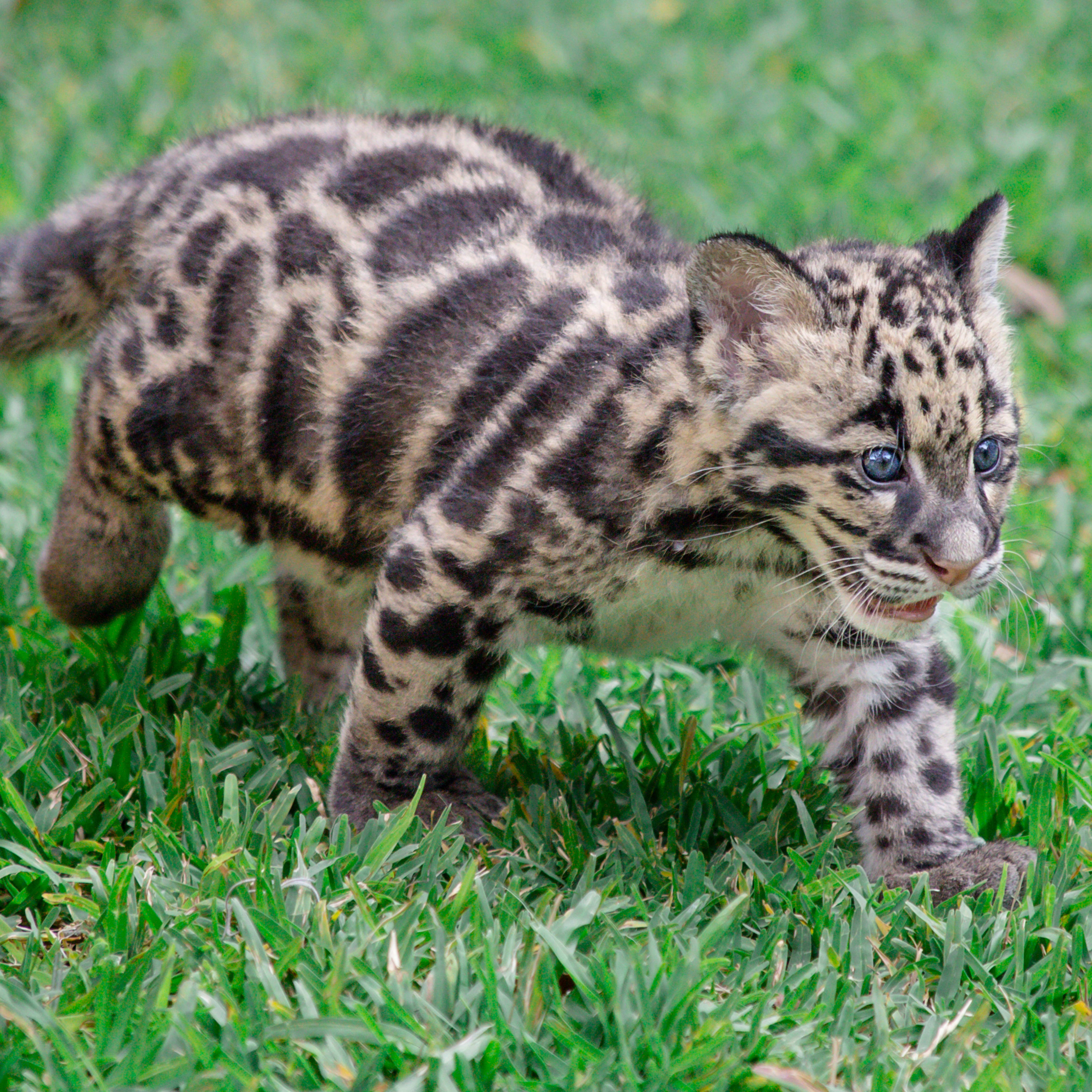
The clouded leopard is not a direct relative of the common leopard (Panthera pardus). Taxonomically, it sits in a unique evolutionary position between the small cats and the big cats. This distinction is evident from birth. Clouded leopard cubs display the characteristic "cloud" markings—large, dark, irregular blotches with lighter centers—that give the species its name. Unlike larger felines, their gestation period is relatively long, typically lasting between 85 and 93 days, which results in highly developed, albeit small, altricial young.
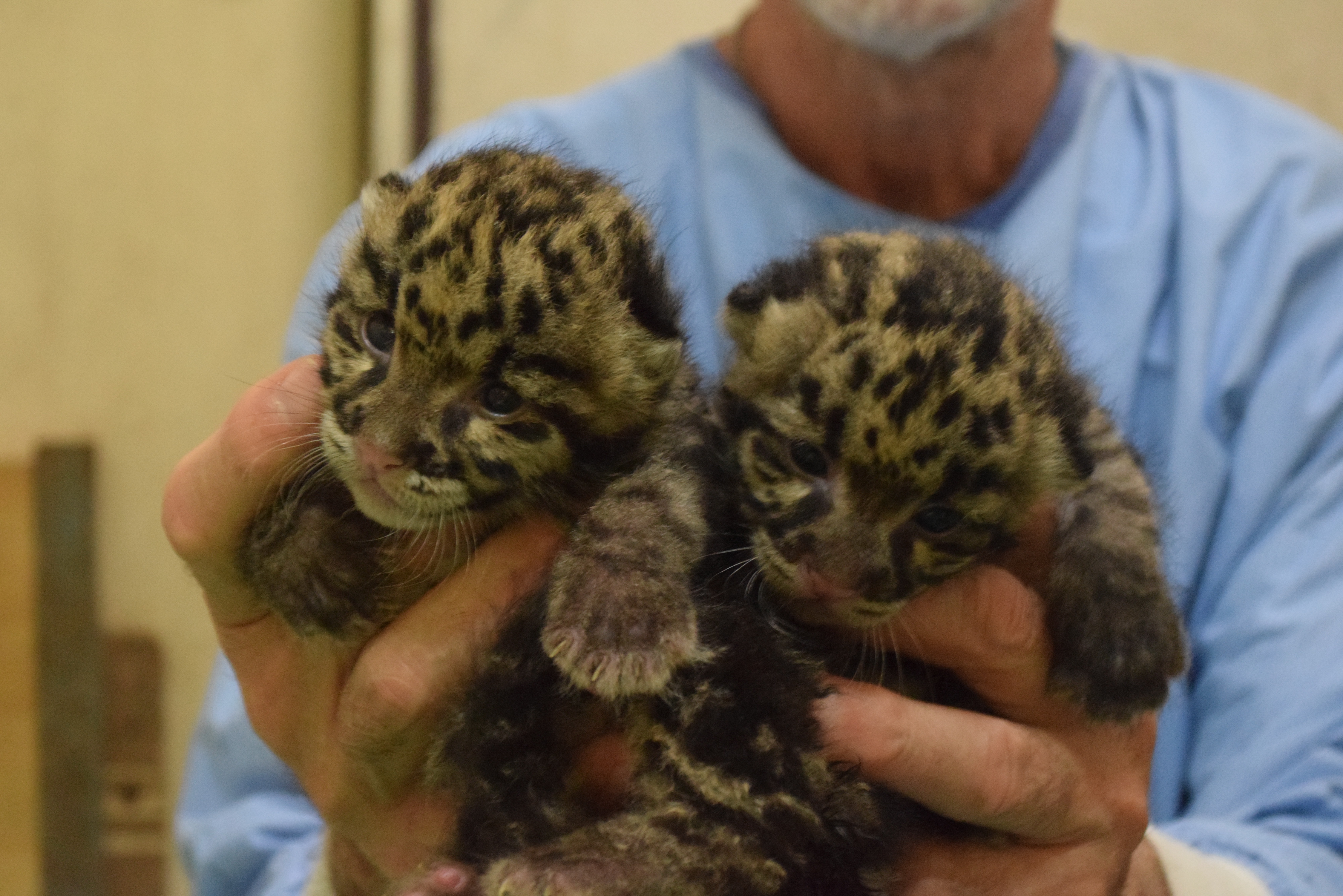
At birth, cubs weigh between 150 and 280 grams. Their eyes remain closed for approximately 10 to 12 days, during which they are entirely dependent on the female for warmth and nourishment. The development of their dental structure and specialized climbing abilities begins within the first few weeks, reflecting their evolution as arboreal hunters within the dense, humid forests of Southeast Asia and parts of the Himalayas.
Early Developmental Milestones
The maturation process of a clouded leopard cub is defined by rapid physical growth and the acquisition of complex survival skills. By the time a cub reaches four weeks of age, it begins to transition toward a diet of solid food, though nursing continues for several months.
- 0–2 Weeks: Cubs are blind and rely on tactile stimulation and scent. Mortality rates are highest during this window due to hypothermia or insufficient maternal milk production.
- 3–6 Weeks: Cubs gain motor control and begin navigating the forest floor or elevated nesting sites. They exhibit early "play" behaviors, which are essential for developing the coordination needed for their future life in the canopy.
- 6–12 Weeks: Weaning begins. During this phase, the mother introduces the cubs to raw meat. Socialization with the mother is crucial, as the cubs learn the behavioral cues required for solitary living.
- 6–9 Months: Cubs reach a size where they can effectively hunt small prey independently, though they often remain in the mother’s territory for up to two years.
Challenges in Captive Breeding and Care
One of the most significant hurdles in studying clouded leopard cubs is the high rate of female aggression toward males in captivity, which historically led to poor breeding success. Modern zoo management, particularly in institutions participating in the Species Survival Plan (SSP), has mitigated this by pairing individuals at a very young age, allowing them to grow up together and form stable social bonds.
When captive birth occurs, veterinary staff must monitor the neonates for signs of respiratory distress or nutritional deficiency. Unlike domesticated felines, clouded leopards are highly sensitive to human contact; excessive handling can disrupt the mother-infant bond, often leading the mother to abandon or kill the cubs. Consequently, remote monitoring via infrared cameras is the current standard in 2026 to ensure the safety of the litter while minimizing human interference.
Comparative Development: Clouded Leopard vs. Other Felines
| Feature | Clouded Leopard | Snow Leopard | Domestic Cat |
|---|---|---|---|
| Gestation (days) | 85–93 | 90–100 | 63–65 |
| Birth Weight (g) | 150–280 | 350–550 | 80–120 |
| Arboreal Reliance | Very High | Low | Moderate |
| Sexual Maturity | 24–30 months | 24–36 months | 6–12 months |
This table illustrates that while the gestation length of a clouded leopard is comparable to the snow leopard, their birth weight is significantly lower, reflecting an evolutionary trade-off for the ability to function effectively in dense tropical canopy environments rather than rugged mountainous terrain.
The Role of Genetic Diversity and Conservation
In the wild, the fragmentation of tropical forest habitats has isolated populations, creating genetic bottlenecks. This isolation directly impacts the health of offspring. Cubs born in populations with low genetic diversity may suffer from congenital health issues or weaker immune responses. Conservationists prioritize the maintenance of "wild corridors," which allow adult clouded leopards to travel between isolated pockets of forest to find mates, ultimately ensuring that subsequent generations of cubs possess the genetic robustness required for long-term species survival.
Organizations such as the Clouded Leopard Project and various regional zoological societies utilize studbooks to track the lineage of captive individuals. By 2026, the use of advanced reproductive technology, including cryopreservation of gametes, provides a secondary safety net, though the primary focus remains on protecting the natural nesting sites in countries like Thailand, Malaysia, and Indonesia.
Nutritional Requirements and Health Monitoring
Proper nutrition is the cornerstone of healthy growth for these cats. In the wild, the mother provides a variety of small mammals, birds, and occasionally reptiles, ensuring a broad nutrient intake. In a managed care setting, diets must replicate this diversity. If a cub is hand-reared due to maternal rejection—a rare but difficult scenario—the nutritional formula must be carefully calibrated.
Veterinary researchers observe that metabolic bone disease is a significant risk for cubs raised in captivity if calcium and phosphorus levels are not strictly managed. Routine blood panels and physical exams are performed when the cubs are sedated for health checks, usually beginning at the eight-week mark, to identify early signs of developmental issues.
Frequently Asked Questions
Why are clouded leopard cubs so rarely seen in the wild? Clouded leopards are nocturnal, shy, and inhabit extremely dense, inaccessible rainforest canopies. Their camouflaged coats further allow them and their cubs to blend into the dappled sunlight, making detection nearly impossible for researchers without advanced telemetry or camera traps.
Can clouded leopard cubs be domesticated? No. Clouded leopards are wild animals with specialized behavioral and environmental needs that cannot be met in a domestic setting. Furthermore, the species is protected under international law, and their trade is strictly regulated to prevent the depletion of wild populations.
How long do cubs stay with their mothers? Cubs typically stay with their mothers for approximately 18 to 24 months. During this time, they learn how to navigate the complex, three-dimensional forest structure, identify prey species, and master the art of silent stalking.
What is the primary cause of mortality for wild cubs? The primary threats are habitat loss, which limits the mother's ability to hunt and provide, and poaching. Human encroachment into forest areas often leads to increased stress on mothers, which can result in the abandonment of their litters.
How does climate change impact their development? Climate change alters the humidity and temperature profiles of their forest habitats. This can disrupt the prey cycles upon which mothers depend to provide adequate nutrition to their cubs. Shifts in rainfall patterns also impact the tree-dwelling behaviors of the species, potentially forcing them into less suitable areas.
Recommendations for Further Engagement
For those interested in the preservation of this species, supporting reputable conservation organizations that focus on in-situ habitat protection is the most effective action. By funding the protection of corridors and supporting local community outreach programs that discourage the poaching of forest prey, individuals contribute directly to the successful rearing of wild clouded leopard cubs. Ensure that any information sought comes from accredited zoological databases or peer-reviewed conservation journals to verify the authenticity of the research presented.
Image Gallery