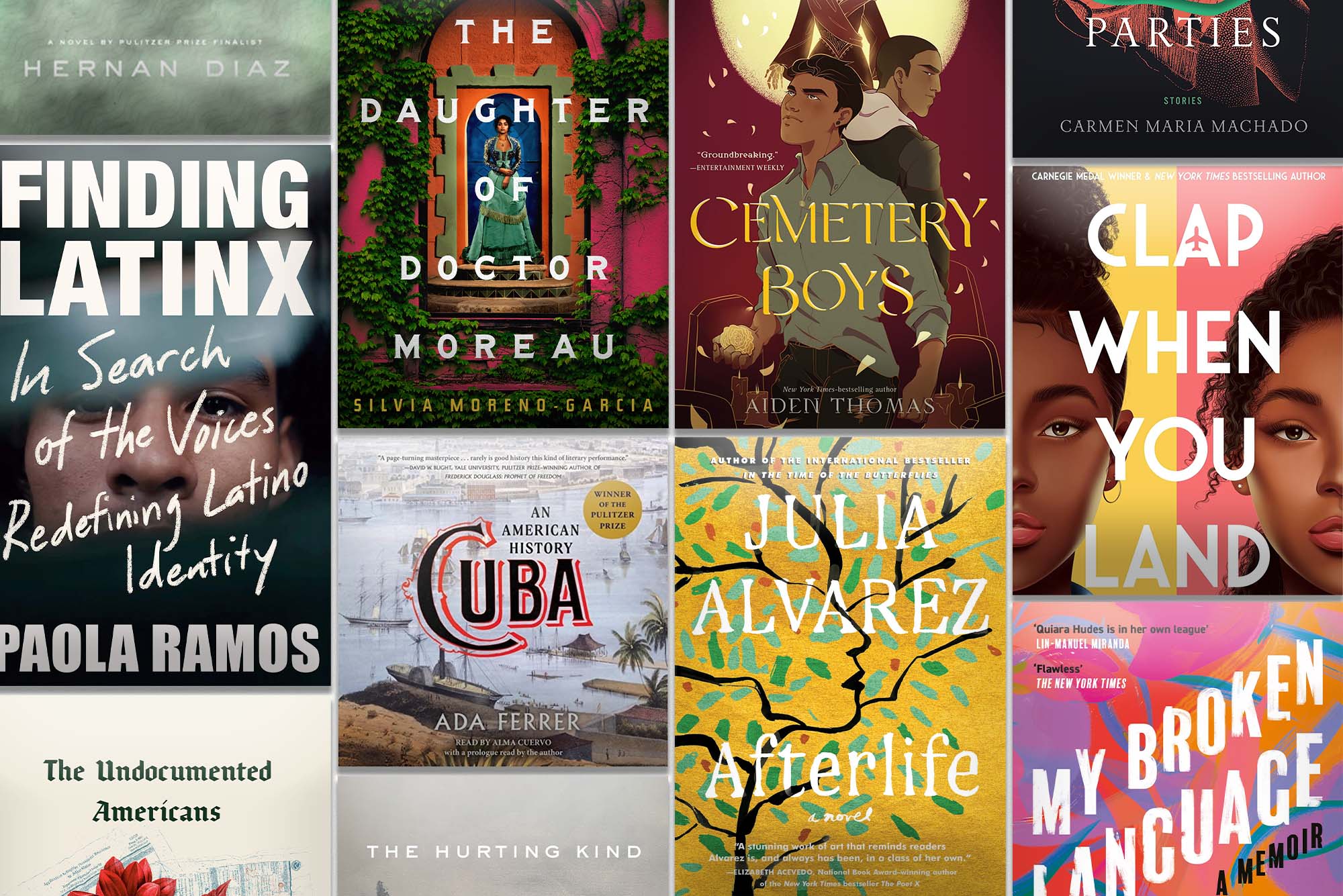
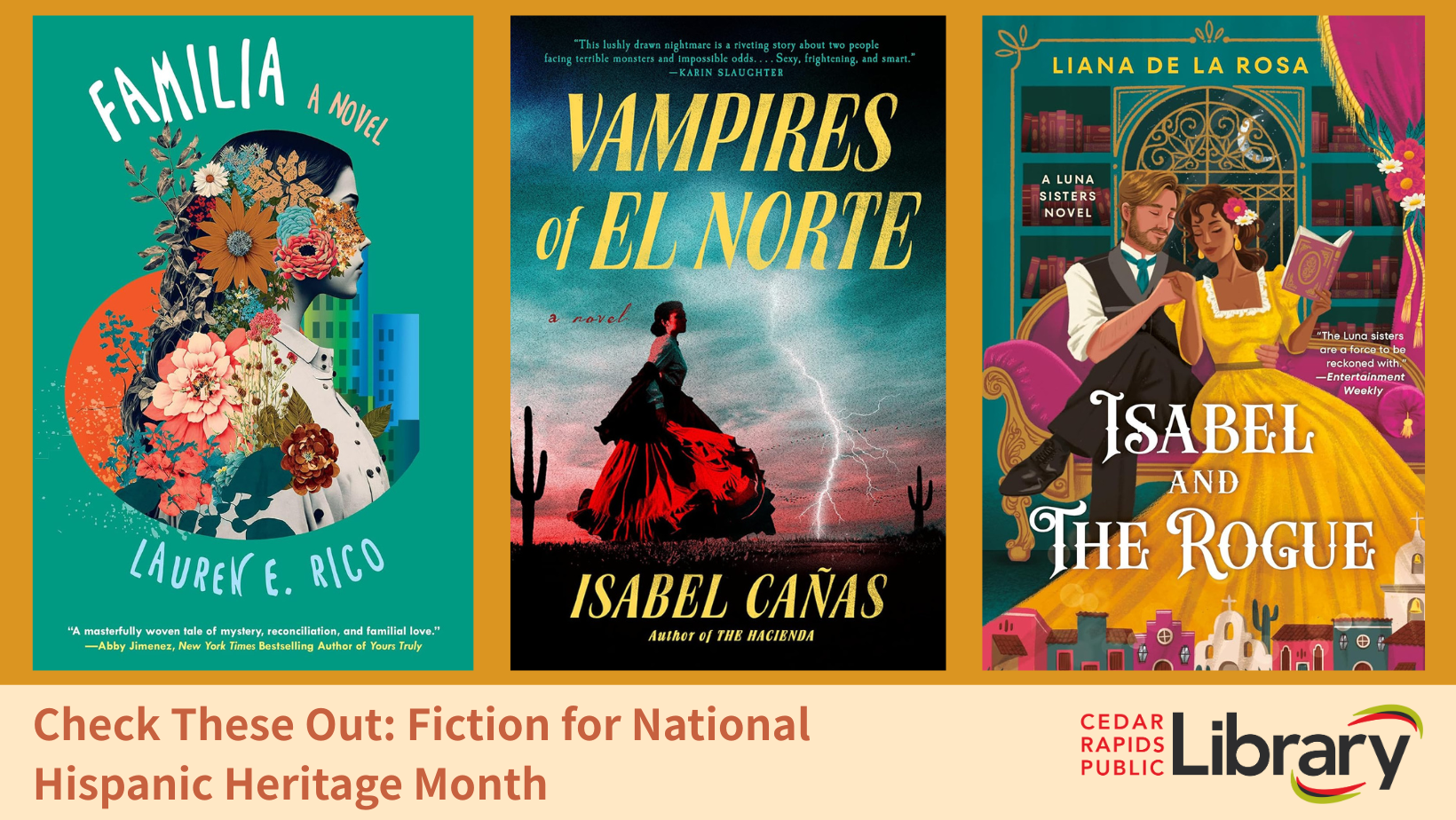
Curating an Essential Collection of Books About Hispanic Heritage Month
Building a library for Hispanic Heritage Month, which spans from September 15 to October 15 each year, requires a nuanced approach that bridges historical documentation, cultural identity, and contemporary literary achievement. Selecti...
Building a library for Hispanic Heritage Month, which spans from September 15 to October 15 each year, requires a nuanced approach that bridges historical documentation, cultural identity, and contemporary literary achievement. Selecting the right books involves balancing foundational historical texts that explain the legislative origins of the month with diverse narratives that highlight the breadth of experiences within Hispanic and Latinx communities. By prioritizing authentic voices and verified historical context, readers can construct a meaningful collection that fosters deeper cultural appreciation and educational engagement throughout the designated observance period.
Contents
Understanding the Historical and Cultural Scope
Hispanic Heritage Month is not merely a single celebratory event; it is a federally recognized period that honors the histories, cultures, and contributions of American citizens whose ancestors came from Spain, Mexico, the Caribbean, and Central and South America. The observance began in 1968 as Hispanic Heritage Week under President Lyndon B. Johnson and was expanded by President Ronald Reagan in 1988 to cover a 30-day period.
When selecting books to observe this period, it is helpful to categorize reading material into three pillars: historical context, biographical accounts, and contemporary fiction. Historical works provide the necessary foundation for understanding why the period starts on September 15—a date significant for the anniversaries of independence for Costa Rica, El Salvador, Guatemala, Honduras, and Nicaragua, followed shortly by Mexico, Chile, and Belize.
Strategies for Selecting High-Value Literature
An effective approach to curating this collection relies on verifying the author’s background and the subject’s authenticity. A common mistake is focusing exclusively on generalized overviews. Instead, target works that delve into specific sub-cultures, regional histories, or unique personal narratives.
Essential Reading Categories
- Historical Non-Fiction: These titles analyze the legal, political, and social developments of Hispanic communities in the United States. Look for works that document the Chicano Movement, the labor struggles of the United Farm Workers, and the evolving demographics of the 20th and 21st centuries.
- Literary Fiction and Poetry: Novels and anthologies offer a humanizing perspective on the immigrant experience, the complexities of dual identity, and the preservation of language.
- Biographical and Memoir-Based Works: These narratives provide the primary-source feel of lived experience, grounding broad historical trends in the reality of individual lives.
Comparative Overview of Literary Genres
Selecting literature across different formats ensures that a collection remains balanced and accessible to various audiences. The following table highlights the characteristics of different genres that contribute to a comprehensive understanding of Hispanic heritage.
| Genre | Primary Value | Ideal For |
|---|---|---|
| Historical Monographs | Provides rigorous, peer-reviewed context. | Serious students and researchers. |
| Memoirs | Offers intimate, first-hand perspectives. | General readers seeking personal connection. |
| Anthologies | Presents diverse voices in one volume. | Broad overviews and discovering new authors. |
| Contemporary Novels | Explores cultural identity through narrative. | Leisure reading and empathy-building. |
Addressing Nuance and Linguistic Diversity
A significant aspect of Hispanic heritage is the inherent diversity of language and regional identity. Many important works are available in both Spanish and English, or are written in a mix of both. When building your collection, prioritize titles that respect these linguistic realities. Avoid collections that attempt to flatten the "Hispanic experience" into a monolith. The experience of a Cuban American in Florida, for instance, is distinct from that of a Mexican American in the Southwest or a Puerto Rican in New York. Books that capture these regional differences offer far greater utility than those that rely on broad stereotypes.
Furthermore, consider the accessibility of the text. Academic texts regarding labor rights or civil rights legislative history require a higher baseline of knowledge, whereas contemporary memoirs or children's literature with strong cultural themes can serve as excellent entry points for broader audiences.
Avoiding Common Selection Errors
The most common mistake when curating for Hispanic Heritage Month is relying on "curated lists" found on retail sites that prioritize marketing trends over historical or literary substance. To avoid this, utilize library catalogs and university press databases. Check for reviews from reputable literary organizations such as the American Library Association or recognized academic journals that focus on Latinx studies.
Ensure that the works you choose are not outdated in their terminology or factual claims. As of 2026, historiography in this field has advanced significantly, with newer research often providing a more nuanced view of civil rights struggles and international relations. When considering older titles, look for updated editions that include contemporary introductions or postscripts from the authors, which often provide critical context missing from the original publication.
Curating for Diverse Age Groups
A well-rounded collection should be intergenerational. If you are curating for a family or an educational setting, include a mix of picture books, young adult (YA) novels, and adult non-fiction.
For younger readers, prioritize books that emphasize cultural traditions, food, and family history. For young adults, look for narratives that handle complex themes of migration, identity, and the intersection of heritage and modern life. Adult readers can benefit from deeper dives into economic, social, and political histories. By layering these levels of engagement, you ensure that the materials remain useful and relevant regardless of the reader's current level of understanding.
Frequently Asked Questions
What are the official dates for Hispanic Heritage Month? Hispanic Heritage Month is observed annually from September 15 to October 15. The start date coincides with the independence anniversaries of several Latin American nations, while the period extends into mid-October to include other regional observances.
Are there specific criteria for what constitutes a "Hispanic" author or subject? There is no singular, restrictive criterion. Generally, literature under this umbrella includes works by authors of Hispanic, Latinx, or Chicano heritage, or works that focus substantively on the histories, cultures, or experiences of these groups in the Americas.
How do I verify the accuracy of a historical book about Hispanic culture? Check the author's credentials, the publisher’s reputation, and whether the book has been reviewed in academic journals. Favor works that include bibliographies, source notes, or an appendix, as these demonstrate rigorous research methods.
Should I prioritize books in Spanish or English? The choice depends on the intended audience. For the most inclusive collection, look for bilingual editions or include a mix of both languages. Many significant literary contributions are written originally in Spanish and subsequently translated, so check for high-quality translations.
Can I find these books through public libraries? Yes. Most public and academic libraries have dedicated sections for Hispanic and Latinx studies. If a specific title is not in your local branch, inquire about interlibrary loan services, which can often source specialized volumes from larger research institutions.
Recommendations for Next Steps
To begin your curation, start by identifying one area of specific interest—such as the history of labor movements in the mid-20th century or contemporary literary fiction—and search for three highly-rated, independently reviewed titles in that category. Visit the website of a university library or a reputable cultural institution to browse their archived reading lists for Hispanic Heritage Month. Once you have a core list, compare these titles against available formats (e.g., e-books, physical copies, audiobooks) to ensure they are accessible for your intended use. For those looking to support authentic scholarship, prioritizing purchases directly from independent publishers or specialized Latinx presses is an effective way to sustain the production of high-quality, culturally significant literature.
Image Gallery