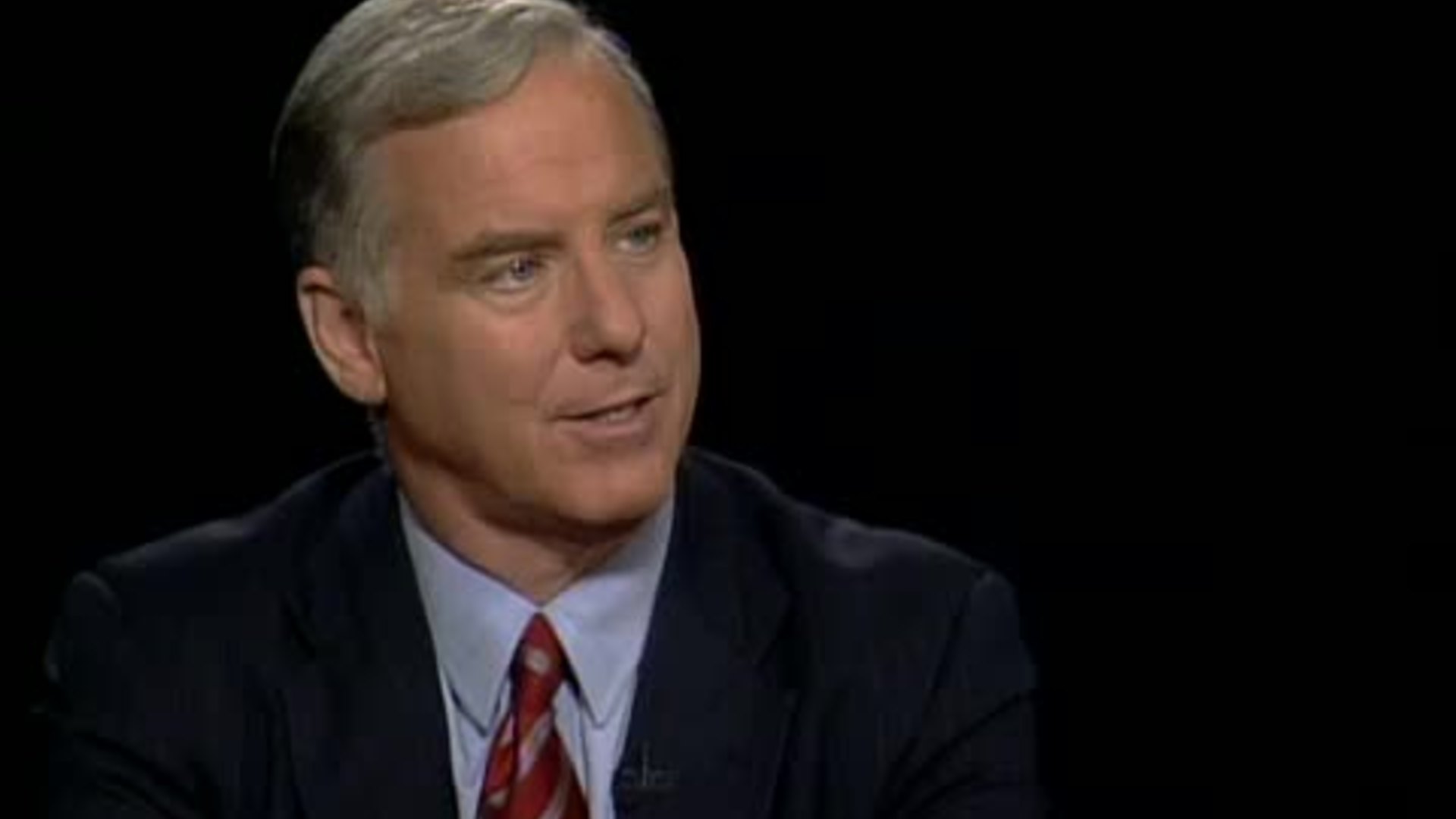
Understanding the Financial Profile and Net Worth of Howard Dean
Howard Dean, the former Governor of Vermont and a prominent figure in American national politics, has maintained a multifaceted career that spans medicine, public service, political consulting, and corporate advocacy. As of 2026, estim...
Howard Dean, the former Governor of Vermont and a prominent figure in American national politics, has maintained a multifaceted career that spans medicine, public service, political consulting, and corporate advocacy. As of 2026, estimates of Howard Dean’s net worth generally range between $5 million and $10 million. This wealth is not the product of a single industry, but rather a culmination of decades spent navigating the intersection of private medical practice, gubernatorial salary, high-profile political campaigning, and his subsequent career as a lobbyist and consultant.
Contents
Career Background and Revenue Streams
To understand Howard Dean’s financial standing, one must examine the diverse phases of his professional life. Dean began his career as an internist, a profession that historically provides a stable and significant income. His entry into politics in the 1980s as a Vermont State Representative and later as Lieutenant Governor transitioned him into the public sector, where compensation, while honorable, is significantly lower than that of his medical practice.
However, it was his tenure as the Governor of Vermont from 1991 to 2003 that elevated his national profile. Following his 2004 presidential campaign, Dean transformed his brand into that of a political strategist. His role as the Chairman of the Democratic National Committee (DNC) from 2005 to 2009 further solidified his position in the Washington establishment.
Following his time at the DNC, Dean joined the law firm McKenna Long & Aldridge, which later merged with Dentons, one of the world's largest law firms. His transition from public official to a senior advisor and consultant for corporate interests represents the most significant phase of his wealth accumulation. In Washington, D.C., the move from government to the private sector—often referred to as the "revolving door"—frequently involves substantial increases in compensation due to the value of a former official's institutional knowledge and network.
The Role of Corporate Consulting and Advocacy
A substantial portion of Howard Dean’s financial growth can be attributed to his work as an independent consultant and senior advisor at major legal and lobbying entities. Firms like Dentons specialize in providing strategic advice to healthcare, pharmaceutical, and technology clients—sectors where Dean possesses both medical and political expertise.
While specific annual compensation packages for high-level political consultants are rarely public, the industry standard for senior advisors with high-level government experience involves high six-figure or seven-figure annual retainers. Dean’s work has frequently focused on policy analysis and advocacy, which leverages his unique background to bridge the gap between complex regulatory environments and private corporate objectives.
Asset Composition and Financial Stability
While details of individual investment portfolios are private, individuals in Dean’s professional bracket typically maintain diversified holdings that include:
- Real Estate: Dean has maintained long-term property interests in Vermont, a state where he has held deep ties for decades. Real estate in Northern New England, while varied, provides long-term equity growth.
- Retirement and Pension Accounts: As a former Governor, Dean is eligible for state retirement benefits. These government-sponsored plans often provide a reliable baseline of income that persists throughout retirement, augmenting his private-sector earnings.
- Investment Portfolios: Through decades of professional earnings, his capital has likely been allocated across standard diversified investment vehicles, such as equities, bonds, and managed mutual funds, which are standard for high-earning professionals.
Financial Comparison: Then and Now
The transition from a practicing physician to a national political figure and then to a corporate consultant marks a significant evolution in financial profile. The following table provides a conceptual overview of how these distinct phases impact wealth accumulation and professional status.
| Career Phase | Primary Focus | Income Driver | Financial Growth Potential |
|---|---|---|---|
| Physician (1980s) | Clinical Medicine | Salary/Practice Revenue | Moderate (Professional) |
| Governor (1991–2003) | Public Administration | State Salary | Low (Fixed) |
| National Political Figure | Campaigning/DNC | Honorariums/Stipends | Moderate (High Visibility) |
| Corporate Consultant (2010–Present) | Strategic Advocacy | Retainers/Consulting Fees | High (Private Market) |
Legal and Ethical Considerations in Wealth Generation
It is important to note that Howard Dean’s professional activities are governed by the Lobbying Disclosure Act (LDA) and various ethics rules for former officials. When former government figures work for firms that represent large corporations, their activities must be transparently reported if they meet the threshold for "lobbying" under federal law.
Dean has frequently clarified that his work as a "senior advisor" often involves strategic consulting, policy advice, and advocacy, rather than direct lobbying of former colleagues in government. This distinction is critical in the legal profession, as it dictates the level of disclosure required. For readers examining his net worth, it is essential to distinguish between earnings generated from direct lobbying—which carries strict regulatory oversight—and general business consulting, which is a common post-political career path for many high-ranking officials.
Factors Influencing Future Wealth Projections
As of 2026, Dean remains an active participant in public discourse, occasionally appearing in media and providing commentary on current political events. Future developments in his net worth are likely to be influenced by:
- Continued Consultancy Fees: As long as he remains in demand for his strategic counsel, his primary income will continue to be driven by private-sector contracts.
- Public Speaking and Media: High-profile figures often command fees for public speaking engagements at universities, private conferences, and industry summits.
- Market Performance: Like any individual with a significant asset base, broad economic conditions, tax policies, and the performance of global markets will dictate the appreciation of his long-term investments.
Frequently Asked Questions
Is Howard Dean’s net worth public record? No, Howard Dean’s exact net worth is not public record. Because he is not currently an elected official, he is not required to file the annual financial disclosure statements mandated for members of Congress or the Executive Branch. Estimates are based on public records regarding his past salaries, real estate holdings, and standard compensation for the roles he has held.
Did Howard Dean’s political campaigns impact his net worth? Political campaigns generally do not increase a candidate's net worth; rather, they consume significant time and resources. While the 2004 presidential campaign significantly raised his national profile, the financial benefit came in the years following the campaign, when his elevated status made him a highly sought-after advisor, speaker, and strategist.
What is the "revolving door" in the context of political wealth? The "revolving door" refers to the movement of individuals between roles as legislators or regulators and roles as lobbyists or consultants for the industries they once oversaw. This is a common career trajectory in Washington, D.C., often resulting in higher compensation for the individual due to their specialized knowledge of the regulatory system.
Are there tax implications for Howard Dean’s earnings? As an American citizen, Dean is subject to federal and state income taxes on his earnings. High-earning individuals in the United States typically face the highest marginal tax brackets on their professional income. His financial management would necessarily involve tax planning strategies, such as maximizing contributions to retirement accounts and diversifying investments to mitigate tax exposure.
How does his background as a doctor affect his financial career? His background as an internist provides credibility in the healthcare sector, which is a major area of lobbying and policy development in the United States. This expertise makes him a valuable asset to pharmaceutical and healthcare companies, allowing him to command higher fees than a consultant without specialized industry knowledge.
Conclusion and Next Actions
Howard Dean’s net worth represents the successful transition of a medical professional into the highest echelons of American governance, followed by a lucrative career in private-sector strategic advisory. While precise figures remain private, his wealth is consistent with individuals who have held long-term roles in high-level political leadership and subsequent corporate consulting.
For those interested in the financial trajectories of former public servants, reviewing publicly available "Open Secrets" data or federal lobbying disclosures regarding his former law firms can provide a clearer picture of the types of clients and issues he has engaged with during his private-sector years. To verify specific financial history, one would typically rely on aggregated data from financial news outlets and biographical archives that track the professional milestones of prominent political figures.
Image Gallery