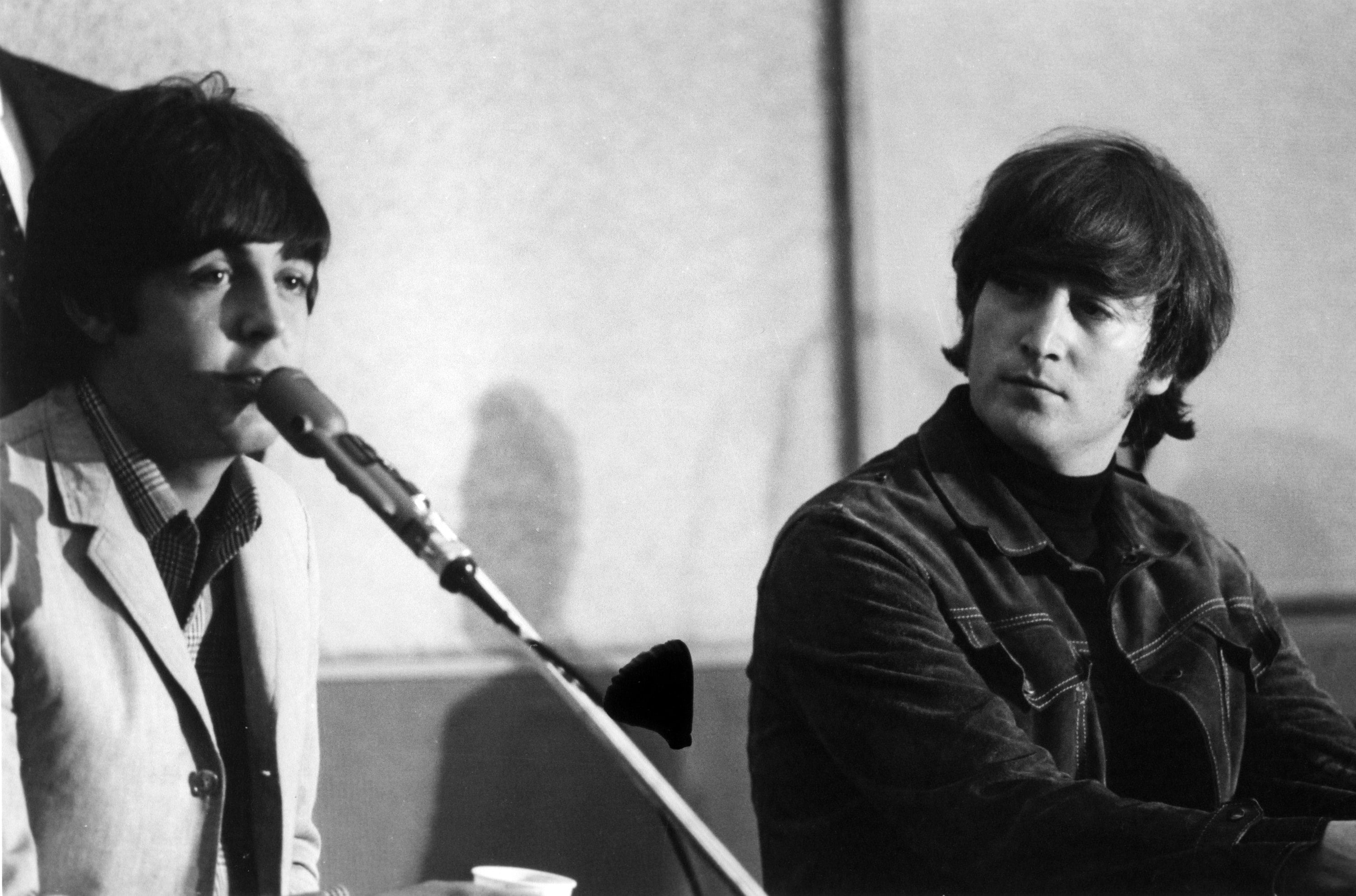
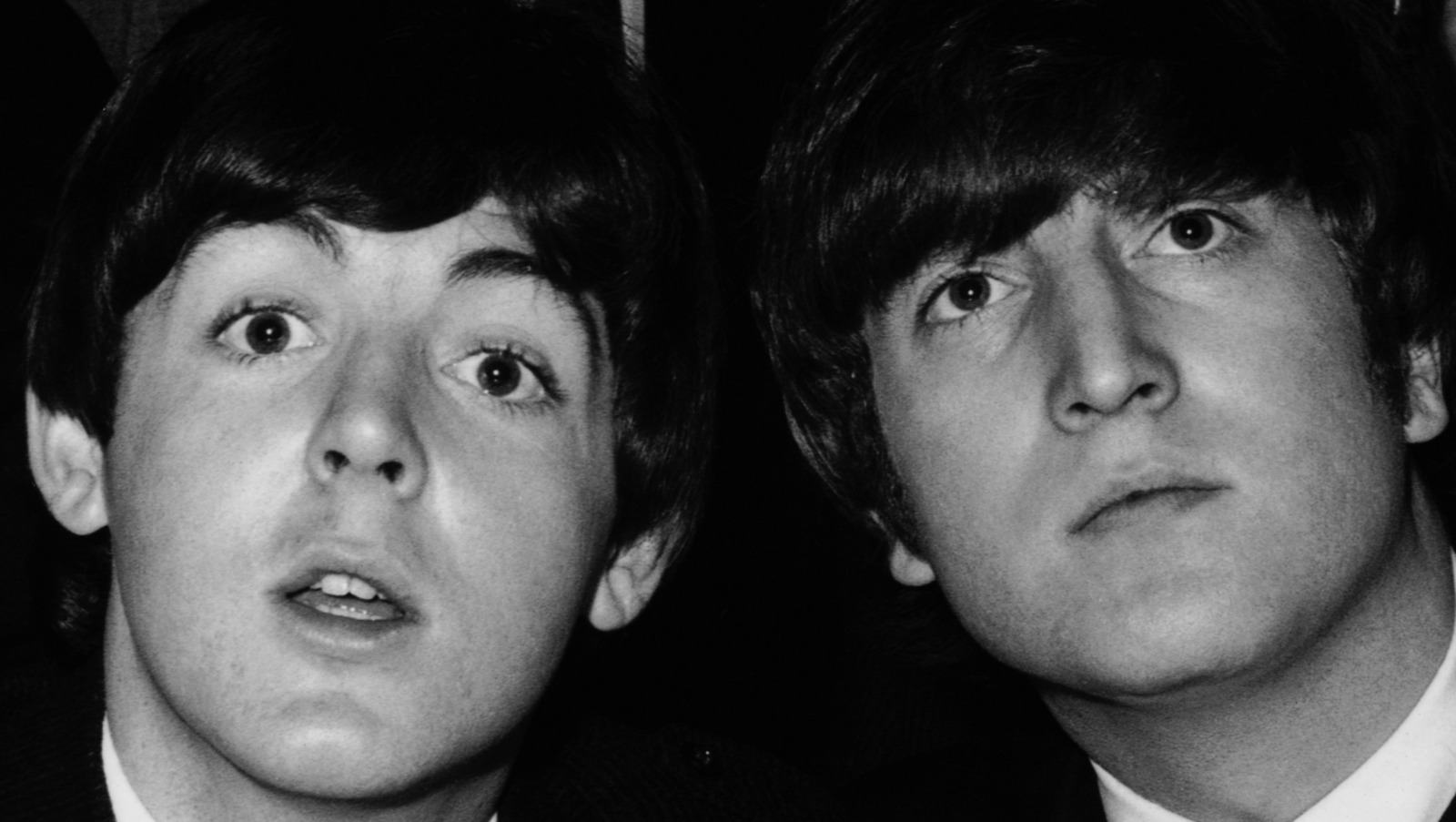
The Lennon-McCartney Relationship: A Definitive History of Music’s Greatest Partnership
The Lennon-McCartney relationship was the creative and emotional engine of the Beatles, defined by a unique "eyeball to eyeball" songwriting pact. This partnership evolved from a competitive teenage brotherhood into a complex, often li...
The Lennon-McCartney relationship was the creative and emotional engine of the Beatles, defined by a unique "eyeball to eyeball" songwriting pact. This partnership evolved from a competitive teenage brotherhood into a complex, often litigious, but ultimately reconciled bond that fundamentally reshaped global popular music and culture through collaborative genius.
Contents
The partnership between John Lennon and Paul McCartney stands as the most influential creative pairing of the 20th century. Beyond the staggering commercial success—more than 600 million records sold—their relationship was a psychological study in contrasts. Lennon provided the acerbic, avant-garde edge and raw vulnerability, while McCartney offered melodic sophistication, optimistic drive, and meticulous craftsmanship. Together, they formed a symbiotic unit that allowed neither to settle for mediocrity. As of 2026, their joint body of work remains the gold standard for songwriting, studied by musicologists and cherished by generations of listeners.
The Genesis: A Meeting of Minds in Woolton
The relationship began on July 6, 1957, at the St. Peter’s Church garden fete in Woolton, Liverpool. A 16-year-old John Lennon was performing with his skiffle group, the Quarrymen, when a 15-year-old Paul McCartney was introduced to him by a mutual friend, Ivan Vaughan. McCartney’s ability to tune a guitar and his flawless performance of Eddie Cochran’s "Twenty Flight Rock" impressed Lennon, who was used to being the undisputed leader of his social circle.
Lennon faced a pivotal choice: keep the group smaller and remain the dominant force, or invite the talented McCartney and make the band stronger. This decision established the first pillar of their relationship—mutual respect balanced by healthy competition. Shortly after joining, McCartney introduced George Harrison to the group, further shifting the dynamic from a loose collection of friends to a serious musical endeavor.
In these early years, the two spent hours at McCartney’s home on 20 Forthlin Road, skipping school to write songs in a shared notebook. They made a handshake agreement that every song they wrote, whether together or individually, would be credited to "Lennon-McCartney." This pact would last until the band’s dissolution in 1970, covering approximately 180 joint credits.
The Collaborative Peak: The "Eyeball to Eyeball" Years
During the early 1960s, the Lennon-McCartney relationship was at its most collaborative. They often wrote in hotel rooms or on tour buses, sitting "nose to nose" with two acoustic guitars. This proximity allowed for immediate feedback. If Lennon had a line that was too cynical, McCartney would brighten it; if McCartney was becoming too sentimental, Lennon would add a "sandpaper" quality to the lyric.
A classic example of this synthesis is found in "I Want to Hold Your Hand" (1963). According to McCartney, they sat at a piano in the basement of Jane Asher’s house, working "eyeball to eyeball." When one hit a particular chord (the "E minor" that triggered the middle eight), the other immediately recognized its brilliance. This period was characterized by a lack of ego regarding authorship; the goal was simply to produce the best possible "Beatles song."
The Evolution of Songwriting Roles
As the band matured and moved into the studio-intensive years of 1966–1969, the "Lennon-McCartney" credit became more of a brand than a literal description of 50/50 collaboration. However, even when a song was 90% written by one individual, the other acted as a vital editor.
- John Lennon: Tended toward the autobiographical, the psychedelic, and the rhythmically unconventional (e.g., "Strawberry Fields Forever," "Help!").
- Paul McCartney: Focused on character sketches, complex harmonies, and multi-instrumental arrangements (e.g., "Eleanor Rigby," "Penny Lane").
The tension between these styles created the "Rubber Soul" and "Revolver" era, often cited by historians at The Beatles Bible as the pinnacle of their joint creative powers. Even in their differences, they served as each other's primary sounding board.
Friction and the "White Album" Shift
The shift in the Lennon-McCartney relationship began in earnest during the 1968 sessions for The Beatles (commonly known as the "White Album"). Several factors contributed to a growing distance:
- Personal Life: Lennon’s partnership with Yoko Ono introduced a new primary collaborator into his life, breaking the exclusive "two-man club" he had shared with McCartney.
- Creative Independence: The members began recording in separate studios simultaneously, treating the others more like session musicians than equal partners.
- Business Pressures: After the death of manager Brian Epstein in 1967, the band lacked a unifying figure. The subsequent struggle over management—Lennon favoring Allen Klein and McCartney favoring Lee Eastman—created a rift that became irreparable.
Despite the friction, the 1969 "Get Back" sessions (documented in Peter Jackson’s 2021 restoration) revealed that the musical shorthand between the two remained intact. Even as their personal lives diverged, they could still communicate through a shared musical language that no one else understood.
The Breakup and the "Cold War" of the 1970s
When Paul McCartney publicly announced his departure from the Beatles in April 1970, the relationship entered its most toxic phase. The ensuing legal battles to dissolve the Beatles' partnership forced the friends into an adversarial position in court.
The early 1970s saw the two trading "diss tracks" via their solo albums. Lennon’s "How Do You Sleep?" (1971) was a direct, vitriolic attack on McCartney’s character and music. McCartney responded with more subtle jabs, such as "Too Many People" on his Ram album. This period is often described as a "public divorce," where the grief of losing their band manifested as bitterness.
The Comparison of Styles and Contributions
| Feature | John Lennon’s Approach | Paul McCartney’s Approach | Key Collaborative Result |
|---|---|---|---|
| Lyric Style | Introspective, raw, cynical | Storytelling, optimistic, theatrical | Balanced emotional resonance |
| Melodic Focus | Rhythmic, often centered on few notes | Wide-ranging, classically influenced | Catchy yet complex pop |
| Studio Habit | Spontaneous, "vibe" oriented | Perfectionist, meticulous | High-quality, polished innovation |
| Philosophy | "Tell it like it is" | "Make it sound beautiful" | Relatable but sophisticated art |
Reconciliation and the Final Years
Fortunately, the Lennon-McCartney relationship did not end on a note of bitterness. By the mid-1970s, the legal hurdles were largely cleared, and the two began to communicate again. In 1974, they even participated in a loose jam session in Los Angeles (often referred to as "A Toot and a Snore in '74"), which remains the only known recording of them playing together post-1970.
During Lennon’s "house-husband" years in New York (1975–1980), McCartney would occasionally visit the Dakota. While they never officially collaborated on a new song during this time, they regained a sense of friendship. McCartney has frequently noted in interviews with Rolling Stone that he is eternally grateful their last conversations were friendly and focused on mundane topics like baking bread and family life.
The 1980 assassination of John Lennon froze the relationship in time, leaving McCartney as the primary gatekeeper of the Lennon-McCartney legacy. In the decades since, McCartney has spent significant effort ensuring that Lennon’s contributions are honored while also clarifying his own role in their joint successes.
The 2026 Perspective: An Enduring Legacy
In 2026, the Lennon-McCartney relationship is viewed not just as a musical partnership, but as a cultural phenomenon that defined the possibilities of collaboration. The release of "Now and Then" in 2023—the "final" Beatles song—used AI technology to extract Lennon's voice from an old demo, allowing McCartney to "work" with his partner one last time. This project served as a symbolic closing of the circle, proving that the bond survived even the death of one partner.
The relationship serves as a blueprint for creative teams worldwide. It demonstrates that the highest form of art often comes from the friction between two disparate personalities who are united by a common goal and mutual respect.
Frequently Asked Questions
Who wrote more songs, Lennon or McCartney? While they shared credit for 180 songs, independent analysis by musicologists suggests the split was nearly even. McCartney is credited as the primary author for slightly more of the band’s biggest hits (like "Yesterday" and "Hey Jude"), while Lennon was the primary driver for their earlier "Beatlemania" sound and their more experimental tracks.
Did they ever officially record together after the Beatles split? No official studio recordings were released. The only known instance of them playing together after 1970 was an impromptu, bootlegged jam session in 1974. They discussed working together several times in the late 70s, but these plans never materialized before Lennon's death.
What was the main cause of their fallout? The fallout was multifaceted, but the primary drivers were the management dispute (Allen Klein vs. the Eastmans), the creative exhaustion of the band, and the natural desire of both men to establish their own identities outside of the "Beatles" bubble.
Is there any "unreleased" Lennon-McCartney material left? Most "new" material discovered in the 21st century consists of demos and alternate takes. The 2023 release of "Now and Then" is considered the final completion of their joint work, utilizing a demo Lennon recorded in the late 70s that McCartney and Ringo Starr finished in the studio.
How did Yoko Ono affect their relationship? Yoko Ono’s presence in the studio changed the established "inner circle" dynamic. While she provided Lennon with the emotional support and artistic stimulation he craved, her constant presence during recording sessions caused significant tension with McCartney, who felt the "sacred" space of the partnership had been compromised.
Practical Recommendation for Further Study
For those looking to understand the technical nuances of the Lennon-McCartney relationship, the best course of action is to listen to the Beatles Anthology sets alongside the Get Back documentary. This allows you to hear the raw evolution of their songs from basic ideas into finished masterpieces, highlighting exactly how they pushed each other to improve. Additionally, visiting the official Beatles website provides access to the "Beatles 1" collection, which offers a chronological look at their chart-topping collaborations.
Image Gallery