Understanding Direct Repair Programs: What Insurance and Auto Body Shop Contracts Really Require
Contracts between insurance companies and auto body shops, primarily known as Direct Repair Programs (DRPs), require shops to adhere to strict performance metrics, discounted labor rates, and specific equipment standards in exchange fo...
Contracts between insurance companies and auto body shops, primarily known as Direct Repair Programs (DRPs), require shops to adhere to strict performance metrics, discounted labor rates, and specific equipment standards in exchange for consistent claims referrals. These agreements mandate the use of particular estimating software, technician certifications, and adherence to insurer-defined parts procurement policies to manage overall loss severity.
Contents
The Evolution of the Direct Repair Program (DRP) in 2026
The relationship between insurance carriers and automotive repair facilities is defined by a complex web of contractual obligations designed to streamline the claims process. For a body shop, entering into a contract with a major insurer—such as State Farm, Geico, or Progressive—is a strategic business decision that trades profit margins for volume. By 2026, these contracts have become more data-driven than ever, utilizing real-time telematics and artificial intelligence to monitor repair progress.
At its core, a DRP contract is a service-level agreement (SLA). The insurance company promises to list the shop as a "preferred provider" or "guaranteed repair station" in their mobile apps and to adjusters. In return, the shop agrees to follow the insurer’s "rulebook" regarding how a vehicle is repaired, what it costs, and how long the process takes. These contracts are not merely suggestions; they are legally binding documents that dictate the operational flow of the repair facility.
Core Administrative and Software Requirements
One of the most immediate requirements of an insurance-body shop contract is the mandate for specific technology. Insurers do not allow shops to use just any system for estimating or communication.
Estimating Platforms
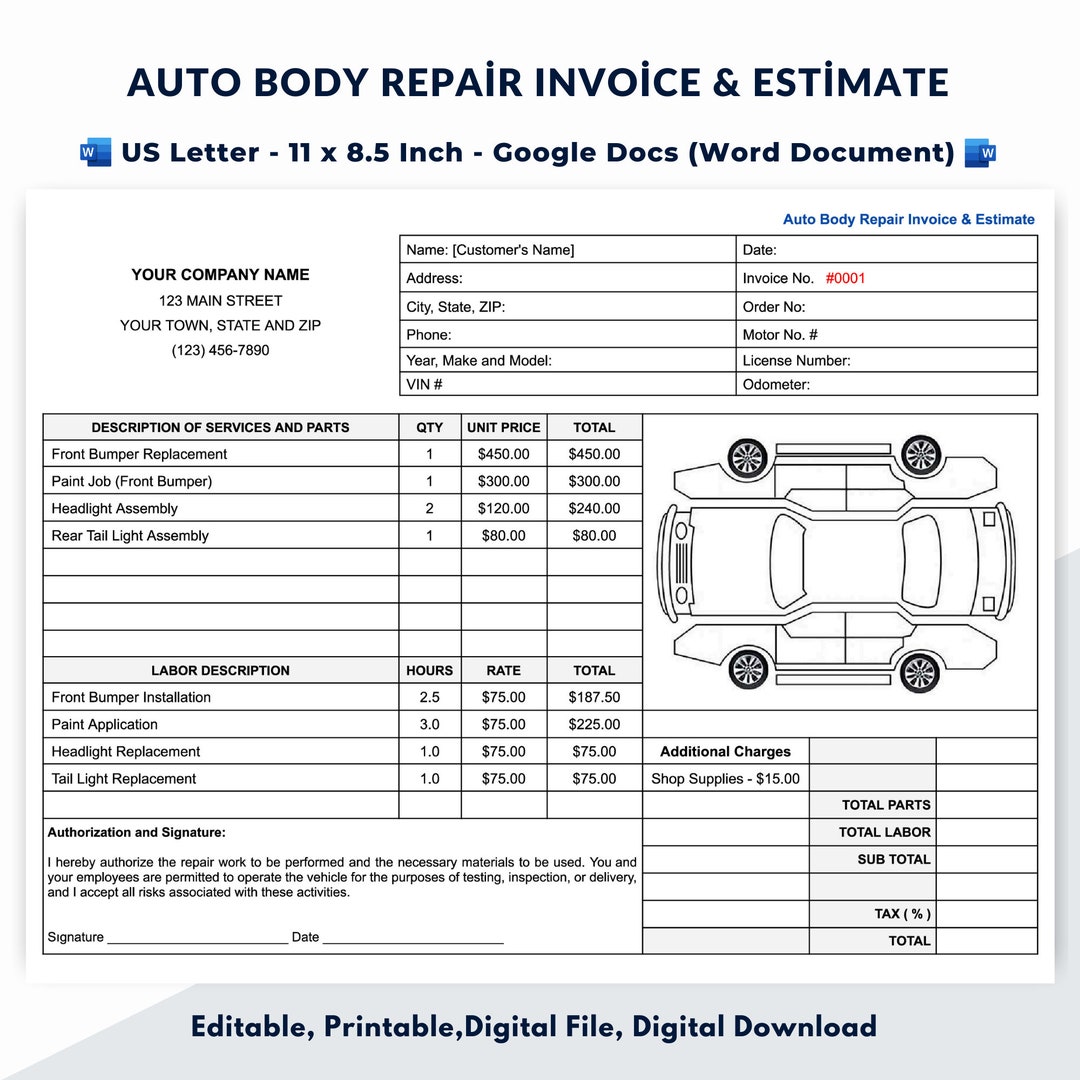
Shops are typically required to license and maintain subscriptions to major platforms like CCC ONE, Mitchell, or Audatex. These systems allow the insurer to "audit" estimates in real-time. The contract often specifies that the shop must upload photos of the damage, teardown notes, and final invoices directly through these portals. By 2026, many of these platforms have integrated AI that flags any line item that deviates from the insurer’s pre-negotiated price list.
Documentation and Digital Footprints
Insurance contracts require a high level of transparency. Shops must document every stage of the repair. This includes "pre-scans" (checking the car’s computer for error codes before work starts) and "post-scans" (ensuring all systems are clear before delivery). In 2026, with the prevalence of Advanced Driver Assistance Systems (ADAS), insurers require digital proof that sensors and cameras have been recalibrated to factory specifications. If the shop cannot provide this digital certificate, the contract often stipulates that the insurer can withhold payment or penalize the shop's "performance score."
Performance Metrics and Key Performance Indicators (KPIs)
Insurance companies use data to rank shops against their peers. A shop that fails to meet specific KPIs may find its contract terminated or its referral volume throttled.
- Cycle Time (Keys-to-Keys): This is perhaps the most critical metric. It measures the total time from when the customer drops off the keys to when the car is ready. Insurers want this as low as possible to minimize the cost of rental car reimbursements.
- Severity: This refers to the average cost of a repair. If a shop’s average repair cost is $4,500 while the regional average is $4,000, that shop is flagged for "high severity." Contractual requirements often pressure shops to repair parts rather than replace them to keep severity low.
- Customer Satisfaction Index (CSI): Insurers frequently send surveys to policyholders. If a shop’s CSI score falls below a certain threshold (often 90% or 95%), the contract may allow for a "probationary period" or immediate removal from the program.
Equipment and Certification Standards
To ensure that repairs meet safety standards—and to mitigate liability—insurance contracts specify what tools and training a shop must possess. By 2026, the complexity of modern vehicles has made these requirements significantly more expensive for shop owners.
Technician Certification
Almost all major DRP contracts require the shop to maintain "I-CAR Gold Class" status. This means a specific percentage of the staff must undergo continuous training every year. Additionally, insurers may require "OEM Certification" (Original Equipment Manufacturer) for specific brands, such as being a "Ford Certified" or "Tesla Approved" facility. This ensures the shop knows how to handle specialized materials like ultra-high-strength steel or structural aluminum.
Mandatory Tooling
Contracts often list specific equipment that must be on-site and operational. This includes:
- Proportional Resistance Spot Welders: To mimic factory welds.
- Frame Measuring Systems: Computerized systems that ensure the vehicle’s chassis is within millimeters of its original shape.
- Calibration Tools: Specialized targets and software for ADAS (lane-keep assist, automatic braking).
- EV Safety Equipment: Since 2026 standards require specific protocols for high-voltage batteries, shops must often have de-energizing stations and fire-suppression blankets to remain in the network.
The Debate Over Parts Procurement
The most contentious part of insurance and auto body shop contracts involves the "Parts Policy." Insurers are in the business of indemnity—returning the vehicle to its pre-accident condition—but they are also looking to control costs.
Contracts typically require shops to prioritize parts in a specific order:
- Aftermarket (QRP/CAPA): New parts made by third-party companies.
- Recycled (LKQ): Used parts from salvage yards that are of "Like Kind and Quality."
- Remanufactured: Used parts that have been rebuilt (common for steering racks or wheels).
- OEM (Original Equipment Manufacturer): Brand-new parts from the car maker.
Most DRP contracts mandate that the shop must use the "lowest cost alternative" that is available and safe. If a shop insists on using an OEM fender when an aftermarket one is available for $200 less, the contract may require the shop to "price match" or absorb the difference. This is a primary source of friction between shops that want to provide the highest quality repair and insurers who are following the strict language of the policy.
Comparison of Contractual Obligations: DRP vs. Independent Shops
The following table outlines the differences in requirements between a shop that has signed an insurance contract (DRP) and an "Independent" shop that works directly for the consumer.
| Requirement Feature | DRP (Contracted) Shop | Independent (Non-DRP) Shop |
|---|---|---|
| Labor Rates | Pre-negotiated (often discounted) | Market rate (determined by the shop) |
| Parts Selection | Mandated "low-cost" hierarchy | Negotiated with the vehicle owner |
| Administrative Burden | High (constant photo and data uploads) | Moderate (Standard estimating) |
| Referral Source | Insurance carrier referrals | Marketing and word-of-mouth |
| Repair Guarantee | Backed by the insurer and the shop | Backed solely by the shop |
| Payment Speed | Often "EFT" (Electronic) and fast | Checks or customer payment (slower) |
| Audit Frequency | Monthly or quarterly performance reviews | None by the insurer |
Legal Limits and Consumer Rights
It is vital to note that while these contracts govern the relationship between the insurer and the shop, they cannot override state laws or the "Right to Repair." In most jurisdictions, "Anti-Steering" laws prevent insurance companies from forcing a customer to use a specific shop.
However, the contract does allow the insurer to set the price they are willing to pay. If a customer chooses a non-contracted shop that charges $120/hour while the insurer's contracted rate is $80/hour, the insurer may only pay the $80 rate, leaving the customer to pay the "out-of-pocket" difference. In 2026, many states have updated these laws to require insurers to pay for all necessary "OEM repair procedures," even if they aren't explicitly listed in the DRP contract, to ensure passenger safety in tech-heavy vehicles.
Frequently Asked Questions
Do insurance contracts force shops to use unsafe parts?
No. While contracts prioritize cost-savings through aftermarket or recycled parts, they almost always contain a "safety clause." If a shop can prove that a non-OEM part does not fit correctly or compromises a safety system (like a sensor mounting), the insurer is contractually obligated to pay for the correct part.
Why do some shops refuse to sign these contracts?
Many high-end or specialized shops refuse DRP contracts because the administrative work and discounted labor rates reduce their profitability. By remaining independent, they can prioritize OEM parts and spend more time on meticulous repairs without being penalized for "Cycle Time."
Can an insurance company kick a shop out of a contract?
Yes. DRP agreements are "at-will." If a shop’s severity costs are too high, or if they are caught "padding" estimates (adding unnecessary repairs), the insurer can terminate the contract with minimal notice.
Does a DRP contract mean the repair is better?
Not necessarily. It means the repair is guaranteed. If a contracted shop does a poor job, the insurance company will usually step in and pay another shop to fix it. With an independent shop, the consumer must handle any quality disputes directly with the shop owner.
How has the 2026 ADAS requirement changed these contracts?
Current contracts now include specific "Calibration Addendums." These require shops to either own expensive calibration equipment or have a formal subcontract with a mobile calibration specialist. This has increased the "entry fee" for shops wanting to join insurance networks.
Final Recommendation for Policyholders and Shop Owners
For vehicle owners, it is important to realize that a "preferred" shop has a pre-existing financial agreement with your insurer. While this often leads to a smoother claims experience and a lifetime warranty, you should still ask the shop if they are following OEM repair procedures or if the insurer’s contract is forcing them to take shortcuts on parts.
For auto body shop owners, before signing a DRP contract in 2026, conduct a thorough cost-benefit analysis. Ensure your current equipment can handle the mandatory ADAS and EV requirements without a massive debt load. If your shop thrives on high-quality, specialized work, the volume provided by a DRP might not outweigh the "severity" penalties and administrative hurdles that these contracts really require.
Image Gallery