Understanding Viragen for Modern Data Centers
Viragen represents a specialized class of modular hydrogen power generation systems designed to provide zero-emission primary and backup power for high-density data centers. By utilizing advanced fuel cell stacks and integrated energy...
Viragen represents a specialized class of modular hydrogen power generation systems designed to provide zero-emission primary and backup power for high-density data centers. By utilizing advanced fuel cell stacks and integrated energy management, Viragen units allow facilities to bypass traditional diesel generators, significantly reducing Scope 1 emissions and improving overall Power Usage Effectiveness (PUE) in 2026 environments.
Contents
The Evolution of Power Infrastructure in 2026 Data Centers
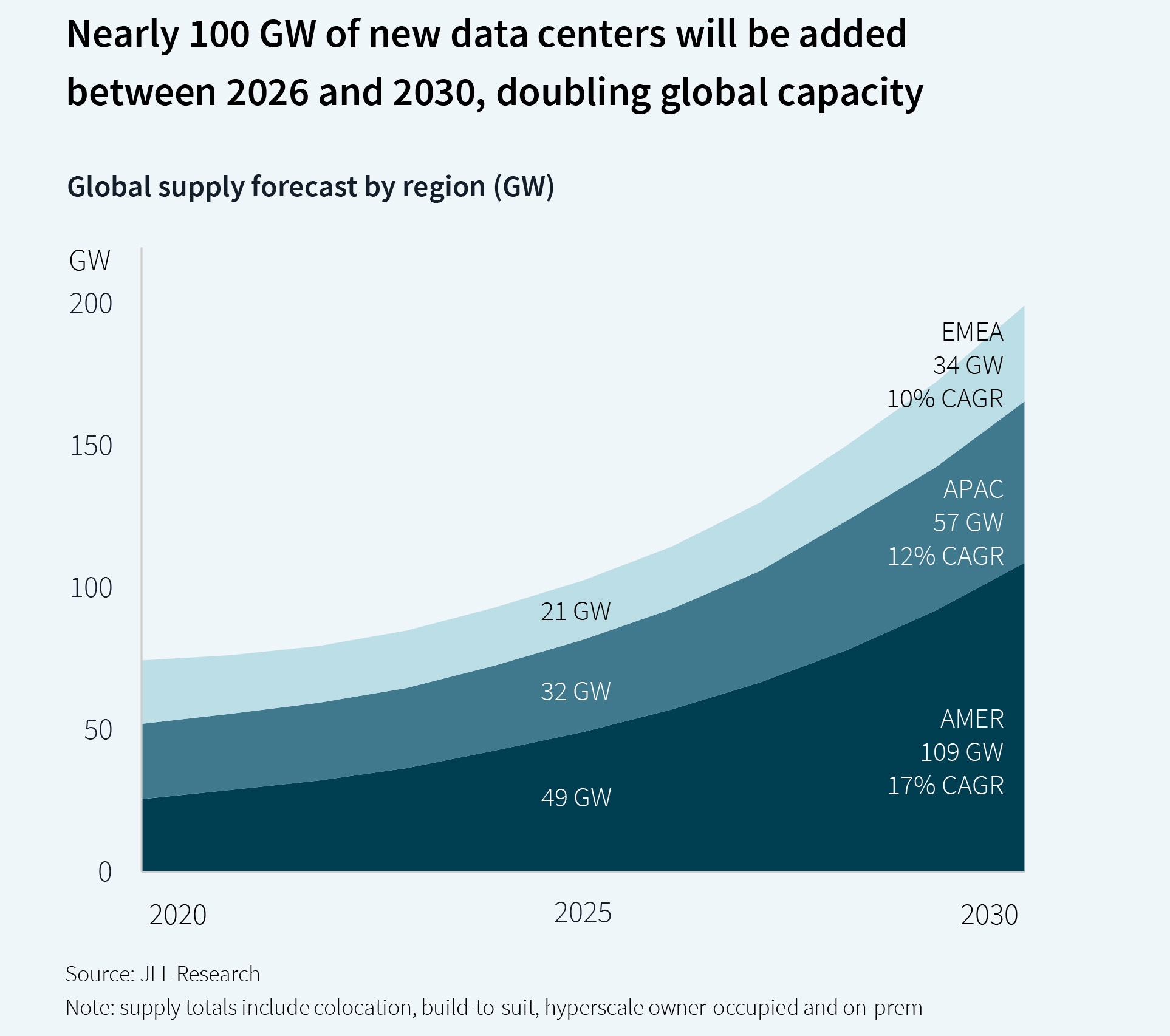
As we navigate 2026, the data center industry faces a dual challenge: unprecedented power demand driven by generative AI clusters and stringent "net-zero" regulatory mandates. Traditional lead-acid batteries and diesel rotary uninterruptible power supplies (DRUPS) are increasingly viewed as liabilities due to their carbon footprint and maintenance overhead. This is where Viragen technology has become a cornerstone of modern infrastructure.
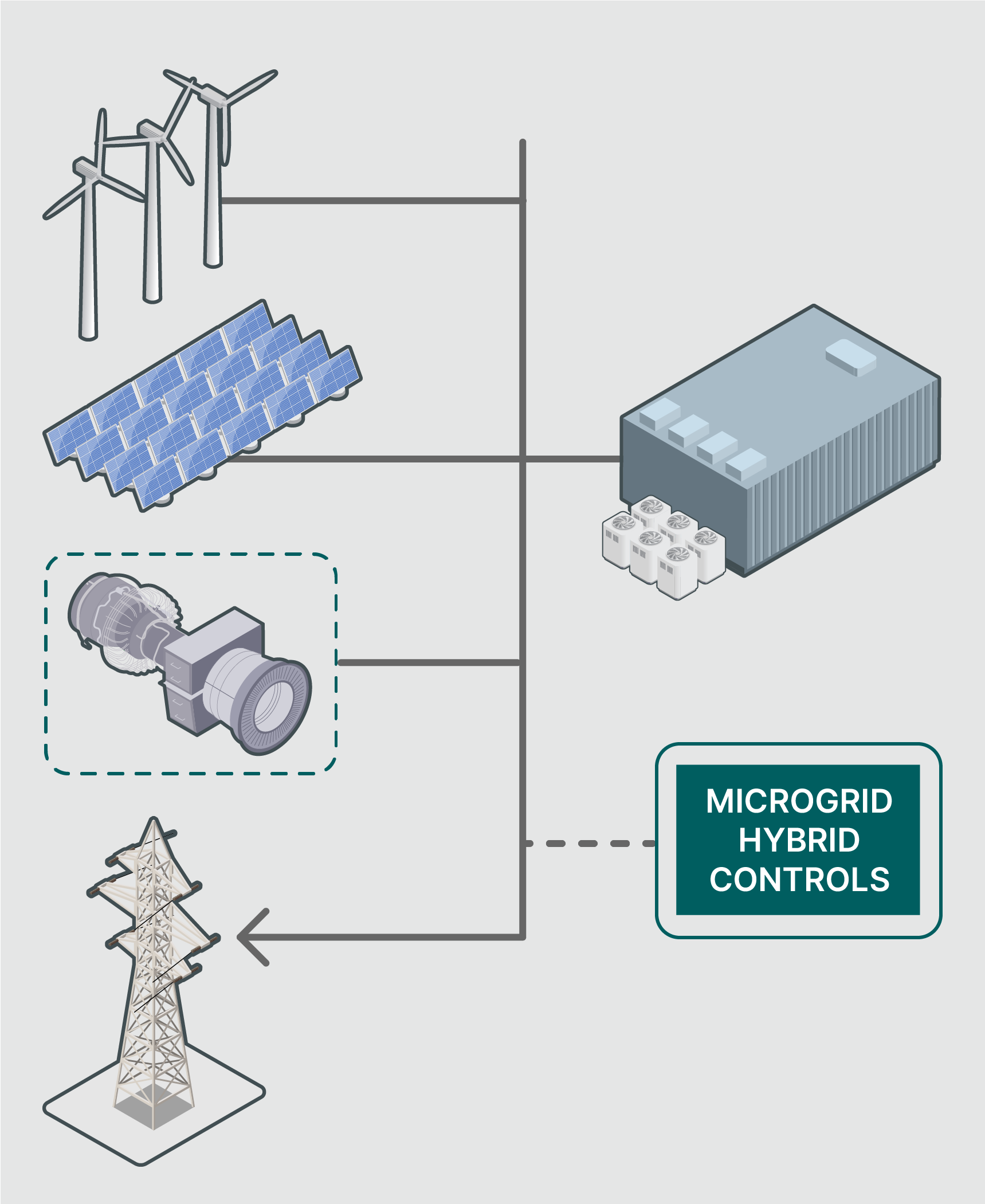
Viragen is not a single component but a comprehensive power architecture. At its core, it integrates Proton Exchange Membrane (PEM) fuel cells with high-capacity buffers to handle the transient loads common in high-performance computing (HPC). Unlike legacy backup systems that only engage during a grid failure, Viragen systems are often used for peak shaving—reducing the strain on the utility grid during high-demand periods—and as a constant, clean energy source that supplements renewable grid feeds.
The shift toward Viragen is driven by the necessity of densification. As racks now frequently exceed 100kW, the thermal and electrical demands have outpaced the capabilities of standard air-cooled, grid-dependent facilities. Viragen modules are built to scale horizontally, allowing operators to add power capacity in 1MW or 2MW increments without the massive civil engineering projects required for new utility substations.
Core Technical Components of Viragen Systems
Understanding how Viragen functions requires a look at its internal subsystems. These units are typically housed in ISO-standard containers, making them "plug-and-play" for rapid site deployment.
1. The Fuel Cell Stack
The heart of the Viragen module is the electrochemical stack. In 2026, most Viragen units utilize high-durability PEM stacks that convert hydrogen and oxygen into electricity and water vapor. These stacks are designed for rapid start-up, reaching full power in less than 15 seconds, which is a critical requirement for maintaining uptime during sudden grid fluctuations.
2. Integrated Energy Buffer (IEB)
Because fuel cells have a specific "ramp rate," Viragen incorporates a lithium-ion or supercapacitor buffer. This buffer handles the immediate "inrush" current when a server cluster spikes in activity, providing the milliseconds of power needed while the hydrogen flow stabilizes. This hybrid approach ensures a seamless power delivery curve that exceeds the stability of traditional grid power.
3. Thermal Recovery Systems
A significant advantage of Viragen is its ability to contribute to the facility's cooling strategy. The byproduct of the electrochemical reaction is heat and water. Modern Viragen installations use heat exchangers to capture this thermal energy, which is then redirected to drive absorption chillers or provide facility heating. This "co-generation" capability is a primary reason why 2026 data centers using Viragen report PUE ratings below 1.1.
Strategic Integration: Prerequisites and Implementation
Deploying Viragen within a modern data center requires more than just connecting cables. It involves a fundamental rethink of the facility's fuel and safety strategy.
Site Requirements and Hydrogen Logistics
The most significant prerequisite for Viragen is the hydrogen supply chain. Operators must choose between on-site electrolysis (generating hydrogen from water and renewable electricity) or bulk liquid hydrogen delivery. For 2026 urban data centers, liquid hydrogen storage is the standard, requiring specialized cryogenic tanks and "setback" distances to comply with local fire codes and safety standards.
Electrical Interfacing
Viragen modules are designed to interface at either the Medium Voltage (MV) or Low Voltage (LV) level. In a typical Tier III or IV setup, the Viragen system sits in parallel with the utility feed. The Automatic Transfer Switch (ATS) logic must be updated to recognize the Viragen unit not just as a backup, but as a dynamic power participant. This requires integration with a Data Center Infrastructure Management (DCIM) platform that supports real-time telemetry from the fuel cell stacks.
Step-by-Step Deployment Sequence
- Feasibility Study: Calculate the "Critical Load" and determine how many Viragen modules are required for N+1 or 2N redundancy.
- Permitting: Secure zoning approvals for hydrogen storage. This often involves detailed fire safety modeling and risk assessment.
- Infrastructure Prep: Install the concrete pads for the modules and the cryogenic piping for the hydrogen feed.
- Electrical Integration: Connect the Viragen output to the main switchgear via synchronized breakers.
- Commissioning: Perform "black start" tests to ensure the modules can carry the full data center load from a cold start without grid assistance.
Performance Comparison: Viragen vs. Legacy Systems
To justify the capital expenditure (CapEx) of a Viragen system, operators must look at the long-term operational benefits and the elimination of carbon taxes.
| Feature | Diesel Generators | Lithium-Ion BESS | Viragen Hydrogen System |
|---|---|---|---|
| Energy Density | High | Low/Medium | Very High (with H2 storage) |
| Emissions | High (NOx, SOx, CO2) | Zero (Local) | Zero (Local) |
| Response Time | 10–30 Seconds | Sub-millisecond | 10–15 Seconds (with buffer) |
| Runtime | Limited by tank size | 2–4 Hours | Scalable (days/weeks) |
| Maintenance | Frequent (Mechanical) | Low (Cell Monitoring) | Moderate (Stack Management) |
| Noise Level | Very High | Silent | Low (Fan noise only) |
| 2026 Compliance | Phase-out in many zones | Fully Compliant | Fully Compliant |
Financial and Regulatory Impact
In 2026, the financial profile of Viragen technology has shifted from a "green premium" to a "green discount." Governments in North America and Europe have implemented aggressive carbon pricing, making diesel operations increasingly expensive.
CapEx Considerations: While the initial purchase price of a Viragen module is approximately 20-30% higher than a comparable Tier 4 diesel generator, the gap is narrowing. Economies of scale in fuel cell manufacturing and the inclusion of federal "Clean Energy Credits" often offset this initial cost.
OpEx and ROI: The return on investment (ROI) is realized through three main channels:
- Grid Services: Data centers can sell excess power from their Viragen units back to the grid during peak pricing events.
- Maintenance Savings: Fuel cells have no moving parts in the generation core, reducing the need for the expensive mechanical overhauls required by diesel engines.
- Regulatory Credits: Avoiding carbon taxes and earning Renewable Energy Certificates (RECs) provides a direct bottom-line benefit.
Operational Safety and Troubleshooting
Safety is a common concern when discussing hydrogen. However, Viragen systems are engineered with multiple layers of redundancy. Hydrogen is significantly lighter than air and dissipates rapidly if a leak occurs, unlike diesel fuel which can pool and create a persistent fire hazard.
Standard Safety Features
- Triple-Redundant Sensors: Detection systems that trigger automatic shut-offs at 10% of the lower explosive limit (LEL).
- Active Ventilation: High-velocity fans that ensure the hydrogen concentration never reaches flammable levels within the container.
- Flame Arrestors: Mechanical barriers in the piping that prevent any potential ignition from traveling back to the storage tanks.
Common Maintenance Tasks
Technicians must monitor the stack hydration levels. PEM fuel cells require specific moisture levels to remain efficient. In 2026, most of this is automated, but periodic inspections of the deionized water loops and the air filtration systems are necessary to prevent "stack poisoning" from atmospheric pollutants.
Frequently Asked Questions
Can Viragen systems completely replace the utility grid?
Yes, Viragen systems can operate in "island mode." While most data centers remain grid-connected for cost-optimization, a Viragen-equipped facility is capable of indefinite off-grid operation provided the hydrogen supply is maintained. This makes them ideal for locations with unstable or unavailable grid infrastructure.
What is the lifespan of a Viragen fuel cell stack?
As of 2026, the industrial-grade stacks used in Viragen modules are rated for approximately 40,000 to 60,000 operating hours. For a system used primarily for backup and peak shaving, this translates to a 15-to-20-year operational life, comparable to traditional power assets.
How does Viragen affect a data center's PUE?
Viragen can significantly lower PUE. By utilizing the heat byproduct for cooling (via absorption chillers), the "cooling load" on the electrical system is reduced. Furthermore, the high efficiency of the DC output from the fuel cells can reduce conversion losses when paired with modern DC-bus power architectures.
Is hydrogen storage dangerous for urban data centers?
Modern hydrogen storage utilizes double-walled, vacuum-insulated tanks with extensive monitoring. In many jurisdictions, these are considered safer than large-scale lithium-ion battery arrays, which are susceptible to thermal runaway. Proper site planning and adherence to NFPA 2 standards are essential for urban compliance.
Does Viragen require a constant water supply?
While fuel cells produce water as a byproduct, they also require a small amount of ultra-pure water for the humidification of the membranes. Many Viragen systems are designed to be "water-neutral," recycling the produced water back into the humidification and cooling systems.
Practical Recommendation for Infrastructure Managers
For those considering the transition to Viragen in 2026, the most effective approach is a phased pilot. Start by deploying a single 1MW Viragen module to handle a non-critical lab load or a specific high-density AI rack row. This allows your facilities team to gain familiarity with hydrogen logistics and DCIM integration without risking the entire facility's uptime.
As the hydrogen economy continues to mature, the cost of "Green Hydrogen" will continue to fall, further improving the OpEx of these systems. Moving early into the Viragen ecosystem positions a data center as a leader in sustainability, which is increasingly a requirement for high-value enterprise tenants and government contracts.
Image Gallery