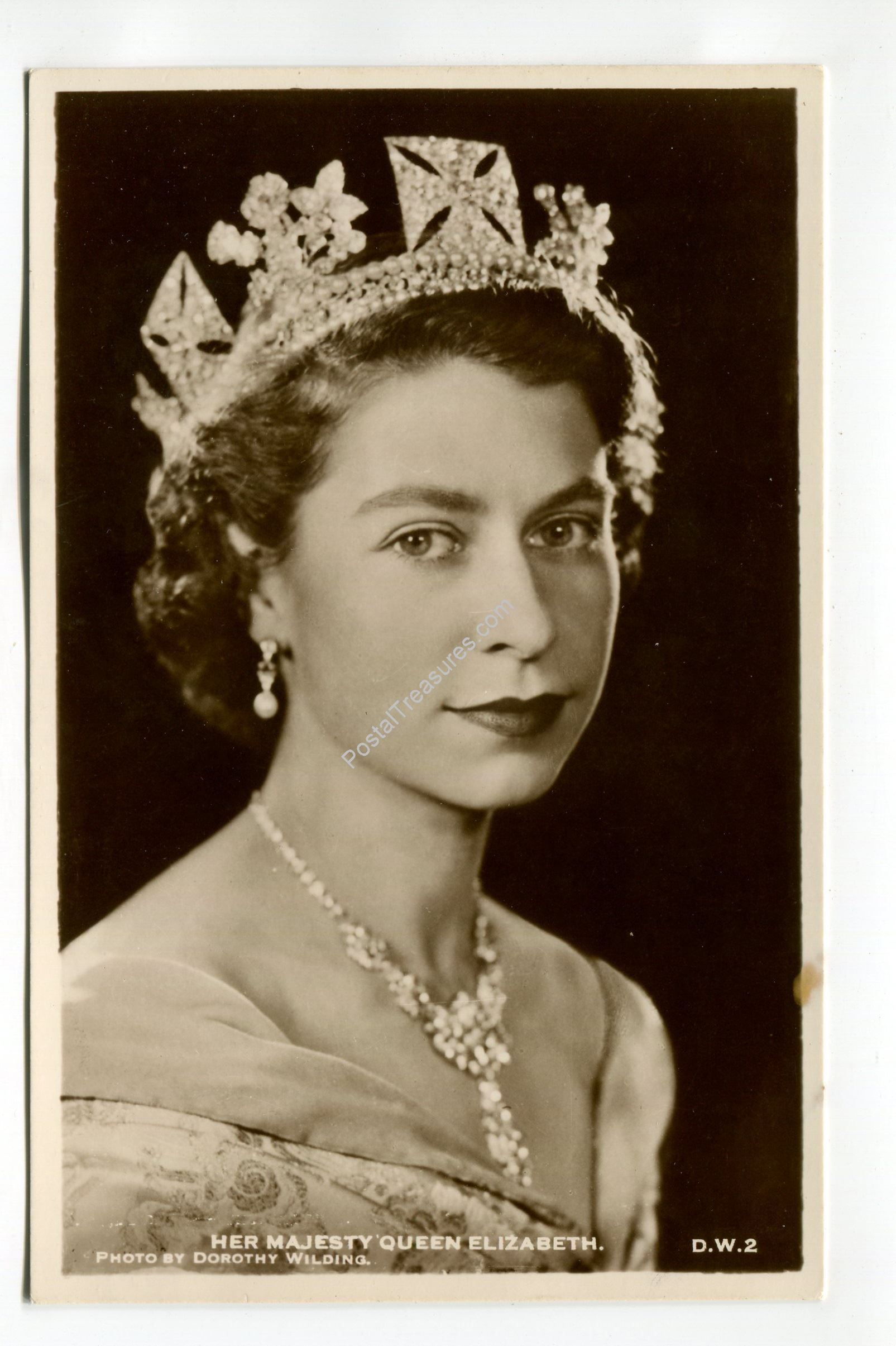
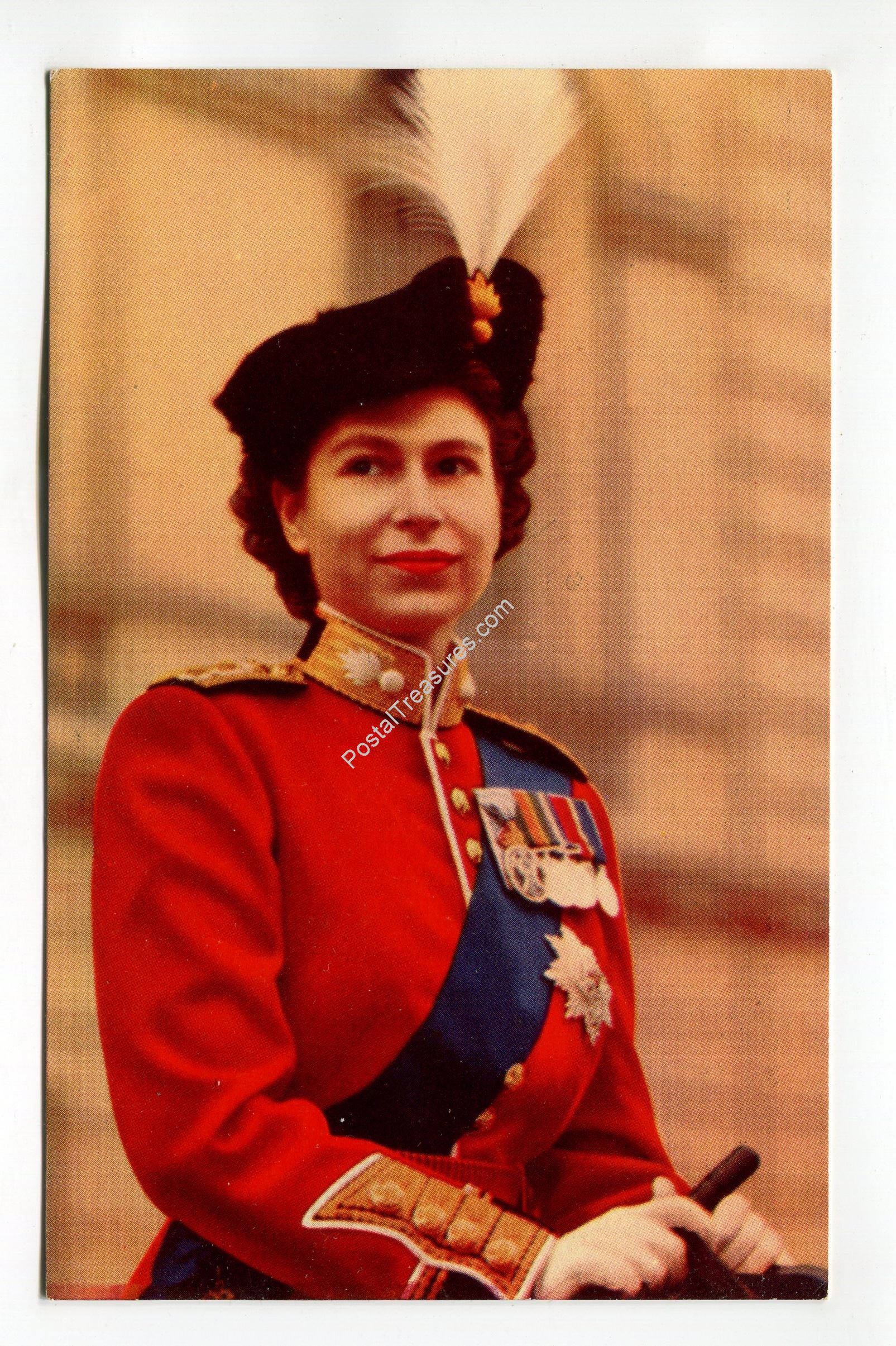
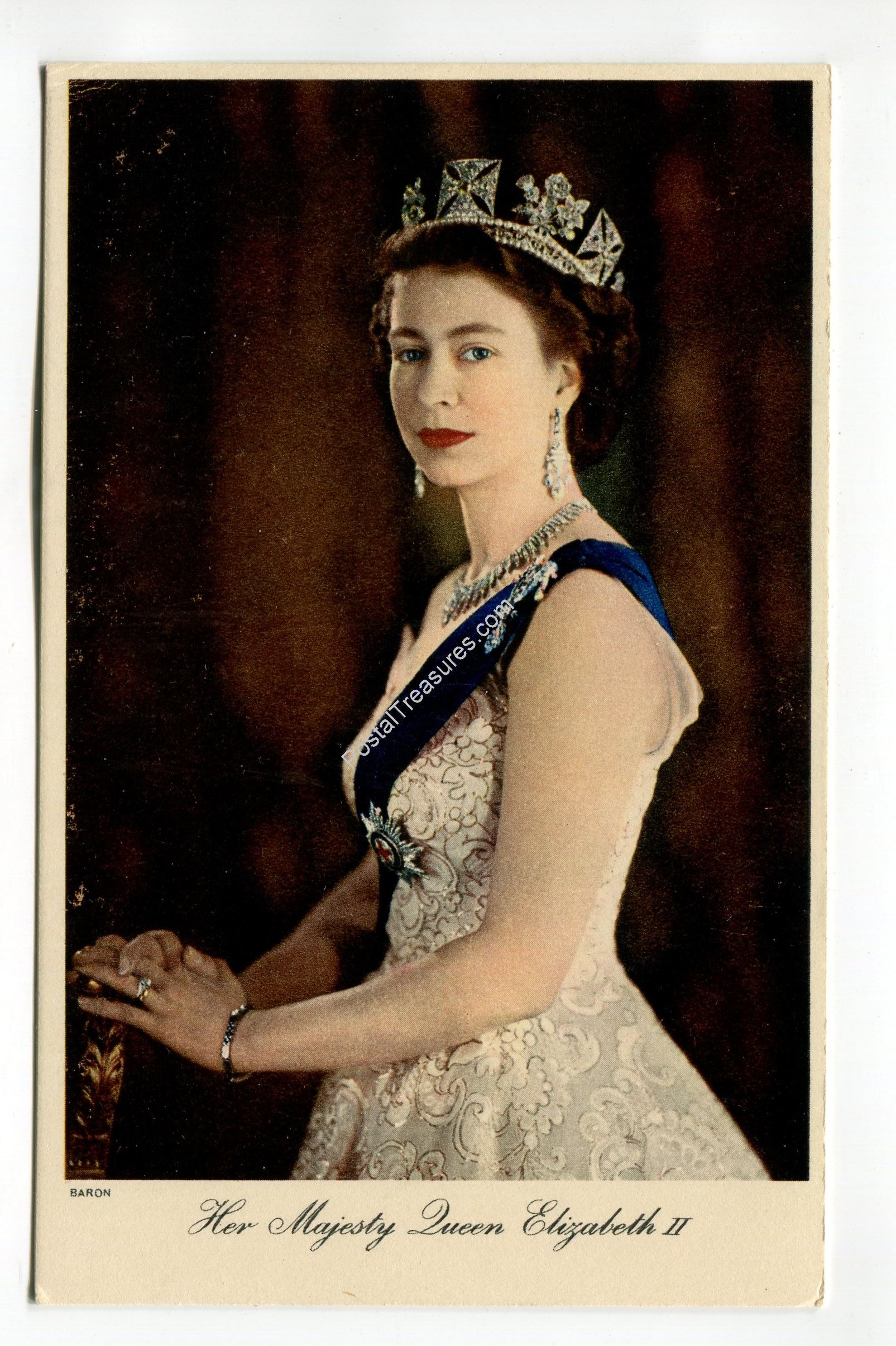
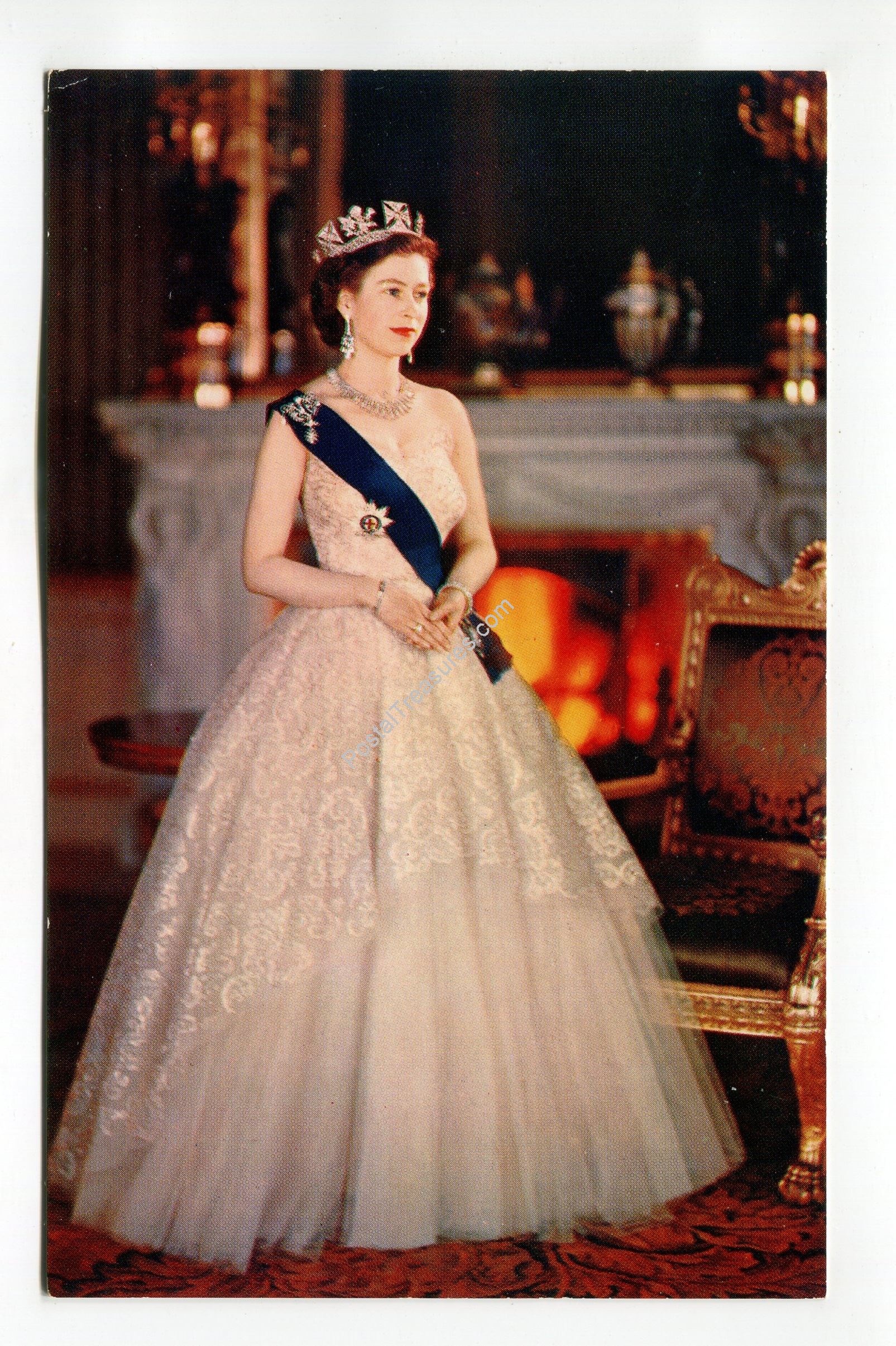
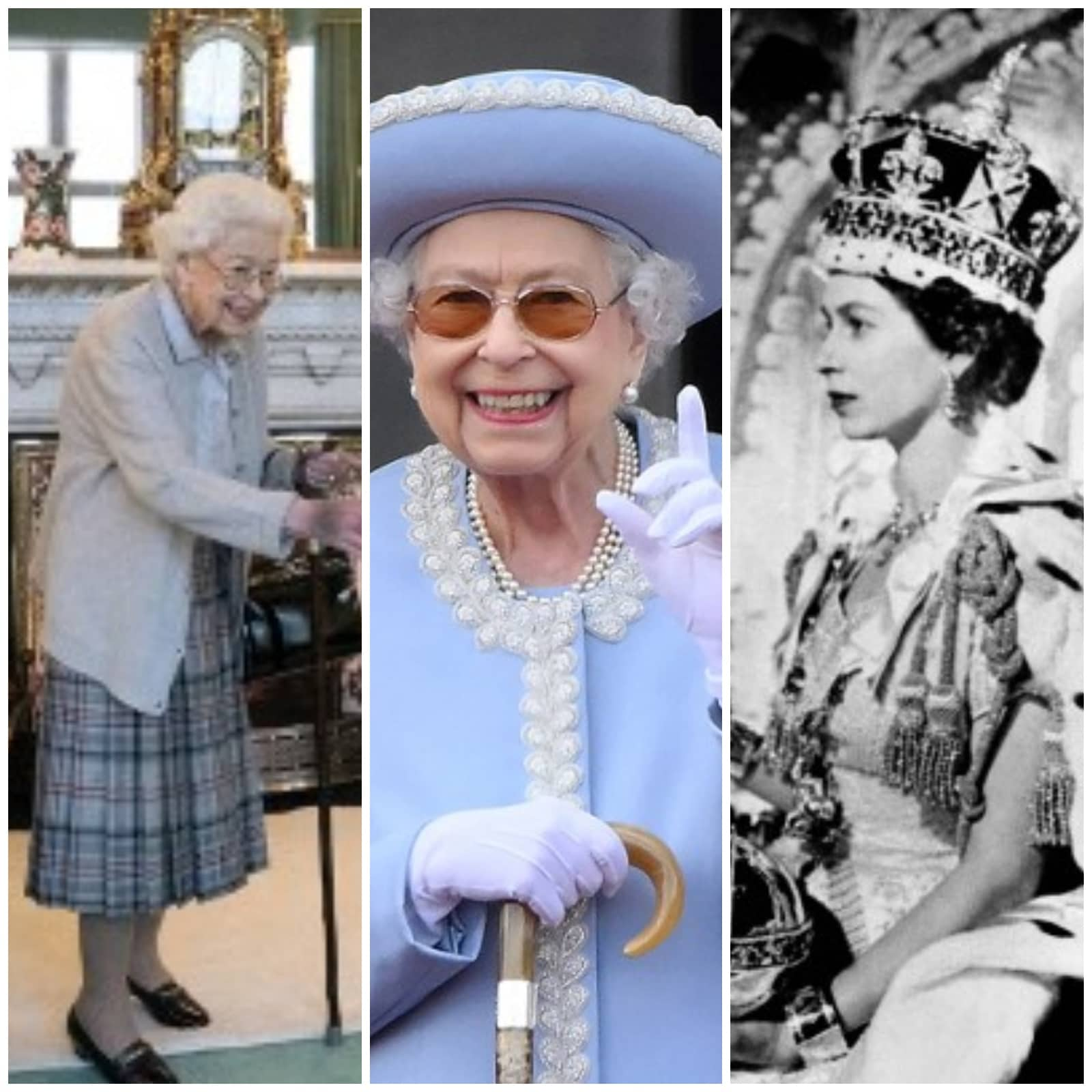
Queen Elizabeth II: A Profile of Leadership and Resilience in Her Middle Age
Queen Elizabeth II’s middle age, spanning roughly from 1960 to 1990, was the period in which she transitioned from a youthful, symbolic figurehead into a seasoned and pragmatic "Mother of the Nation." During these three decades, she su...
Queen Elizabeth II’s middle age, spanning roughly from 1960 to 1990, was the period in which she transitioned from a youthful, symbolic figurehead into a seasoned and pragmatic "Mother of the Nation." During these three decades, she successfully navigated the final dissolution of the British Empire, profound social liberalized shifts, and the onset of intense media scrutiny that would eventually redefine the modern monarchy.
Contents
The Transition from Glamour to Gravitas (1960–1969)
By the dawn of the 1960s, the "New Elizabethan Age" promised at her coronation had met the cold reality of post-war decline. Elizabeth II, then in her mid-30s, faced the daunting task of modernization. This decade marked her shift from a distant, fairytale-like queen into a working monarch who was increasingly involved in the administrative and diplomatic nuances of the Commonwealth.
The 1960s were characterized by the "Wind of Change," a term coined by Prime Minister Harold Macmillan. Elizabeth II oversaw the independence of numerous former colonies, including Nigeria, Sierra Leone, and Jamaica. Unlike previous monarchs who might have resisted the shrinking of their realm, Elizabeth embraced her role as the Head of the Commonwealth. She viewed this not as a loss of power, but as the birth of a voluntary association of independent states. Her middle age was defined by this diplomatic agility; she traveled extensively, often to countries experiencing political volatility, to ensure the transition remained stable.
Domestically, the 1960s brought the "permissive society." The Queen, naturally conservative and deeply religious, had to preside over a country that was rapidly legalizing abortion and de-criminalizing homosexuality. Her strategy during this time was one of "calculated silence." By remaining strictly non-political, she allowed the monarchy to survive a cultural revolution that toppled many traditional institutions. The 1969 investiture of Prince Charles as Prince of Wales and the groundbreaking, though later regretted, "Royal Family" documentary were deliberate attempts to show a more human, accessible side of her middle-aged reign.
The 1970s: Economic Turmoil and the Silver Jubilee
The 1970s represented perhaps the most challenging decade for Britain in the 20th century, and by extension, for the Queen. As she entered her late 40s and early 50s, the nation faced the "Winter of Discontent," soaring inflation, and the humiliation of an IMF bailout. Critics often questioned the cost of the monarchy during a time of such profound national austerity.
However, 1977 proved to be a pivotal year. The Silver Jubilee, marking 25 years on the throne, revealed a deep-seated affection for the Queen that many pundits had underestimated. Despite the rise of punk rock and anti-establishment sentiment (symbolized by the Sex Pistols’ "God Save the Queen"), millions of people participated in street parties. For Elizabeth II, the Jubilee was a moment of personal validation. It reinforced her belief that the monarchy served as a unifying thread in a fractured society.
During this period, her relationship with her Prime Ministers also matured. Her weekly audiences with Harold Wilson were famously cordial; Wilson noted that she was the only person he could talk to who wasn't after his job. This "middle-age" period saw her develop the "institutional memory" that would make her the most informed diplomat in the world. She had seen secrets, crises, and leaders come and go, giving her a perspective that no elected official could match.
The Thatcher Era and Constitutional Diplomacy (1979–1990)
The 1980s were dominated by the relationship between the Queen and Margaret Thatcher, the first female Prime Minister. Both women were of a similar age and possessed formidable work ethics, yet their temperaments and priorities often diverged. This decade tested the Queen’s ability to remain impartial while protecting the integrity of the Commonwealth.
A significant point of tension arose over South Africa and the policy of apartheid. Thatcher resisted imposing economic sanctions, whereas the Queen, as Head of the Commonwealth, was deeply concerned that the UK’s stance would alienate African nations and tear the Commonwealth apart. This era demonstrated the Queen’s "soft power." While she could not dictate policy, her influence behind the scenes was substantial. A famous 1986 Sunday Times report suggesting the Queen was "dismayed" by Thatcher’s social policies caused a constitutional stir, highlighting the delicate balance she had to maintain in her senior years.
The 1980s also brought the peak of "Royal-mania" with the 1981 wedding of Prince Charles and Lady Diana Spencer. For the Queen, now a grandmother, this was a period of professional triumph but emerging personal concern. While the wedding bolstered the "brand" of the monarchy, the intense tabloid interest signaled a shift in how the public consumed royal news—moving from respectful reporting to intrusive celebrity culture.
Key Milestones of Elizabeth II’s Middle Age (1960–1989)
The following table outlines the critical events that shaped the Queen's profile during her middle years, demonstrating the breadth of her responsibilities.
| Year | Event | Significance |
|---|---|---|
| 1960 | Birth of Prince Andrew | The first child born to a reigning monarch since 1857. |
| 1965 | Death of Winston Churchill | The end of the era of the "Great Men" who guided her early reign. |
| 1969 | "Royal Family" Documentary | A rare glimpse into private life that changed public expectations of transparency. |
| 1972 | Silver Wedding Anniversary | A public celebration of her marriage to Prince Philip as a stable partnership. |
| 1977 | Silver Jubilee | A massive public reaffirmation of the monarchy's popularity during economic crisis. |
| 1979 | Assassination of Lord Mountbatten | A personal tragedy that deeply affected the Queen and Prince Charles. |
| 1982 | The Falklands War | Prince Andrew’s service in the war emphasized the family’s military ties. |
| 1986 | State Visit to China | The first visit by a British monarch, a landmark in diplomatic relations. |
The Evolution of the Matriarchal Role
In her middle age, Elizabeth II’s role as the head of the Windsor family became as public as her role as Head of State. She was often viewed as the "steady hand" balancing the needs of a modern family with the requirements of an ancient institution. This was not always successful. The marriages of three of her four children—Charles, Anne, and Andrew—began to fray toward the end of the 1980s.
Her approach to these family crises was consistent with her approach to statecraft: "keep calm and carry on." Critics have argued that this stoicism, while effective for a monarch, may have been difficult for her children. However, from a historical perspective, her ability to keep the institution functioning while her personal life was under the microscope is a testament to her discipline. She viewed herself first and foremost as a servant to the Crown; personal happiness was always secondary to public duty.
Cultural Impact and the Media Legacy
By the late 1980s, the Queen had been on the throne for nearly 40 years. She had successfully transitioned the monarchy from the radio age to the television age. However, the 1980s introduced a new challenge: the 24-hour news cycle and the "paparazzi" culture.
The Queen’s middle age was the last era in which the "mystique" of the monarchy could be partially maintained. In the 1960s, a respectful distance still existed between the press and the Palace. By 1989, that distance had vanished. Her profile in middle age is thus a study in the defense of dignity. She resisted the urge to "overshare," maintaining a level of mystery that arguably preserved the monarchy into the 21st century. While her children were providing the drama the tabloids craved, the Queen remained the "anchor," a figure of unchanging routine and reliability.
FAQ
How did the Queen’s relationship with Margaret Thatcher differ from other PMs?
While the Queen had a "grandfatherly" relationship with Churchill and a "friendly" one with Wilson, her relationship with Thatcher was professionally respectful but personally cool. Both were strong-willed women who occasionally differed on the importance of the Commonwealth, particularly regarding sanctions against South Africa.
Why was the 1977 Silver Jubilee so important?
The Silver Jubilee occurred during a period of intense British decline and industrial unrest. The overwhelming public support served as a "national morale booster" and silenced critics who claimed the monarchy had become irrelevant to the modern world.
Did the Queen have real political power during her middle age?
Constitutionally, she had the "right to be consulted, the right to encourage, and the right to warn." She did not pass laws, but her weekly audiences with Prime Ministers allowed her to exert significant "soft power" through her decades of experience and institutional knowledge.
What was the impact of the 1969 "Royal Family" documentary?
While it was initially popular, the Queen eventually ordered it to be withdrawn from public view. It was feared that by showing the family eating breakfast or watching TV, the "magic" of the monarchy was being sacrificed for "commonplace" accessibility, which could lead to a loss of respect for the institution.
How did decolonization affect her profile?
Instead of being the "Empress" who lost an empire, she successfully branded herself as the "Mother of the Commonwealth." This transition allowed her to maintain global influence and diplomatic ties that exceeded the UK’s actual economic or military power at the time.
Final Recommendation for Further Research
To fully understand the nuances of Queen Elizabeth II’s middle age, researchers should move beyond popular dramatizations and consult the official records. The National Archives provide declassified cabinet papers that shed light on her interactions with government ministers during the 1960s and 70s. Furthermore, the Royal Collection Trust offers an extensive digital archive of her speeches and tours from this era, which reveal the deliberate evolution of her public messaging. Understanding this middle period is essential for anyone wishing to grasp how the British monarchy survived a century that saw almost every other European throne vanish.
Image Gallery