Understanding Auto Insurance Free Monitoring Devices and Discount Programs
An auto insurance free monitoring device is a small hardware tool or smartphone application provided by insurers to track driving habits—such as speed, braking, acceleration, and mileage—in exchange for potential policy discounts. Thes...
An auto insurance free monitoring device is a small hardware tool or smartphone application provided by insurers to track driving habits—such as speed, braking, acceleration, and mileage—in exchange for potential policy discounts. These telematics programs allow drivers to lower their premiums based on actual driving behavior rather than demographic generalizations.
Contents
What is an Auto Insurance Monitoring Device and How Does It Work?
Auto insurance monitoring devices—frequently referred to as telematics devices or "pay-how-you-drive" trackers—represent a fundamental shift in how insurance companies calculate risk and determine premium pricing. Traditionally, underwriters relied almost exclusively on static demographic data, including age, gender, marital status, ZIP code, and credit history, alongside a driver's historical motor vehicle record. While these factors establish a broad statistical baseline, they cannot accurately capture how safely an individual actually operates a vehicle on a day-to-day basis.
Telematics bridges this gap by gathering empirical data directly from the vehicle or the driver's smartphone. The monitoring device typically plugs directly into the On-Board Diagnostics (OBD-II) port, which is standard on most light-duty passenger vehicles manufactured after 1996, usually located beneath the dashboard near the steering column. Alternatively, many modern insurance providers utilize proprietary mobile applications that leverage a smartphone’s internal sensors—such as the GPS chip, gyroscope, and accelerometer—to track movement and driving patterns without requiring physical hardware installation.
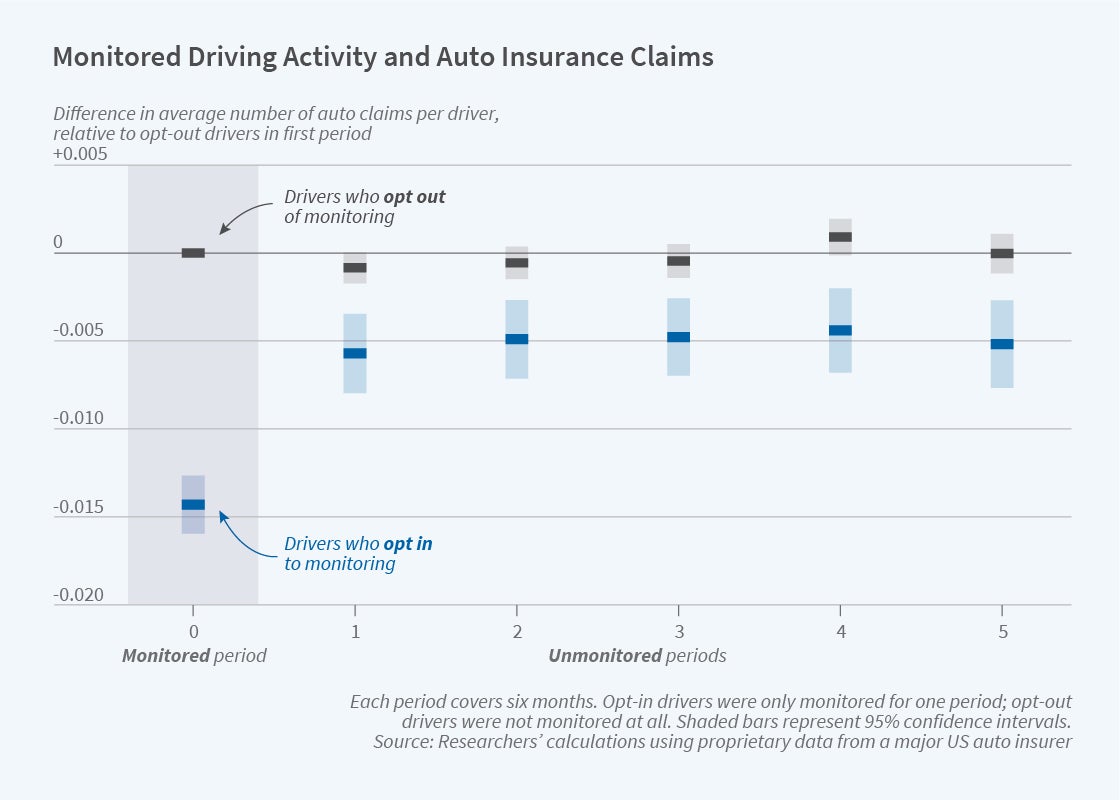
Once activated, these systems record specific driving metrics over a designated evaluation period, which typically spans 90 days to the duration of the policy term. The collected data is encrypted and transmitted securely via cellular networks or Bluetooth to the insurer's data processing servers. Algorithms then analyze these inputs to generate a comprehensive driving score. Drivers who consistently demonstrate safe habits—such as smooth deceleration, adherence to posted speed limits, minimal night driving, and a low overall annual mileage—are rewarded with substantial premium reductions, sometimes reaching up to 30% or more depending on the carrier and the specific program terms.
Types of Monitoring Technologies: Plug-In OBD-II vs. Smartphone Apps
When enrolling in a telematics discount program, policyholders generally encounter two distinct technological implementations: physical plug-in devices and software-based mobile applications. Each approach possesses unique operational characteristics, installation requirements, and potential drawbacks that consumers should evaluate before opting in.
| Feature / Attribute | Plug-In OBD-II Device | Smartphone Telematics App |
|---|---|---|
| Installation Method | Plugs into vehicle OBD-II port | Download app and grant permits |
| Hardware Requirement | Insurer ships physical device | Uses existing smartphone hardware |
| Battery / Power Source | Draws power from vehicle battery | Relies on phone battery |
| Accuracy | Direct vehicle computer metrics | GPS and phone sensor estimates |
| Distracted Driving Risk | None | Can log phone handling if active |
Plug-In OBD-II Devices
Physical OBD-II trackers remain the industry standard for many legacy insurance carriers. Once received in the mail, the user simply aligns the pins and pushes the unit into the vehicle's diagnostic port.
- Pros: These devices do not drain the smartphone battery, do not require cellular data usage from the consumer's plan, and record vehicle telemetry with high precision directly from the engine control unit (ECU). They also eliminate false readings that can occur when a driver is a passenger in someone else's car or riding public transit.
- Cons: They require physical installation, can occasionally interfere with knee space beneath the steering column, and must be returned at the end of the monitoring period to avoid non-return fees. Furthermore, some older vehicle models may experience minor battery drain if left parked for extended periods without being driven.
Smartphone Applications
App-based tracking has gained significant market share due to its convenience and zero-hardware-cost deployment. Users download the insurer's app, enable background location services, and allow motion sensor permissions.
- Pros: Setup takes minutes without waiting for shipping, there is no hardware to return, and the app runs passively in the background. Many apps also provide interactive trip dashboards that allow users to review individual journeys and identify areas for improvement.
- Cons: These apps consume noticeable smartphone battery life and cellular data. A significant operational challenge involves passenger vs. driver differentiation; if a policyholder rides the bus, takes a train, or sits in the passenger seat of a friend's car while the app is active, the system may record those transit events as driving behavior unless manually corrected within the application interface.
Enrollment Prerequisites and Eligibility Requirements
Qualifying for a free monitoring device and its associated discounts involves meeting specific administrative and mechanical criteria established by insurance providers. While most major carriers advertise these programs as universally available, policyholders must satisfy several core prerequisites before reaping the financial benefits.
First, the vehicle itself must be compatible with the monitoring technology. For OBD-II devices, the car must possess a functioning diagnostic port, which is legally mandated for all light-duty vehicles sold in the United States from 1996 onward. For app-based tracking, the user must possess a modern smartphone running an updated operating system (iOS or Android) capable of supporting continuous GPS tracking and background sensor monitoring.
Second, geographical and jurisdictional regulations dictate program availability. Insurance regulation is managed at the state level by departments of insurance. Certain states enforce strict statutory limits regarding whether insurers can use telematics data to increase rates or if they are restricted strictly to applying discounts. Consequently, discount programs and monitoring device availability vary significantly depending on the policyholder's state of residence.
Finally, policy status and driver history play a role in program entry. Most voluntary telematics programs are open to both new and existing policyholders. Upon enrollment, carriers often apply an immediate initial participation discount—frequently ranging from 5% to 10%—just for activating the device or app. The final discount is then calculated at the first policy renewal based on the recorded driving data.
Key Metrics Evaluated by Telematics Programs
Insurance algorithms do not evaluate driving quality based on a single metric; instead, they synthesize multiple distinct behavioral variables into an aggregated safety score. Understanding these metrics helps drivers modify their habits during the monitoring period to maximize savings.
- Speed Management: Exceeding posted speed limits significantly increases the statistical probability of a severe collision. Telematics devices track vehicle speed against GPS map databases of road speed limits. Frequent high-speed travel or excessive velocity over the limit negatively impacts the safety score.
- Hard Braking and Acceleration: Rapid deceleration and aggressive acceleration indicate erratic driving and increased wear on braking systems. The device's accelerometer measures G-force spikes. Smooth, gradual stops and steady acceleration preserve a high score.
- Time of Day (Temporal Risk): Actuarial data consistently shows that fatal accidents occur at disproportionately high rates during late-night hours, particularly between midnight and 4:00 AM. Driving frequently during these high-risk windows can lower a telematics score, even if the driving is otherwise flawless.
- Mileage: Total distance driven directly correlates with exposure risk. The fewer miles a vehicle accumulates annually, the lower the probability of an accident. Low-mileage drivers often receive substantial discounts through telematics programs independent of other behavioral metrics.
- Phone Distraction: Newer smartphone-based telematics apps monitor device interaction while the vehicle is in motion. Handling the phone, making un-handsfree calls, or texting while driving results in severe penalties to the driving score in programs designed to combat distracted driving.
Financial Implications: Costs, Savings, and Potential Surcharges
The primary motivation for adopting an auto insurance monitoring device is financial relief. However, consumers must carefully evaluate the cost-benefit structure, including potential risks associated with adverse driving data.
Upfront and Ongoing Costs
Legitimate insurance carriers provide the monitoring hardware and mobile applications entirely free of charge. The physical OBD-II device is shipped with a prepaid return mailer, and mobile apps are free to download from official app stores. Policyholders should exercise caution regarding third-party tracking gadgets sold independently online, as these are rarely integrated with insurance discount structures and may require monthly subscription fees.
Expected Savings
Initial participation discounts typically range from 5% to 10% upon activation. Upon completion of the monitoring period, permanent renewal discounts are applied based on the accumulated driving score. Safe drivers frequently report savings between 15% and 30%. In optimal scenarios—such as individuals who work from home, drive very few miles, and maintain flawless safety habits—discounts can approach maximum limits set by the carrier, often capped around 40%.
Surcharges and Rate Increases
A critical concern among consumers is whether poor driving scores can result in a rate hike. Historically, most programs promised that participation could only result in discounts or, at worst, no discount at all. However, modern rating structures vary by carrier and jurisdiction:
- Non-Punitive Programs: These guarantee that rates will never increase based on monitoring data. If driving habits are poor, the user simply receives no discount, and their base rate remains unchanged.
- Rate-Adjustable Programs: A growing number of insurers reserve the right to increase premiums at renewal if the telematics data reveals high-risk behavior, such as chronic extreme speeding or frequent distracted driving. Policyholders must review the specific terms and conditions of their insurance contract before enrollment to determine whether the program is strictly discount-oriented or bidirectional.
Step-by-Step Guide to Enrolling and Managing a Telematics Program
Successfully navigating an auto insurance monitoring program requires careful adherence to administrative steps and ongoing maintenance. The following sequence outlines the standard lifecycle of a telematics discount setup:
- Review Policy Terms: Contact the insurance provider or review online policy documents to confirm program availability, state eligibility rules, and whether the program includes rate-increase risk.
- Select the Delivery Method: Choose between the physical OBD-II plug-in device or the smartphone mobile application based on vehicle compatibility and personal preference.
- Complete Installation or Activation: If using a plug-in device, locate the OBD-II port beneath the steering column, insert the device firmly until secured, and verify that indicator lights confirm power. If using an app, download the software, log in with policy credentials, and grant all necessary location and motion permissions.
- Complete the Monitoring Period: Drive normally for the required duration, typically 90 days. Avoid altering driving habits artificially, as consistent data provides an accurate reflection of baseline risk.
- Review Trip Logs and Feedback: Monitor the companion app or online portal regularly to identify flagged events, such as unverified passenger trips or accidental hard braking instances, and submit corrections if supported by the carrier.
- Return Hardware (If Applicable): Upon completion of the monitoring window for OBD-II units, remove the device from the port and mail it back using the provided prepaid packaging to avoid non-return fees.
- Apply Discount to Renewal: Review the updated policy declarations page at the next renewal cycle to verify that the earned telematics discount has been successfully applied to the premium.
Common Pitfalls and Troubleshooting Tips
Participants occasionally encounter operational hurdles or unexpected score reductions during the monitoring period. Proactive troubleshooting resolves most technical and administrative issues.
- Incorrectly Logged Passenger Trips: If an app-based tracker scores a user poorly while they were riding in a bus or as a passenger in another car, log into the application dashboard immediately. Most modern apps feature a trip-classification tool that allows users to designate trips as "passenger," "public transit," or "rideshare," removing those events from the safety score calculation.
- Device Connectivity Drops: OBD-II devices occasionally lose cellular signal in remote or underground parking structures. This is normal and does not impact the overall score as long as connectivity is restored during regular driving. However, if the device remains disconnected for an extended period, contact customer support.
- Battery Drain Concerns: Vehicles driven infrequently may experience minor battery depletion from plug-in OBD-II devices drawing constant low-level power. If a vehicle sits idle for weeks at a time, check the battery health or notify the insurer to pause monitoring during storage periods.
- Privacy Considerations: Telematics devices continuously collect granular location and movement data. Review the insurer's privacy policy to understand how third-party data sharing is restricted and ensure comfort with the level of surveillance before committing to the program.
Frequently Asked Questions
Can an insurance company cancel my policy if I am a bad driver?
Most major insurers do not cancel standard auto policies solely based on poor telematics data collected during a discount monitoring program. However, in programs where rates are adjustable based on performance, poor driving habits can lead to significant premium increases at renewal. Reviewing the specific contract terms clarifies whether penalties are limited to loss of discount or include rate surcharges.
What happens if I switch insurance companies during the monitoring period?
If you cancel your policy before the monitoring period concludes, you generally forfeit any pending or preliminary participation discounts. If using a physical OBD-II device, you must return the hardware immediately to avoid non-return fees, and no final safety score or renewal discount will be calculated.
Do telematics devices track my location in real-time for law enforcement purposes?
No. Insurance telematics data is encrypted and utilized exclusively by the insurance carrier for actuarial risk assessment and premium calculation. Insurers do not share real-time tracking data with law enforcement agencies unless compelled by a formal legal subpoena or court order.
Will using a monitoring device affect my car's battery or electrical system?
Plug-in OBD-II devices draw minimal electrical current designed to operate safely within standard automotive parameters. They do not interfere with engine performance, safety features, or vehicle electronics. Vehicles driven regularly experience zero noticeable impact on battery longevity.
Can I opt out of the program after I have already started?
Yes. Most telematics discount programs are voluntary. If you decide you no longer wish to participate, you can contact your insurance provider to opt out. Your policy will revert to standard rating factors without telematics adjustments, though any temporary participation discounts will be removed upon cancellation.
Are there alternatives if I want a discount without tracking my driving?
Yes. Policyholders who prefer not to share driving data can explore traditional insurance discounts, such as bundling home and auto policies, maintaining a clean driving record without moving violations, enrolling in paperless billing, setting up automatic electronic fund transfers (EFT), or completing an approved defensive driving course.
Conclusion and Next Actions
Auto insurance free monitoring device programs offer a viable pathway for safe drivers to reduce their annual premiums significantly by aligning costs with actual behavior. To maximize success, review your insurer's specific terms to confirm whether the program is strictly discount-only or rate-adjustable, verify your vehicle or smartphone compatibility, and maintain consistent driving habits throughout the evaluation window. Contact your insurance agent or log into your online customer portal today to verify your eligibility and request your enrollment kit or mobile app setup instructions.
Image Gallery