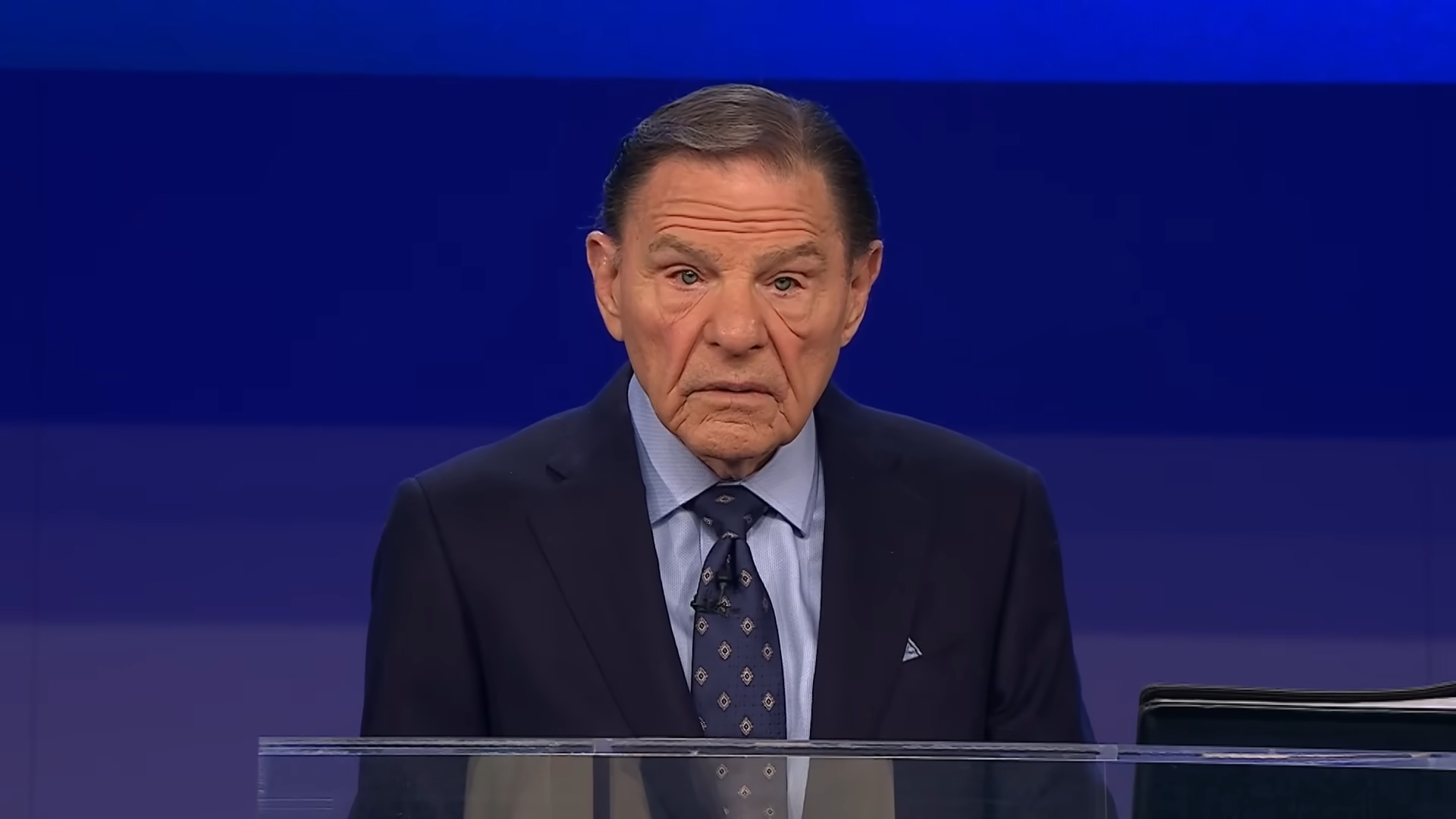
The Reality Behind Rumors: Why Kenneth Copeland Is Not Dead
Kenneth Copeland is alive and continues to lead his international television ministry, despite recurring internet death hoaxes. These unverified claims periodically surface on social media platforms like TikTok, X, and Facebook, often...
Kenneth Copeland is alive and continues to lead his international television ministry, despite recurring internet death hoaxes. These unverified claims periodically surface on social media platforms like TikTok, X, and Facebook, often exploiting search trends or manipulating old news headlines to generate online engagement.
Contents
Navigating the landscape of modern media requires a critical eye, especially when confronting sensational claims regarding high-profile public figures. Televangelist Kenneth Copeland, founder of Kenneth Copeland Ministries (KCM) and Eagle Mountain International Church based in Newark, Texas, has frequently been the subject of death rumors. These baseless reports circulate with predictable regularity, creating confusion among followers, media observers, and the general public. Understanding how these rumors originate, how to verify the factual status of public figures, and why digital misinformation spreads so rapidly helps contextualize the phenomenon surrounding these digital hoaxes.
The Anatomy of Internet Death Hoaxes
Internet death hoaxes have become a persistent byproduct of modern social media ecosystems. When a prominent figure, particularly an elder public personality, drops out of the public eye for a brief period or experiences routine health adjustments, opportunistic actors often exploit the vacuum.
Platforms optimized for viral engagement reward sensationalism. Algorithms frequently boost posts that evoke strong emotional reactions, such as shock, grief, or surprise. Consequently, a fabricated post claiming that a well-known televangelist has passed away can accumulate thousands of shares before fact-checkers or official representatives can issue a correction. These rumors often rely on several standard tactics:
- Recycling Outdated Headlines: Old articles regarding health scares, surgeries, or unrelated deaths of similarly named individuals are reposted with misleading current dates.
- Misinterpreting Routine Absences: When a ministry leader takes a scheduled break from broadcasting or public appearances, speculators interpret the absence as a medical emergency or fatality.
- Clickbait Monetization: Some unscrupulous websites intentionally publish false obituary notices to drive web traffic, capitalizing on advertising revenue generated by curious visitors.
- Parody and Satire Misconstrued: Satirical articles written by fictional news outlets are frequently stripped of their original context and shared as breaking news on mainstream social networks.
Verifying the Status of Kenneth Copeland Ministries
Official verification remains the most reliable method for disproving false reports concerning religious leaders and public personalities. Kenneth Copeland Ministries maintains an active digital footprint, regularly updating its broadcast schedules, publishing daily devotionals, and releasing statements through authorized channels.
| Verification Channel | Purpose | Reliability Indicator |
|---|---|---|
| Official KCM Website | Primary source for ministry updates, live streams, and press releases. | High — Managed directly by organizational staff. |
| Verified Social Media Accounts | Real-time announcements, video broadcasts, and direct responses to public queries. | High — Official blue checkmarks and historical consistency. |
| Local News Outlets (Texas) | Regional journalistic coverage of Eagle Mountain International Church events. | Moderate to High — Independent journalistic oversight. |
| Unverified Social Media Posts | Rumor aggregation, speculation, and unauthenticated screenshots. | Low — Prone to manipulation, bots, and misinformation. |
When evaluating the status of Kenneth Copeland, checking the official ministry portal or tuning into the Believer's Voice of Victory broadcast provides immediate confirmation of his ongoing operations. As of 2026, the ministry continues its regular publishing schedule, confirming that the televangelist remains an active participant in his organizational duties.
The Role of Social Media Platforms in Amplifying Misinformation
The rapid dissemination of unverified claims highlights structural vulnerabilities within contemporary digital communication networks. Social media companies deploy algorithms designed to maximize user retention. Content that triggers high engagement—even if later proven false—frequently achieves broader visibility than subsequent retractions.
Furthermore, the barrier to entry for publishing fabricated news has dropped significantly. Automated bot networks can artificially inflate the visibility of a death rumor, pushing specific keywords into trending topics. For followers of Kenneth Copeland, encountering these headlines can be distressing, underscoring the necessity of cross-referencing information against primary sources rather than relying on algorithmic feeds.
Historical Context of Health and Public Scrutiny
Kenneth Copeland has been a prominent figure in the Word of Faith movement since the late 1960s. Over decades of public ministry, his polarizing preaching style, financial transparency debates, and political commentary have made him a frequent subject of public scrutiny and media coverage.
Because of his high visibility, any fluctuation in his public schedule or commentary on his health naturally attracts intense public interest. During the COVID-19 pandemic, for instance, his televised rebukes of the virus and decisions regarding in-person services drew widespread media attention, cementing his status as a constant fixture in both religious and secular news cycles. This sustained level of public awareness makes him a frequent target for internet death hoaxes, as sensational claims regarding his health or mortality reliably generate high web traffic for malicious actors.
Common Mistakes When Evaluating Online Rumors
When users encounter alarming reports online, certain cognitive biases and behavioral mistakes often lead them to spread misinformation inadvertently. Avoiding these pitfalls ensures a more accurate understanding of current events:
- Failing to Check Timestamps: Users often share breaking news posts without noticing that the original article was published years prior.
- Trusting Unverified Accounts: Accepting screenshots or posts from anonymous profiles as factual evidence without seeking corroboration from recognized news outlets or official representatives.
- Emotional Reactivity: Allowing shock or surprise to override critical thinking, resulting in immediate sharing before verification.
- Ignoring Primary Sources: Relying solely on secondary commentary or social media threads rather than visiting the official website of the organization in question.
Frequently Asked Questions
Is Kenneth Copeland still preaching?
Yes. Kenneth Copeland continues to record broadcasts for the Believer's Voice of Victory television program and speaks at various ministry events hosted by Kenneth Copeland Ministries.
Why do rumors about Kenneth Copeland's death keep appearing?
Internet death hoaxes regarding aging public figures typically circulate due to online trolls, clickbait websites seeking advertising revenue, or algorithmic amplification of unverified social media posts.
Where can I check official updates from Kenneth Copeland Ministries?
Official updates, live broadcasts, and verified announcements can be found directly on the official Kenneth Copeland Ministries website and their verified social media channels.
How can I distinguish between real news and a death hoax?
Always check the publication date, verify whether major reputable news outlets or official organizational channels have reported the story, and avoid sharing screenshots or posts from unverified social media accounts.
What should I do if I see a false death rumor online?
Refrain from sharing or commenting on the post, as engagement metrics can artificially boost its visibility. Instead, report the post to the platform administrators for spreading misinformation when reporting features are available.
Conclusion and Next Actions
Internet rumors regarding the mortality of public figures like Kenneth Copeland highlight the ongoing challenge of digital misinformation. By relying on official ministry channels, verifying timestamps, and maintaining skepticism toward sensational social media posts, observers can easily separate fabricated internet myths from verifiable reality. For those seeking accurate information regarding his ministry schedule and public appearances, consulting the official Kenneth Copeland Ministries portal remains the definitive course of action.
Image Gallery