Comprehensive Cordoba Argentina City Overview: Culture, Geography, Economy, and Travel
Córdoba, Argentina, serves as the vibrant cultural, historical, and economic anchor of the country's central region. Known widely as "La Docta" (The Learned City) due to its historic academic pedigree, Córdoba blends deep-rooted coloni...
Córdoba, Argentina, serves as the vibrant cultural, historical, and economic anchor of the country's central region. Known widely as "La Docta" (The Learned City) due to its historic academic pedigree, Córdoba blends deep-rooted colonial heritage with a dynamic, youthful energy driven by one of South America's most prominent student populations.
Contents
Introduction to Córdoba, Argentina
Nestled in the foothills of the Sierras Chicas, Córdoba is the capital of Córdoba Province and the second-most populous city in Argentina after Buenos Aires. It occupies a strategic geographical position in the geographical heart of the nation, roughly 700 kilometers northwest of Buenos Aires.
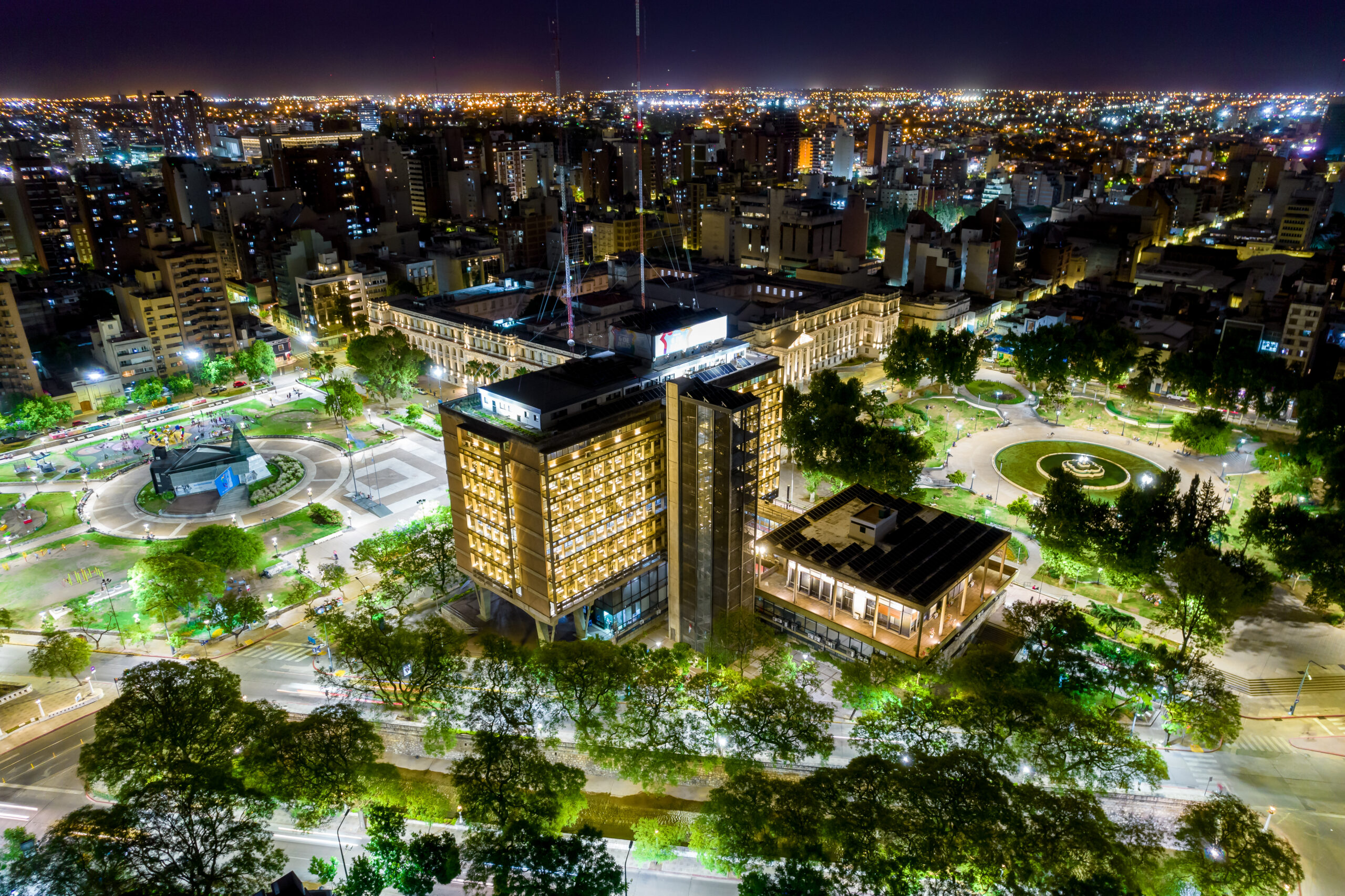
The city is characterized by a unique juxtaposition: impeccably preserved 17th-century Spanish colonial architecture sits alongside modern high-rise commercial developments and sprawling industrial parks. For travelers, academics, and business professionals alike, Córdoba represents an essential gateway to understanding the diverse cultural fabric of interior Argentina.
Historical Foundations and Architectural Heritage
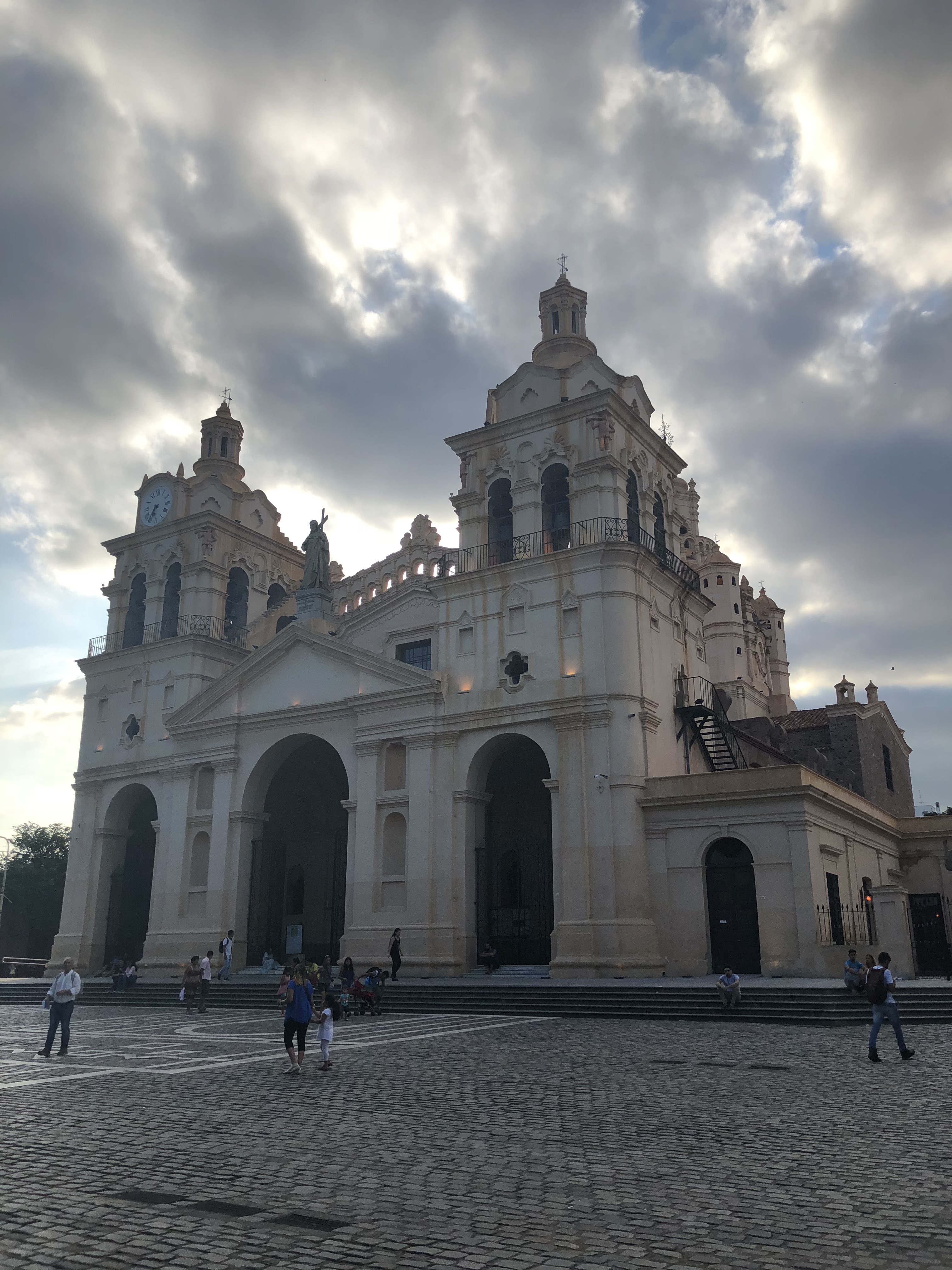
Understanding Córdoba requires examining its colonial genesis. Founded on July 6, 1573, by the Spanish conquistador Jerónimo Luis de Cabrera, the city was established as a strategic stronghold connecting the Viceroyalty of Peru to the Atlantic ports.
The Jesuit Block and Estancias
The defining historical element of Córdoba is the Jesuit Block (Manzana Jesuítica), designated as a UNESCO World Heritage Site in 2000. Constructed in the early 17th century by the Society of Jesus, this complex includes:
- The Colegio Nacional de Monserrat: One of the oldest secondary schools in the Americas.
- The Universidad Nacional de Córdoba: Founded in 1613, it holds the title of the oldest university in Argentina.
- The Church of the Society of Jesus: Renowned for its barrel-vaulted cedar ceiling and baroque golden altarpiece.
Surrounding the central urban core are the historic Jesuit Estancias—large agricultural and livestock estates such as Alta Gracia, Santa Catalina, and Jesús María—which demonstrate the immense socioeconomic footprint of the Jesuit order during the colonial era.
Geography, Climate, and Urban Layout
Córdoba sits in a fertile valley crossed by the Suquía River (historically known as the Primero River). The surrounding topography is defined by the Sierras de Córdoba mountain range, providing residents and visitors with immediate access to rugged natural landscapes, rivers, and outdoor recreation areas.
Climate Profile
The city experiences a humid subtropical climate (Köppen: Cwa), characterized by four distinct seasons:
- Summers (December to February): Warm to hot, with frequent afternoon thunderstorms and average high temperatures reaching 31°C (88°F).
- Winters (June to August): Generally mild during the day, with temperatures averaging 18°C (64°F), but dropping close to freezing at night. Precipitation is minimal during these months.
- Spring and Autumn: Serve as transitional periods featuring pleasant, temperate weather ideal for walking tours and regional exploration.
Urban Geography
The city layout follows a traditional Spanish colonial grid centered around Plaza San Martín. Branching out from this historic plaza are major pedestrian thoroughfares, government buildings, and commercial arteries. Surrounding the historic center are diverse neighborhoods (barrios), such as Nueva Córdoba (known for high-density student housing and nightlife), Güemes (famous for its artisan markets and bohemian culture), and Alta Córdoba.
Economy, Industry, and Higher Education
While Buenos Aires dominates financial services, Córdoba functions as Argentina’s primary industrial and technological powerhouse outside the capital.
Industrial Backbone
Often called the "Detroit of Argentina," Córdoba has a long-standing manufacturing tradition, particularly in the automotive and aerospace sectors. Major international automotive brands, including Renault, Fiat, and Volkswagen, operate large-scale production facilities here. Additionally, the city hosts significant component manufacturers and aeronautical development centers, tracing its aerospace lineage back to the mid-20th-century Fábrica Militar de Aviones.
Technological Innovation and Software
In recent decades, Córdoba has emerged as a prominent tech hub in Latin America. Fueled by local talent graduating from regional institutions, the city hosts numerous software development firms, tech startups, and digital service providers, supported by government initiatives like the Córdoba Technology Cluster.
Higher Education Hub
Education remains a pillar of the local economy and identity. The Universidad Nacional de Córdoba (UNC) enrolls over 130,000 students, complemented by prestigious private institutions such as the Catholic University of Córdoba (UCV) and the Blas Pascal University. This massive student demographic infuses the city with a perpetually youthful, progressive cultural pulse.
Culture, Arts, and Lifestyle
The cultural landscape of Córdoba is multifaceted, shaped by its academic institutions, traditional folk roots, and modern urban arts.
Music and Entertainment
- Cuarteto: Córdoba is the undisputed birthplace of cuarteto, a fast-paced, highly energetic genre of tropical dance music popularized by icons like Carlos "La Mona" Jiménez. Concerts and dance halls (bailantas) are weekend staples across the city.
- National Theater and Museums: The city boasts robust cultural infrastructure, including the Teatro Libertador General San Martín, the Evita Fine Arts Museum (Palacio Dionisi), and the Museo Superior de Bellas Artes Evita.
Gastronomy
Coredobese cuisine blends traditional Argentine staples with regional specialties:
- Locro: A hearty, traditional corn and meat stew consumed widely during national holidays.
- Alfajores Cordobeses: Unlike the rich chocolate-covered varieties of Buenos Aires, traditional Córdoba alfajores feature crumbly pastry shells filled with fruit preserves (typically membrillo or cayote).
- Fernet con Cola: While popular nationwide, Córdoba consumes more Fernet Branca mixed with Coca-Cola per capita than anywhere else in the world, cementing it as the unofficial regional cocktail.
Transportation and Infrastructure
Navigating Córdoba and connecting to broader regional transit networks relies on a combination of air, road, and public transit systems.
| Transit Mode | Primary Hub / Service Provider | Key Function |
|---|---|---|
| Air Travel | Ingeniero Aeronáutico Ambrosio L.V. Taravella International Airport (COR) | Connects Córdoba to major domestic hubs and international destinations in South America. |
| Long-Distance Bus | Terminal de Ómnibus de Córdoba | One of the largest bus terminals in the country, offering extensive routes to all Argentine provinces. |
| Public Transit | Municipal Bus Fleet (TAMSE, Coniferal, Ersa) | Operates urban and suburban routes using the rechargeable Red Bus card system. |
| Road Network | National Routes 9, 20, and 36, plus provincial highway systems | Links the city directly to Buenos Aires, Rosario, Mendoza, and the Sierras. |
Comparative Overview: Córdoba vs. Other Argentine Cities
To better understand Córdoba's unique profile, it helps to compare its core attributes with Argentina's other major metropolitan centers.
| Feature | Córdoba | Buenos Aires | Mendoza |
|---|---|---|---|
| Primary Identity | Historic academic and industrial hub | Cosmopolitan federal capital and cultural port | Wine capital and Andean adventure tourism center |
| Population Scale | Second largest (~1.5 million urban) | Largest (~3 million city, 15 million metro) | Medium (~1.1 million metro) |
| Architectural Style | Spanish colonial mixed with modern high-rises | European-influenced nineteenth-century architecture | Low-rise, earthquake-resistant urban layout |
| Economic Drivers | Automotive, tech, education, agriculture | Finance, government, trade, tourism | Viticulture, oil, mining, tourism |
Frequently Asked Questions
What is Córdoba, Argentina, best known for?
Córdoba is best known for its colonial-era Jesuit Block, its historic university founded in 1613, its vibrant student culture, and its role as Argentina's primary automotive and industrial manufacturing center outside of Buenos Aires.
Is Córdoba safe for international travelers?
Like any major Latin American city, Córdoba requires standard urban precautions. While the historic center, Nueva Córdoba, and major tourist areas are generally safe during the day and early evening, visitors should remain aware of their surroundings, avoid unlit areas at night, and guard against petty theft and pickpocketing in crowded public transit zones.
How do I get from Buenos Aires to Córdoba?
Travelers can take a domestic flight from Buenos Aires (AEP or EZE) to Córdoba's Pajas Blancas Airport (COR), which takes approximately one hour and fifteen minutes. Alternatively, long-distance luxury buses (coche cama) operate frequently between Buenos Aires and the Córdoba Bus Terminal, taking between nine and ten hours.
What is the best time of year to visit Córdoba?
The shoulder seasons of autumn (March to May) and spring (September to November) offer the most pleasant weather, with mild daytime temperatures and comfortable conditions for walking tours and exploring the surrounding Sierras de Córdoba.
What regional foods should I try while in Córdoba?
Visitors should sample traditional locro stew, regional empanadas (which often feature a touch of sweetness), local alfajores filled with fruit preserves, and the ubiquitous local drink pairing: Fernet con Cola.
Practical Recommendations for Visitors
When planning a trip or relocation to Córdoba, travelers and professionals should allocate at least three to four days to explore the urban core and the immediate surrounding mountain towns, such as Villa Carlos Paz, Alta Gracia, and La Cumbrecita. Ensure that you utilize official taxi services or rideshare applications registered in the city, and always carry a mix of card payment methods and Argentine pesos for smaller establishments.
Image Gallery