How Afghanistan Dogs Shape City Life in Herat
Free-roaming and working canines play a complex, daily role in Herat, influencing urban safety, waste management, public health, and community dynamics through their adaptation to the city's distinct neighborhoods, historical layout, a...
Free-roaming and working canines play a complex, daily role in Herat, influencing urban safety, waste management, public health, and community dynamics through their adaptation to the city's distinct neighborhoods, historical layout, and economic rhythms.
Contents
The Urban Ecosystem of Herat and Its Canine Populations
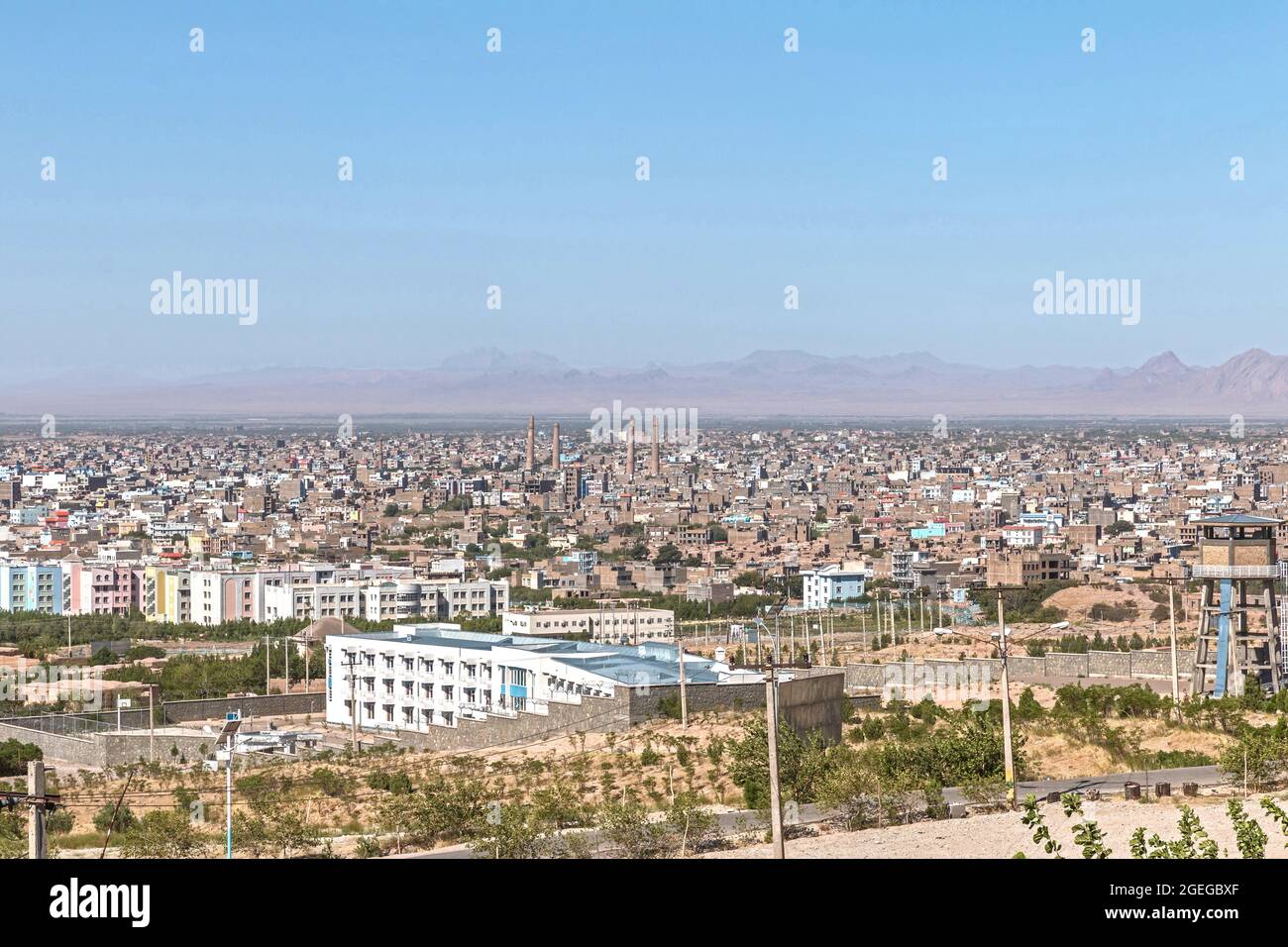
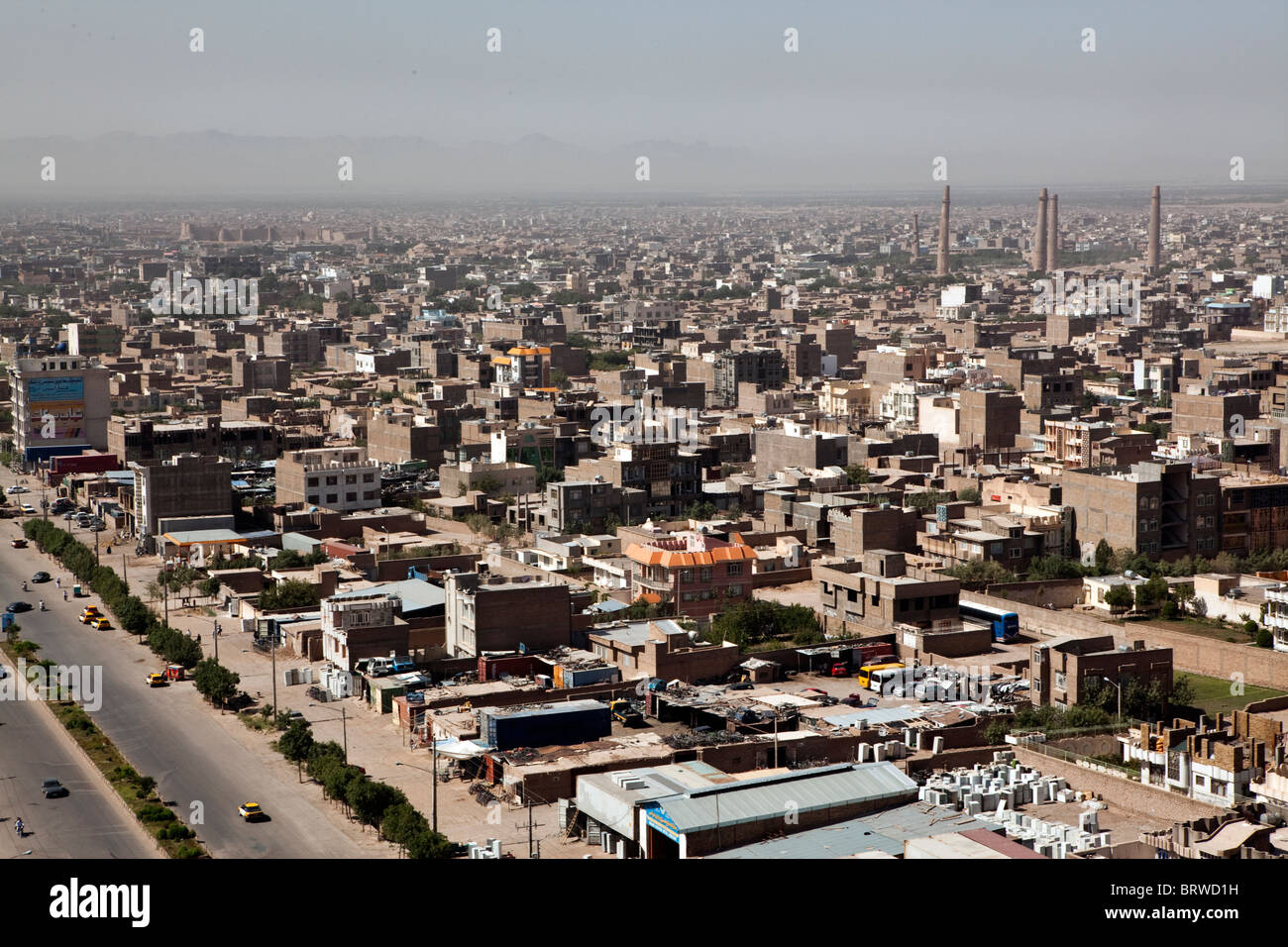
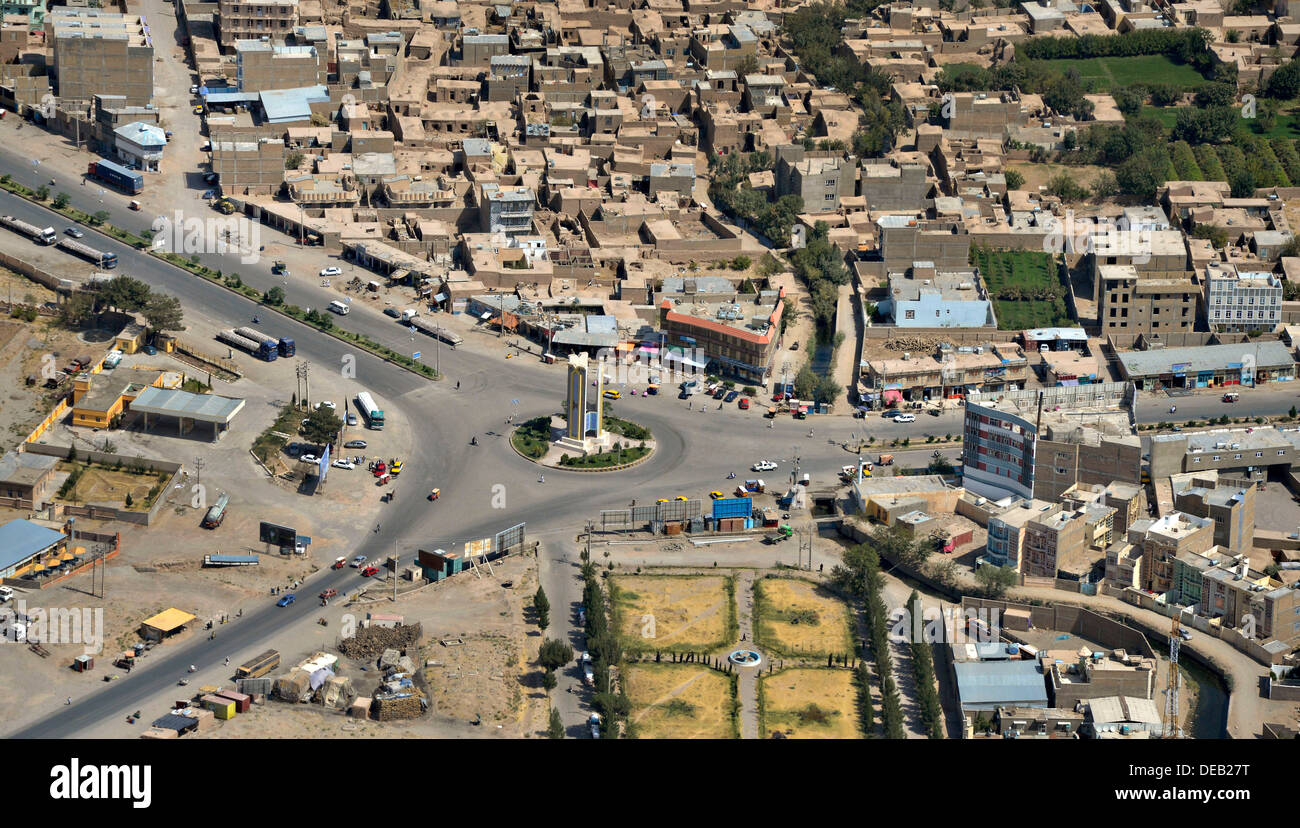
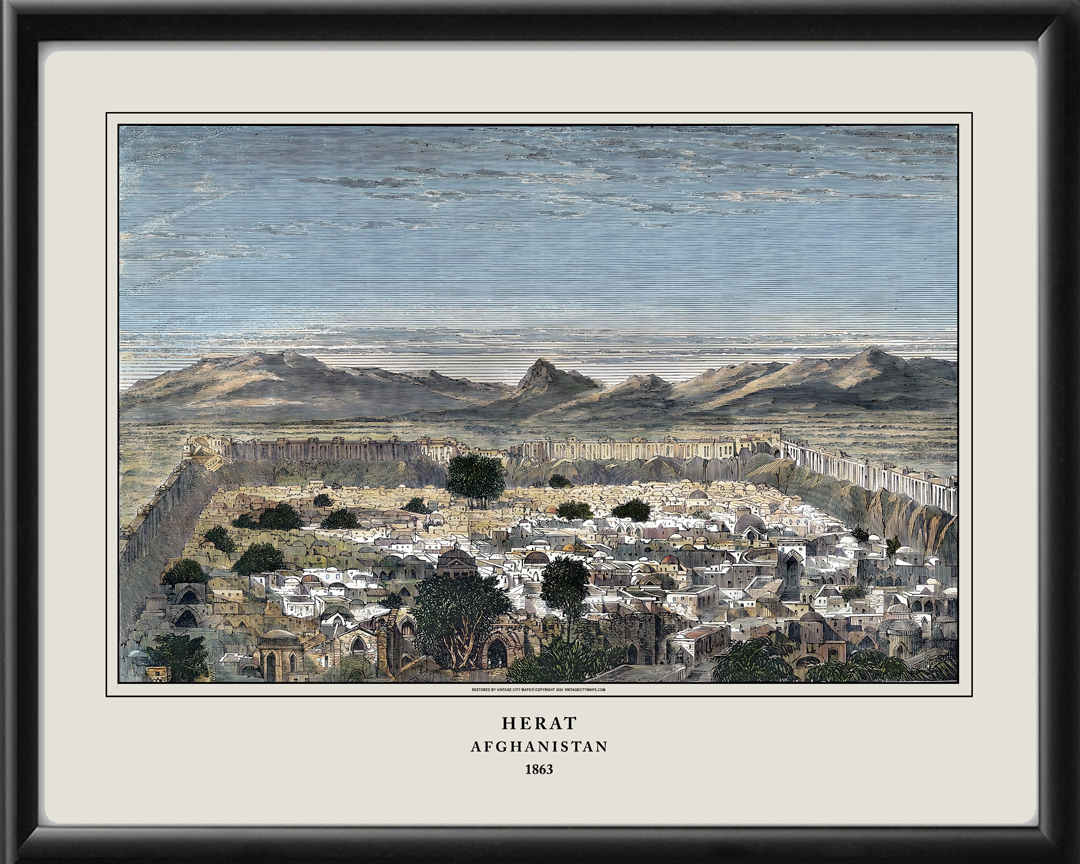
Herat, one of Afghanistan's oldest and most historically significant cultural centers, presents a dense urban environment where human activity and animal life intersect continuously. The city's architectural layout—characterized by ancient citadel walls, bustling bazaars, narrow residential alleys, and sprawling modern outskirts—creates varied micro-environments. Within this setting, dogs form an integral part of the streetscape. Unlike Western urban centers where animal populations are strictly managed through centralized municipal sheltering systems, Herat’s canine demographic consists of a mix of free-roaming local street dogs, working guard dogs tied to residential compounds or shops, and pastoral breeds brought in by nomadic Kuchis or traders traveling along regional routes.
The presence of these animals is deeply woven into the daily rhythm of urban life. Early in the morning, before the commercial markets fully open, dogs scavenge near butcher stalls and open-air food vendors. As the day progresses and pedestrian traffic peaks around the Great Mosque of Herat and the Herat Citadel, the dogs adapt by finding shade in courtyards or maintaining a cautious distance from heavy bicycle and vehicular traffic. This coexistence is shaped by a combination of traditional cultural attitudes, practical utility, and the absence of fully funded, continuous municipal animal control infrastructure.
Public Health, Safety, and Disease Management
The relationship between Herat residents and urban dogs involves a constant balancing act between utility and public health concerns. One of the most critical issues governing human-canine dynamics in the city is the management of zoonotic diseases, most notably rabies. Because Herat relies heavily on intermittent veterinary interventions managed by local and international non-governmental organizations, rabies control remains an ongoing public health challenge. Local health clinics periodically coordinate vaccination drives, yet reaching the entire free-roaming population is difficult due to resource constraints and the sheer geographic spread of the metropolitan area.
At the same time, the local community employs traditional methods of risk mitigation. Residents generally understand the behavioral patterns of neighborhood packs, recognizing territorial boundaries and maintaining caution around unfamiliar or cornered animals. Street dogs in Herat often act as an informal sanitation workforce. By consuming organic waste, discarded food scraps, and offal left outside markets, they prevent the accumulation of rotting organic matter in alleys, which would otherwise attract rodents and create severe hygiene hazards. However, this scavenging behavior also brings dogs into close proximity with residential areas, leading to occasional conflicts over territory, noise during the night, and safety concerns for children walking to local schools.
Working Dogs: Protection, Herding, and Economic Utility
Beyond free-roaming scavengers, distinct working roles define how dogs interact with Herat's economy and security infrastructure. Property protection remains a primary function for large, powerful regional breeds such as the Afghan Mastind (often referred to locally as the Kuchi dog or Sage Koochee). These dogs are valued for their immense strength, thick coats suited to harsh winters and hot summers, and fierce loyalty.
In the industrial and agricultural peripheries of Herat, as well as in wealthier residential neighborhoods, these guard dogs secure warehouses, orchards, and private compounds. Their presence acts as a powerful deterrent against trespassing and theft.
| Dog Category | Primary Role | Habitat / Environment | Interaction with Humans |
|---|---|---|---|
| Free-Roaming Street Dogs | Scavenging and organic waste reduction | Bazaars, alleys, open markets | Tolerated or avoided; dependent on discarded food |
| Compound Guard Dogs | Property security and deterrence | Residential walls, commercial yards | Strictly managed by owners; high territorial instinct |
| Livestock/Nomadic Dogs | Herding and predator defense | City outskirts, seasonal migration routes | Closely bonded with handlers and livestock herds |
Livestock and working dogs also enter the city alongside nomadic pastoralists and merchants. During seasonal migrations or market days, these working animals demonstrate specialized behaviors tailored to managing sheep and goat flocks through congested urban thoroughfares. Their discipline contrasts sharply with the independent nature of the city's street packs, highlighting the diverse functional categories of canines present in the urban landscape.
Cultural Perceptions, Welfare, and Community Attitudes
Cultural and religious perspectives significantly influence how Herat residents treat and perceive dogs. In Islamic tradition, dogs occupy a nuanced space. While traditional jurisprudence often views dogs as ritually impure (najis) regarding indoor domestic habitation and prayer spaces, Islamic ethics strongly emphasize kindness to all living creatures. Consequently, cruelty toward animals is widely condemned by community elders and religious scholars in Herat.
This ethical framework manifests in everyday acts of compassion. It is common to see shopkeepers tossing leftover bread or meat scraps to regular neighborhood dogs, establishing an informal patron-animal relationship. Conversely, fear of disease or sudden aggression can trigger defensive reactions among citizens. Animal welfare initiatives in Herat face unique operational hurdles, balancing the need for humane population control—such as Catch-Neuter-Vaccinate-Release (CNVR) programs—with community education regarding animal behavior, bite prevention, and responsible pet ownership.
Frequently Asked Questions
Are street dogs common in the residential neighborhoods of Herat?
Yes, free-roaming dogs are a frequent sight throughout Herat's residential alleys and commercial districts. They typically form loose packs tied to specific neighborhoods where food sources like open markets or household waste are accessible.
How do Herat residents protect themselves against rabies?
Public health protection relies on a combination of periodic vaccination campaigns conducted by health organizations, traditional caution around unfamiliar animals, and local medical access to post-exposure prophylaxis at Herat regional hospitals when bites occur.
What kinds of dogs are used for guarding property in Herat?
Large, indigenous Molosser-type breeds—often associated with Kuchi nomadic lineages—are the preferred choice for guarding residential compounds, factories, and agricultural lands due to their endurance, size, and protective instincts.
Do people in Herat keep dogs as indoor pets?
Keeping dogs inside family living quarters is rare in Herat, largely influenced by traditional cultural norms and religious considerations regarding ritual cleanliness. Dogs are primarily kept outdoors as working animals, guards, or tolerated street residents.
What role do street dogs play in urban sanitation?
Street dogs act as natural scavengers by consuming organic waste, bones, and discarded food from markets. This reduces the amount of rotting refuse accumulating in public spaces, though it requires management to prevent public health risks.
Conclusion and Next Steps
Understanding how canines shape city life in Herat requires looking beyond simple street-level encounters to examine a complex web of public health dynamics, economic utility, and cultural traditions. For travelers, researchers, and humanitarian workers operating in the region, recognizing these urban animal dynamics provides critical insight into Herat's daily infrastructure. Anyone engaging with local community development or public health initiatives in the city should prioritize supporting coordinated veterinary vaccination programs and fostering sustainable waste management practices that reduce human-animal friction.
Image Gallery