Navigating the Role and Selection of Arizona Adoption Attorneys
Arizona adoption attorneys play a critical legal role in guiding prospective parents, birth parents, and agencies through the state-specific statutory frameworks required to finalize an adoption. Securing qualified legal representation...
Arizona adoption attorneys play a critical legal role in guiding prospective parents, birth parents, and agencies through the state-specific statutory frameworks required to finalize an adoption. Securing qualified legal representation ensures compliance with the Arizona Revised Statutes (A.R.S. Title 8), protects the rights of all involved parties, and mitigates the risk of procedural delays or contested proceedings in the Superior Court of Arizona.
Contents
Understanding the Legal Landscape of Adoption in Arizona
Adoption law in Arizona is strictly regulated by statute, dictating everything from who is eligible to adopt to the specific timelines and methods for terminating parental rights. Navigating these requirements demands a deep understanding of family law, interstate compact regulations, and tribal law provisions where applicable.
Statutory Framework Under Arizona Law
The foundation of Arizona adoption law is codified primarily in Title 8 of the Arizona Revised Statutes. These statutes outline the legal distinctions between agency adoptions, independent placements, stepparent adoptions, and relative adoptions. An experienced adoption attorney must interpret these codes accurately to ensure that every document filed meets the stringent standards of the local superior court. Failing to adhere to statutory notification periods or consent requirements can invalidate an adoption proceeding entirely.
Types of Adoption Handled by Counsel
Attorneys specializing in this field manage several distinct legal pathways, each presenting unique challenges:
- Agency Adoptions: Involves licensed private or public child-placing agencies where the agency holds custody or placement authority.
- Independent Adoptions: Placements arranged directly between birth parents and adoptive parents, typically requiring court-approved home studies and independent legal representation for distinct parties.
- Stepparent and Relative Adoptions: Streamlined in certain procedural aspects, yet still requiring precise termination of biological parental rights or proof of abandonment.
- Interstate Compact on the Placement of Children (ICPC): Complex multi-state procedures that govern the legal transfer of a child across state lines for adoption purposes.
The Core Responsibilities of an Arizona Adoption Attorney
Legal counsel in an adoption proceeding does more than simply file paperwork; they act as project managers, mediators, and courtroom advocates. The responsibilities shift depending on whether the attorney represents the prospective adoptive parents, the birth parents, or an adoption agency.
Protecting Rights and Securing Consents
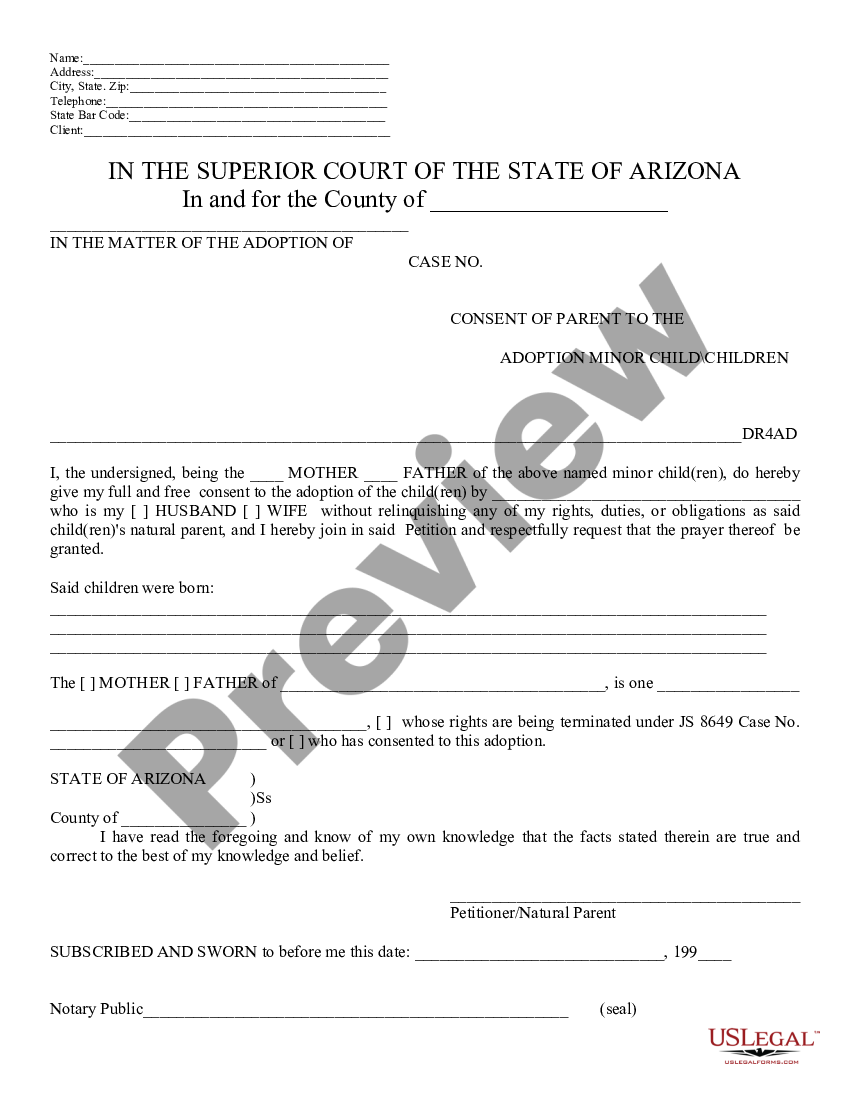
One of the most delicate and legally critical phases of any adoption is the execution of consent by the birth parents. Arizona law imposes strict waiting periods—such as prohibiting the signing of a permanent consent to adopt until a specified number of hours after the birth of the child—and outlines exact procedures for how that consent must be witnessed or acknowledged. Attorneys ensure that these consents are obtained voluntarily, without coercion, and in strict compliance with A.R.S. § 8-106 and related statutes, shielding the placement from future challenges.
Home Studies and Background Clearances
Before a court will finalize an adoption, prospective parents must undergo a comprehensive certification process, commonly known as a home study. While social work agencies or certified home study providers conduct the actual evaluation, adoption attorneys coordinate these evaluations to ensure they satisfy the requirements of the Arizona Department of Child Safety (DCS) or the court. This includes compiling fingerprint clearances, medical reports, financial disclosures, and personal references.
Choosing the Right Legal Representation
Selecting the appropriate counsel requires evaluating specific professional credentials, experience levels, and communication styles. Because adoption law intersects with emotional vulnerability and high financial stakes, vetting an attorney carefully is essential.
| Evaluation Criteria | What to Look For | Why It Matters |
|---|---|---|
| Specialized Experience | Focus on family law with a heavy emphasis on A.R.S. Title 8 adoption cases. | Ensures fluency in local court customs and recent statutory amendments. |
| Transparent Fee Structure | Clear division of legal fees, court costs, home study fees, and birth parent expenses. | Prevents unexpected financial burdens during a costly life transition. |
| Communication Policy | Responsive staff and direct access to the attorney for time-sensitive crises. | Reduces anxiety during volatile waiting periods, such as ICPC clearances. |
| Professional Network | Established relationships with licensed agencies, mediators, and social workers. | Streamlines the logistical coordination required for successful placements. |
Financial and Procedural Considerations
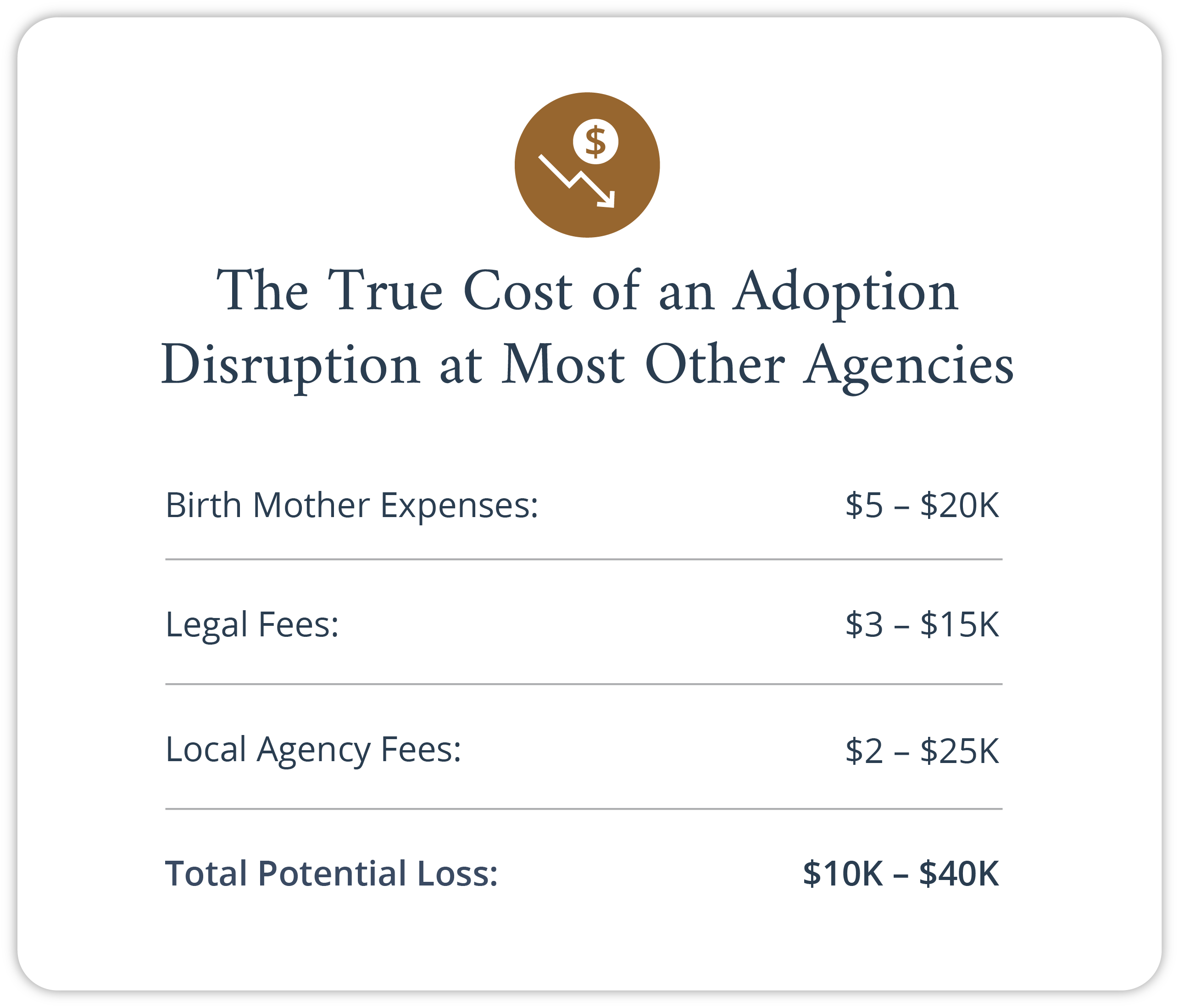
The financial aspects of adoption can be complex, involving legal fees, court filing costs, birth mother medical expenses permitted by Arizona law, and agency fees. Attorneys play a vital role in ensuring that all financial transactions comply with state laws prohibiting the purchase or sale of children. Under Arizona law, certain expenses related to pregnancy and birth can be paid by adoptive parents, but they must be fully disclosed to and approved by the court.
Timelines and Court Finalization
The timeline from initial consultation to the final adoption decree varies widely. An uncontested stepparent adoption may resolve in a matter of weeks or a few months, whereas an independent infant adoption can involve months of waiting before and after placement. Attorneys manage the statutory waiting periods, schedule finalization hearings, and draft the final decrees that legally establish the parent-child relationship, including amendments to birth certificates.
Frequently Asked Questions
What are the basic eligibility requirements to adopt a child in Arizona?
Any adult resident of Arizona, whether single or married, may petition the court to adopt a child. Prospective adoptive parents must be at least 18 years old and undergo a thorough fingerprint-based criminal history check and a comprehensive home study evaluation to determine their physical, mental, and financial fitness.
Can birth parents change their mind after signing adoption papers in Arizona?
Once a valid, irrevocable consent to adopt is signed in accordance with Arizona statutory requirements, it is extremely difficult to revoke. Revocation generally requires proving fraud, duress, or coercion before the court. Attorneys ensure that the consent process is executed meticulously to prevent post-placement disruptions.
Do birth parents need their own attorney in an independent adoption?
While not always strictly mandated by every local circumstance, independent adoptions frequently involve separate legal counsel for birth parents to ensure their rights are fully explained and that their consent is given knowingly and voluntarily, which strengthens the legal validity of the adoption.
How does the Interstate Compact on the Placement of Children (ICPC) affect Arizona adoptions?
If a child is born in another state and brought to Arizona for adoption, or vice versa, the ICPC requires official administrative approval from the sending and receiving state compact administrators before the child can cross state lines. Attorneys experienced in interstate adoptions coordinate these clearances to prevent illegal transport violations.
What is the role of the Arizona Department of Child Safety (DCS) in adoptions?
DCS is involved primarily in public foster care adoptions. For private or independent adoptions, DCS involvement is usually limited to reviewing background clearances, home study certifications, and statutory notifications required by the superior court during the petition process.
Next Actions and Legal Consultation
For individuals and families embarking on the adoption journey in Arizona, the most effective first step is to schedule an initial consultation with a qualified adoption attorney or a Fellow of the American Academy of Adoption Attorneys (AAAA) practicing within the state. Gather your preliminary questions, examine your readiness for home study evaluations, and verify that your chosen professional has a proven track record within the specific county superior court where your petition will be filed.
Image Gallery