How Passport Number Verification Works: Mechanisms, Protocols, and Security Standards
Passport number verification is a digital and manual validation process used by governments, financial institutions, airlines, and border control agencies to confirm that a given passport number corresponds to a legitimate, active trav...
Passport number verification is a digital and manual validation process used by governments, financial institutions, airlines, and border control agencies to confirm that a given passport number corresponds to a legitimate, active travel document and belongs to the individual presenting it. This process safeguards against identity fraud, ensures regulatory compliance, and secures international transit.
Contents
The Foundations of Passport Data Integrity
To understand how passport number verification functions, one must first understand how a passport number is structured and secured. Unlike standard identification numbers, a passport number is not a random sequence of digits. It is tied directly to biometric and biographical data inscribed within the physical booklet and encoded inside an embedded microchip.
Structure of a Passport Number
Every issuing country maintains a distinct syntax for its passport numbers. These identifiers typically comprise a combination of alphanumeric characters unique to the issuing authority, the series of the document, and a sequential identifier.
- Country-Specific Formats: For example, United States passport numbers consist of nine digits, while UK passport numbers consist of nine numeric digits issued in a specific format sequence. Other nations integrate letters at the beginning or end to denote the issuing regional office or document type (such as diplomatic or standard tourist).
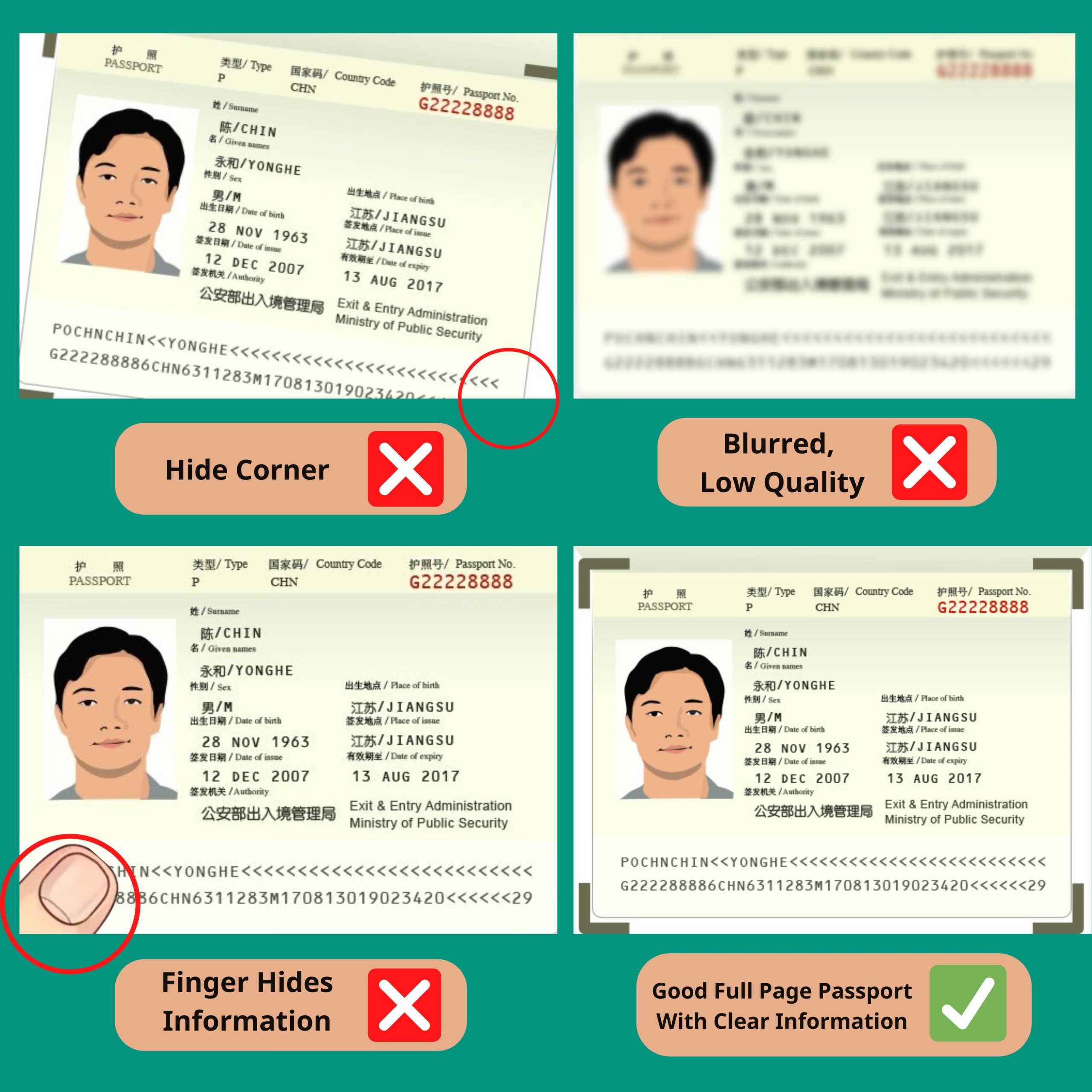
- Machine-Readable Zone (MRZ): At the bottom of the passport’s biographical data page is the MRZ, structured according to International Civil Aviation Organization (ICAO) Doc 9303 standards. The MRZ encodes the passport number, nationality, date of birth, sex, passport expiration date, and personal identification numbers into two or three lines of standardized OCR-B text.
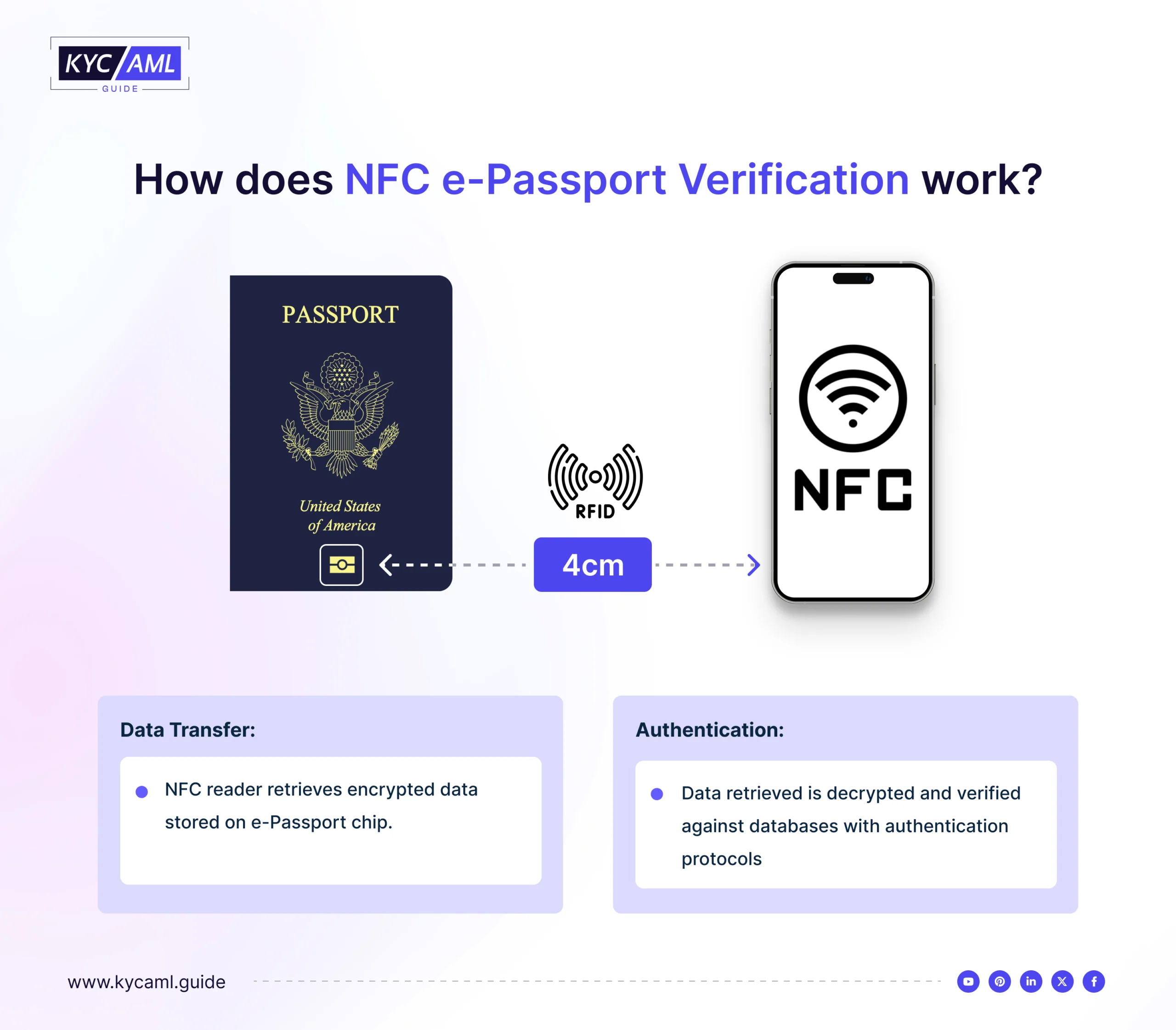
- Biometric Chips (ePassports): Modern electronic passports (ePassports) contain a radio frequency identification (RFID) chip. This chip stores a digital replica of the biographical data, a digital photograph, and cryptographic security certificates issued by the country of origin.
Core Mechanisms of Verification
When an organization needs to verify a passport number, it rarely relies on checking the number in isolation. A standalone number check is vulnerable to typo errors or fraudulent creation. True verification requires a multi-layered validation approach, categorized into visual, algorithmic, and database-driven checks.
1. Algorithmic Checksum Validation
Many issuing authorities embed mathematical check digits within the Machine Readable Zone. When an automated system scans a passport, it runs a checksum algorithm across the passport number, date of birth, and expiration date.
- If a single digit in the passport number is mistyped or altered, the checksum fails instantly.
- This initial screening prevents data entry errors before external database queries are executed, saving processing time for financial institutions and travel operators.
2. Optical Character Recognition (OCR) and Document Scanning
Advanced verification software uses OCR to read the text on the passport data page and the MRZ simultaneously.
- The system cross-references the visually printed passport number with the number encoded in the MRZ.
- Any discrepancy between the visual inspection zone and the machine-readable lines triggers a verification failure, indicating potential tampering or physical alteration of the document.
3. Electronic Database Cross-Checking
The most robust form of verification involves querying authorized government databases, international security registries, or authorized identity-as-a-service (IDaaS) networks. Because privacy laws restrict direct public access to central government citizen databases, verification is typically handled through secure, API-driven gateways or specialized compliance intermediaries.
- Interpol Stolen and Lost Travel Documents (SLTD) Database: Law enforcement and border agencies check passport numbers against international databases to ensure the document has not been reported lost or stolen.
- Vessel and Aviation Systems (API/PNR): Airlines transmit Advance Passenger Information (API) containing passport details to destination governments hours before departure. Border management systems check these numbers against watchlists and immigration clearing databases.
- Commercial KYC/AML Gateways: Financial institutions, fintech companies, and regulated online platforms utilize third-party identity verification vendors. These vendors connect to authorized data sources to verify that the passport number matches the provided name, date of birth, and address.
Comparative Overview of Verification Methods
Different industries require varying levels of verification rigor depending on regulatory mandates and security thresholds.
| Verification Method | Primary Use Case | Speed | Security Level | Data Source |
|---|---|---|---|---|
| Manual Visual Check | Hotel check-ins, local identity confirmation | Instant | Low (prone to fake documents) | Human visual inspection |
| OCR & Checksum Scan | Airline check-in kiosks, mobile apps | Fast (< 3 seconds) | Moderate (checks syntax and MRZ consistency) | Document reader algorithms |
| Database & Biometric Match | Border control, banking KYC, high-security onboarding | Moderate (2–10 seconds) | High (verifies active status and holder identity) | Government registries, ePassports chips, Interpol SLTD |
The Step-by-Step Verification Workflow
When an automated system or compliance officer processes a passport number, the operation generally follows a standardized sequence to ensure accuracy and data protection compliance.
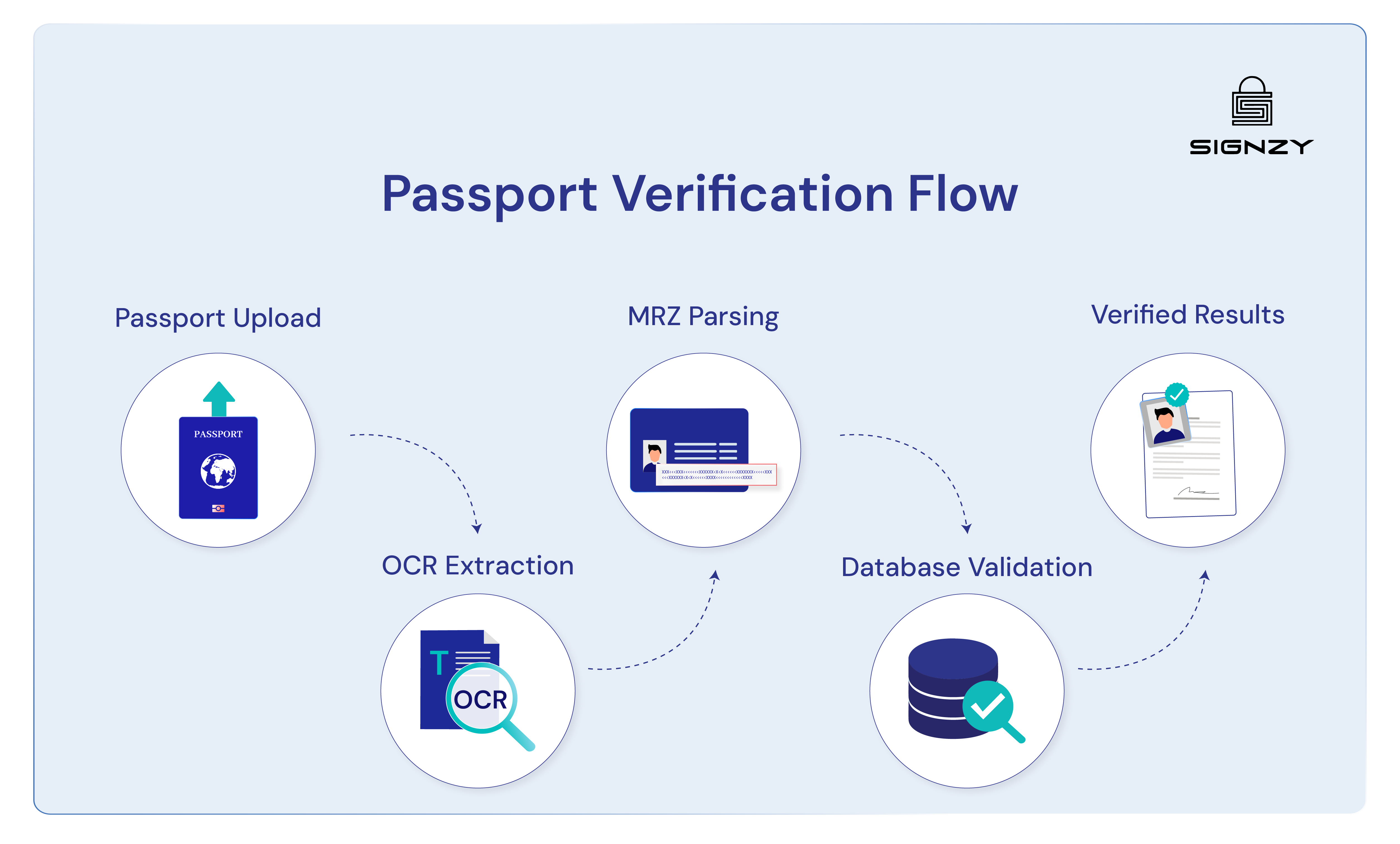
- Data Capture: The user uploads an image of the passport data page, or a hardware scanner captures the physical document.
- Parsing and Extraction: The software extracts the passport number, full name, nationality, date of birth, and expiration date using OCR technology.
- Format and Checksum Verification: The system runs internal syntax rules to verify that the passport number matches the correct format and passes mathematical checksum requirements for that specific country.
- Database Query and Status Check: An encrypted API request is sent to an authorized verification partner or government gateway to confirm whether the document is active, expired, canceled, lost, or stolen.
- Identity Correlation (Optional/Advanced): In high-security environments, the system performs a facial biometric match by comparing a live selfie of the user against the digital photograph retrieved from the passport’s electronic chip or database record.
- Result Generation: The system returns a pass, fail, or manual review flag to the requesting entity.
Privacy, Security, and Regulatory Considerations
Passport numbers are classified as Personally Identifiable Information (PII) and, in many jurisdictions, as sensitive biometric or government-issued identifier data. Consequently, the mechanisms governing passport verification are strictly regulated.
- Data Minimization: Under frameworks such as the European Union's General Data Protection Regulation (GDPR) and various state-level privacy laws in the United States, entities are prohibited from storing raw passport images or unmasked numbers longer than legally required for compliance or auditing.
- Encryption Standards: Transmission of passport numbers between clients, verification gateways, and government databases must be encrypted using robust protocols (such as TLS 1.3) both in transit and at rest.
- Consent Requirements: Commercial entities (such as banks or age-restricted platforms) must obtain explicit, informed user consent before collecting and verifying passport data.
Common Causes of Verification Failures
Even legitimate passports can fail automated verification checks due to common technical and physical errors. Understanding these pitfalls helps organizations troubleshoot validation bottlenecks:
- Typographical Errors: Manual entry of passport numbers frequently results in transposed digits or confusion between letters (such as the letter "O" and the number "0" or the letter "I" and the number "1").
- Document Expiration: Many verification algorithms automatically reject passport numbers tied to documents that have passed their validity expiration date.
- Poor Image Quality: Glare, shadows, low-resolution camera uploads, or obscured MRZ lines prevent OCR software from accurately parsing the passport number.
- Name Mismatch: A passport number may be valid, but if the accompanying name does not match government records or input data exactly (including middle names and diacritics), the verification process will fail.
Practical Next Actions for Implementation
Organizations seeking to integrate passport number verification into their workflows should evaluate their operational requirements against regulatory standards.
- For basic age or identity checks, automated OCR combined with checksum validation may suffice.
- For high-risk financial onboarding or regulatory Know Your Customer (KYC) compliance, organizations must partner with certified identity verification providers capable of executing live database queries, ePassport chip authentication, and biometric facial matching.
- Always ensure that data collection practices align with regional data privacy laws to protect user information from unauthorized exposure or retention.
Image Gallery