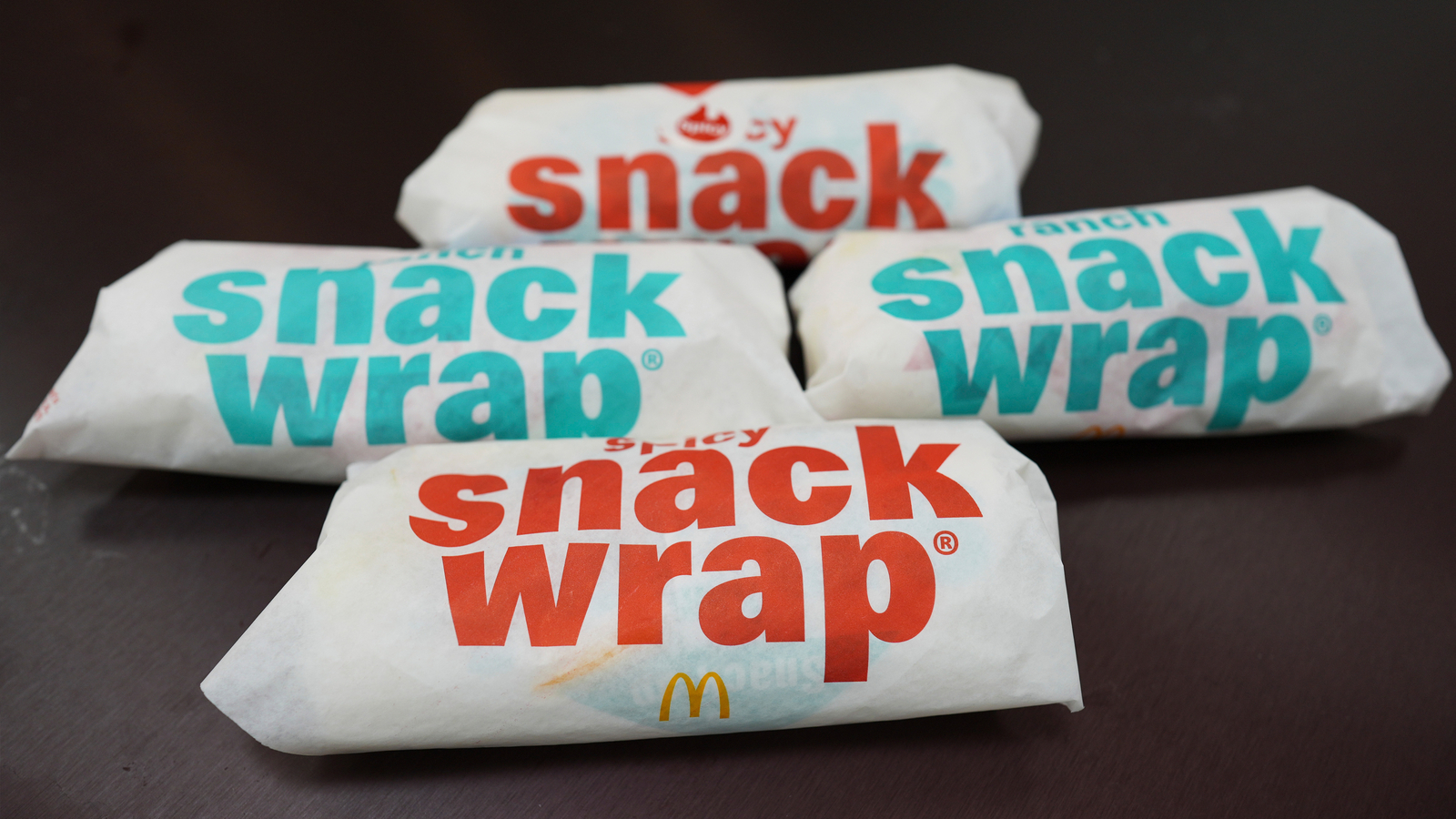
What the McDonald’s Snack Wrap Means for Us Travelers
For the modern traveler, the McDonald’s Snack Wrap represents the ultimate intersection of convenience, reliability, and nostalgic comfort. Its appeal lies in its portability and consistency, serving as a standardized "safe harbor" mea...
For the modern traveler, the McDonald’s Snack Wrap represents the ultimate intersection of convenience, reliability, and nostalgic comfort. Its appeal lies in its portability and consistency, serving as a standardized "safe harbor" meal that can be acquired quickly in transit, providing a familiar caloric baseline regardless of linguistic or cultural barriers in foreign markets.
Contents
The Anatomy of the Traveler’s Convenience Food
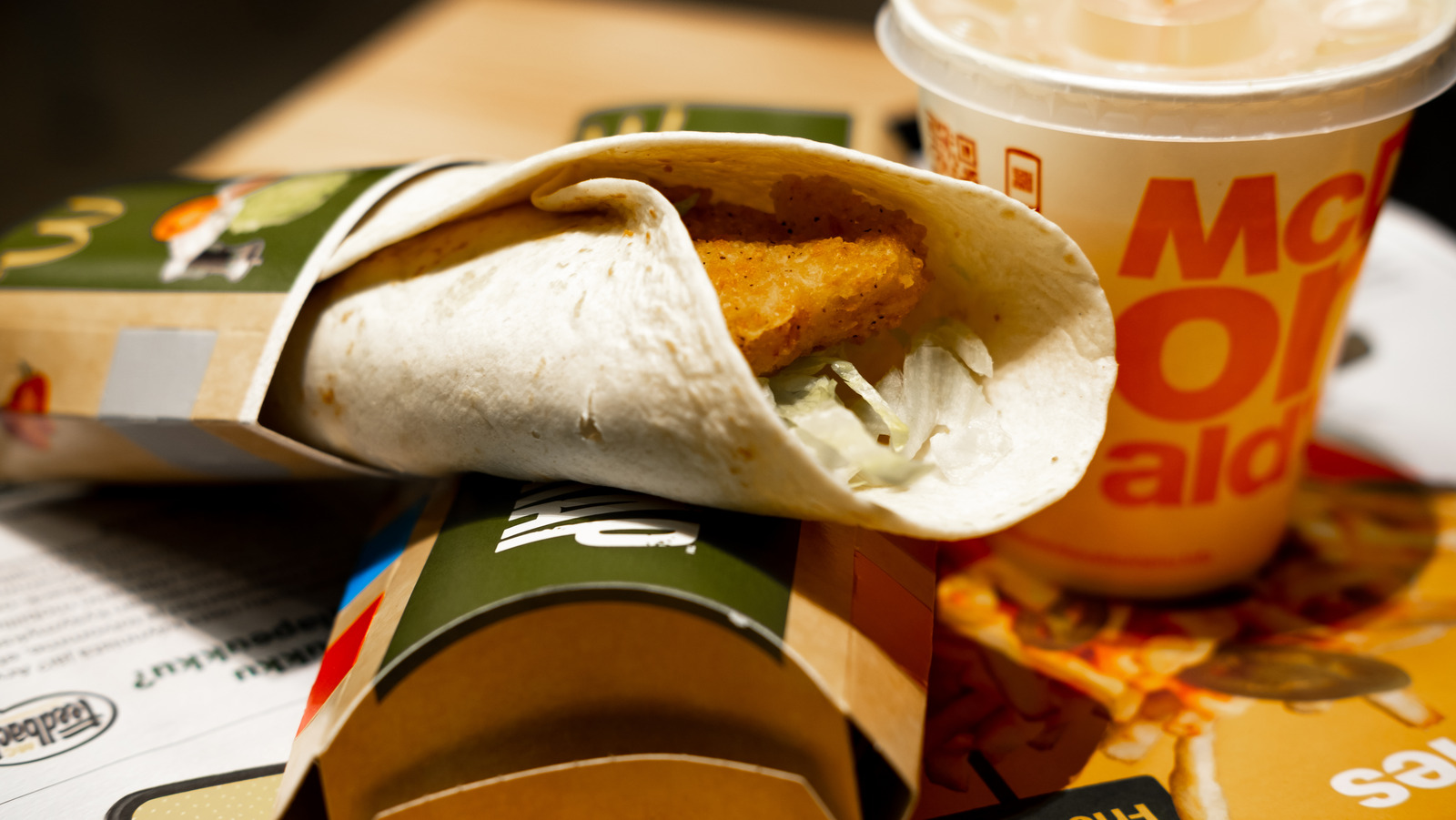
The Snack Wrap occupies a unique position in the culinary landscape of global travel. Unlike a sit-down meal or a complex local dish, it is designed for maximum efficiency: a tortilla-based vessel that is easy to handle with one hand, requires minimal packaging, and eliminates the need for cutlery. For those navigating airports, train stations, or busy urban centers, this structural simplicity is a functional asset.
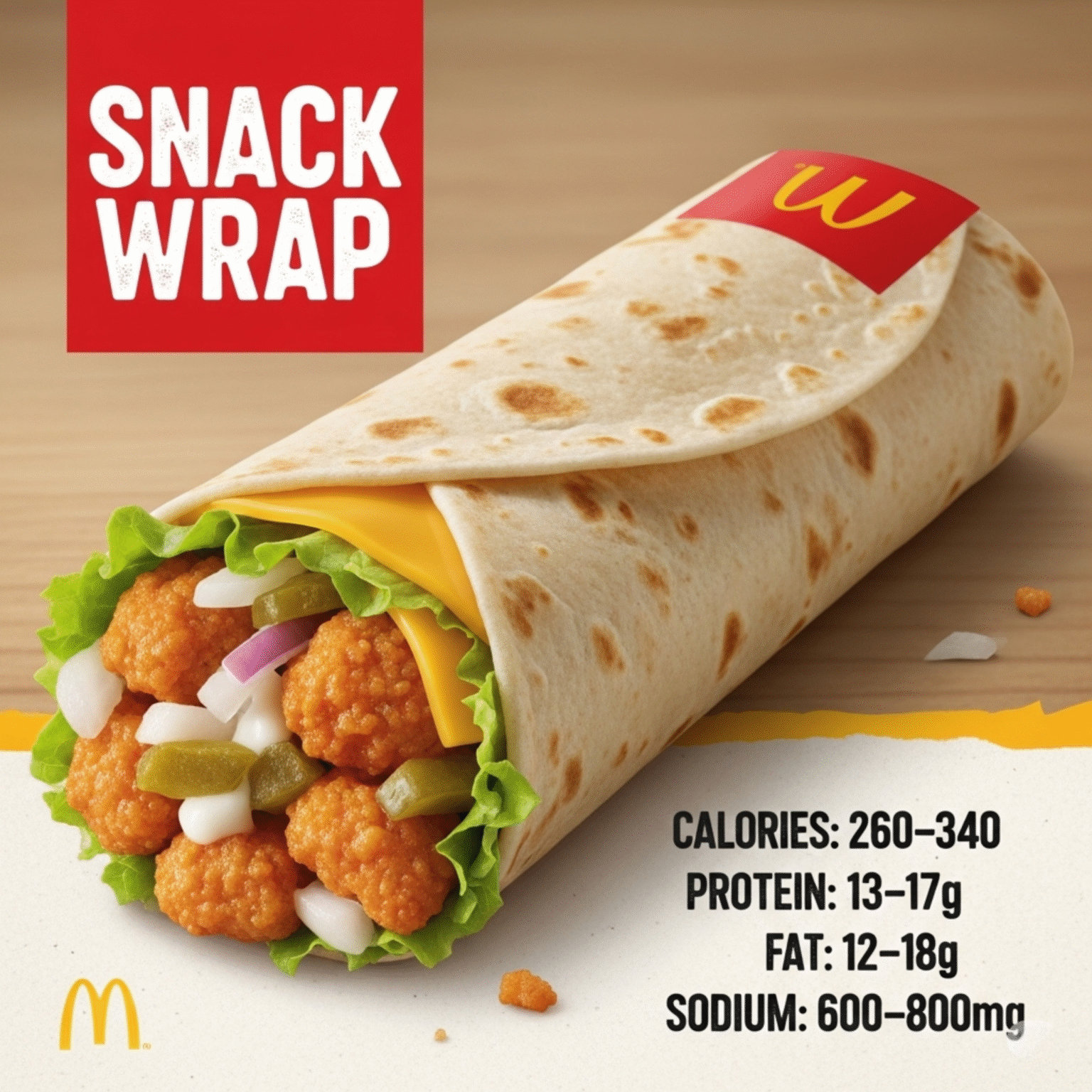
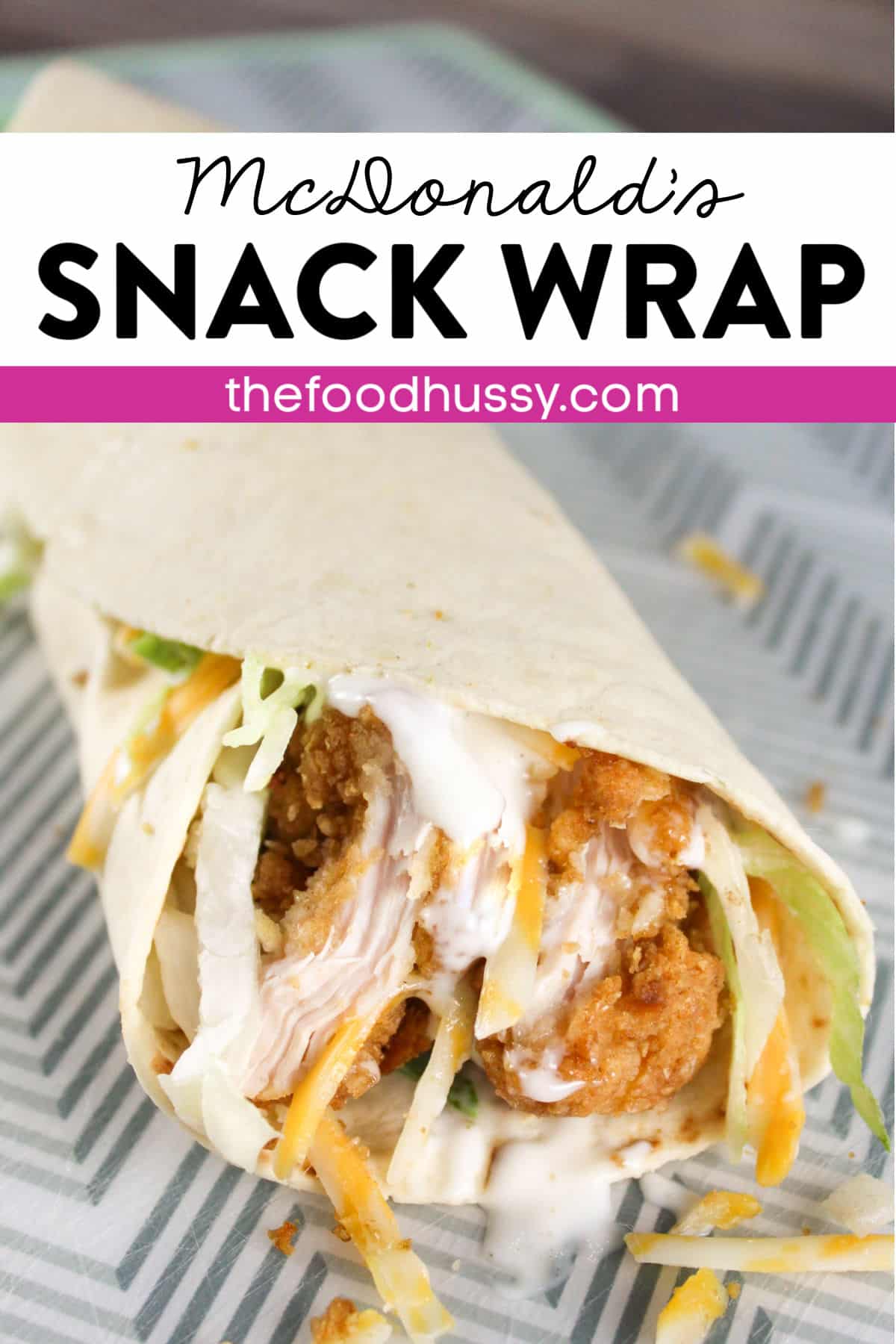
Travelers often face "decision fatigue" caused by navigating new transit systems, currency exchanges, and cultural norms. When a traveler encounters the golden arches in a transit hub, they are not necessarily looking for a gastronomic experience; they are seeking a predictable outcome. The Snack Wrap provides that predictability. Its design—typically featuring a crispy or grilled chicken tender, shredded lettuce, cheese, and a sauce (often ranch, honey mustard, or salsa) wrapped in a flour tortilla—offers a balanced, if standardized, macronutrient profile that is easy to consume on the go.
Standardized Predictability in a Global Market
The primary value proposition for the traveler is the mitigation of risk. In international travel, the "gastronomic gamble"—eating at an unverified local establishment—can lead to dietary discomfort or schedule disruptions. McDonald's global supply chain management ensures that the core components of the Snack Wrap remain consistent across diverse geographic locations.
While regional variations exist—such as the inclusion of different sauces in the UK versus Canada, or local spicy chicken iterations in Asian markets—the fundamental user experience remains identical. For the traveler, this consistency is a form of operational insurance. You know exactly what you are paying for, how long it will take to receive, and the specific flavor profile you will encounter. In environments where the traveler has limited time or high anxiety, this brand-level reliability serves as a vital psychological comfort.
The Evolution of Mobility and Menu Design
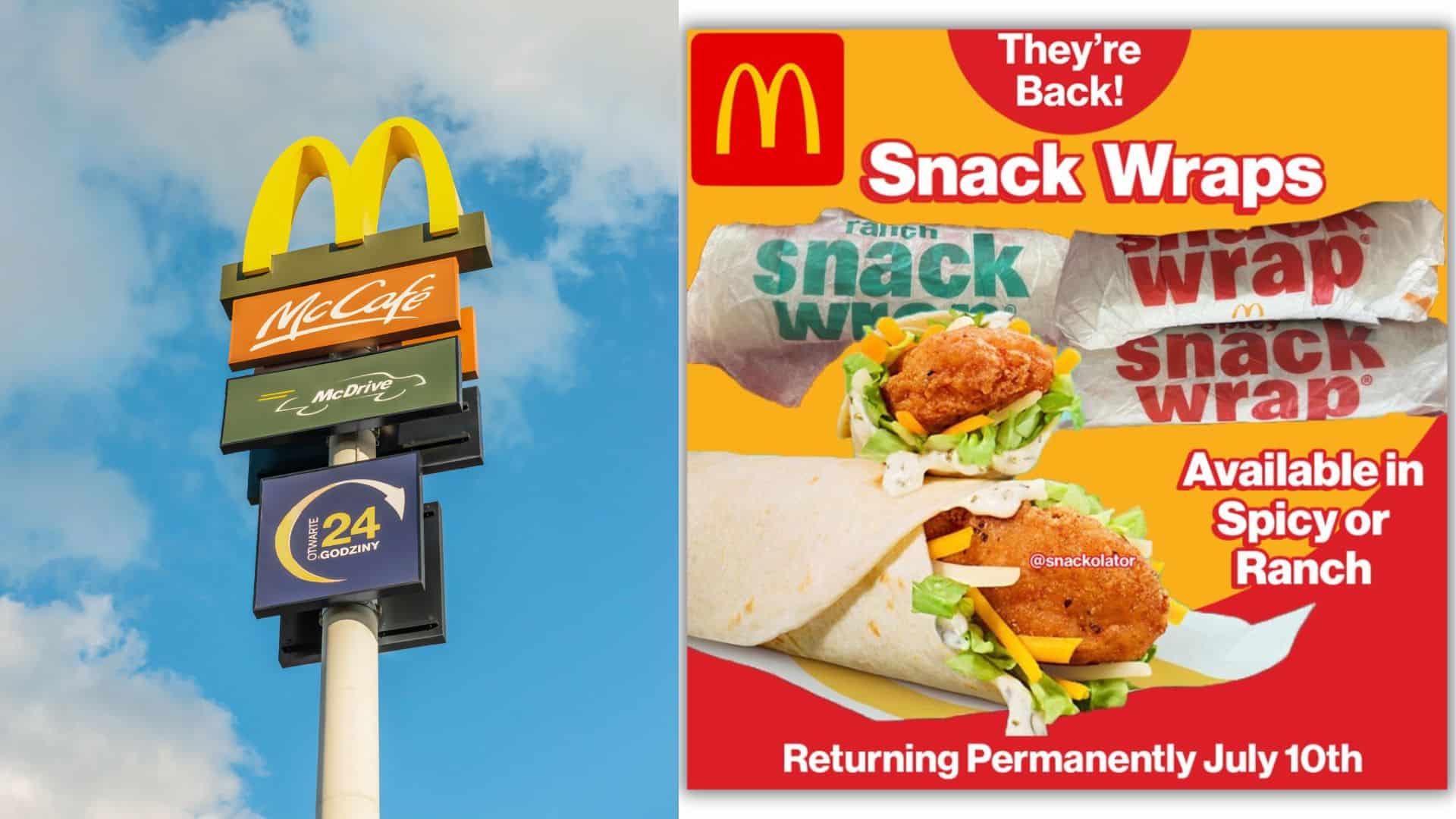
The history of the McDonald’s Snack Wrap is marked by its periodic disappearance and reintroduction in various markets, reflecting the company’s broader operational strategy. First introduced in the United States in 2006, the product was designed to compete with the rising trend of "handheld" meals.
For travelers, the availability of such items often fluctuates based on market-specific labor costs and operational complexity. Preparing a wrap requires slightly more manual assembly than a standard burger, which has led to its removal from some menus during periods of high labor intensity. The periodic "disappearance" of the wrap from specific regions often creates a significant void for travelers who rely on it as a specific, low-friction food source. When it returns to a menu, it is frequently treated by the travel community as a milestone for operational convenience in that region.
Comparison of Portable Travel Meals
To understand why the Snack Wrap is frequently cited as a preferred option, it is helpful to compare it to other common transit-friendly food items.
| Feature | McDonald's Snack Wrap | Grab-and-Go Sandwich | Airport Salad Bowl |
|---|---|---|---|
| Portability | High (Single-hand) | Moderate (Requires two) | Low (Requires cutlery) |
| Packaging | Minimal (Paper sleeve) | High (Box/plastic wrap) | High (Bowl/fork) |
| Consistency | High (Global brand) | Variable (Varies by outlet) | Low (Perishable ingredients) |
| Prep Time | Fast (Standardized) | Instant (Pre-made) | Instant (Pre-made) |
| Spill Risk | Low | High (Crumb factor) | High (Dressing leakage) |
This table illustrates why the Snack Wrap maintains its status among frequent flyers and commuters. The combination of its enclosed design (reducing crumbs and leakage) and its high availability makes it the optimal choice for those who must eat while waiting for boarding calls or during short layovers.
Operational Challenges and Dietary Considerations
While the Snack Wrap is a favorite, it is not without limitations. Travelers with specific dietary restrictions—such as those avoiding gluten or requiring vegetarian-only preparation—often find the McDonald's menu restrictive. Furthermore, the reliance on high-sodium sauces and fried components can be detrimental during long-haul flights where hydration is critical.
Experienced travelers often utilize the "customization" feature of the McDonald's mobile application to mitigate these issues. By ordering ahead, travelers can verify the presence of specific ingredients or request the omission of sauces to lower the sodium content. This digital integration has become a cornerstone of the modern "smart traveler" strategy, allowing for pre-arrival ordering that avoids the physical queue entirely.
The Psychological Comfort of Familiarity
Traveling can be isolating, and the "familiar" acts as an anchor. The Snack Wrap is a product of mass-market, late-stage capitalism, yet it serves a human-centric purpose: the reduction of stress. Encountering a known entity in an unfamiliar city provides a brief, controlled experience that allows the traveler to recharge. This is particularly relevant for business travelers who must maintain high levels of productivity despite being in a state of transit. The Snack Wrap allows the traveler to fulfill a biological need without engaging in the cognitive load associated with evaluating new dining options.
Common Questions Regarding McDonald’s Snack Wraps for Travelers
Are Snack Wraps available in every country? No. Availability varies significantly by region. McDonald’s operates on a franchise model that allows local operators to tailor menus to regional tastes and operational capacities. Always check the local McDonald's app or website for the specific transit hub you are visiting.
Why does the recipe seem different in other countries? McDonald's utilizes local supply chains for ingredients like flour, lettuce, and chicken. Additionally, regional flavor profiles dictate that sauces may be sweeter, spicier, or more savory depending on local consumer preferences.
Is the Snack Wrap a healthy choice for travelers? "Healthy" is subjective, but the Snack Wrap is generally higher in sodium and processed fats than a whole-food meal. For travelers, it is best viewed as a high-calorie, quick-energy source rather than a balanced nutritional meal.
Can I order a Snack Wrap through the app while at the airport? Yes, in most major markets, the mobile app allows for location-based ordering. This is the most efficient way to secure your meal, as it bypasses language barriers at the counter and provides an estimated preparation time.
What should I do if a location doesn't serve wraps? Most locations that have phased out the Snack Wrap offer similar alternatives, such as chicken tenders or salads. When the wrap is unavailable, these components often serve as a comparable alternative, though they lack the portability of the wrapped format.
Are these items usually priced the same everywhere? No. Prices are adjusted for the local cost of living and specific transit-hub markups. Expect to pay a premium in high-traffic airports compared to suburban or rural locations.
Next Steps for the Smart Traveler
If you rely on the McDonald’s Snack Wrap for your travels, your primary task is verification. Before arriving at a transit hub, download the regional McDonald’s application for your destination. Many apps now feature a "Menu" toggle that allows you to preview the specific offerings of the nearest location.
If the Snack Wrap is not a listed menu item, do not assume it can be custom-made; modern fast-food operations rely on strict POS (Point of Sale) systems that often prevent the assembly of non-menu items. By preparing for menu volatility, you can ensure your travel remains efficient, predictable, and stress-free.
Image Gallery