The Back of the Titanic: Where History Meets Mystery
The stern of the RMS Titanic represents the most physically traumatized section of the wreck, where structural integrity failed catastrophically during the 1912 sinking. Today, this debris field serves as a silent, crushing testament t...
The stern of the RMS Titanic represents the most physically traumatized section of the wreck, where structural integrity failed catastrophically during the 1912 sinking. Today, this debris field serves as a silent, crushing testament to the vessel's final moments, offering marine archaeologists and deep-sea researchers critical insights into the physics of maritime disasters and the complex degradation of steel at extreme pressures.
Contents
Structural Collapse and the Stern’s Descent
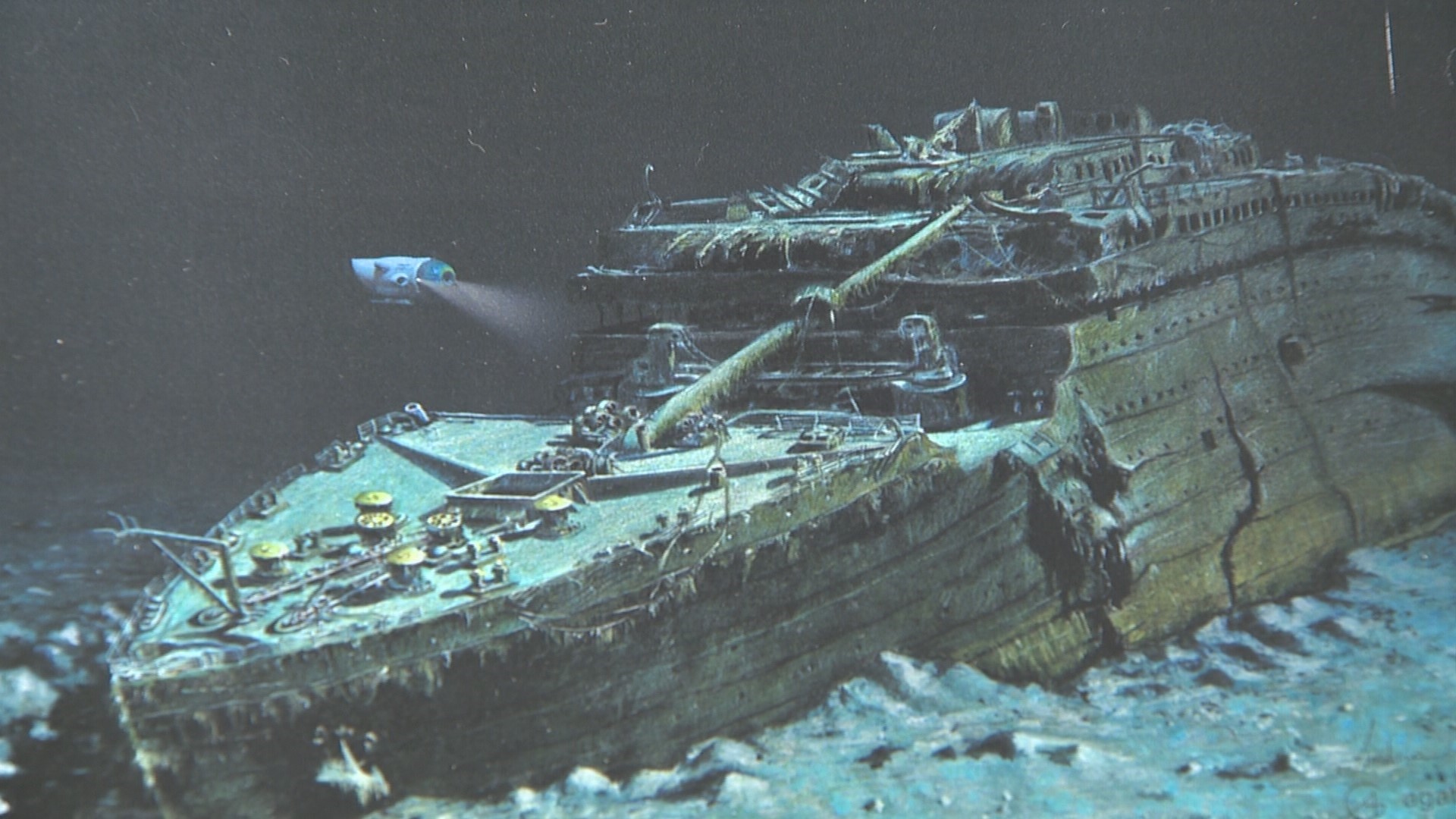
While the bow of the Titanic settled into the seabed with relative grace, creating a iconic, recognizable silhouette, the stern tells a story of violent structural failure. As the ship broke in two between the third and fourth funnels, the stern remained buoyant for a few moments before filling with water and plunging into the abyss. Unlike the bow, which maintained much of its hydrodynamic shape, the stern imploded as it sank. The air trapped within the massive compartments was compressed by the immense pressure of the North Atlantic, causing the steel plates to buckle outward and the internal decks to collapse onto one another like a stack of cards.
This phenomenon, often described as a "pancake collapse," means that the stern is not a hollowed-out shell, but a mangled mass of twisted steel and timber. This destruction provides a unique dataset for forensic naval architecture. By examining the way the structural joints failed and the orientation of the debris, experts in 2026 continue to refine models of how massive steel structures behave under rapid, high-pressure descent.
The Geography of the Debris Field
The area surrounding the stern, often referred to as the debris field, is where history meets mystery in the most literal sense. When the ship broke apart, thousands of artifacts—ranging from ornate furniture and porcelain dinnerware to personal effects like jewelry and shoes—were scattered across the seafloor. This field acts as a time capsule, preserving the mundane realities of 1912 alongside the wreckage of the ship itself.
The mystery lies in the distribution of these items. Researchers have spent years mapping the "trail" of debris, which spans roughly half a mile between the two main hull sections. This distribution pattern has allowed investigators to conclude exactly how the ship pivoted and broke, effectively debunking earlier theories that suggested the ship sank in one piece. The stern’s proximity to the debris field serves as the anchor point for all current archaeological mapping projects.
Challenges of Exploration and Preservation
Exploring the back of the Titanic remains one of the most technically demanding tasks in modern underwater exploration. Situated at a depth of approximately 12,500 feet (3,800 meters), the wreck is subjected to crushing pressures of roughly 6,000 pounds per square inch. Accessing the stern requires specialized deep-submergence vehicles (DSVs) capable of maintaining structural integrity while navigating the hazardous, jagged wreckage.
In 2026, the primary challenge remains the deterioration of the wreck. The iron-eating bacteria Halomonas titanicae continue to accelerate the corrosion of the steel hull. The stern is particularly vulnerable because its structure is already compromised and exposed to higher levels of turbulence and sediment shifting compared to the more stable bow section. Experts estimate that within the coming decades, the stern’s recognizable features will likely dissolve into a rust-covered mound of unidentifiable scrap, making current high-resolution photogrammetry efforts essential for historical preservation.
Comparative Analysis: Bow vs. Stern
Understanding the differences between the two main sections is vital for visualizing the sinking event. The following table highlights the distinct physical states of these two major components:
| Feature | The Bow Section | The Stern Section |
|---|---|---|
| Physical Integrity | Relatively intact; recognizable | Severely crushed; mangled |
| Descent Mode | Glided to the seabed | Imploded and tumbled |
| Research Value | Preservation of cabins and interiors | Data on structural failure and physics |
| Current Status | Subject to surface corrosion | Rapidly deteriorating / collapsing |
| Debris Proximity | Distant from the main field | Located at the heart of the debris field |
Ethical Considerations in Deep-Sea Archaeology
The stern of the Titanic is not merely a scientific site; it is a mass grave. This dual identity creates a persistent tension between the desire for discovery and the necessity of memorialization. International guidelines established by organizations like UNESCO and the National Oceanic and Atmospheric Administration (NOAA) dictate that the site should be treated with the solemnity due to a maritime cemetery.
In 2026, remote sensing and non-invasive technologies have largely replaced the need for physical recovery of artifacts from the stern area. Digital twins and laser scanning allow researchers to analyze the wreck without disturbing the sediment or the human remains that may still be entombed within the twisted metal. This balance ensures that the "mystery" of the Titanic is honored through study rather than exploitation.
Frequently Asked Questions
Why is the back of the Titanic more destroyed than the front? The bow was already partially flooded and descended in a way that allowed water to displace air gradually. The stern, however, contained large, enclosed air pockets. As it sank, the pressure differential caused these pockets to collapse violently, essentially imploding the structure from the inside out.
Can tourists visit the stern of the Titanic? While some private expeditions have attempted to reach the wreck site, the stern is rarely visited due to its extreme instability and the logistical dangers posed by the surrounding debris field. Most missions focus on the bow for safety and historical clarity.
Are there still bodies at the back of the Titanic? The conditions at 12,500 feet—including extreme cold, lack of light, and the presence of scavenger organisms—mean that soft tissue disappeared long ago. While it is scientifically possible that skeletal remains exist under the sediment or within enclosed compartments, no recognizable human remains have been reported by major research missions.
What is the "mystery" surrounding the stern? The mystery primarily concerns the exact timing and angle of the break. While we know the ship broke in two, the specific sequence of events—whether the stern hit the bottom before or after it broke—continues to be a subject of debate among naval architects who use the stern’s unique stress fractures as evidence.
Will the stern ever be raised? No. The structural integrity of the stern is too far gone; any attempt to lift it would result in the wreckage disintegrating into small fragments. The site is legally protected under international agreements, ensuring it remains in situ for posterity.
Next Steps for Research and Monitoring
For those interested in the ongoing monitoring of the Titanic, the most effective approach is to follow the data provided by authorized scientific expeditions. Organizations that utilize non-invasive 3D modeling are currently the most reliable sources for updates on the stern's condition. If you are conducting research, prioritize peer-reviewed studies published by maritime archaeology journals, which provide the most accurate analysis of the debris field. The history of the Titanic is being rewritten through these digital archives, ensuring that even as the physical structure vanishes, the technical truth of the disaster remains accessible for future generations.
Image Gallery