Optimizing Energy Use at Home with a Personal Chat Bot
A personal chat bot for home energy management acts as an interactive, AI-driven assistant that interfaces with smart home hardware, utility meters, and solar installations to monitor, analyze, and optimize residential electricity and...
A personal chat bot for home energy management acts as an interactive, AI-driven assistant that interfaces with smart home hardware, utility meters, and solar installations to monitor, analyze, and optimize residential electricity and gas consumption in real time.
Contents
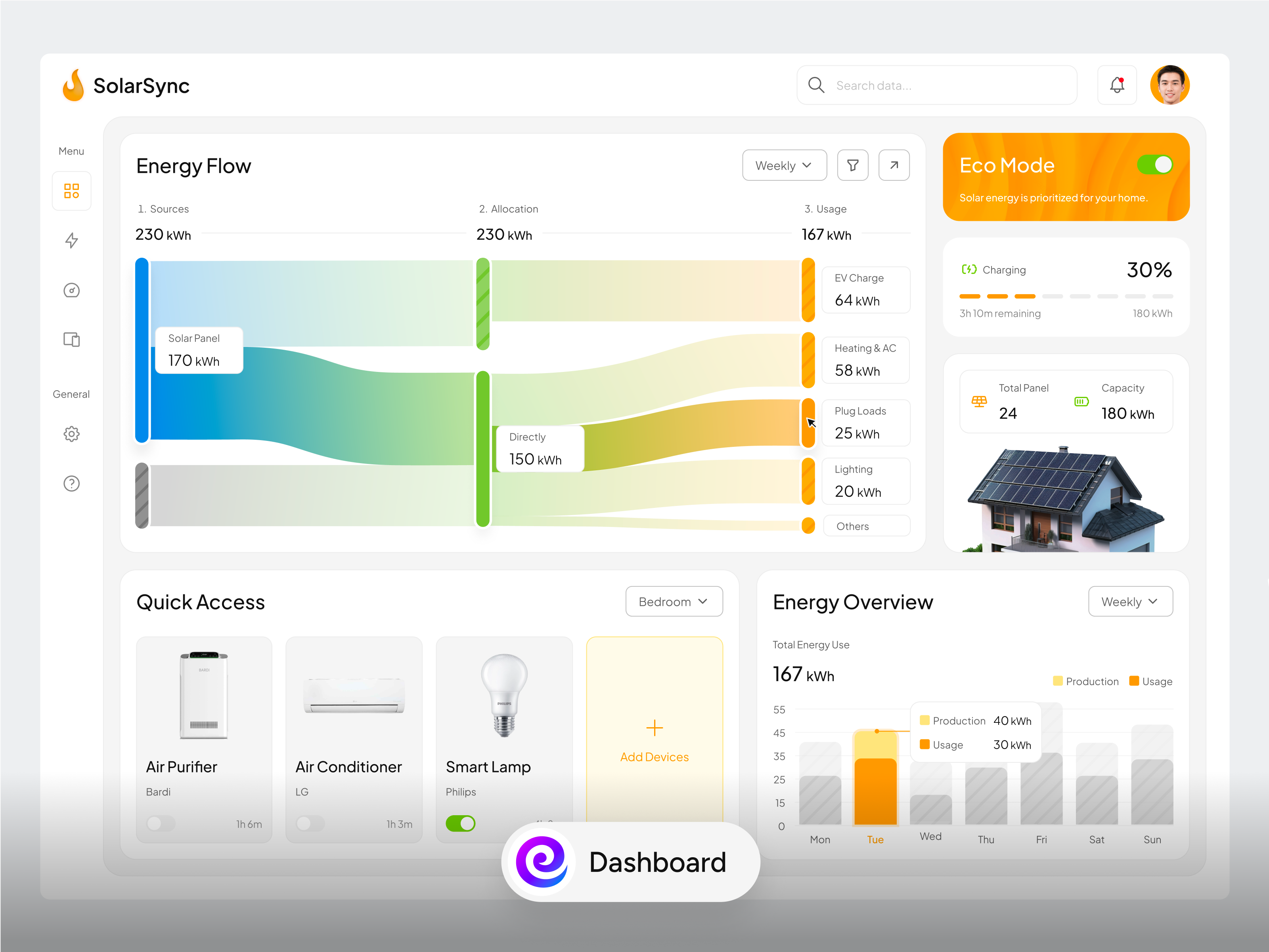
Managing household energy efficiency has evolved from passive monthly utility bill reviews into an active, data-intensive discipline. As smart meters, rooftop solar photovoltaic (PV) systems, battery energy storage systems (BESS), and connected appliances flood the consumer market, households generate vast amounts of telemetry data. However, translating raw kilowatt-hour (kWh) metrics into actionable savings remains a significant hurdle for the average homeowner. Enter the personal chat bot for home energy management—an conversational interface designed to bridge the gap between complex energy systems and everyday human decision-making. By leveraging natural language processing (NLP) and localized automation scripts, these chat bots allow residents to query their energy status, automate high-load appliances during off-peak hours, and receive proactive alerts regarding consumption anomalies without navigating dense, disparate manufacturer dashboards.
Core Architecture and Operational Principles
Understanding how a personal chat bot functions requires looking past the conversational interface into the underlying data pipelines. At its technical foundation, an energy management chat bot relies on three primary layers: the ingestion layer, the processing and decision engine, and the presentation or chat interface layer.
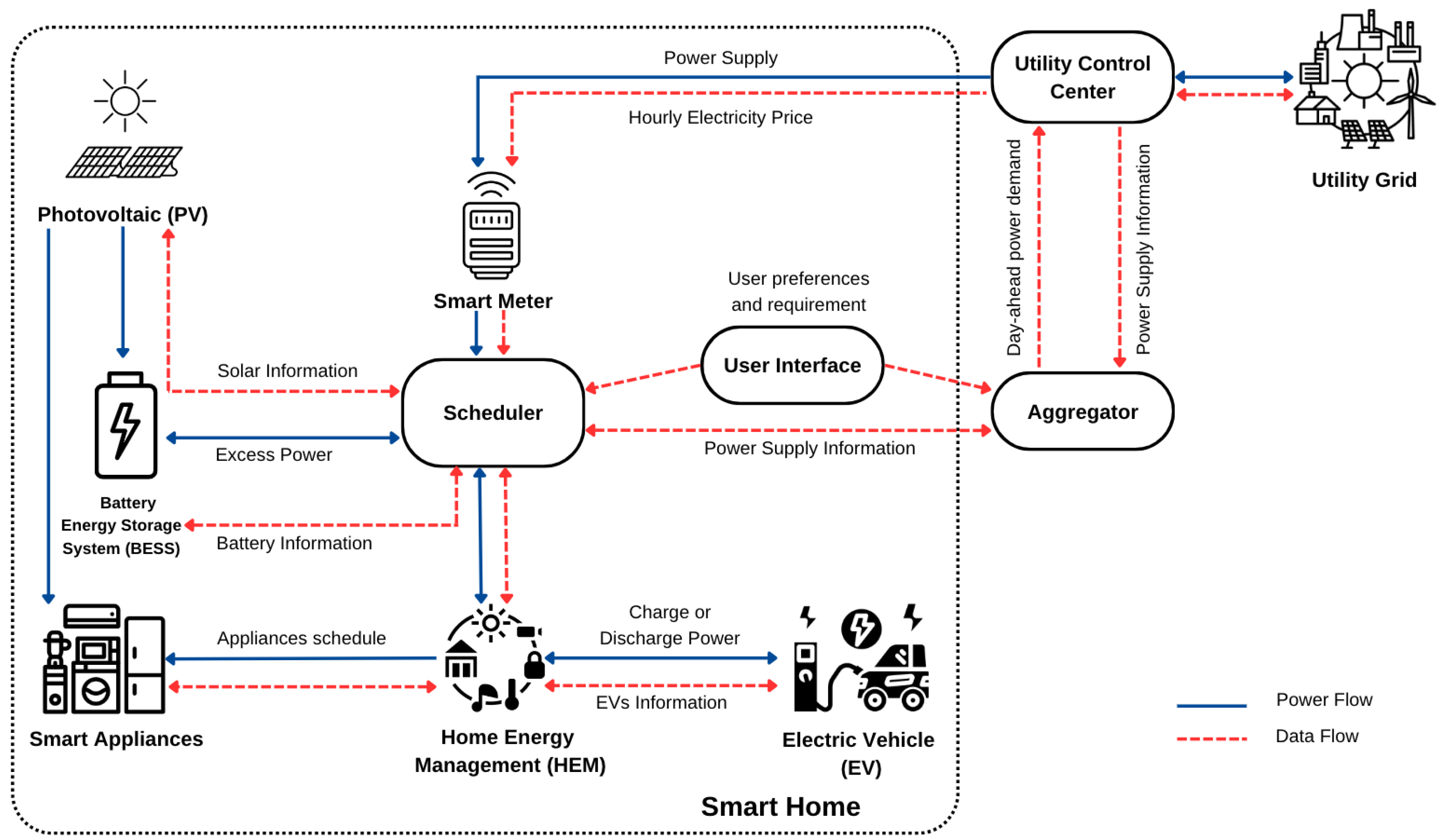
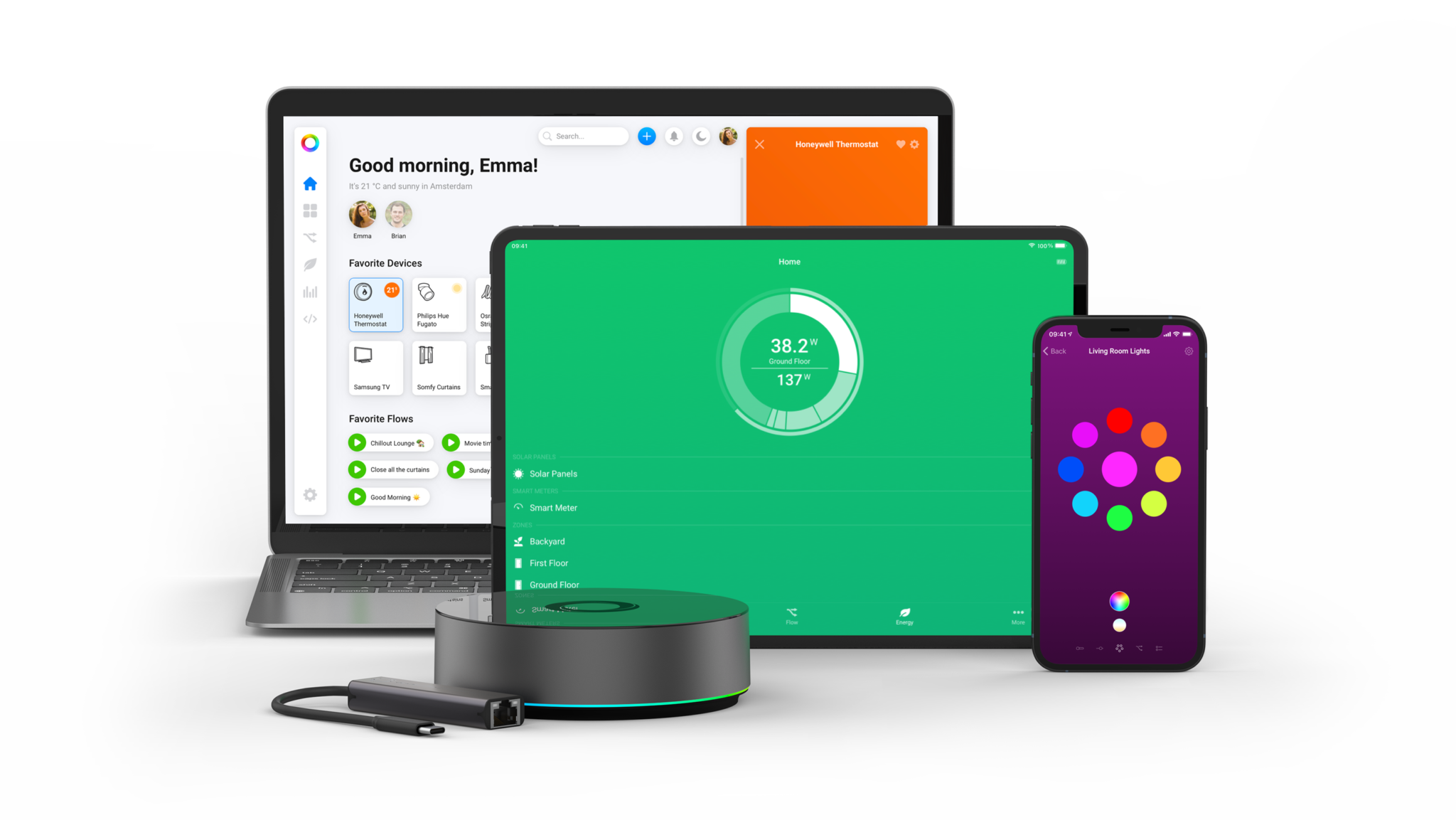
The ingestion layer connects directly to local smart home hubs—such as Home Assistant, OpenHAB, or proprietary ecosystems like Apple HomeKit and Google Home—as well as smart plugs, inverter APIs, and automated metering infrastructure (AMI) via Zigbee, Z-Wave, Matter, or Wi-Fi protocols. This layer continuously gathers time-series data covering voltage, current, power factor, and cumulative energy consumption.
The processing layer utilizes a Large Language Model (LLM) or a rules-based intent parser combined with a local or cloud-based database (such as InfluxDB or PostgreSQL) to interpret user inputs. When a user asks a question, the chat bot translates the natural language query into structured database calls, executes the logic, and formats the response. For example, if a user asks, "How much energy did the HVAC system consume yesterday compared to last Tuesday?", the chat bot queries the historical time-series database, calculates the percentage variance, and constructs a contextual, human-readable reply.
Integration with Smart Hardware and Utility Tariffs
A personal chat bot is only as effective as the hardware and data feeds it can access. To deliver genuine value, the system must integrate seamlessly with both on-site generation/storage assets and external utility pricing structures.
On-Site Monitoring and Control
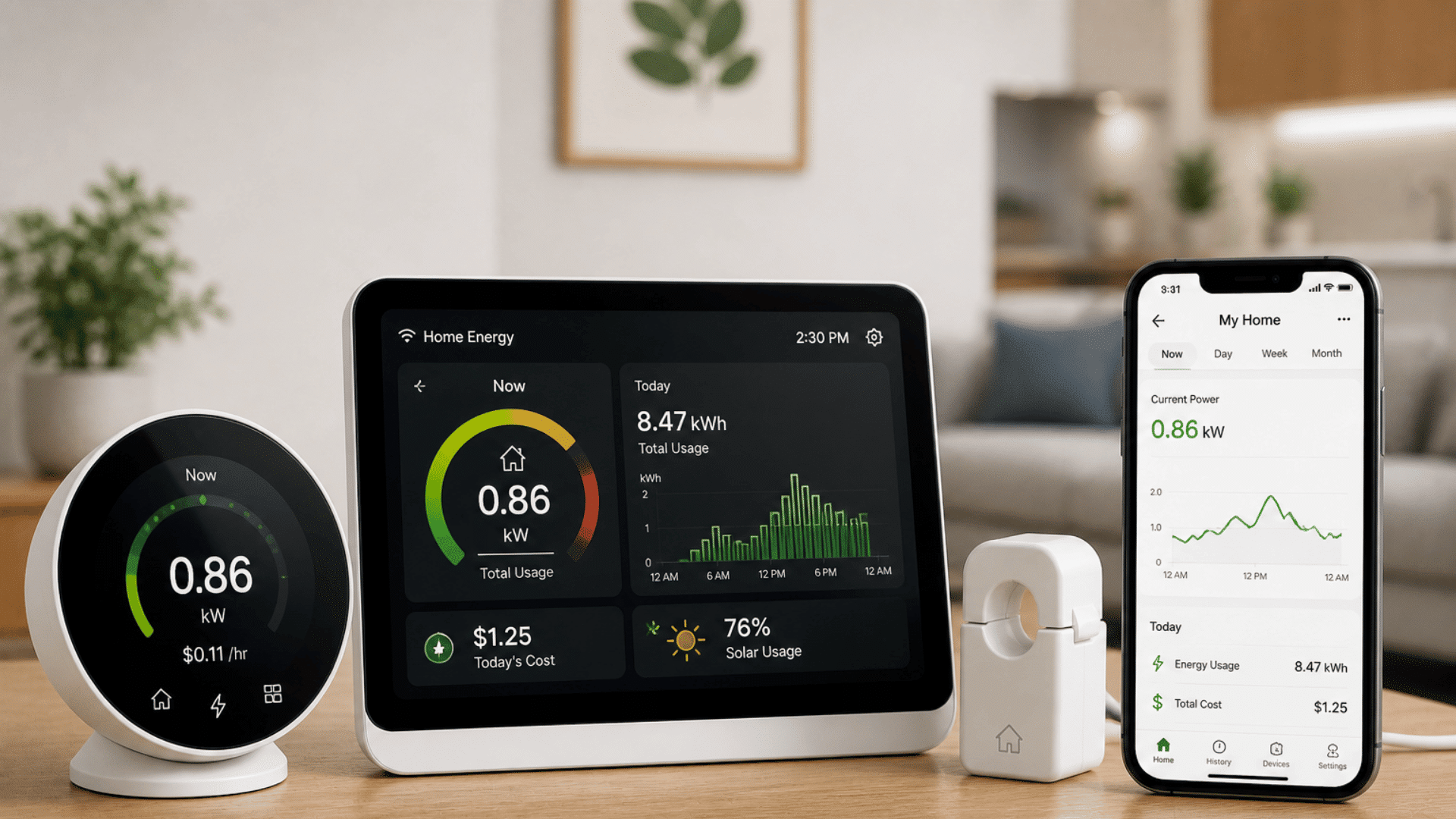
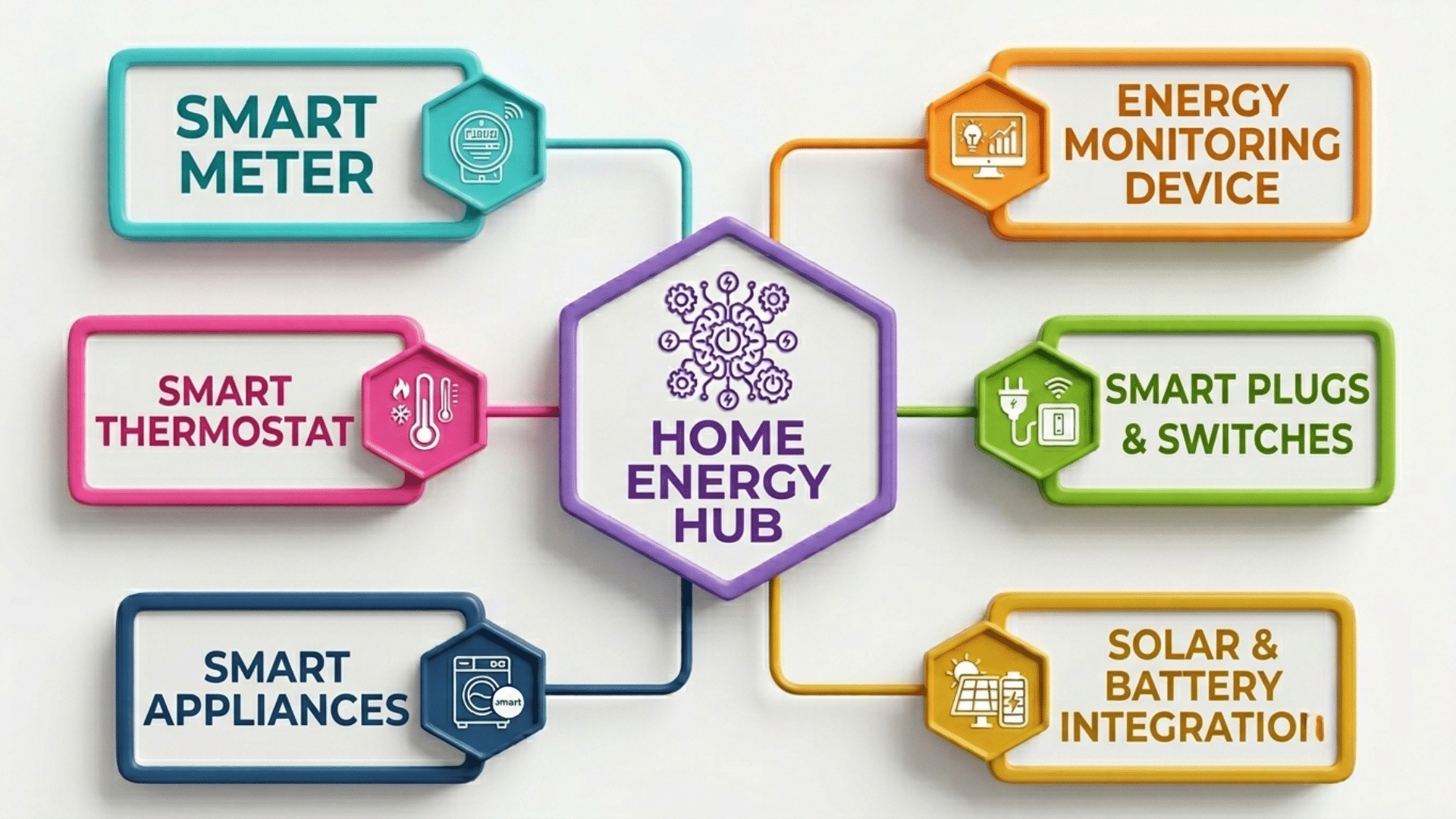
- Smart Plugs and Circuit Monitors: Track individual appliance loads (refrigerators, washing machines, EV chargers) and allow the chat bot to cut power or initiate cycles remotely.
- Solar Inverters and Batteries: Interface with brands like Enphase, SolarEdge, or Tesla to monitor real-time generation, state-of-charge (SoC), and grid export rates.
- Smart Thermostats: Connect with Nest, Ecobee, or Honeywell devices to adjust setpoints based on real-time electricity pricing or occupant presence.
Dynamic Utility Rate Integration
Modern residential electricity structures frequently incorporate Time-of-Use (TOU) tariffs or real-time pricing (RTP) models where the cost per kWh fluctuates dynamically throughout the day. A sophisticated chat bot pulls API data from local utility providers to cross-reference current wholesale electricity prices with household demand. When prices spike during peak grid hours, the bot can proactively notify the homeowner, suggest delaying heavy appliance usage, or automatically trigger pre-programmed load-shedding protocols to protect the household from inflated utility bills.
| Integration Type | Primary Protocol / Source | Functionality & Control Scope |
|---|---|---|
| Smart Meter (AMI) | Zigbee HAN, Optical Reader, Utility API | Real-time whole-home consumption and net-metering status. |
| Solar & Storage | Modbus TCP, Proprietary Cloud API | Battery dispatch management, self-consumption optimization. |
| HVAC & Climate | Matter, Thread, Wi-Fi API | Temperature scheduling, precooling/preheating automation. |
| EV Chargers | OCPP, Manufacturer API | Scheduled charging aligned with low-tariff windows. |
Privacy, Security, and Local vs. Cloud Deployment
Because home energy management systems track occupancy patterns, appliance usage habits, and precise power draws, data privacy is a paramount concern. Energy consumption profiling can easily reveal when a home is unoccupied, sleeping, or active, making security vulnerabilities a risk to physical safety and data privacy.
Users generally choose between two deployment paradigms:
- Cloud-Based Assistants: Services integrated into mainstream smart assistants (such as OpenAI-powered integrations or commercial energy management platforms) offer rapid setup and advanced natural language comprehension. However, they require telemetry data to traverse external servers, raising potential privacy vulnerabilities.
- Local-First Open-Source Solutions: Platforms like Home Assistant combined with locally hosted LLMs (such as Ollama running Llama 3 or Mistral models on local hardware like a Raspberry Pi 5 or a dedicated mini-PC) ensure that all energy data and conversational logs remain strictly within the local area network (LAN). Local deployment eliminates subscription fees and third-party data harvesting, though it demands a higher technical threshold for initial setup and maintenance.
Practical Use Cases and Automated Workflows
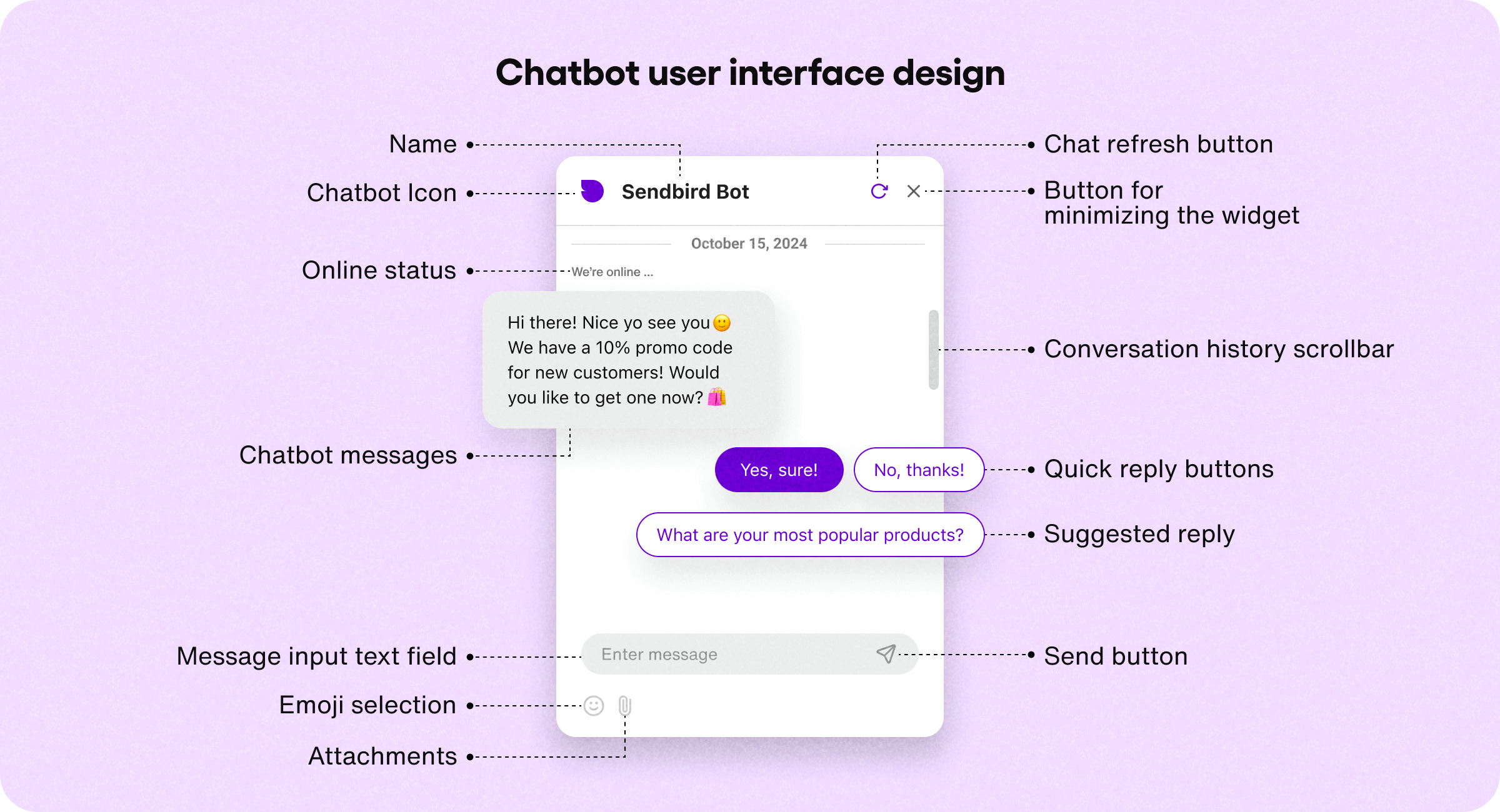
The true utility of a personal chat bot for home energy management shines through routine operational scenarios and automated routines. Rather than forcing users to manually check multiple apps, the chat bot centralizes interaction through messaging platforms like Telegram, Discord, or a dedicated mobile app UI.
Proactive Anomaly Detection
Energy chat bots can run background scripts that analyze baseline consumption profiles. If a refrigerator compressor begins failing, causing it to draw continuous power instead of cycling normally, the chat bot flags the deviation and sends an alert: "Warning: The kitchen circuit has maintained an elevated draw of 350W for the past 6 hours without interruption. Inspect appliance status?"
Electric Vehicle (EV) Charging Optimization
For households with EVs, managing charging schedules manually can be tedious. A chat bot simplifies this by allowing conversational scheduling: "Charge the car to 80% by 7 AM tomorrow, but only pull power when rates drop below $0.10/kWh." The bot calculates the required charging rate, monitors grid pricing, and executes the sequence autonomously.
Common Challenges and Limitations
Despite their versatility, personal energy chat bots present several operational hurdles:
- Hallucinations and Accuracy: LLMs can occasionally misinterpret complex numerical data or generate incorrect summaries of energy consumption if prompts are ambiguous. Developers must implement strict data-formatting guardrails where calculations are handled deterministically by code rather than by the AI model's internal probability engine.
- Maintenance Overhead: API changes from utility providers or smart home manufacturers can break integrations, requiring regular script updates and token renewals.
- Complexity Barrier: Setting up local automation pipelines, configuring MQTT brokers, and linking API keys requires a foundational understanding of networking and smart home architecture.
Step-by-Step Implementation Framework
For users interested in deploying a personal chat bot for home energy management, a structured approach ensures stability and security.
- Establish the Smart Home Hub: Install a central automation platform such as Home Assistant on dedicated local hardware to aggregate all smart devices and energy meters.
- Connect Energy Telemetry: Integrate smart plugs, CT (Current Transformer) clamps on the main electrical panel (e.g., Emporia Vue or Shelly systems), and inverter data feeds.
- Configure Tariff Sensors: Input your utility provider's rate structure into the system, ensuring peak, off-peak, and shoulder hours are accurately mapped to time sensors.
- Deploy the Chat Interface: Connect an LLM integration or a structured intent parser to your messaging application of choice, granting it read and write permissions to relevant energy entities.
- Test and Refine Automations: Begin with read-only queries (e.g., asking for daily totals) before granting the bot control over automated switches and high-load devices.
Frequently Asked Questions
Can a home energy chat bot lower my monthly utility bill?
Yes, by providing granular visibility into phantom loads, automating high-power appliance runs during off-peak tariff hours, and optimizing solar battery discharge schedules, an energy chat bot can significantly reduce waste and lower overall electricity expenses.
Do I need an internet connection for my energy chat bot to work?
It depends on your architecture. Cloud-based bots require a continuous internet connection to process language and data. However, fully local systems utilizing local LLMs and home automation servers can operate entirely offline, relying on your local Wi-Fi and LAN infrastructure.
Is my energy usage data secure when using an AI chat bot?
If you use commercial cloud-based assistants, your data is processed on external servers subject to the provider's privacy policy. To ensure maximum security and data sovereignty, you must deploy a local-first open-source stack where all energy telemetry and chat logs remain on your private home network.
What hardware do I need to get started?
At a minimum, you need a smart meter data source or circuit-level energy monitor (such as CT clamps), a smart home hub or server to process the data, and a compatible device to run the chat interface or messaging app.
How accurate are LLMs when dealing with electrical measurements?
LLMs are probabilistic text predictors and can struggle with raw math if asked to calculate figures directly from memory. Robust implementations avoid this by using the LLM solely to parse natural language intent, while all mathematical calculations and data aggregations are performed deterministically by underlying software code.
Conclusion and Next Actions
Implementing a personal chat bot for home energy management transforms abstract utility metrics into conversational, actionable insights. By carefully balancing data privacy, hardware compatibility, and automation scope, homeowners can take granular control of their power consumption, reduce grid reliance, and lower utility expenditures. Begin by auditing your current smart home hardware capabilities, select a deployment platform that aligns with your technical comfort level, and start by establishing basic energy monitoring before introducing automated load-control scripts.
Image Gallery