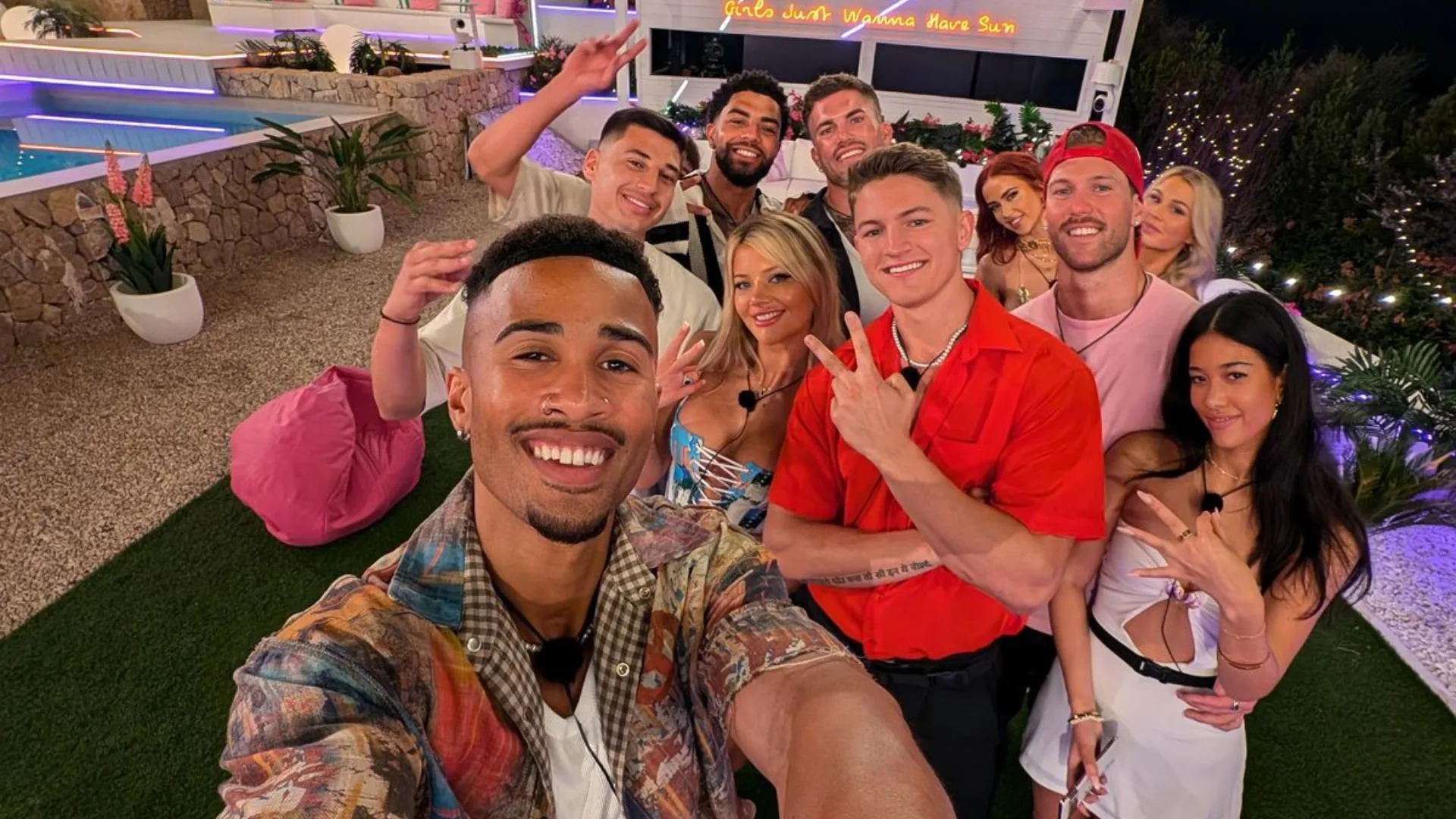
Love Island London: Production Mechanics, Cast Dynamics, and Cultural Impact
Love Island has evolved from a niche British reality television revival into a massive global phenomenon, with its London-based production engine shaping modern pop culture, digital economies, and television broadcasting standards. Int...
Love Island has evolved from a niche British reality television revival into a massive global phenomenon, with its London-based production engine shaping modern pop culture, digital economies, and television broadcasting standards.
Contents
Introduction to the Love Island Phenomenon
Love Island stands as a defining anchor of contemporary reality television, combining live-production turnaround with round-the-clock surveillance and serialized romance. Operating primarily out of a heavily secured compound in Mallorca during its peak summer runs, the overarching infrastructure, editorial direction, executive decision-making, and post-production workflows are heavily anchored in London.
The format relies on a delicate balance between unscripted human behavior and rigorous narrative engineering by producers. Understanding how this machine operates requires looking past the sun-soaked aesthetics and examining the intricate mechanics of casting, the intense realities of production schedules, and the profound cultural impact the series has left on British media, fashion, and social norms.
The Production Infrastructure: Behind the London-Managed Machine
The operational backbone of Love Island is a sophisticated, multi-tiered production apparatus split between on-site location teams and executive hubs in London. ITV Studios and Motion Content Group oversee the massive logistical footprint required to deliver nightly episodes to millions of viewers with an astonishingly short turnaround time.
The Real-Time Editing and Storytelling Loop
Unlike traditional pre-recorded documentary series, Love Island operates on a relentless 24-hour turnaround cycle. Footage is captured across dozens of fixed-rig cameras and roaming camera operators, accumulating thousands of hours of raw video daily.
- Ingestion and Logging: Production assistants and assistant editors ingest footage continuously, tagging key moments, conversations, and emotional shifts.
- Story Production: Senior producer teams in London and on-site collaborate to outline the primary narrative arcs for the upcoming episode, identifying core conflicts, burgeoning romances, and dramatic dumpings.
- Sound and Vision Post-Production: Editors assemble the narrative, while the iconic voiceover script is written, recorded, and integrated to provide humorous commentary and contextual framing.
- Compliance and Legal Review: Before broadcast, legal and compliance teams review the edit to ensure adherence to broadcasting standards, duty-of-care guidelines, and psychological welfare protocols.
Duty of Care and Psychological Support Frameworks
In response to historical criticisms and regulatory scrutiny regarding the welfare of reality television participants, production standards underwent a massive evolution. Today, the duty-of-care framework managed from London sets an industry benchmark.
Cast members undergo comprehensive psychological and medical evaluations before entering the villa. During production, resident psychologists monitor contestants on-site. Post-show support includes mandatory therapy sessions, financial management training, and social media handling guidance to help participants navigate sudden fame.
Casting Dynamics: Building the Ultimate Ensemble
The success of any season hinges entirely on the casting process. The Love Island casting team in London screens tens of thousands of applicants annually through open casting calls, talent scouting, and digital submissions.
Selection Criteria and Psychological Profile Matching
Casting directors do not merely look for physical attractiveness; they search for distinct personality archetypes that naturally spark interpersonal friction, romantic tension, and comedic relief.
- The Alpha Catalyst: Confident, assertive individuals who naturally command attention and challenge existing dynamics.
- The Romantic Idealist: Contestants genuinely seeking long-term connections, providing emotional core and vulnerability.
- The Wildcard: Late arrivals introduced strategically to disrupt established couples and test loyalties.
- The Relatable Narrator: Individuals with high emotional intelligence who articulate the group's internal feelings and reactions.
Diversity in background, profession, and personality ensures broad demographic appeal, while careful psychological screening aims to select individuals resilient enough to handle intense public scrutiny.
Cultural Impact: Shaping Society, Commerce, and Media
Love Island's influence extends far beyond television ratings, deeply embedding itself into British lexicon, consumer habits, and digital marketing ecosystems.
The Fast-Fashion and Brand Partnership Economy
The series revolutionized commercial television by pioneering real-time e-commerce integration. Historically, contestants wore their own clothes, but modern seasons feature lucrative partnerships with major fast-fashion retailers such as eBay (for pre-loved fashion initiatives), ISAWITFIRST, and PrettyLittleThing.
Viewers can identify and purchase outfits worn on screen within hours of broadcast via dedicated mobile apps and social media tags. This hyper-accelerated retail pipeline transformed contestants into micro-influencers capable of securing six-figure brand endorsement deals immediately upon leaving the villa.
Lexical Integration and Social Media Culture
The show acts as a powerful linguistic incubator. Terms coined or popularized on Love Island—such as "pied off," "my type on paper," "grafting," and "muggy"—rapidly transition from villa slang into mainstream British vernacular.
Furthermore, the show accelerated the professionalization of social media influencing. Contestants often hire specialized management agencies before entering the villa, anticipating massive follower growth that converts directly into digital monetization through sponsored posts, podcast ventures, and reality television careers.
Comparative Analysis of Reality Television Production Models
| Production Element | Traditional Pre-Recorded Reality | Love Island (London-Managed Daily Format) |
|---|---|---|
| Turnaround Time | Weeks or months between shoot and broadcast | 24 to 36 hours from event to transmission |
| Narrative Control | Structured heavily in post-production with hindsight | Reactive storytelling dictated by real-time public votes and daily developments |
| Participant Support | Basic legal compliance and post-show wrap | Comprehensive pre-, during-, and post-show psychological frameworks |
| Commercial Integration | Traditional ad breaks and product placement | Real-time second-screen commerce and fast-fashion partnerships |
Frequently Asked Questions
How long does the casting process take for a season of Love Island?
The casting process is a grueling, multi-month operation that typically begins six to eight months before the launch of a new series. Producers sift through initial digital submissions, conduct multiple rounds of video interviews, and perform rigorous background, medical, and psychological evaluations before finalizing the primary lineup and reserve contestants.
How do producers influence what happens inside the villa?
While the relationships and conversations are unscripted, producers actively manage the environment to encourage interaction. They organize challenges, determine the timing of bombshell arrivals, dictate recoupling ceremonies, and occasionally pull contestants aside for private chats to prompt reflections on their current standing or relationship status.
What measures are taken to protect contestants' mental health?
Production companies adhere to strict duty-of-care guidelines established alongside mental health professionals. These protocols include comprehensive psychological evaluations prior to casting, independent psychological support available on location during filming, and a mandatory post-show support package that includes professional therapy, social media training, and financial management advice.
How does the real-time voting and app integration work?
Viewers interact directly with the show through the official Love Island mobile application. During broadcast episodes, prompts open flash voting windows where viewers can save favorite couples, vote on compatibility, or determine which contestants face elimination. The results are tabulated instantly, allowing producers to integrate the outcomes into subsequent episodes.
Practical Next Actions for Industry Aspirants and Researchers
For those looking to enter television production or analyze modern media trends, studying the operational mechanics of Love Island offers valuable lessons in high-pressure turnaround logistics, transmedia storytelling, and ethical duty-of-care frameworks. Aspiring producers should focus on developing skills in digital logging, compliance management, and fast-paced narrative construction, while media analysts should monitor how streaming and social media continue to redefine viewer engagement.
Image Gallery