Choosing Rubber or Carpet Car Mats for the Fleet: A Strategic Guide
Selecting the appropriate floor protection for a corporate fleet is a foundational decision that balances vehicle residual value, operational safety, and maintenance overhead. The choice between rubber and carpet mats hinges on the spe...
Selecting the appropriate floor protection for a corporate fleet is a foundational decision that balances vehicle residual value, operational safety, and maintenance overhead. The choice between rubber and carpet mats hinges on the specific usage environment of the vehicle, the professional image required, and the anticipated life cycle of the assets within your fleet management strategy.
Contents
The Role of Fleet Interior Protection
In a professional fleet environment, vehicle interiors are high-traffic zones. Unlike a personal vehicle, a fleet car or truck is a workspace. Floor mats serve as the primary line of defense against premature wear of the factory carpet, which can significantly impact the trade-in or resale value of the vehicle at the end of its lease or service period. Choosing the correct material is not merely a cosmetic decision; it is an asset management choice.
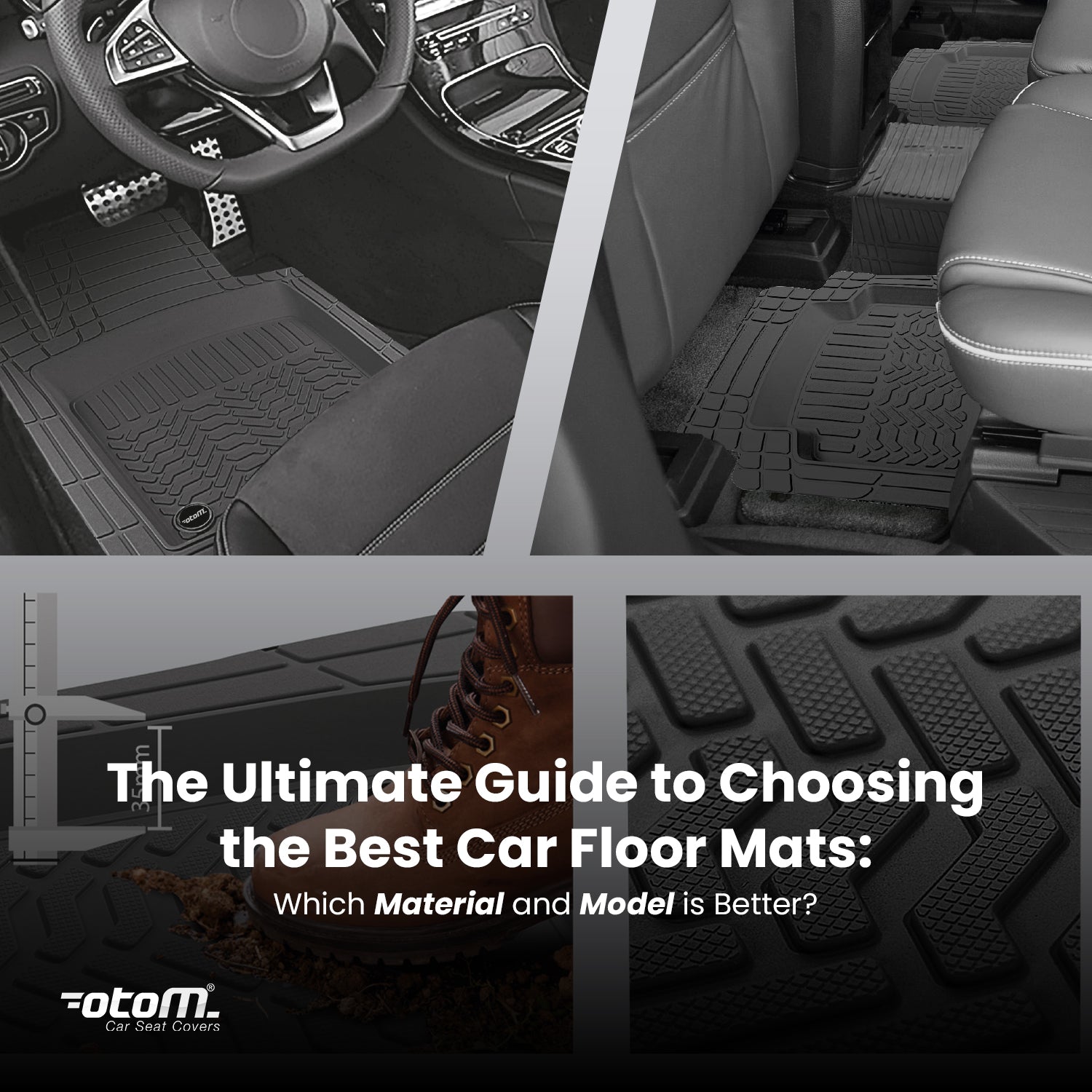
Rubber mats—often referred to as all-weather mats—are engineered for durability and ease of sanitation. They feature deep channels or ridges designed to capture water, mud, slush, and debris, preventing these substances from reaching the subfloor. Carpet mats, conversely, offer a premium aesthetic that aligns with executive transportation or client-facing roles. They provide a softer, more refined interior environment but require more rigorous maintenance schedules to remain professional.
Evaluating Rubber Mats: Performance and Utility
Rubber or thermoplastic elastomer (TPE) mats are the standard for high-utility fleet vehicles. These vehicles, such as those used by field technicians, construction supervisors, or delivery personnel, are subject to frequent ingress and egress in diverse environmental conditions.
Advantages of Rubber:
- Containment: The primary benefit of rubber is its ability to hold liquid and sediment. In regions with significant rainfall or snowfall, these mats prevent dampness from settling into the floorboards, which is a leading cause of odor and interior rust in aging fleet vehicles.
- Maintenance Efficiency: Cleaning a rubber mat is straightforward. In many cases, it requires only a high-pressure spray or a standard garden hose. This reduces labor costs during routine fleet cleaning, as mats can be removed, rinsed, and replaced in minutes.
- Longevity: Quality rubber mats are resistant to tearing and degradation from chemical exposure, such as tracked-in road salt or industrial oils, which can degrade fiber-based carpet mats over time.
Operational Limitations:
- Aesthetic Constraints: Rubber can look utilitarian or "industrial," which may not be the intended message for luxury or client-facing transport fleets.
- Slip Potential: If not properly secured with the manufacturer’s retention clips, heavy-duty rubber mats can be prone to shifting, which presents a significant safety risk if they interfere with pedal operation.
Evaluating Carpet Mats: Comfort and Aesthetics
Carpet mats are generally preferred for administrative fleets, executive shuttles, or vehicles in regions where harsh weather conditions are rare. They contribute to a quiet, upscale cabin environment and effectively hide minor dust and debris between cleanings.
Advantages of Carpet:
- Sound Damping: Carpeted interiors offer superior acoustic properties compared to rubber. The soft pile absorbs sound, contributing to a quieter ride, which is often prioritized in fleets used for client transport.
- Professional Appearance: Carpet mats integrate seamlessly with the vehicle's interior design, reinforcing a brand identity of luxury or comfort.
- Static Resistance: In certain electronics-heavy environments, carpet mats are less prone to the static electricity discharge sometimes associated with synthetic rubber compounds.
Operational Limitations:
- Moisture Retention: Once carpet mats become saturated with water or mud, they require extended drying times. Failure to dry them completely can lead to mold and mildew growth, which is a liability concern for fleet health and safety standards.
- Maintenance Cost: Carpet requires vacuuming and occasional professional extraction to maintain a presentable appearance. For a large fleet, this represents a recurring labor expense that exceeds the simple rinse-down protocol required for rubber mats.
Comparative Analysis Table
| Feature | Rubber (All-Weather) Mats | Carpet (Luxury/OEM) Mats |
|---|---|---|
| Primary Utility | Heavy duty, industrial, wet climates | Executive, client-facing, dry climates |
| Cleaning Effort | Low (Rinse/Spray) | Moderate to High (Vacuum/Extraction) |
| Resale Value Impact | High (Protects subfloor integrity) | Moderate (Risk of staining/wear) |
| Aesthetic Impact | Functional/Utilitarian | Premium/Cohesive |
| Longevity | Excellent | Limited (Susceptible to friction wear) |
| Safety Compliance | High (Requires firm retention) | Moderate (Requires frequent checking) |
Fleet Procurement Considerations
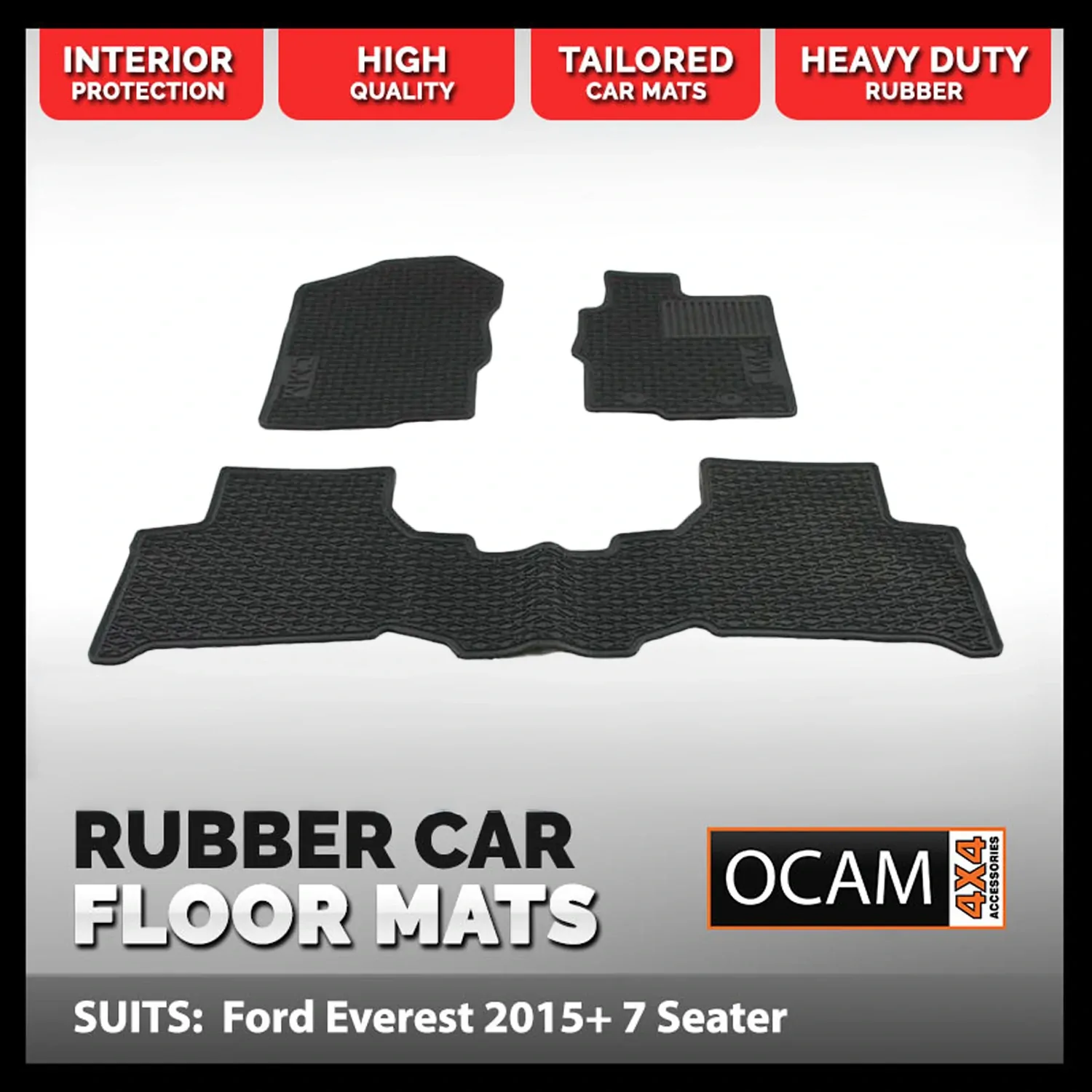
When procuring mats for a fleet, managers must prioritize safety and standardization. Regardless of the material, every mat must be specifically engineered for the make, model, and year of the vehicle. Universal "trim-to-fit" mats are generally discouraged for fleet use because they rarely achieve a perfect fit, creating gaps where debris can migrate to the original floorboards or, worse, bunching near the pedal assembly.
Safety Standardization: Fleet managers must ensure that all mats utilize the factory-installed retention posts. In 2026, most major automotive manufacturers continue to utilize standardized locking mechanisms to prevent mats from sliding forward. If a vehicle's retention clips are damaged, they should be replaced immediately. Allowing a driver to operate a vehicle with loose floor mats is a preventable safety hazard that poses a risk of pedal entrapment.
Budget and Total Cost of Ownership (TCO): When calculating the cost of floor protection, do not look at the unit price alone. Factor in the labor hours required for maintenance. A carpet mat that looks dingy after six months of heavy use will require replacement, whereas a high-quality TPE mat may last for the duration of a three-year fleet cycle. For high-turnover fleets, the upfront investment in premium rubber mats often results in lower total costs over the vehicle's lifecycle.
Common Mistakes to Avoid
- Layering Mats: Never stack rubber mats on top of existing carpet mats. This creates a thick, unstable base that increases the likelihood of the mats sliding, even if they are ostensibly "secured." Always remove the factory carpet mats before installing rubber replacements.
- Neglecting Rear Passenger Areas: In fleets that frequently transport passengers, it is common to protect the driver's side but neglect the rear seating area. Passengers track in as much debris as drivers; failing to cover the rear floors negates much of the value of the front-seat protection.
- Ignoring Material Safety Data: If your fleet operates in chemical or industrial zones, ensure that the rubber mats chosen are chemical-resistant. Some standard rubber compounds can break down when exposed to specific industrial solvents or petroleum-based products.
Frequently Asked Questions
Does a fleet vehicle lose its warranty if I replace the OEM floor mats? No. Replacing floor mats with third-party, vehicle-specific mats does not void a vehicle’s manufacturer warranty. However, if an aftermarket mat were to cause an accident due to pedal interference, that specific liability would fall outside the manufacturer's warranty coverage.
How often should I rotate or replace fleet floor mats? Rubber mats should be inspected quarterly. If the heel pad area shows significant thinning or if the retention holes have widened to the point that the mat no longer stays fixed, replace them. Carpet mats should be inspected monthly; if they become matted, stained, or frayed, their professional utility has expired.
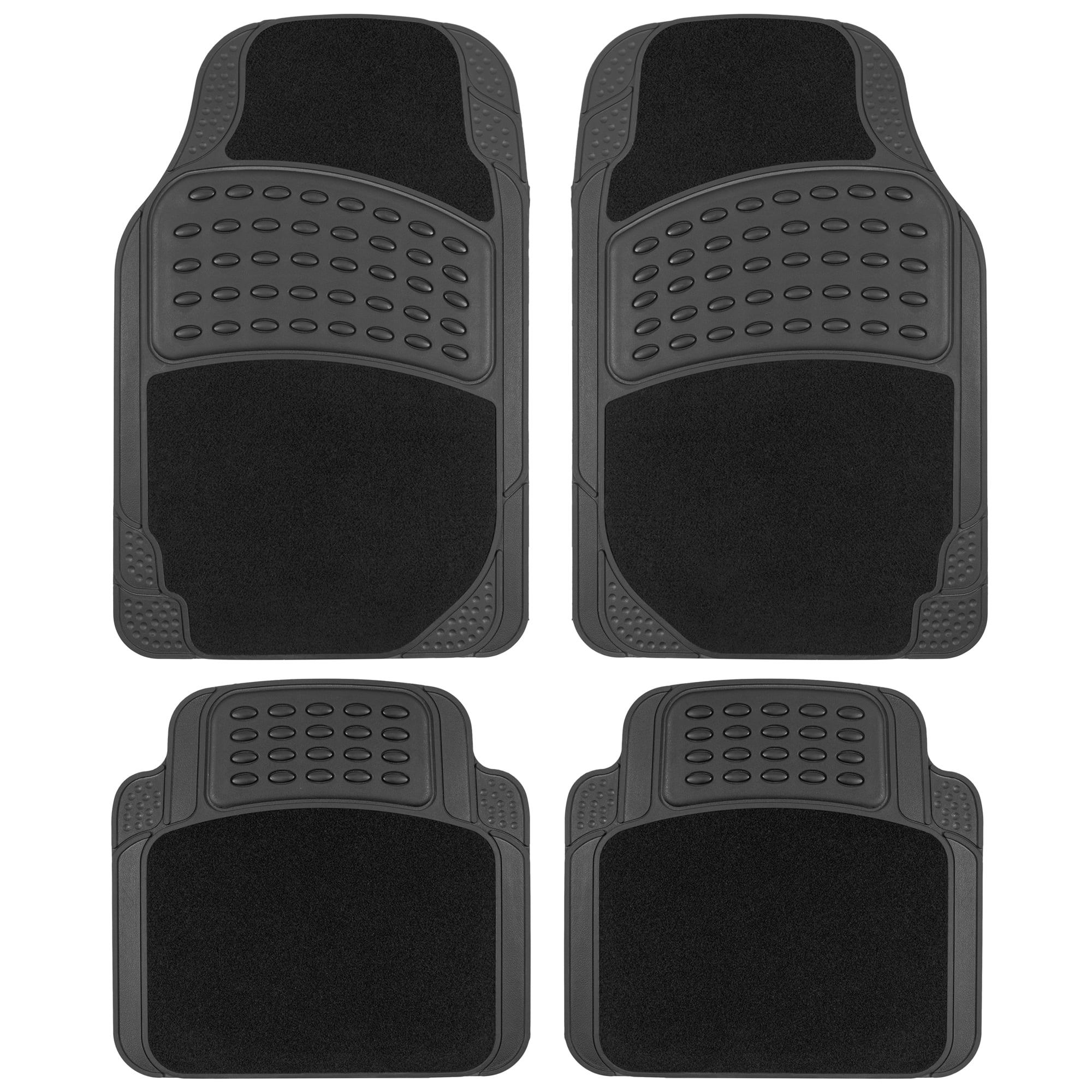
Are there hybrid options available? Yes, some manufacturers produce hybrid mats that feature a rubberized, high-grip backing with a removable carpeted insert. While these offer a compromise, they are often more expensive and can be prone to "shifting" between the two layers, which may complicate the cleaning process for fleet maintenance teams.
Can I pressure wash rubber mats in cold weather? It is generally recommended to clean them in a temperature-controlled environment. If you pressure wash mats in freezing conditions, ensure they are completely dried before re-installation to prevent ice buildup, which can create a slick, hazardous surface for the driver.
Recommendation
For the majority of corporate fleets operating in 2026, high-quality, vehicle-specific rubber or TPE mats are the superior choice. They provide the most robust protection for the vehicle’s interior, simplify maintenance routines, and offer the best protection for the vehicle’s residual value. Carpet mats should be reserved exclusively for high-end executive transport where the aesthetic trade-off is required to maintain brand image.
Image Gallery