Jen Newsom's Influence in California Politics: A Comprehensive Examination
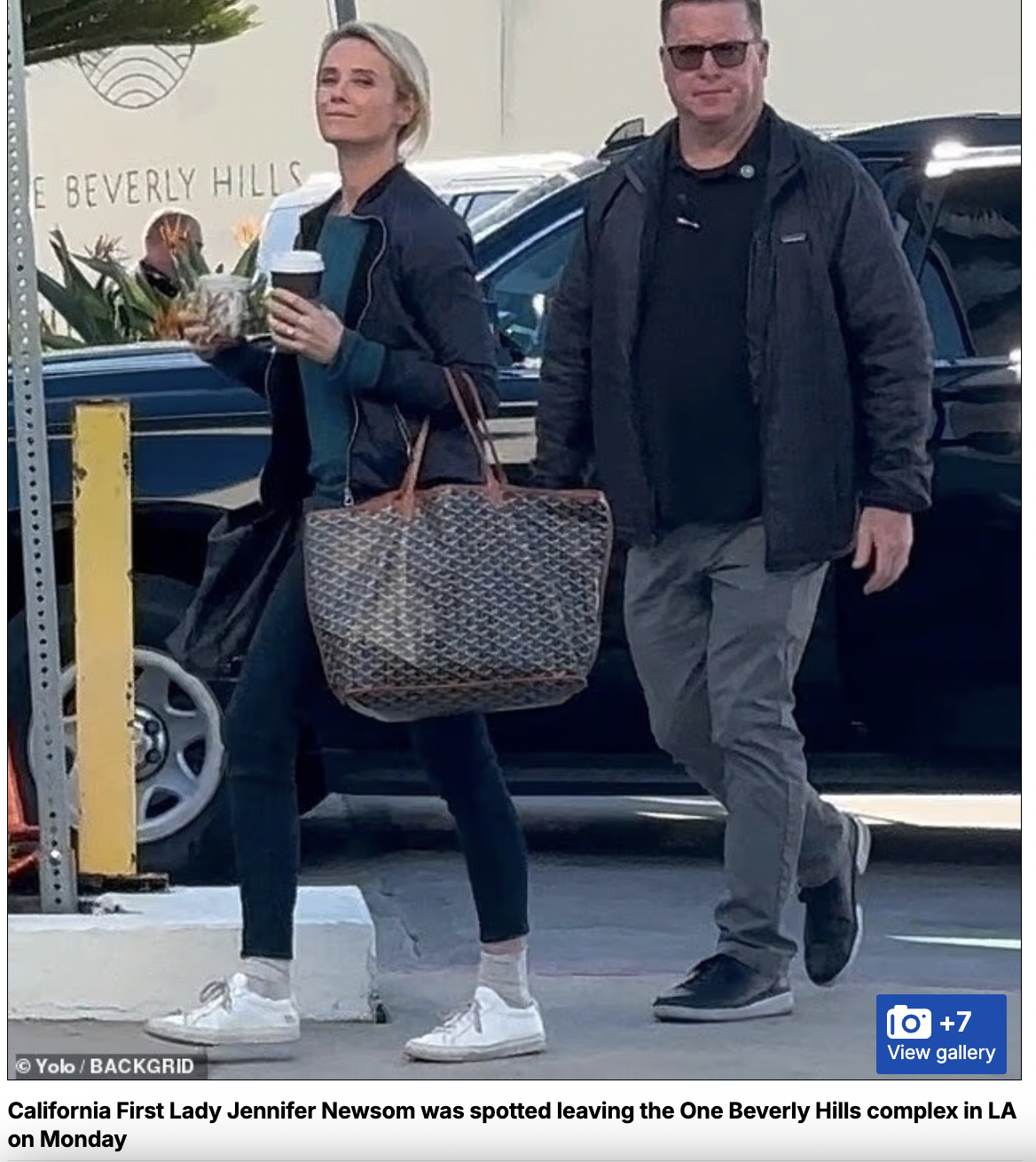
Jen Newsom, documentary filmmaker, founder of the nonprofit Representation Project, and spouse of California Governor Gavin Newsom, occupies a unique and influential space in state politics. While not an elected official, her active pu...
Jen Newsom, documentary filmmaker, founder of the nonprofit Representation Project, and spouse of California Governor Gavin Newsom, occupies a unique and influential space in state politics. While not an elected official, her active public advocacy, integration of social impact initiatives with executive platforms, and leadership in cultural campaigns have shaped key political conversations across California. Her role reflects a modern evolution of political partnership, where public advocacy intersects directly with legislative agendas, executive messaging, and state-level social policy.
Contents
The Intersection of Executive Platform and Independent Advocacy
The influence of Jennifer Siebel Newsom in California politics cannot be separated from her dual identity as an independent creative professional and the state's First Partner. Traditionally, gubernatorial spouses in California focused on non-controversial, ceremonial duties or specific, contained charitable causes. However, Newsom leveraged her background in documentary filmmaking and gender studies to establish a proactive public platform centered on systemic cultural change.
Through her leadership of the nonprofit organization The Representation Project—founded prior to her husband’s tenure as governor—she built an independent institutional base. This foundation allowed her to champion policy initiatives that align closely with the administration's progressive priorities while maintaining a distinct organizational voice. This dynamic creates a synergistic effect: the executive office gains a specialized surrogate capable of mobilizing grassroots coalitions around sensitive cultural topics, while the advocacy platform receives amplified visibility through state-level convening power.
This integration of private advocacy and public office has redefined the expectations placed on modern political spouses in California. Critics occasionally scrutinize the boundaries between official state resources and independent nonprofit missions, raising questions about potential conflicts of interest. Conversely, supporters argue that addressing systemic inequalities requires leveraging every available platform, asserting that Newsom’s public visibility acts as a catalyst for legislative action that might otherwise stall in traditional committee structures.
Key Policy Domains and Legislative Impact
Jen Newsom’s influence is most clearly visible across several distinct policy arenas, spanning early childhood development, gender equity, media representation, and mental health advocacy. Rather than operating purely as a symbolic figurehead, she has actively participated in shaping legislative frameworks and administrative guidelines.
Early Childhood and Universal Pre-Kindergarten
One of the most consequential intersections of Newsom’s advocacy and state policy involves early childhood education and care. Working in tandem with Governor Gavin Newsom’s multi-year initiative to establish universal transitional kindergarten (TK) and expand subsidized childcare, she helped frame these investments not merely as educational reforms, but as fundamental economic imperatives for working families and gender parity.
Her public campaigns consistently emphasized that the lack of affordable childcare disproportionately forces women out of the workforce. By framing early childhood education through an economic and equity lens, the administration successfully built broader public consensus for historic state budget allocations toward cradle-to-career educational infrastructure.
Gender Equity and Pay Transparency
Gender equity forms the cornerstone of Newsom’s public advocacy portfolio. Her office spearheaded initiatives addressing the systemic devaluation of women's labor and the cultural norms reinforcing gender stereotypes. This advocacy manifested in tangible legislative support, including California’s landmark pay transparency laws.
By utilizing her platform to convene corporate leaders, labor representatives, and lawmakers, Newsom helped maintain legislative momentum for bills requiring companies to publish salary ranges on job postings and report pay data categorized by race and gender. While the legislative machinery operates through elected lawmakers, the administration's concerted public messaging—heavily fronted by the First Partner—helped overcome fierce opposition from business lobbying groups.
Comparison of Traditional vs. Modern First Partner Advocacy in California
To understand the evolution of Jen Newsom’s influence, it is helpful to compare the operational model of contemporary California first partners with historical precedents.
| Dimension | Traditional Model (Late 20th Century) | Modern Model (Jen Newsom Tenure) |
|---|---|---|
| Primary Focus | Ceremonial duties, tourism promotion, apolitical community service. | Direct advocacy on systemic social issues, legislative lobbying, and cultural reform. |
| Organizational Structure | Volunteer committees operating under executive branch offices. | Independent 501(c)(3) nonprofits with dedicated staff, distinct fundraising, and national reach. |
| Media Engagement | Passive interviews, local press coverage of charity events. | Multimedia campaigns, documentary films, active digital organizing, and targeted op-eds. |
| Policy Integration | Compartmentalized from hard legislative negotiations. | Integrated directly into executive policy rollouts, budget priorities, and public awareness tours. |
Cultural Diplomacy and Media Reform
Beyond legislative halls, Newsom’s influence extends into media literacy and cultural production. Through documentary works such as Miss Representation and The Mask You Live In, she established a framework for analyzing how media consumption shapes political behavior, civic engagement, and social expectations among youth.
In California politics, where the tech and entertainment industries hold immense economic and political sway, Newsom’s positioning allows her to serve as a bridge between Sacramento regulators and Hollywood executives. She has successfully engaged major entertainment conglomerates and Silicon Valley stakeholders in voluntary dialogues regarding content standards, digital safety for children, and algorithmic bias.
This form of cultural diplomacy operates outside the statutory authority of state agencies but exerts considerable soft power. By convening industry roundtables and issuing public scorecards, the First Partner’s office influences corporate citizenship and social responsibility standards among some of the largest economic entities headquartered in California.
Criticism, Ethics, and Governance Challenges
The blending of executive proximity with active advocacy inevitably attracts scrutiny. Observers, political opponents, and good-government watchdogs frequently raise questions regarding accountability, transparency, and the potential blurring of lines between public service and private nonprofit administration.
Transparency and Nonprofit Fundraising
Because The Representation Project operates as an independent tax-exempt organization, it functions under different disclosure regulations than state government agencies. Critics have periodically questioned the intersection of donors contributing to initiatives associated with the First Partner and access to the executive branch. While the administration maintains that all activities comply strictly with state ethics laws and reporting requirements, the debate highlights the ongoing challenge of defining ethical boundaries for modern political spouses who maintain independent professional identities.
Public Perceptions of Elitism
Another recurring critique centers on the framing of cultural and social initiatives. Some commentators suggest that certain advocacy campaigns reflect coastal, progressive priorities that occasionally disconnect from the economic realities of working-class communities in California's rural, agricultural, or inland regions. Navigating these geographic and cultural divides remains a persistent strategic challenge for statewide political figures and their surrogates.
Frequently Asked Questions
What is Jen Newsom’s official title in California government?
Jen Newsom holds the title of First Partner of California. This is an unofficial, non-compensatory role traditionally held by the spouse of the sitting governor. While the position carries no constitutional authority or legislative vote, it commands significant convening power and media visibility used to advance social and administrative priorities.
What is The Representation Project?
The Representation Project is a nonprofit organization founded by Jennifer Siebel Newsom that uses film, media, and educational curricula to challenge limiting gender stereotypes and promote systemic social change. The organization produces documentary films and educational resources designed to foster media literacy and civic engagement.
How has Jen Newsom influenced California legislation?
While she does not author or vote on bills, Newsom has served as a prominent public surrogate and coalition builder for legislation related to pay transparency, universal transitional kindergarten, paid family leave, and early childhood mental health. Her public campaigns help generate grassroots momentum and align public opinion behind the administration's legislative agenda.
Are there legal or ethical limits on a California First Partner’s advocacy?
Yes. California maintains strict conflict-of-interest and ethics laws governing public officials and their immediate families. While spouses of elected officials are permitted to maintain independent careers and lead nonprofits, they are subject to state disclosure requirements, gift limits, and prohibitions against utilizing state resources for private or unauthorized political fundraising.
Conclusion and Next Actions
Jen Newsom’s influence in California politics represents a fundamental shift in how executive partnerships operate in state governance. By combining the soft power of the First Partner’s office with the structured advocacy of independent nonprofit initiatives, she has helped shape public policy around early childhood education, gender equity, and cultural representation. For researchers, policy analysts, and citizens tracking California governance, understanding this dynamic requires looking beyond statutory law to examine the interplay between cultural advocacy, executive messaging, and legislative outcomes. To stay informed on ongoing developments, monitor official state legislative dockets alongside independent reporting regarding executive branch ethics and public advocacy campaigns.
Image Gallery