How to Change the Hyundai Sonata Transmission Fluid
To change the transmission fluid in a Hyundai Sonata, you must drain the old fluid from the bottom drain plug, replace the crush washer, and refill the unit through the top fill port using the specific SP-IV or SP-IV-RR fluid. Because...
To change the transmission fluid in a Hyundai Sonata, you must drain the old fluid from the bottom drain plug, replace the crush washer, and refill the unit through the top fill port using the specific SP-IV or SP-IV-RR fluid. Because modern Sonatas lack a dipstick, you must verify the level using the overflow plug while the transmission temperature is between 122°F and 140°F (50°C–60°C).
Contents
Maintaining the automatic transmission fluid (ATF) is the single most important service you can perform to ensure the longevity of your Hyundai Sonata’s powertrain. While many manufacturers, including Hyundai, often market their transmission fluid as "sealed" or "lifetime," this designation typically applies only to "normal" driving conditions. In the real world, most drivers operate under "severe" conditions—which include short trips, stop-and-go traffic, and extreme temperatures—necessitating a fluid change every 60,000 miles to prevent shifting hesitation and internal wear.
Understanding the "Sealed" Transmission System
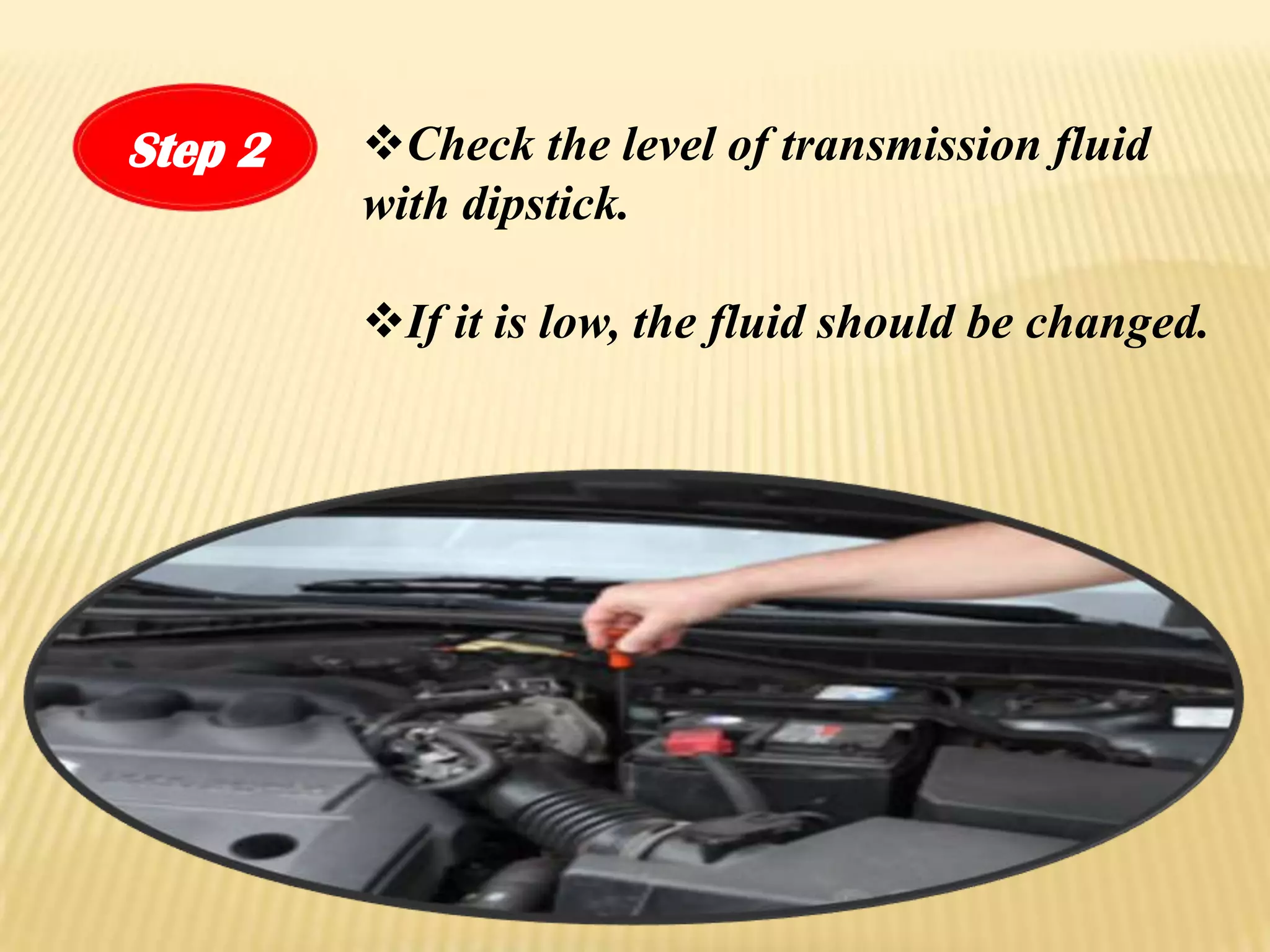
Since the 2011 model year (the YF generation), the Hyundai Sonata has primarily utilized a "sealed" six-speed or eight-speed automatic transmission. Unlike older vehicles, these units do not have a traditional dipstick in the engine bay. This design choice was intended to reduce fluid contamination and prevent owners from overfilling the system with incorrect fluids.
However, "sealed" does not mean the fluid lasts forever. Transmission fluid is a complex hydraulic oil that serves three purposes: it transfers power in the torque converter, acts as a coolant, and provides the friction necessary for the internal clutches to grab. Over time, heat causes the friction modifiers in the fluid to break down, and microscopic metal shavings from normal wear begin to circulate. By 2026, many high-mileage Sonatas from the 2015–2023 era are reaching critical service windows where fluid degradation can lead to solenoid failure or torque converter shudder.
The Importance of Fluid Specification
Hyundai transmissions are notoriously sensitive to fluid chemistry. Using a generic "Multi-Vehicle" ATF can result in harsh shifting or long-term damage to the internal seals. For almost all Sonatas produced between 2011 and 2019, the required specification is Hyundai Genuine ATF SP-IV. For newer models with 8-speed transmissions (2020 and later), the specification updated to SP-IV-RR. Always verify the specific requirement in your owner’s manual or on the underside of the hood before proceeding.
Tools and Materials Required
Before beginning the process, ensure you have the following items. Attempting this job without the ability to measure fluid temperature or lift the car level will result in an inaccurate fluid level, which can be as damaging as old fluid.
- Fluid: 5 to 6 quarts of Hyundai SP-IV or SP-IV-RR (the system holds more, but a drain-and-fill only replaces about 4–5 quarts).
- Sockets: 10mm, 12mm (for splash shields), and a 24mm socket or wrench (for the fill plug).
- Drain Plug Washer: A new aluminum crush washer (part number 21513-11000 or equivalent).
- Infrared Thermometer or OBD-II Scanner: To monitor the transmission oil temperature (OT).
- Long-Neck Funnel: Or a fluid pump to reach the fill port.
- Safety Gear: Jack stands (the car must be level), gloves, and eye protection.
Step-by-Step Hyundai Sonata Transmission Fluid Change
This procedure focuses on the "Drain and Fill" method, which is safer for high-mileage transmissions than a high-pressure flush.
1. Preparation and Lifting
Drive the vehicle for 10–15 minutes to reach operating temperature; warm fluid flows more freely and carries more contaminants out with it. Park the Sonata on a flat, level surface. Lift the front of the vehicle using a floor jack and secure it on jack stands. Crucially, the car must be level during the final check, so you may need to lift the rear as well or use a four-post lift. Remove the plastic underbody splash shield using your 10mm and 12mm sockets.
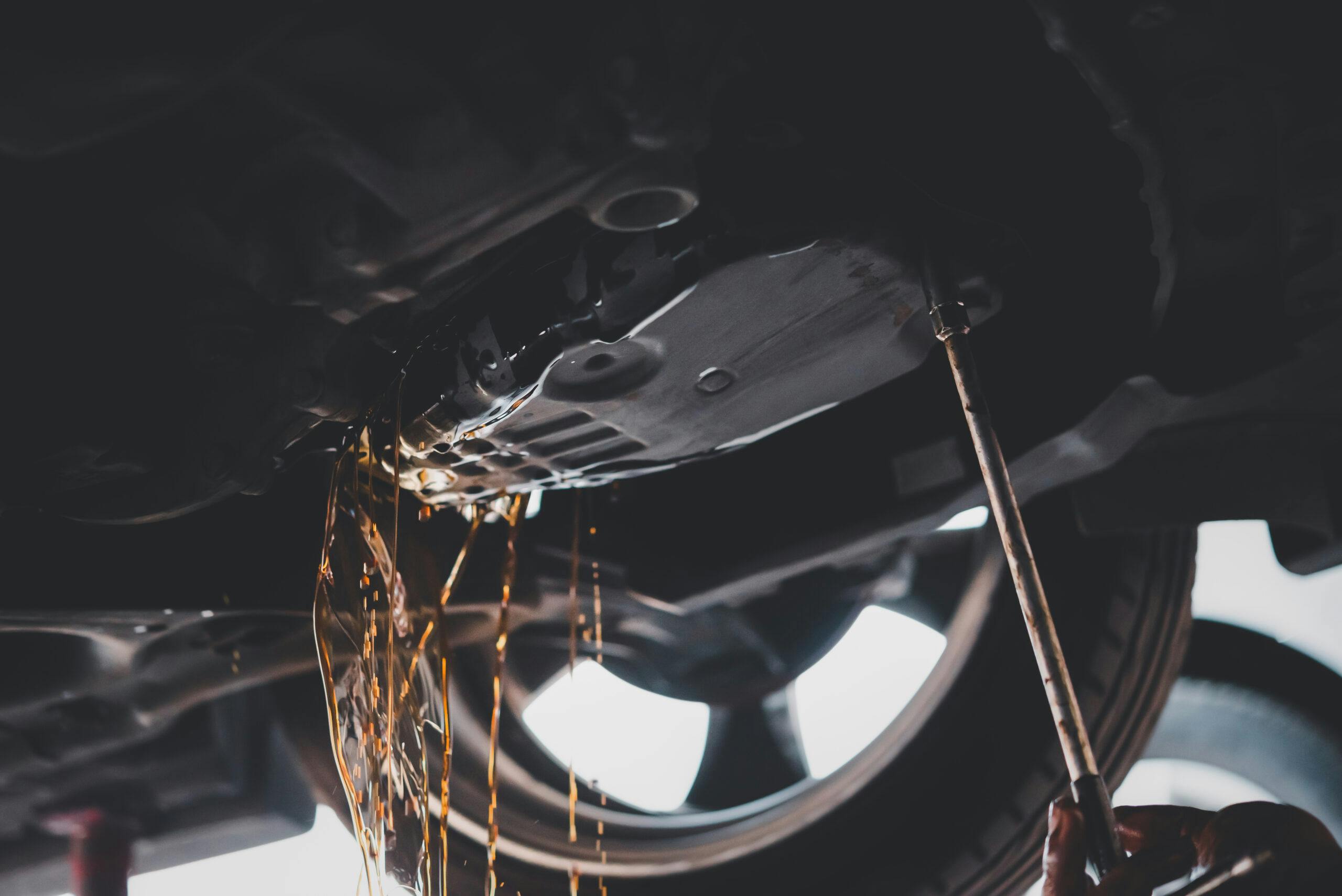
2. Draining the Fluid
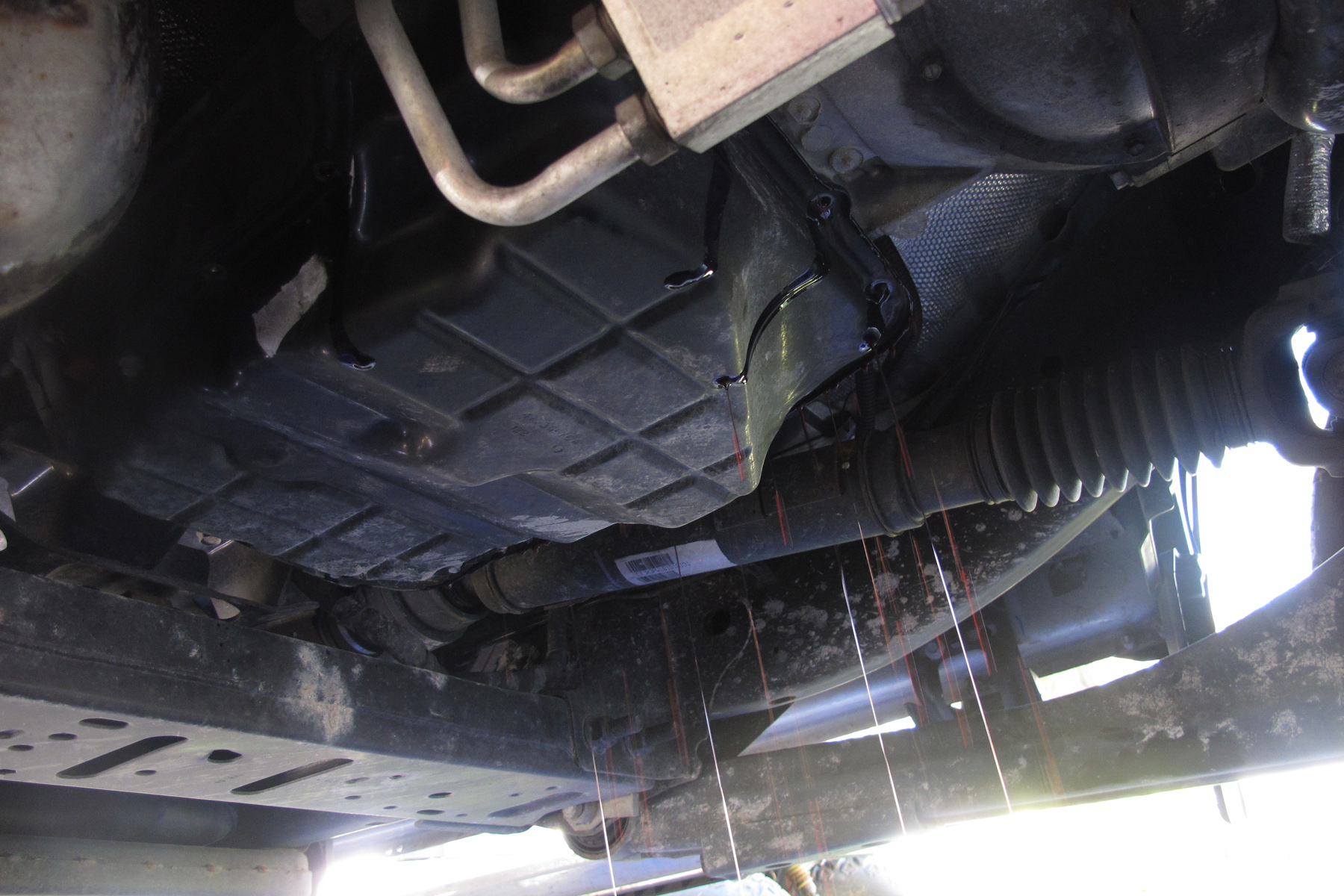
Locate the transmission drain plug on the bottom of the transmission case. It is typically a large bolt (often 24mm or a 3/8-inch square drive). Place a catch pan underneath and remove the plug. Allow the fluid to drain completely.
Pro Tip: Measure the amount of fluid that comes out. While this isn't a substitute for the leveling procedure, it provides a baseline for how much you need to put back in. Expect roughly 4.2 to 4.8 quarts. Inspect the magnetic tip of the drain plug; a fine "fuzz" of metal is normal, but large chunks indicate internal mechanical failure. Clean the plug, install the new crush washer, and torque the drain plug to 25–33 lb-ft.
3. Locating and Opening the Fill Port
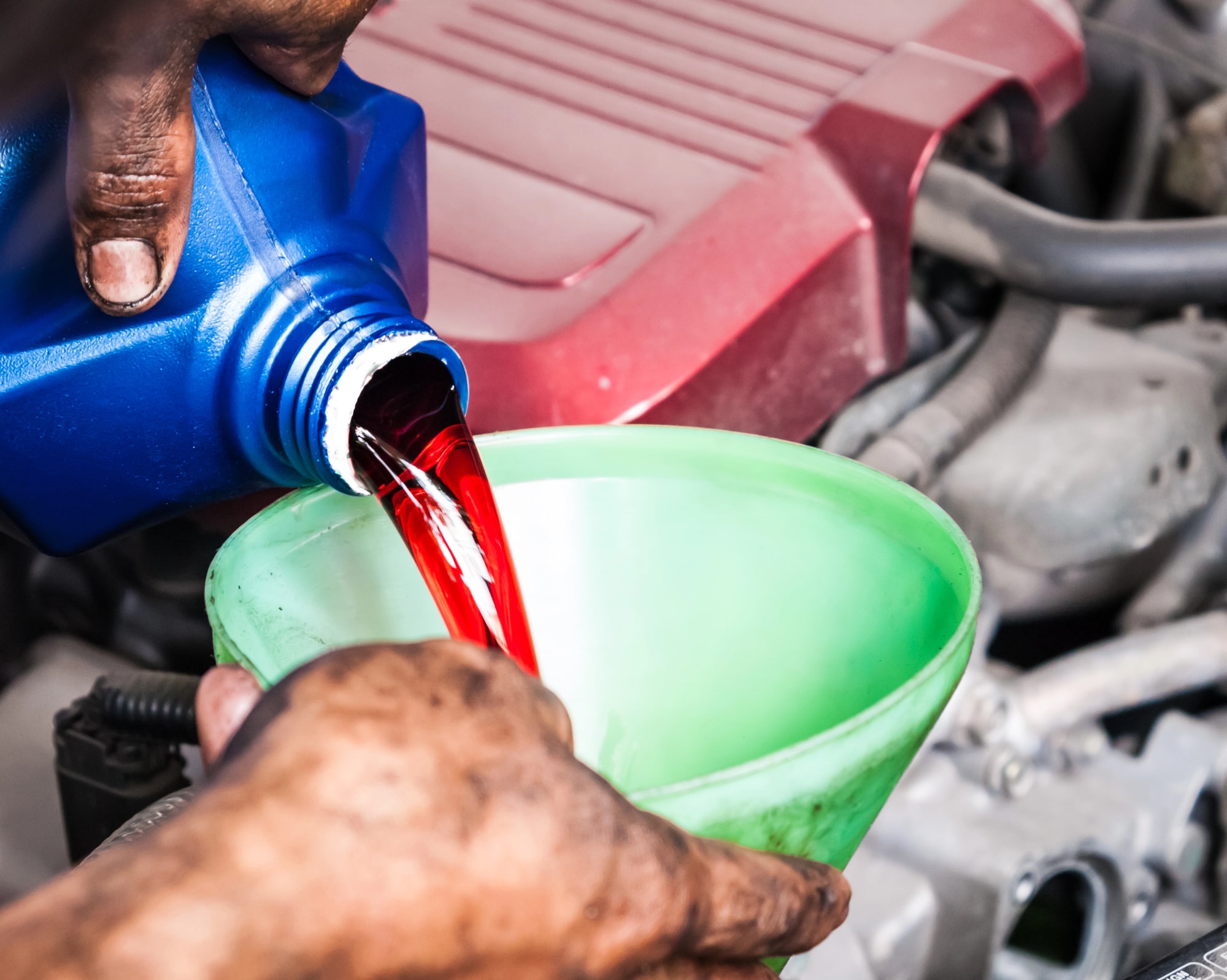
The fill port is located on the top of the transmission, often tucked under the air intake duct or near the battery tray. On many Sonata models, it is a black plastic or silver 24mm bolt. You may need to remove the air cleaner assembly to gain clear access. Remove the fill plug and insert your long-neck funnel.
4. Refilling the System
Slowly pour in approximately 4.5 quarts of the new ATF. Do not overfill at this stage. Reinstall the fill plug loosely for now.
5. The Leveling Procedure (The Most Critical Step)
Because there is no dipstick, the fluid level is determined by an "overflow" or "leveling" plug located on the side of the transmission valve body cover (the plastic or metal vertical plate facing the front of the car).
- Start the engine and let it idle.
- With your foot on the brake, slowly shift through every gear (P-R-N-D), holding each position for 3–5 seconds. This ensures the fluid circulates through the valve body and torque converter. Return to Park.
- Use your OBD-II scanner or infrared thermometer to monitor the transmission fluid temperature. The level must be checked when the fluid is between 122°F and 140°F (50°C–60°C).
- While the engine is still idling and the fluid is in the temperature window, remove the leveling plug (usually a plastic finger-tight plug or a small hex bolt on the front cover).
- Interpret the flow:
- Thin stream/Drip: The level is correct.
- Steady heavy stream: The level is too high; let it drain until it becomes a thin stream.
- No fluid comes out: The level is too low. Add more fluid through the top fill port until it starts coming out of the leveling hole.
6. Reassembly
Once the level is correct, reinstall the leveling plug and the top fill plug. Tighten them securely. Clean any spilled fluid with brake cleaner to help you identify future leaks. Reinstall the underbody splash shield and lower the vehicle.
| Generation | Model Years | Fluid Specification | Service Interval (Severe) |
|---|---|---|---|
| YF Sonata | 2011–2014 | Hyundai Genuine SP-IV | 60,000 Miles |
| LF Sonata | 2015–2019 | Hyundai Genuine SP-IV | 60,000 Miles |
| DN8 Sonata | 2020–2026 | Hyundai SP-IV-RR | 60,000 Miles |
| Sonata Hybrid | 2011–2026 | SP-IV (check manual) | 60,000 Miles |
Common Mistakes to Avoid
- Checking the level with the engine off: The fluid level must be checked while the engine is running. If the engine is off, the fluid drains back into the pan, and you will get a false "overfull" reading, leaving your transmission under-filled once you start driving.
- Ignoring the temperature window: ATF expands significantly when heated. If you check the level at 180°F, you will under-fill the unit. If you check it at 80°F, you will overfill it. Both conditions lead to aeration (foaming) of the fluid, which causes gear slip and overheating.
- Using the wrong fluid: "Universal" fluids often claim to meet SP-IV standards, but Hyundai’s 6 and 8-speed transmissions are designed around specific viscosity indexes. Stick to genuine OEM fluid or highly reputable brands that explicitly list SP-IV/SP-IV-RR compatibility on the front label.
Troubleshooting After the Change
If you notice a slight "slip" or a hard shift immediately after the change, the most likely culprit is air trapped in the valve body. Re-verify the fluid level after a short drive (ensuring you are back in the 122°F–140°F window). In some cases, the Transmission Control Unit (TCU) may need to "re-learn" its adaptive values. This is common as the computer was previously compensating for the thinner, degraded fluid. Most modern Sonatas will self-adjust after 50–100 miles of varied driving.
Frequently Asked Questions
Can I just pump the fluid out through the cooling lines?
While possible, this is generally not recommended for DIYers. Disconnecting cooling lines can lead to leaks if the quick-connect fittings are damaged. The drain-and-fill method is the standard dealership practice for routine maintenance and is sufficient if performed at the 60,000-mile interval.
Why does my manual say the fluid never needs to be changed?
Many manuals list the fluid as "Lifetime" under "Normal" driving. However, the same manual's "Severe Weather/Conditions" section—which includes driving in dusty areas, mountainous terrain, or even heavy traffic—mandates a 60,000-mile change. For the longevity of the vehicle, it is best to follow the severe schedule.
Does the Hyundai Sonata have a transmission filter?
Yes, but in the 2011–2026 models, the filter is located deep inside the transmission case. It is not a "serviceable" filter like you would find on an engine. It is only replaced during a complete transmission teardown or rebuild. This makes regular fluid changes even more critical, as you cannot simply swap a dirty filter.
What happens if I overfill the transmission?
Overfilling causes the moving parts of the transmission to whip air into the fluid. This "aerated" fluid cannot be compressed properly by the hydraulic pumps, leading to a loss of pressure, overheating, and potentially blowing out seals. Always use the overflow plug to ensure the level is exact.
Final Recommendation
If you are uncomfortable with the temperature-specific leveling process or do not have a way to keep the vehicle perfectly level while running, it is advisable to have a professional technician perform the service. However, for the diligent DIYer, performing a drain-and-fill every 60,000 miles is the most cost-effective way to ensure your Hyundai Sonata reaches the 200,000-mile mark without a major transmission failure. After completing the service, keep a record of the fluid type and mileage for warranty and resale purposes.
Image Gallery