Understanding the Black Spanish Grape in American Viticulture
The Black Spanish grape, also known as Lenoir or Jacquez, is a resilient hybrid variety (Vitis aestivalis x Vitis vinifera) essential to viticulture in the Southern United States. Valued primarily for its high resistance to Pierce’s Di...
The Black Spanish grape, also known as Lenoir or Jacquez, is a resilient hybrid variety (Vitis aestivalis x Vitis vinifera) essential to viticulture in the Southern United States. Valued primarily for its high resistance to Pierce’s Disease, it produces deeply pigmented, high-acid wines and serves as a critical heritage variety for regions with high disease pressure.
Contents
The Genetic Identity and Origins of Black Spanish
The Black Spanish grape occupies a unique position in the botanical hierarchy of North American viticulture. In 2026, genomic mapping continues to confirm that this variety is a natural hybrid, likely the result of an accidental cross between the native North American species Vitis aestivalis and a Vitis vinifera pollen donor. Historically, its discovery is often linked to the early 19th century in the southeastern United States, with many records pointing to its cultivation by Nicolas Herbemont in South Carolina, which led to its occasional alias, "Herbemont’s Madeira," though that name is more accurately applied to a related but distinct variety.
The variety is most commonly referred to as Lenoir in professional ampelography, named after the man who supposedly discovered it in North Carolina. In Texas and other Gulf Coast states, the name Black Spanish remains the dominant commercial label. Its genetic makeup grants it a "best of both worlds" profile: the ruggedness and disease resistance of American wild vines combined with the winemaking potential of European species.
Unlike many other hybrids that struggle with off-putting "foxy" aromas—a characteristic of Vitis labrusca—Black Spanish inherits the clean, neutral, and spicy profiles of the aestivalis family. This lack of methyl anthranilate (the compound responsible for the foxy scent) has allowed it to maintain a level of respect in the cellar that other native hybrids often lack.
The Vital Role of Pierce’s Disease Resistance
To understand why Black Spanish remains relevant in 2026, one must understand the threat of Pierce’s Disease (PD). Caused by the bacterium Xylella fastidiosa and spread by xylem-feeding insects like the glassy-winged sharpshooter, PD is a death sentence for almost all Vitis vinifera varieties. In the hot, humid climates of Texas, Louisiana, Florida, and Alabama, growing traditional grapes like Cabernet Sauvignon or Chardonnay is often impossible without extreme chemical intervention, and even then, vine mortality is high.
Black Spanish is "PD-resistant," meaning it can harbor the bacteria without the vascular system becoming blocked by the tyloses that typically kill the vine. While it is not immune—under extreme stress, the vine may show symptoms—it is highly tolerant. This resilience has made it the backbone of the "Texas Port" industry and a staple for small-scale commercial vineyards across the American South.
Furthermore, the vine’s resistance to phylloxera, the microscopic aphid that decimated European vineyards in the 19th century, is noteworthy. During the Great French Wine Blight, Black Spanish (under the name Jacquez) was exported to France in massive quantities. It was used both as a direct producer and as a rootstock because it could survive in the chalky soils of southern France where other American species failed due to lime-induced chlorosis.
Viticultural Characteristics and Vineyard Management
Cultivating Black Spanish requires a departure from standard Vitis vinifera management practices. In 2026, vineyard managers emphasize the variety's extreme vigor. If left to its own devices, a Black Spanish vine can produce an overwhelming amount of vegetative growth, which shades the fruit and increases the risk of fungal diseases.
Soil and Climate Adaptability
Black Spanish thrives in well-drained, alkaline soils, which is rare for many American hybrids that prefer acidic environments. This makes it particularly well-suited for the limestone-rich soils of the Texas Hill Country. It is also highly heat-tolerant, requiring a long growing season to fully ripen its seeds and tannins. However, it is sensitive to extreme cold; temperatures dropping below 0°F (-18°C) can cause significant trunk damage, limiting its northern range.
Fungal Sensitivity
While it stands strong against Pierce’s Disease, Black Spanish is notoriously susceptible to Downy Mildew and Black Rot. Growers must maintain a rigorous spray schedule, particularly during the humid spring months. Canopy management is critical—leaf pulling and aggressive shoot thinning are standard practices to ensure adequate airflow around the clusters.
Pruning and Training
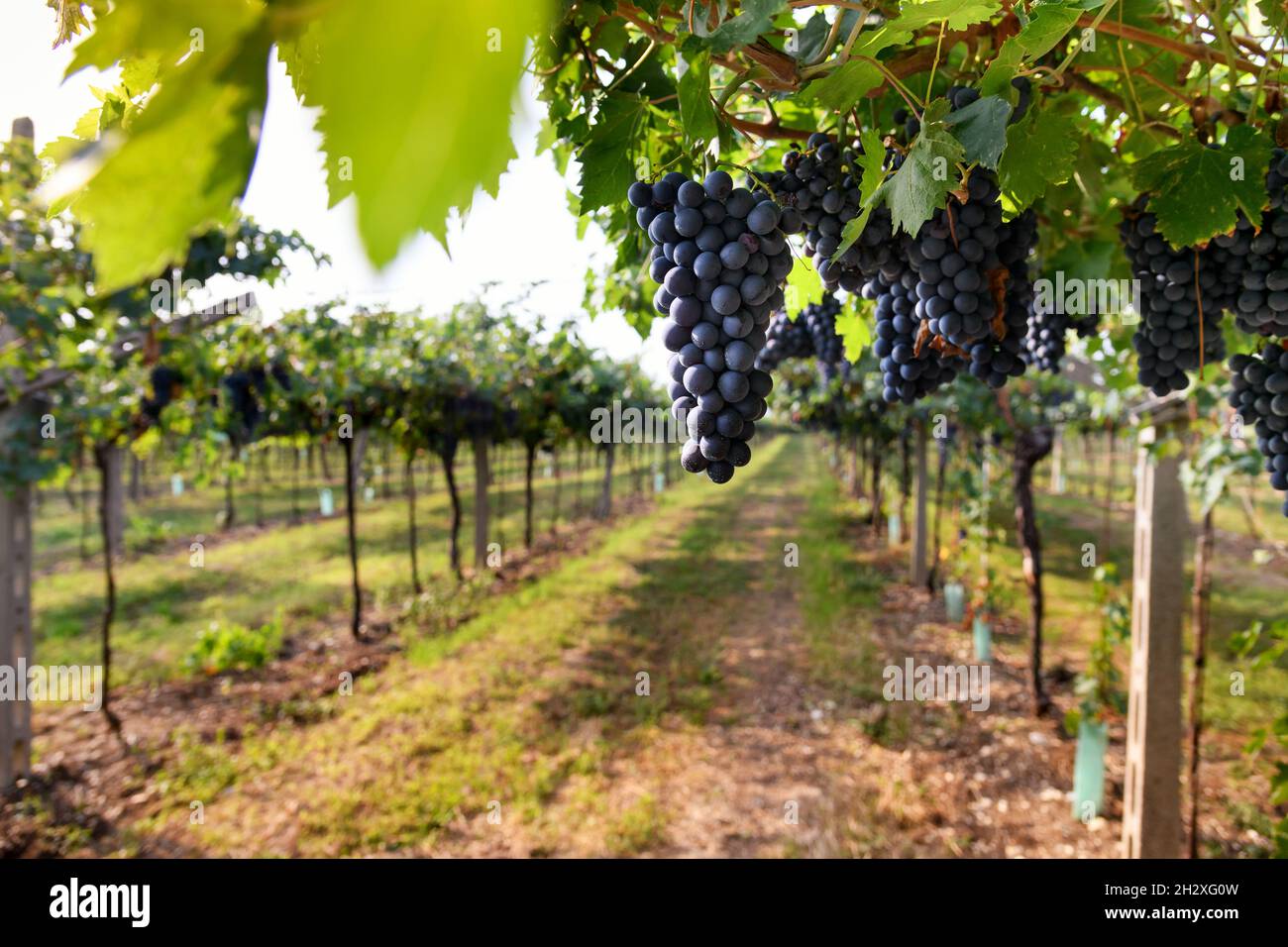
Because the basal buds of Black Spanish are often fruitful, it can be pruned using either a bilateral cordon with spurs or a cane-pruning system. Most commercial growers in the South prefer the High Wire Trellis or Watson system to manage the drooping growth habit of the shoots and to keep the fruit zones away from the damp ground.
Enology: Crafting Wine from Black Spanish
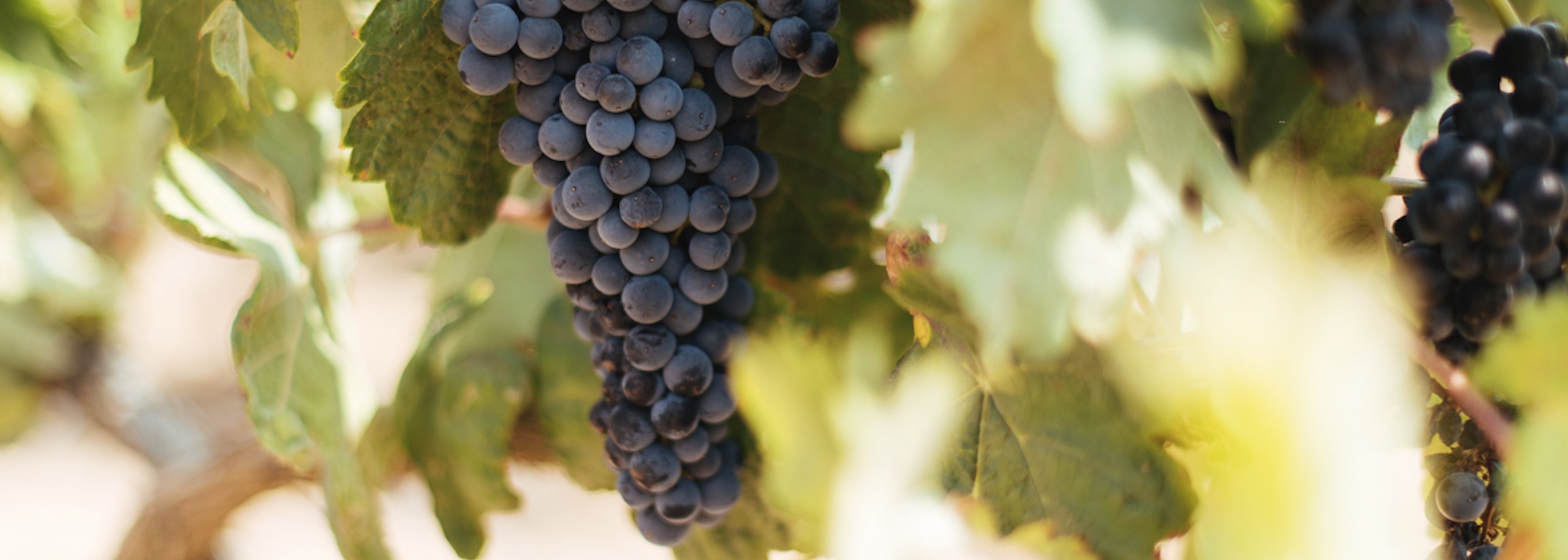
Black Spanish is a teinturier grape, meaning it has red skin and red flesh. Most red grapes have clear juice, and the color is extracted only through skin contact. With Black Spanish, the juice is deeply pigmented from the moment of crushing. This characteristic results in wines of intense, opaque color that are nearly impossible to see through.
Flavor Profile and Structure
The wine is characterized by high natural acidity and a unique flavor profile that includes:
- Primary Fruit: Elderberry, black currant, and dried plum.
- Spice/Earthy Notes: Black pepper, graphite, and sometimes a medicinal or "wild" herbal quality.
- Structure: It possesses high tannins, but they can be aggressive and "green" if the fruit is not fully physiologically mature at harvest.
The Port-Style Tradition
Perhaps the most successful application of Black Spanish is in the production of fortified, Port-style wines. The high acidity and deep color provide a perfect structural base for fortification with grape spirits. Residual sugar balances the grape’s natural tartness, and the oxidative aging process typical of Port production helps to mellow the intense tannins and develop complex notes of chocolate, coffee, and toasted nuts.
Dry Red Challenges
Producing a balanced dry red wine from 100% Black Spanish is a challenge. The high acid levels often require Malolactic Fermentation (MLF) or even chemical de-acidification. Many winemakers choose to blend it with smoother varieties like Merlot or Syrah to "round out" the mid-palate while using the Black Spanish to provide the deep color and structural backbone.
Comparative Analysis of Southern Varieties
The following table compares Black Spanish with other prominent varieties grown in the same PD-pressure regions as of 2026.
| Feature | Black Spanish (Lenoir) | Blanc Du Bois | Cabernet Sauvignon |
|---|---|---|---|
| Species | Hybrid (V. aestivalis x V. vinifera) | Hybrid (Complex) | Vitis vinifera |
| Berry Color | Deep Purple/Black | Green/Yellow | Dark Blue/Black |
| PD Resistance | High | High | Very Low |
| Primary Use | Fortified, Dark Reds, Blends | Dry Whites, Sparkling | Premium Dry Reds |
| Vigor | Very High | High | Moderate |
| Acid Profile | Very High | Moderate to High | Moderate |
| Cold Hardiness | Moderate | Low | Moderate to High |
Historical and Modern Impact in American Viticulture
The historical significance of Black Spanish cannot be overstated. In the mid-1800s, it was one of the most widely planted grapes in the world, largely due to its role in saving the European wine industry. Today, it represents a movement toward sustainable viticulture. As climate change alters pest pressure and water availability, the need for "naturally armored" grapes like Black Spanish has increased.
In 2026, the American wine industry is seeing a resurgence of interest in heritage hybrids. Consumers are increasingly looking for "wines of place" that do not require the heavy chemical inputs often needed to keep vinifera alive in non-traditional climates. Black Spanish is being rebranded from a "workhorse" grape to a "heritage" variety, with several Texas wineries now producing single-vineyard, estate-bottled expressions that highlight the specific terroir of the region.
Frequently Asked Questions
Is Black Spanish the same as the Spanish grape Tempranillo?
No. Despite the name, Black Spanish is a North American hybrid. Tempranillo is a Vitis vinifera variety native to Spain. The name "Black Spanish" likely arose because the grape was originally thought to have been brought over by Spanish explorers, though genetic testing has since proven its American hybrid origins.
Can Black Spanish be grown in cold climates like New York or Michigan?
Generally, no. Black Spanish is adapted to the heat of the South. Its wood does not acclimate well to extreme freezing temperatures, and it often suffers from "winter kill" in USDA zones lower than 7. It is best suited for the Gulf Coast, Texas, and the lower Southeast.
Does Black Spanish wine taste like Concord wine?
No. Concord is a Vitis labrusca hybrid, which contains high levels of methyl anthranilate, giving it a "grapey" or "foxy" flavor. Black Spanish is a Vitis aestivalis hybrid, which lacks these compounds. Its flavor profile is much closer to traditional European red wines, though with higher acidity and a darker fruit profile.
Why is the juice of Black Spanish red?
Black Spanish is a teinturier grape. It contains anthocyanins (color pigments) not just in the skins, but also within the pulp of the berry. This is a relatively rare trait in the grape world, shared by only a few other varieties like Alicante Bouschet and Saperavi.
What is the best food pairing for Black Spanish wine?
Because of its high acid and intense color, dry versions pair well with fatty, rich meats like smoked brisket or grilled lamb. For the more common Port-style versions, blue cheeses, dark chocolate desserts, and roasted pecans are the traditional pairings.
Recommendations for Growers and Enthusiasts
For those considering planting Black Spanish in 2026, focus on site selection. Prioritize well-drained locations with good elevation to facilitate air drainage, which mitigates both frost risk and fungal pressure. Ensure you have a plan for managing high vigor; a "set it and forget it" approach will lead to a tangled, diseased canopy within two seasons.
For wine enthusiasts, seek out "Estate Bottled" Black Spanish from reputable Texas Hill Country or Gulf Coast producers. Look for wines that have spent at least 24 months in oak, as the wood tannins help to soften the grape's natural aggression. Understanding the Black Spanish grape is not just about tasting a wine; it is about appreciating a survivor that bridged the gap between the Old World and the New World during the greatest crisis in viticultural history.
Image Gallery