The Final Days and Medical History: What Did Spencer Tracy Die Of?
Spencer Tracy died of a massive heart attack on June 10, 1967, at his home in Beverly Hills, California, following a prolonged period of severe heart disease, chronic pulmonary emphysema, and failing overall health. The death of legend...
Spencer Tracy died of a massive heart attack on June 10, 1967, at his home in Beverly Hills, California, following a prolonged period of severe heart disease, chronic pulmonary emphysema, and failing overall health.
Contents
The death of legendary Hollywood actor Spencer Tracy marked the end of one of the most celebrated cinematic careers in motion picture history. Known for his remarkable naturalism, incredible versatility, and two Academy Awards for Best Actor, Tracy’s final years were overshadowed by a complex constellation of severe medical conditions. While the immediate cause of his death was acute myocardial infarction, his demise was the culmination of decades of heavy smoking, alcoholism, and accumulating organ damage that ultimately caught up with the 67-year-old actor. Understanding what Spencer Tracy died of requires examining his extensive medical records, the progressive nature of his cardiovascular and pulmonary diseases, and the medical context of Hollywood healthcare during the mid-20th century.
The Immediate Cause of Death: Acute Myocardial Infarction
On the morning of June 10, 1967, Spencer Tracy suffered a massive heart attack—medically termed an acute myocardial infarction—at his residence. According to historical records and contemporary news reports, Tracy had woken up during the early hours of the morning and walked from his bedroom to the kitchen to make a glass of tea. While in the kitchen, he suffered a sudden and catastrophic cardiac event.
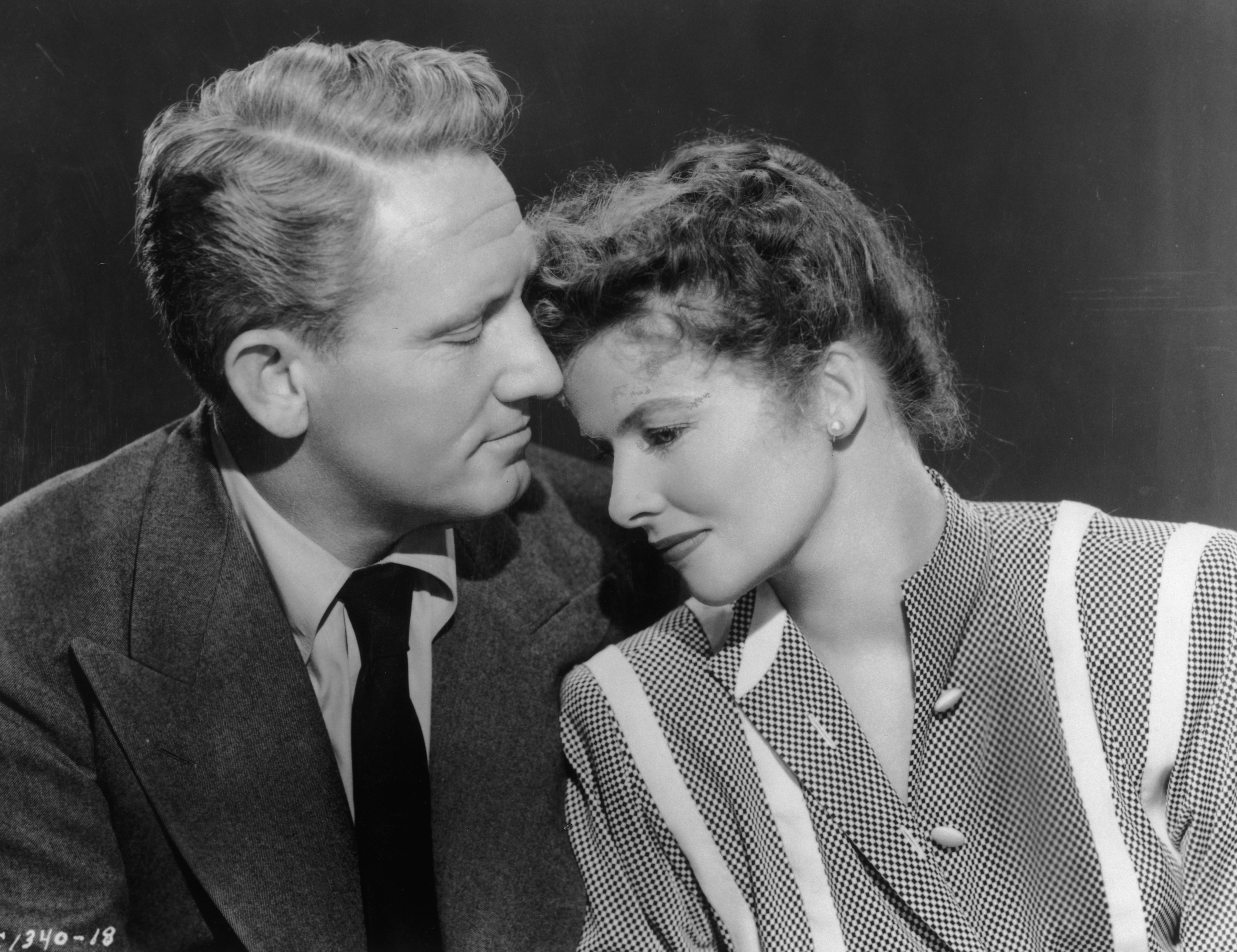
His longtime companion, legendary actress Katharine Hepburn, heard a noise and rushed downstairs to find Tracy collapsed on the kitchen floor. Despite immediate attempts to summon emergency medical assistance, Tracy was pronounced dead upon the arrival of medical personnel or shortly thereafter. He was 67 years old.
An acute myocardial infarction occurs when blood flow to the heart muscle abruptly ceases, causing tissue damage and necrosis. In Tracy’s case, his heart was already severely compromised by years of ischemic heart disease, hypertension, and the physical toll exacted by chronic respiratory illness. His cardiovascular system simply could not sustain the sudden ischemic crisis, leading to fatal cardiac arrest.
Underlying Chronic Conditions: Heart Disease and Emphysema
While the heart attack was the acute trigger of his passing, Spencer Tracy’s health had been in a state of steep decline for nearly a decade. He suffered from severe, progressive cardiovascular disease, which had manifested clinically several years prior to his death. By the early 1960s, Tracy had experienced several health scares on film sets, forcing production companies to secure heavy insurance policies or accommodate his restricted working hours.
Compounding his cardiac vulnerabilities was severe chronic pulmonary emphysema. Decades of heavy cigarette smoking—often consuming several packs a day—had severely degraded his lung capacity. Emphysema is a type of chronic obstructive pulmonary disease (COPD) characterized by the destruction of the air sacs (alveoli) in the lungs, leading to trapping of air, chronic shortness of breath (dyspnea), and oxygen deprivation.
The interplay between his failing heart and damaged lungs created a dangerous medical feedback loop known as cardiopulmonary compromise:
- Reduced Oxygen Intake: Damaged alveoli from emphysema meant less oxygen reached Tracy's bloodstream.
- Increased Cardiac Strain: To compensate for low blood oxygen, the heart had to pump faster and harder, accelerating cardiac wear and tear.
- Systemic Fatigue: The chronic lack of efficient oxygenation left Tracy chronically fatigued, struggling for breath even during minimal physical exertion.
The Toll of Alcoholism and Lifestyle Factors
No examination of Spencer Tracy's medical history is complete without addressing his lifelong struggles with alcoholism. Tracy battled severe alcohol use disorder for the majority of his adult life. Binge drinking episodes frequently led to dramatic disappearances, physical injuries, and severe metabolic strain.
Alcohol abuse profoundly impacts cardiovascular health. Chronic heavy drinking contributes to alcoholic cardiomyopathy (a weakening of the heart muscle), hypertension, and systemic inflammation. Furthermore, alcohol interacted poorly with the various medications prescribed to Tracy for his mood disorders, insomnia, and physical ailments.
In addition to alcohol, Tracy’s heavy smoking habit was a primary driver of his pulmonary decline. In an era before the Surgeon General’s 1964 report firmly established the public link between smoking and fatal illnesses, cigarettes were ubiquitous in Hollywood. Tracy chain-smoked through decades of film shoots, compounding his risk for both lung cancer and chronic obstructive pulmonary disease, ultimately destroying his pulmonary parenchyma.
Medical Timeline and Final Film: Guess Who's Coming to Dinner
The fragility of Tracy’s health became a central narrative during the production of his final film, Guess Who's Coming to Dinner (1967), directed by Stanley Kramer. By the time filming began in the spring of 1967, Tracy was gravely ill, suffering from advanced heart and kidney disease alongside his emphysema.
Recognizing the extreme risk, studio executives were initially hesitant to insure the production. Katharine Hepburn personally intervened, putting up her own salary and financial guarantees as collateral to ensure the studio would not shut down the project and that Tracy could complete his role alongside her and Sidney Poitier.
| Production Milestone | Medical Status | Impact on Filming |
|---|---|---|
| Pre-Production (Early 1967) | Advanced emphysema, heart disease, extreme fatigue | Production insurance denied standard rates; Hepburn guaranteed financial backing. |
| Principal Photography | Shortness of breath, fluid retention, severe weakness | Shooting schedules strictly limited to morning hours; medical staff on standby. |
| May 24, 1967 | Completion of final scenes | Tracy delivered his emotional closing monologue, finishing his work days before his death. |
| June 10, 1967 | Acute myocardial infarction | Fatal cardiac event at home in Beverly Hills, California. |
During filming, Tracy was often so weak that he required supplemental oxygen between takes. Crew members and co-stars have recounted how his scenes had to be carefully timed, and physical movements were restricted to prevent him from collapsing on set. Despite these monumental obstacles, Tracy delivered a poignant, critically acclaimed performance that earned him a posthumous Academy Award nomination for Best Actor. He finished his final scene just seventeen days before his death.
Legacy and Posthumous Recognition
Spencer Tracy’s death closed the chapter on one of Hollywood's most revered golden-age careers. His passing was mourned internationally, with tributes pouring in from colleagues, directors, and fans who admired his uncompromising dedication to his craft.
Posthumously, Tracy received an Academy Award nomination for Best Actor for Guess Who's Coming to Dinner, a testament to the enduring power of his talent even in the final, failing weeks of his life. Katharine Hepburn famously refused to watch the completed film, stating that the memories of witnessing his physical suffering and subsequent death were too painful.
Medical advancements in cardiology and pulmonary care since 1967 mean that patients presenting with Tracy’s constellation of symptoms today would have access to advanced surgical interventions, such as coronary bypass surgery, stents, aggressive pharmaceutical management for heart failure, and modern bronchodilators for COPD. However, given the advanced state of his organ damage and lifestyle factors, his death remains a poignant reminder of the physical toll exacted by chronic disease during an era of less advanced medical technology.
Frequently Asked Questions
What was the official cause of Spencer Tracy's death?
The official and immediate cause of Spencer Tracy's death was an acute myocardial infarction (a massive heart attack). This fatal cardiac event occurred while he was suffering from advanced chronic heart disease, pulmonary emphysema, and long-term systemic health deterioration.
How old was Spencer Tracy when he died?
Spencer Tracy was 67 years old when he passed away on June 10, 1967. Born on June 7, 1900, he had celebrated his 67th birthday just three days prior to his death.
Did Spencer Tracy finish his last movie before dying?
Yes, Spencer Tracy completed filming his role in Guess Who's Coming to Dinner on May 24, 1967. He passed away just seventeen days after principal photography wrapped on the iconic motion picture.
What health conditions did Spencer Tracy suffer from?
Tracy suffered from severe chronic pulmonary emphysema due to heavy smoking, ischemic heart disease, hypertension, and long-term complications stemming from chronic alcoholism. These conditions severely limited his physical stamina during his final years.
How did Katharine Hepburn help Spencer Tracy during his final illness?
Katharine Hepburn was Tracy's companion and caregiver for decades. During the filming of his final movie, she personally guaranteed the production's insurance and financial backing so the studio would allow Tracy to work, while also managing his daily medical needs and physical care.
Image Gallery