What the Tuna Salad Recall Means for Consumers and Food Safety
When public health authorities announce a food recall involving a staple item like tuna salad, it immediately triggers concerns regarding consumer safety, foodborne illness, and supply chain integrity. Understanding what a tuna salad r...
When public health authorities announce a food recall involving a staple item like tuna salad, it immediately triggers concerns regarding consumer safety, foodborne illness, and supply chain integrity. Understanding what a tuna salad recall means requires examining the specific reasons behind these alerts—such as potential bacterial contamination or undeclared allergens—and recognizing the practical steps households must take to protect themselves. This overview explores the mechanics of food recalls, the risks associated with contaminated prepared seafood products, and actionable measures for identifying and handling affected goods.
Contents
Understanding Food Recalls: The Regulatory Framework
A food recall is a voluntary or mandated action taken by a manufacturer or distributor to remove a product from the marketplace when there is reason to believe it may cause health problems, injuries, or violate food safety regulations. In the United States, agencies like the Food and Drug Administration (FDA) and the U.S. Department of Agriculture (USDA) oversee these actions.
When applied to prepared deli items such as tuna salad, recalls typically fall into specific hazard classifications. These classifications help consumers and retailers gauge the severity of the risk:
- Class I Recall: A situation in which there is a reasonable probability that the use of, or exposure to, a violative product will cause serious adverse health consequences or death. Examples include Listeria monocytogenes or Salmonella contamination.
- Class II Recall: A situation in which the use of, or exposure to, a violative product may cause temporary or medically reversible adverse health consequences, or where the probability of serious adverse health consequences is remote.
- Class III Recall: A situation in which the use of, or exposure to, a violative product is not likely to cause adverse health consequences. This often includes mislabeling issues, such as a missing allergen declaration.
Primary Triggers for Prepared Seafood Recalls
Prepared items like tuna salad combine multiple ingredients—canned or pouched tuna, mayonnaise, celery, onions, and various spices—increasing the complexity of the supply chain and the potential vectors for contamination. Food safety incidents generally stem from two primary categories: biological pathogens and undeclared allergens.
Biological Pathogens (Listeria, Salmonella, and E. coli)
Ready-to-eat (RTE) foods that do not require further cooking before consumption present a distinct microbiological challenge. If processing environments are not properly sanitized, pathogens can contaminate the finished product.
- Listeria monocytogenes:* This bacterium can survive and grow at refrigeration temperatures. Ingesting food contaminated with Listeria can cause listeriosis, a serious infection that primarily affects pregnant individuals, newborns, and adults with weakened immune systems.
- Salmonella:* Often linked to contaminated raw ingredients or cross-contamination in processing facilities, Salmonella causes salmonellosis, characterized by acute gastrointestinal distress, fever, and abdominal cramps.
Undeclared Allergens and Labeling Errors
Food manufacturing errors occasionally result in products being packaged in incorrect containers, leading to major allergen omissions. For tuna salad, the primary allergens include fish, eggs (from mayonnaise), and sometimes soy, wheat, or tree nuts depending on specific regional recipes or manufacturing facilities. For individuals with severe food allergies, consuming a product with an undeclared allergen can trigger anaphylaxis, a life-threatening reaction requiring immediate medical intervention.
| Recall Classification | Primary Health Risk | Typical Example in Deli Products | Recommended Consumer Action |
|---|---|---|---|
| Class I | Serious adverse health effects or death | Listeria monocytogenes or Salmonella contamination | Do not consume; discard or return for a refund immediately. |
| Class II | Temporary or reversible health consequences | Minor pathogen presence or localized quality deviations | Check lot numbers, isolate, and return or discard. |
| Class III | Unlikely to cause adverse health consequences | Undeclared non-life-threatening ingredients or minor mislabeling | Inspect for personal allergen safety; discard if allergic. |
How to Identify Recalled Tuna Salad Products
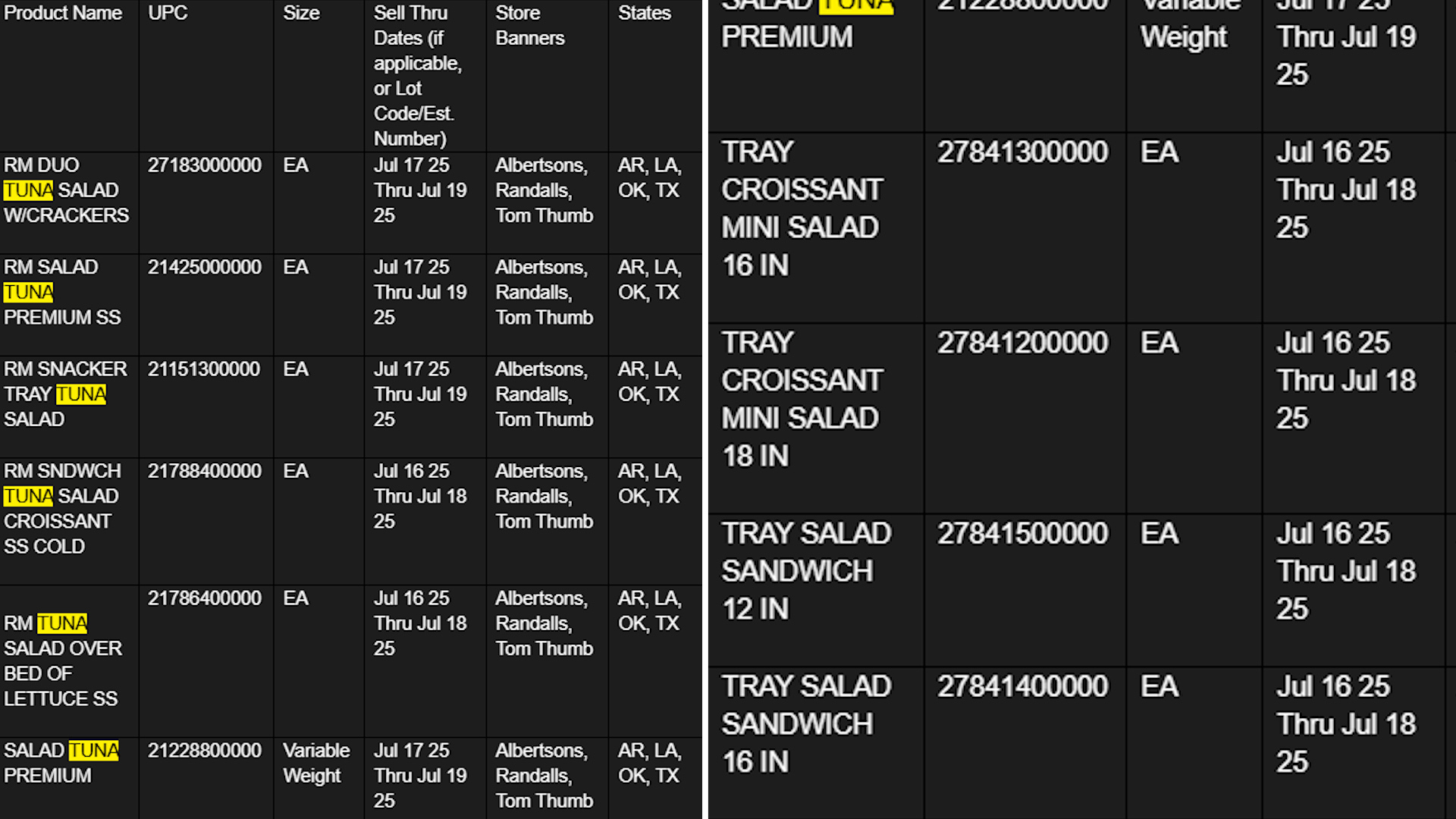
When a recall is issued, regulatory agencies and manufacturers release specific identifying details to help consumers determine whether they have an affected item in their refrigerator or pantry. Relying solely on the brand name is insufficient; verification requires cross-referencing multiple data points.
Checking Lot Numbers, UPCs, and Best-By Dates
Every commercial food package carries distinct tracking markers. Consumers should examine the product label for:
- Universal Product Code (UPC): The barcode numbers located on the packaging.
- Lot/Batch Numbers: Alphanumeric codes that indicate the specific production run, facility, and shift during which the item was manufactured.
- Use-By or Sell-By Dates: Timelines established by the manufacturer to guarantee quality and safety.
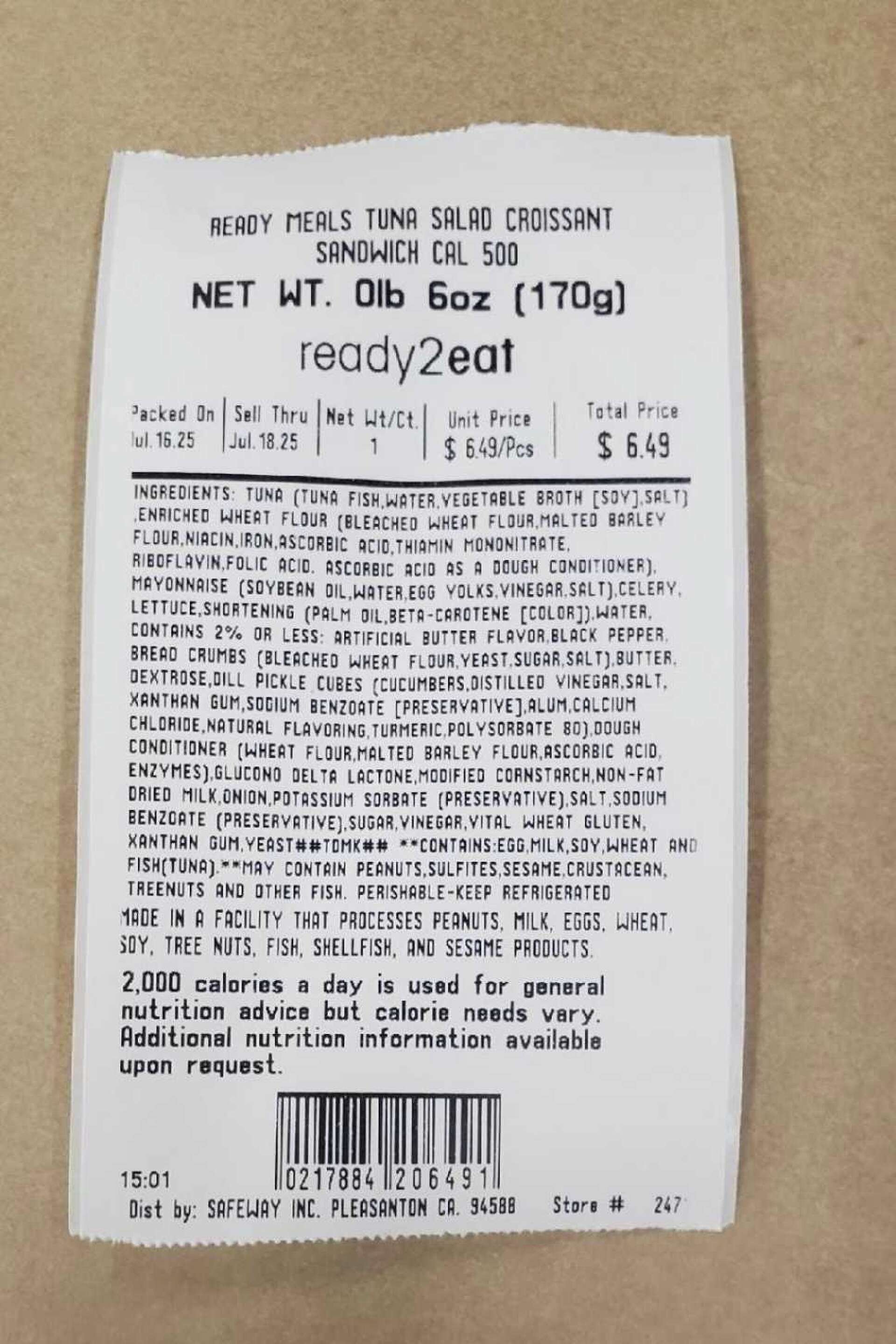
If a consumer purchased store-made tuna salad directly from a supermarket deli counter rather than a pre-packaged container, identifying markers may be printed on the scale receipt or sticker applied by the store clerk. When in doubt, consumers should contact the retail establishment where the product was purchased to confirm whether their specific purchase is part of the recall.
Practical Steps and Risk Mitigation for Consumers
Discovering that a food item in your home is subject to a safety recall requires immediate, deliberate action. Mishandling recalled food can lead to cross-contamination of other kitchen surfaces, utensils, and appliances.
1. Isolate and Discard or Return
Do not taste the tuna salad to test its safety; pathogenic bacteria and allergens do not necessarily alter the smell, taste, or appearance of food. Wrap the container securely to prevent leaks or access by pets, and either throw it away in a sealed garbage bag or return it to the point of purchase for a full refund.
2. Sanitize Kitchen Surfaces and Equipment
If the recalled tuna salad came into contact with countertops, cutting boards, knives, bowls, or refrigerator shelves, thorough sanitation is mandatory. Wash all reusable items in hot, soapy water, followed by a sanitizing rinse using a solution of household bleach and water (or run them through a high-heat dishwasher cycle). Wipe down refrigerator drawers and shelves where the container was stored to eliminate lingering bacterial spores or residues.
3. Monitor Health Symptoms
Anyone who has consumed recalled tuna salad should monitor their health for symptoms associated with foodborne illness, which can appear anywhere from a few hours to several weeks after consumption. Common symptoms include:
- Nausea and vomiting
- Watery or bloody diarrhea
- Abdominal pain and cramping
- Fever and chills
- Muscle aches and headaches (particularly characteristic of listeriosis)
Individuals experiencing severe symptoms—such as a high fever, persistent vomiting preventing fluid retention, or signs of dehydration—should seek professional medical evaluation immediately.
Frequently Asked Questions About Food Recalls
Can I cook recalled tuna salad to kill the bacteria?
No. Food safety authorities strongly advise against attempting to cook, heat, or microwave recalled food to make it safe. Contaminants or their metabolic byproducts may be heat-stable, and heating does not eliminate the risk of cross-contaminating your kitchen environment during preparation.
Where can I find official, up-to-date lists of active recalls?
Official recalls are published directly on the U.S. Food and Drug Administration (FDA) Recalls, Market Withdrawals, & Safety Alerts page and the USDA Food Safety and Inspection Service (FSIS) website. These portals provide the most accurate, verified data regarding affected batch numbers and distribution channels.
What should I do if I experience an illness after eating store-bought deli items?
If you suspect a foodborne illness, consult a healthcare provider for diagnosis and treatment. You should also report the illness to your local public health department or submit a complaint through the FDA’s consumer complaint coordinator for your state.
Are store-branded deli salads subject to the same recall rules as national brands?
Yes. Supermarket chains, local grocers, and third-party food processors must adhere to federal and state food safety regulations. If an ingredient supplier notifies a deli of contamination, the retailer must issue a recall and inform the public through media releases and in-store signage.
Next Actions and Staying Informed
Food recalls underscore the vital intersection of supply chain traceability, manufacturing hygiene, and consumer vigilance. To maintain household food safety, routinely check official regulatory portals before consuming prepared deli items if news reports indicate potential contamination alerts. Maintain clean food storage practices, respect expiration dates, and promptly discard any items matching active recall notices.
Image Gallery