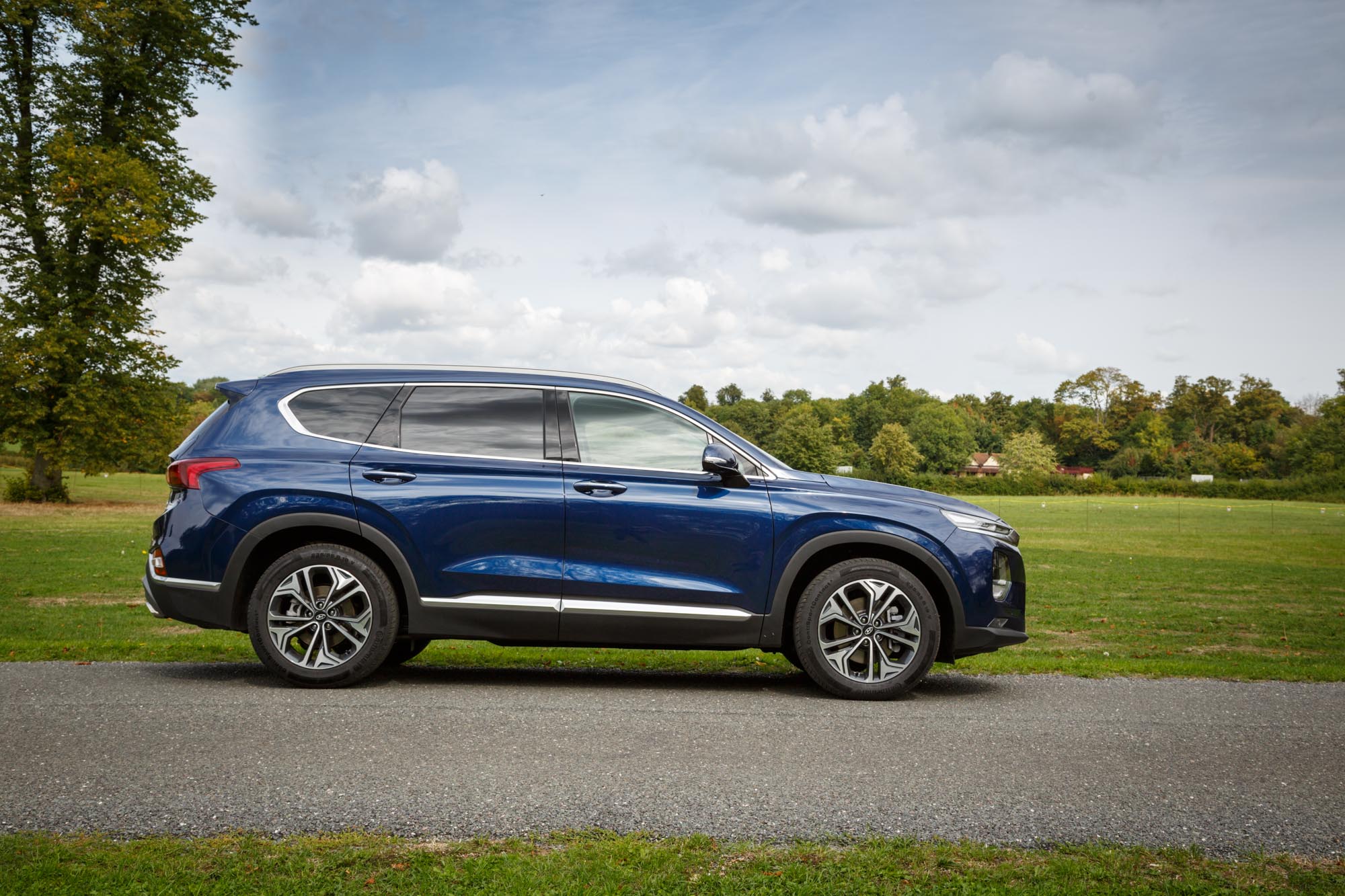
How Reliable Is the Hyundai Santa Fe? A Comprehensive Breakdown
The Hyundai Santa Fe generally achieves above-average reliability scores from major automotive evaluators, though its long-term dependability varies significantly by model year and engine choice. While newer generations benefit from mo...
The Hyundai Santa Fe generally achieves above-average reliability scores from major automotive evaluators, though its long-term dependability varies significantly by model year and engine choice. While newer generations benefit from modern safety tech and robust warranties, older models have experienced notable mechanical issues requiring careful inspection.
Contents
Evaluating the reliability of a midsize crossover SUV like the Hyundai Santa Fe requires looking beyond dealership marketing materials and glossy brochures. Buyers, current owners, and automotive enthusiasts frequently debate how well these vehicles hold up over years of daily commuting, road trips, and severe weather conditions.
Establishing a clear picture of Santa Fe reliability involves examining historical data, engineering shifts across distinct generations, common mechanical pain points, maintenance costs, and how the vehicle stacks up against competitive alternatives in the crowded midsize SUV segment.
Understanding Hyundai Santa Fe Generations and Evolution
The Hyundai Santa Fe has evolved dramatically since its initial introduction for the 2001 model year. As Hyundai transitioned from a budget-focused brand to a mainstream automotive powerhouse, the engineering, assembly quality, and material selection of the Santa Fe underwent massive transformations. Tracing these eras helps isolate which model years offer stable, trouble-free ownership and which ones demand heightened vigilance.
First and Second Generations (2001–2012)
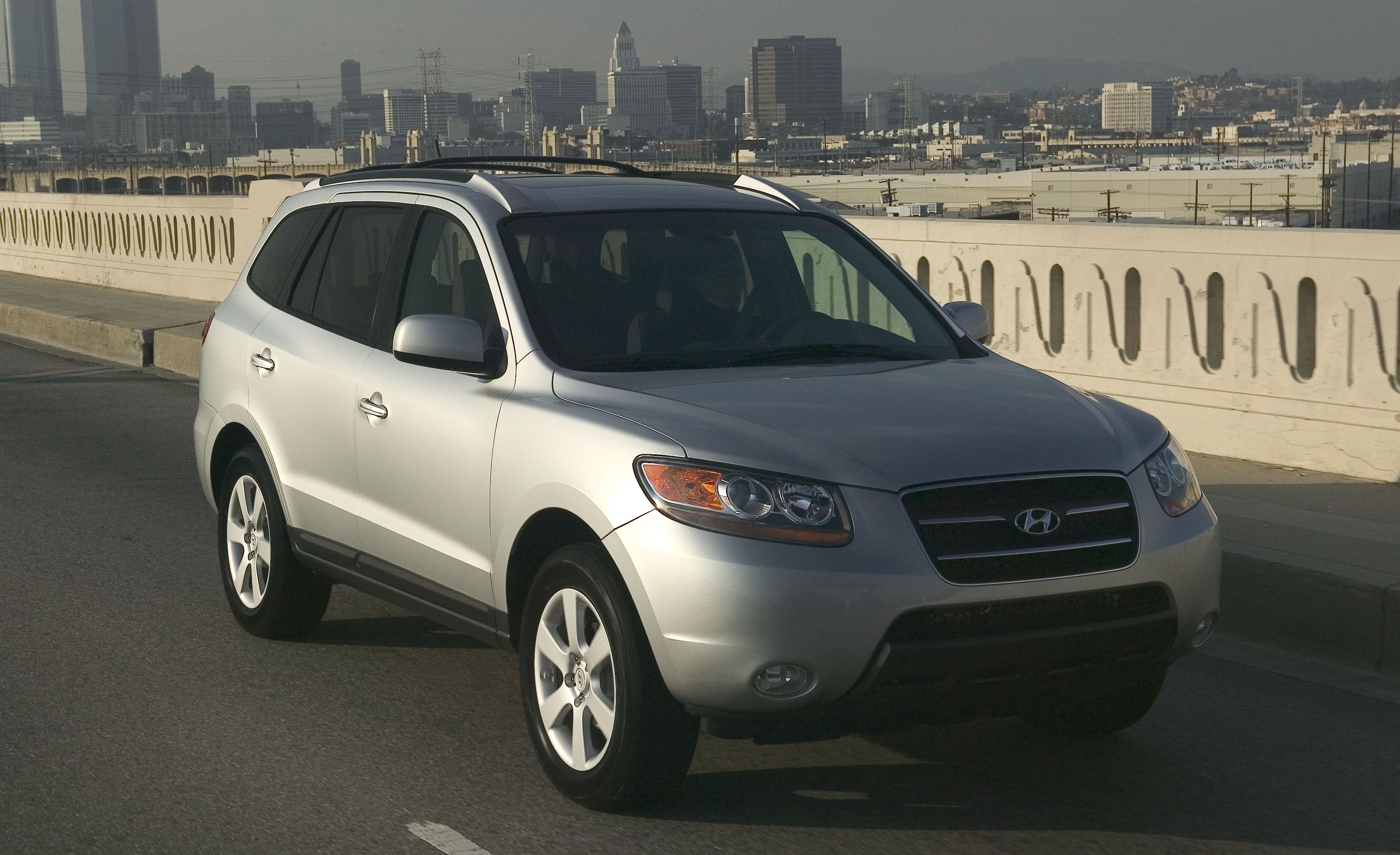
The earliest iterations of the Santa Fe established Hyundai as a value-oriented competitor in the burgeoning crossover market. These models were mechanically simple compared to modern vehicles, relying on basic V6 and four-cylinder engines.
While they were generally straightforward to repair, older plastics, basic wiring harnesses, and suspension components on these legacy models frequently wear out simply due to age. Rust and corrosion on older subframes in northern climate zones are also common inspection items.
Third and Fourth Generations (2013–2023)
The third and fourth generations brought sweeping design updates, improved interior refinement, and advanced electronic architectures. However, these years also coincided with the introduction of new powertrain families that generated significant industry discussion regarding engine longevity. Direct-injection engines and turbochargers added pep and fuel efficiency, but they also introduced carbon buildup tendencies and, in certain production windows, severe oil consumption or bearing wear concerns.
The Fifth Generation (2024–Present)
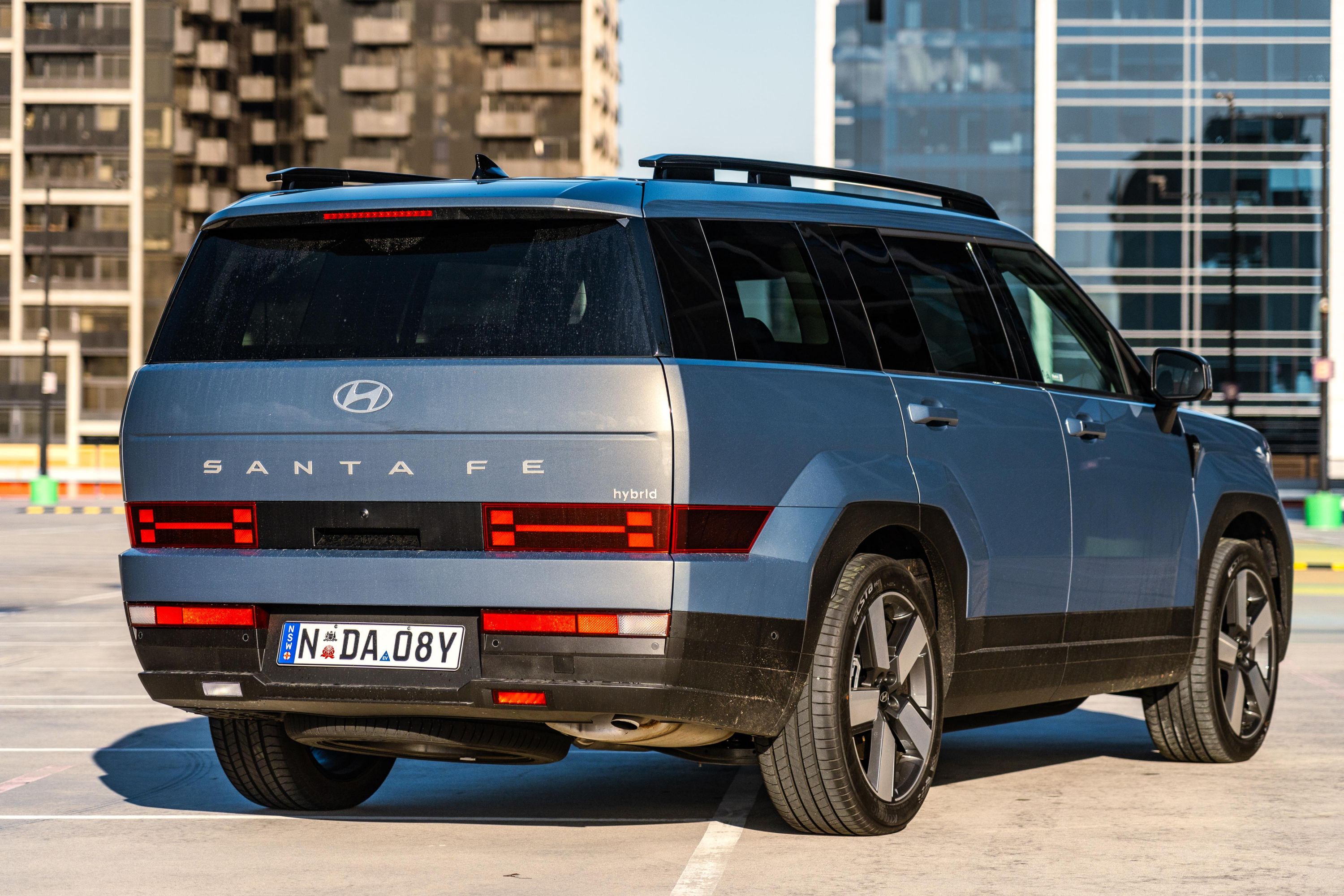
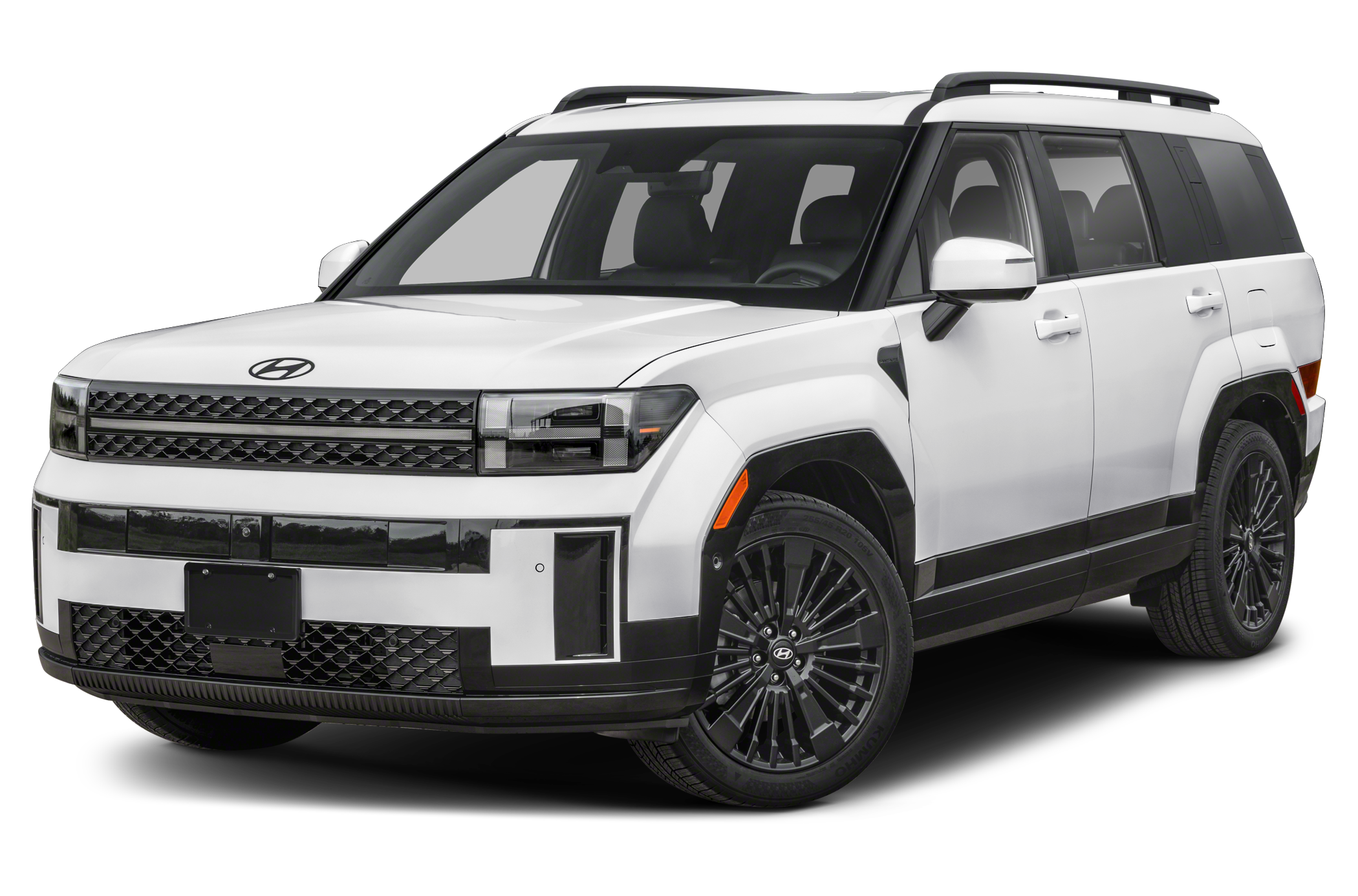
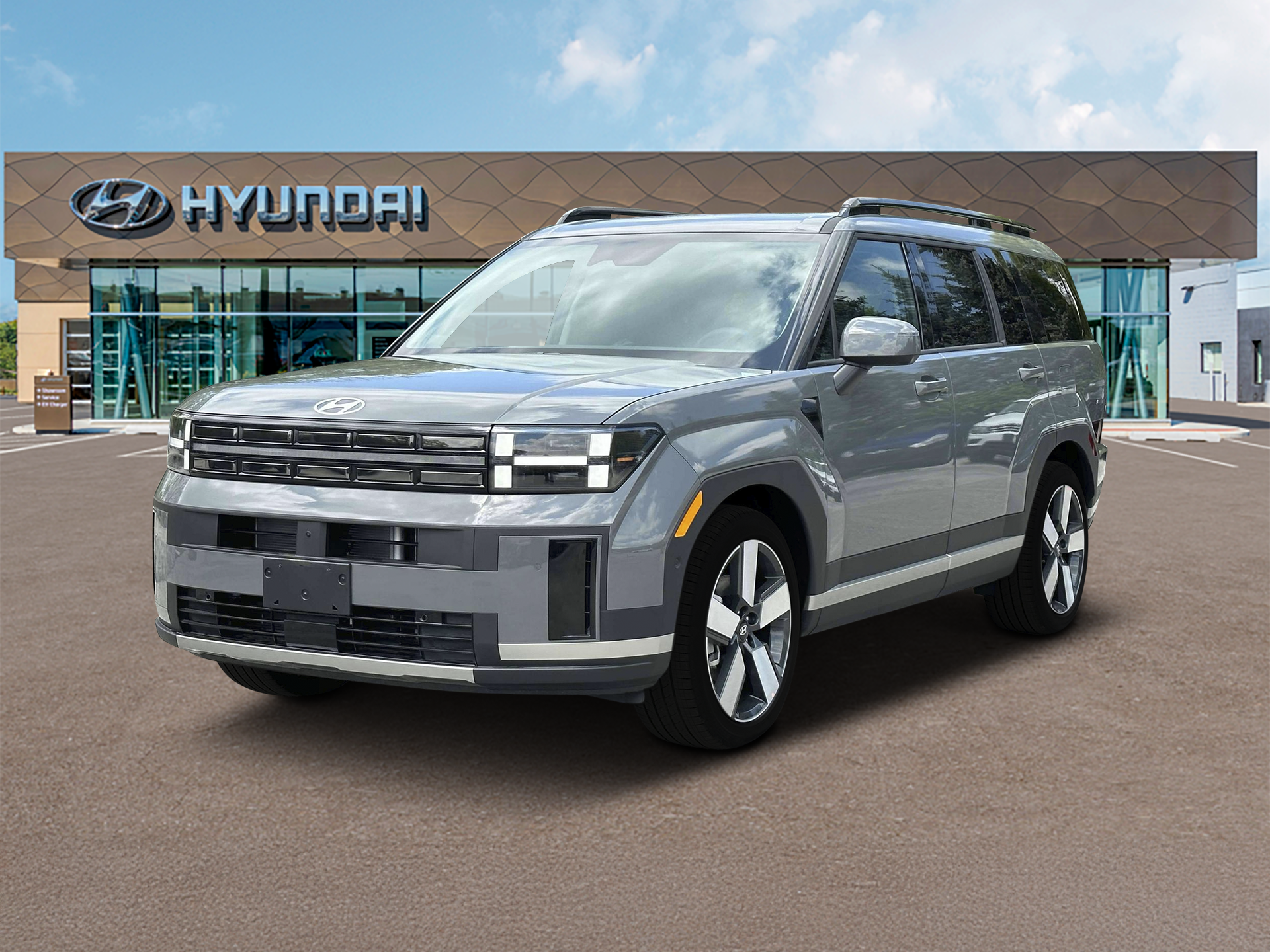
The latest generation of the Santa Fe features a bold, boxy redesign, heavily digitized interiors, and electrified powertrain options, including hybrid configurations. While contemporary third-party reliability data for these newest models continues to accumulate, early feedback points to sophisticated tech integration as a primary source of minor owner friction, while core mechanical platforms have demonstrated solid initial build quality.
Key Reliability Metrics and Industry Scores
Independent automotive evaluation organizations provide benchmark data regarding how vehicles perform over time. The Hyundai Santa Fe occupies a middle-to-high tier in these metrics, depending heavily on the specific evaluation year.
J.D. Power and Consumer Reports Data
In J.D. Power's annual Vehicle Dependability Studies, Hyundai frequently ranks within the top half of mainstream automotive brands for initial quality and long-term dependability. Consumer Reports historically awards the Santa Fe average-to-above-average predicted reliability scores for newer model years, while older models often dip due to accumulated component wear and historical powertrain recalls.
Warranty Coverage as a Reliability Safety Net
One of the most significant factors influencing consumer perception of Hyundai reliability is the brand's factory warranty structure. Hyundai offers a 10-year/100,000-mile powertrain limited warranty and a 5-year/60,000-mile comprehensive warranty for original owners.
For subsequent owners, the powertrain warranty typically transfers to 5 years/60,000 miles from the original in-service date, unless purchased through a Certified Pre-Owned (CPO) program, which restores closer coverage terms. This robust warranty policy mitigates much of the financial risk associated with unexpected mechanical failures during the first decade of vehicle ownership.
| Model Generation | Typical Reliability Standing | Common Areas of Concern | Primary Warranty Coverage |
|---|---|---|---|
| First (2001–2006) | Below Average (by age) | Suspension wear, transmission slips, oil leaks | Expired (Unless CPO/Aftermarket) |
| Second (2007–2012) | Average | Alternator failures, interior trim degradation | Expired (Unless CPO/Aftermarket) |
| Third (2013–2018) | Mixed / Below Average | Theta II engine oil consumption, electrical gremlins | Varies by Ownership Transfer |
| Fourth (2019–2023) | Above Average | Dual-clutch transmission hesitations, infotainment bugs | 10-Year / 100,000-Mile Powertrain |
| Fifth (2024–Present) | Good (Initial Data) | Software updates, sensor calibration | 10-Year / 100,000-Mile Powertrain |
Common Mechanical Issues and Historical Pain Points
No vehicle model is entirely immune to mechanical hiccups. To accurately assess how reliable a Hyundai Santa Fe is, prospective buyers must examine the specific mechanical vulnerabilities associated with certain production runs.
Powertrain and Engine Concerns
The most widely discussed mechanical issue in Santa Fe history involves specific four-cylinder engines—notably certain iterations of the Theta II engine family utilized across various model years in the third generation. Issues related to premature bearing wear, piston ring failure, and excessive oil consumption led to extensive technical service bulletins (TSBs), extended warranties, and safety recalls managed by the National Highway Traffic Safety Administration (NHTSA).
If you are considering a used Santa Fe from these model years, verifying whether the engine has been inspected, repaired, or replaced under manufacturer recall guidelines is an absolute necessity.
Transmission and Drivetrain Performance
Depending on the model year, the Santa Fe has utilized traditional automatic transmissions, continuously variable transmissions (CVTs) in certain regional variants, and wet or dry dual-clutch automatic transmissions (DCTs).
While traditional automatics have proven generally durable, some owners of models equipped with DCTs have reported low-speed jerkiness, hesitation, or software glitches. Software updates released by Hyundai dealerships have resolved many of these shifting quirks, but test-driving a used model in stop-and-go traffic remains critical to check transmission behavior.
Electrical and Infotainment Systems
As modern vehicles incorporate more digital architecture, electrical reliability has become just as important as mechanical sturdiness. Santa Fe models equipped with advanced driver-assistance systems (ADAS), large touchscreens, and digital instrument clusters occasionally experience infotainment freezing, Bluetooth pairing drops, or false positives from blind-spot and lane-keeping sensors. These issues are rarely catastrophic, but persistent software bugs can frustrate daily operation.
Maintenance Costs and Long-Term Ownership Expenses
Reliability is tightly linked to cost of ownership. A reliable car is one that not only avoids major breakdowns but also features predictable, manageable routine maintenance expenses.
Routine Maintenance Requirements
Maintaining a Hyundai Santa Fe requires adhering to standard service intervals, including oil changes every 5,000 to 7,500 miles (depending on driving conditions and engine type), brake fluid flushes, spark plug replacements, and transmission fluid inspections. According to data aggregated by automotive repair cost databases, the average annual repair and maintenance cost for a Hyundai Santa Fe sits reasonably close to the industry average for midsize crossover SUVs, making it a competitive choice for budget-conscious families.
Availability of Parts and Service Network
Because Hyundai is a high-volume global manufacturer, sourcing replacement parts—both OEM and aftermarket—is straightforward. The extensive network of authorized dealerships and independent service mechanics ensures that routine repairs and complex diagnostics can be performed without long wait times for specialized parts shipping.
How the Santa Fe Compares to Competitors
To contextualize the reliability of the Hyundai Santa Fe, it helps to examine how it stacks up against perennial segment leaders like the Toyota Highlander, Honda Pilot, and Ford Explorer.
- Toyota Highlander: Historically benchmarked as a gold standard for long-term mechanical durability and resale value. While the Highlander often edges out the Santa Fe in pure long-term statistical reliability, the Santa Fe frequently counters with a superior warranty, more modern styling, and a higher feature-to-price ratio.
- Honda Pilot: Known for spacious interiors and dependable V6 powertrains, though older Pilot models faced transmission concerns similar to some Hyundai model eras. The Santa Fe often wins on interior tech and warranty coverage for newer model years.
- Ford Explorer: Offers robust towing capacities and rugged styling, but historical reliability ratings for the Explorer have often fluctuated more than those of the Santa Fe, particularly concerning electronics and early transmission variants.
Frequently Asked Questions
Which Hyundai Santa Fe model years are the most reliable?
Models produced from the 2019 model year onward (fourth and fifth generations) generally exhibit higher reliability scores, better build quality, and fewer major powertrain complaints than older mid-decade models. For used car buyers, certified pre-owned (CPO) vehicles from these newer eras offer the best balance of modern tech and mechanical peace of mind.
Does the Hyundai Santa Fe hold its resale value well?
The Santa Fe depreciates at a rate comparable to most mainstream midsize crossovers. While it may not match the ironclad resale values of a Toyota Highlander or Subaru Outback, purchasing a slightly used model allows subsequent buyers to let the initial depreciation curve pass while still benefiting from transferable portions of Hyundai's extensive warranty.
Are Hyundai Santa Fe hybrid models reliable?
Hybrid variants introduced in recent generations utilize sophisticated electrified powertrains paired with turbocharged gasoline engines. Initial data indicates these systems are robust, but long-term battery degradation and complex hybrid component repairs outside of the factory hybrid warranty require consideration when purchasing high-mileage examples.
What should I check before buying a used Hyundai Santa Fe?
Always review the vehicle's complete service history via a vehicle history report like Carfax or AutoCheck. Verify that all open safety recalls—particularly those concerning engines, electrical relays, or braking systems—have been formally completed by an authorized Hyundai dealer. Finally, arrange for an independent pre-purchase inspection (PPI) by a certified mechanic.
Is the Hyundai Santa Fe expensive to repair when things go wrong?
Routine maintenance and common wear-and-tear items are reasonably priced and comparable to other Asian and American mainstream competitors. However, major out-of-warranty powertrain repairs can be costly, making the verification of remaining factory warranty or the purchase of a reputable extended service contract a prudent financial consideration.
Conclusion and Next Actions
The Hyundai Santa Fe is a versatile, feature-rich midsize SUV that offers strong value, excellent safety ratings, and class-leading warranty protection. While early generation models and specific mid-decade engine configurations require careful vetting for historical oil consumption or electrical issues, newer iterations demonstrate solid dependability.
If you are shopping for a Santa Fe, prioritize newer model years (2019 and newer), insist on a comprehensive maintenance history check, and schedule an independent mechanical inspection before finalizing your purchase to ensure long-term satisfaction.
Image Gallery