Understanding Marginalized People in Society: Definitions, Structural Causes, and Solutions
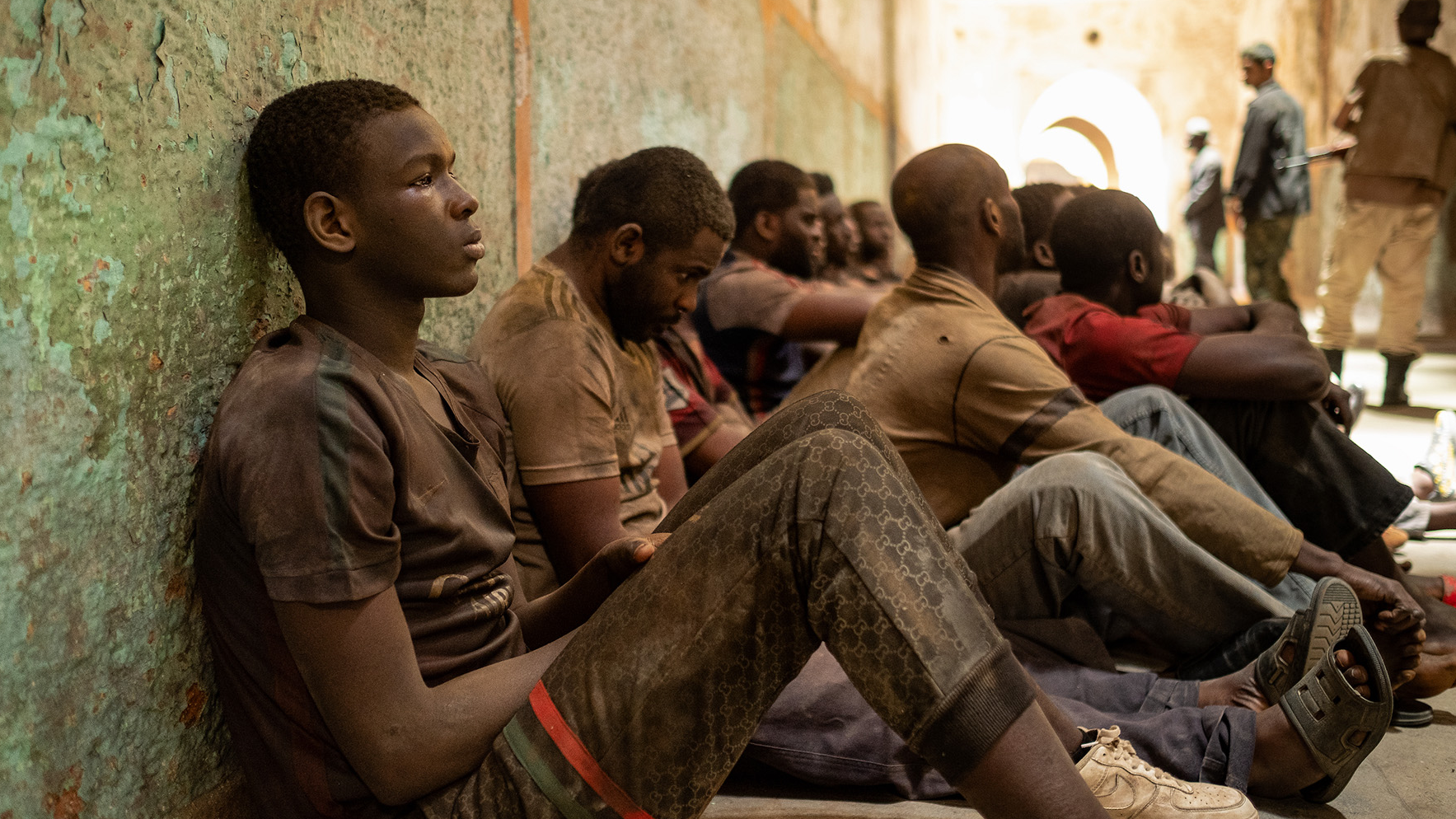
Marginalized people in society are individuals or groups pushed to the peripheral edges of economic, political, social, or cultural systems. This process systematically restricts their access to basic rights, economic opportunities, he...
Marginalized people in society are individuals or groups pushed to the peripheral edges of economic, political, social, or cultural systems. This process systematically restricts their access to basic rights, economic opportunities, healthcare, education, and institutional decision-making power, resulting in persistent inequality based on attributes such as race, ethnicity, gender, sexual orientation, disability, or socioeconomic status.
Contents
What Is Marginalization in Sociology?
In sociological analysis, marginalization—also described as social exclusion—refers to the process by which specific groups are denied equal participation in the dominant societal frameworks. Rather than being an isolated or accidental occurrence, marginalization is typically a structural condition embedded within laws, institutional practices, cultural norms, and economic systems.
When a group is marginalized, its members are excluded from the primary social networks, decision-making bodies, and resource channels that shape public life. This exclusion operates on a continuum ranging from subtle social stigma and economic neglect to explicit legal disenfranchisement and state-sanctioned discrimination.
Sociologists distinguish between individual prejudice and systemic marginalization:
- Individual Prejudice: Refers to interpersonal biases or discriminatory attitudes held by single persons against others.
- Systemic Marginalization: Occurs when societal structures—such as housing markets, legal networks, financial institutions, and educational systems—contain built-in barriers that systematically disadvantage entire groups, regardless of individual intentions.
Understanding marginalization requires analyzing how power is distributed within a society. Groups holding political, financial, or cultural authority often define the norms and rules. Those who do not conform to these dominant norms, or who historically lack institutional representation, are frequently relegated to the margins.
Groups Frequently Marginalized in Society
Marginalization can affect diverse populations, and its specific manifestations vary depending on regional, political, and historical contexts. However, several demographic groups experience persistent structural exclusion worldwide.
Racial and Ethnic Minorities
Systemic racism and ethnic discrimination often restrict minority populations to lower-paying employment sectors, underfunded schools, and segregated neighborhoods. Historical practices—such as discriminatory lending, redlining, and biased law enforcement practices—continue to produce measurable wealth and mobility gaps across generations.
Indigenous Populations
Indigenous peoples frequently face land displacement, loss of cultural sovereignty, and systematic underfunding of essential public infrastructure. Historical colonization stripped many Indigenous communities of ancestral territories, creating lasting economic and health disparities documented by bodies like the United Nations Permanent Forum on Indigenous Issues.
Persons with Disabilities
Individuals with physical, neurodivergent, intellectual, or psychiatric conditions encounter physical, technological, and attitudinal barriers. Inadequate public infrastructure, lack of accessible software, and hiring discrimination often exclude disabled individuals from full participation in the workforce and civic life.
LGBTQ+ Communities
Lesbian, gay, bisexual, transgender, and queer individuals often face social ostracism, legal discrimination, and restrictions on civil rights. Transgender and gender-nonconforming individuals, in particular, face heightened rates of housing instability, healthcare access barriers, and targeted violence.
Socioeconomically Disadvantaged Populations
Low-income individuals and those experiencing chronic poverty face structural barriers to upward social mobility. Limited access to capital, predatory financial practices, and under-resourced public services systematically trap families in cycles of economic insecurity.
Immigrants, Refugees, and Asylum Seekers
Non-citizens often navigate complex legal frameworks without access to social safety nets, voting rights, or formal labor protections. Language barriers, xenophobic social attitudes, and uncertain legal status leave displaced populations vulnerable to exploitation.
The Structural Mechanisms of Marginalization
Marginalization operates through distinct mechanisms that reinforce one another across different sectors of society.
| Economic Exclusion | Political Isolation | Social & Spatial | Legal |
|---|---|---|---|
| - Wage gaps | - Voter hurdles | - Segregation | - Unequal justice |
| - Credit barriers | - Underserved laws | - Digital divide |
1. Economic Exclusion
Economic marginalization occurs when groups are barred from meaningful participation in the financial system. Key barriers include:
- Labor Market Segregation: Overrepresentation in informal, low-wage, or unsafe work environments lacking health insurance and retirement benefits.
- Credit and Capital Barriers: Limited access to business loans, mortgages, and wealth-building financial services due to discriminatory underwriting history or lack of collateral.
- Wage Disparities: Persistent pay gaps for equal work performed by women, racial minorities, and disabled workers.
2. Political Disenfranchisement
When marginalized groups lack political voice, public policy rarely reflects their needs. Political exclusion occurs through restrictive voting procedures, gerrymandering, lack of language accessibility in civic processes, and the underrepresentation of marginalized populations in legislative bodies.
3. Spatial and Environmental Isolation
Marginalized populations are frequently concentrated in areas with poor infrastructure, environmental hazards, and limited public services. Environmental racism, for instance, refers to the disproportionate placement of industrial polluters, toxic waste facilities, and hazardous waste sites near low-income and racial minority communities, directly impacting health outcomes.
4. Legal and Institutional Discrimination
Justice systems can perpetuate marginalization when laws are selectively enforced or when legal defense services are underfunded. Cash bail systems, mandatory minimum sentences, and unequal access to competent legal representation disproportionately harm economically and socially disadvantaged groups.
Intersectionality: How Overlapping Identities Compound Marginalization
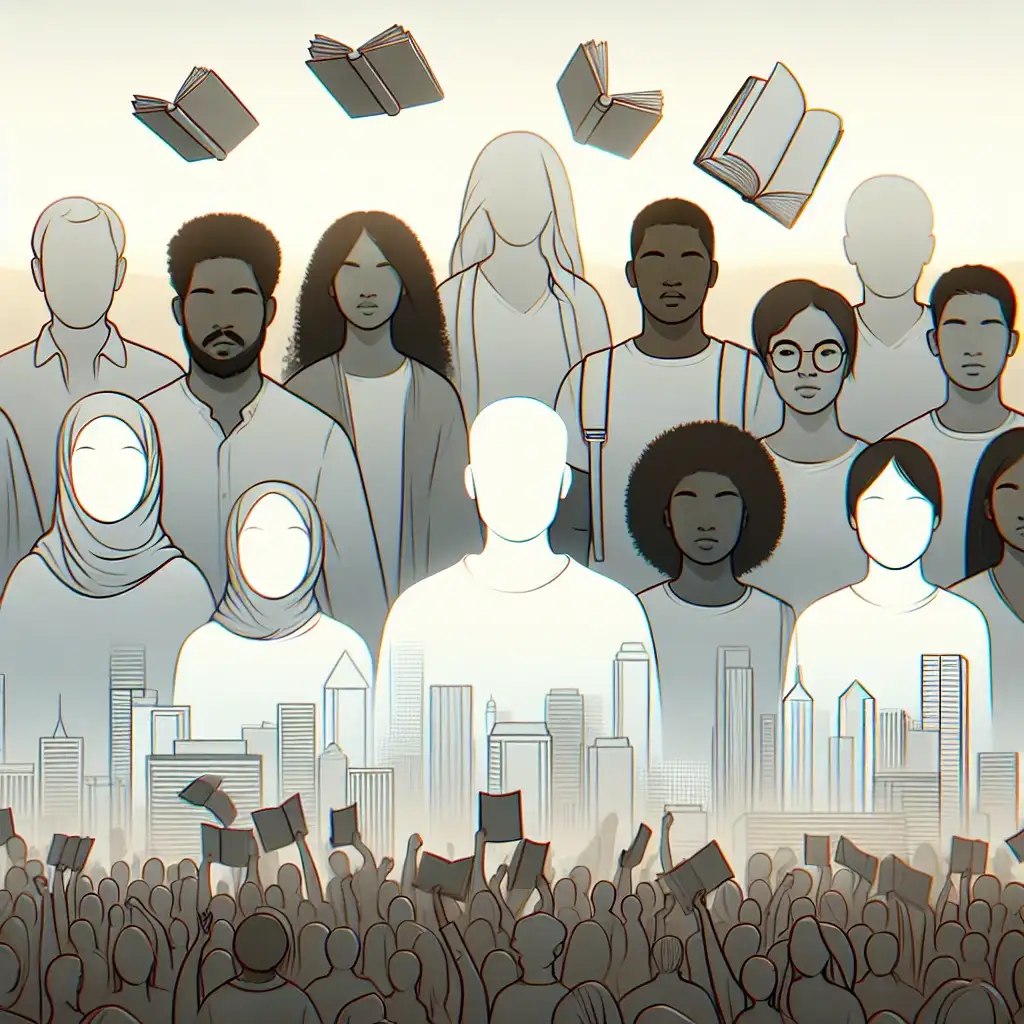
To accurately understand how social exclusion functions, scholars use the framework of intersectionality, a legal term developed by scholar Kimberlé Crenshaw. Intersectionality describes how different forms of identity—such as race, gender, class, sexual orientation, and disability status—intersect to create unique systems of discrimination or disadvantage.
Marginalization is rarely experienced in isolation. A low-income person may face economic hardship, but a low-income woman with a disability experiences a combination of gender bias, physical accessibility barriers, and economic vulnerability that cannot be understood by examining any single factor alone.
Examples of Intersectional Marginalization
- Gender and Race: Women of color often experience distinct pay disparities that are wider than those experienced by white women or men of the same racial background.
- Disability and Class: Low-income individuals with disabilities often face compounding barriers, as accessibility accommodations and specialized medical care can be cost-prohibitive.
- Age and LGBTQ+ Identity: Older LGBTQ+ adults may encounter systemic isolation if eldercare services lack cultural competency or fail to recognize non-traditional family structures.
Recognizing intersectionality is essential for policymakers and community organizations. Interventions designed for a broad group (e.g., "all women" or "all low-income citizens") often fail if they do not account for the specific barriers faced by sub-groups within those populations.
Comparative Overview of Social Marginalization Dimensions
The table below outlines the core dimensions through which marginalization manifests, key systemic drivers, and evidence-backed solutions for structural reform.
| Dimension | Systemic Drivers | Primary Social & Economic Impacts | Structural Remedies |
|---|---|---|---|
| Economic | Credit discrimination, wage suppression, informal employment, redlining | Intergenerational poverty, wealth gaps, financial precarity | Inclusive hiring practices, equitable credit access, fair wage laws |
| Political | Strict voter ID laws, gerrymandering, low institutional representation | Policy neglect, lack of civic agency, reduced public funding | Voting rights protection, campaign finance reform, inclusive governance |
| Social & Cultural | Stereotyping, media misrepresentation, social stigma, exclusion from civic life | Psychological distress, social isolation, reduced social capital | Public education campaigns, inclusive media, community initiatives |
| Spatial & Environmental | Residential segregation, poor public transit, targeted industrial siting | Health disparities, higher pollution exposure, isolation from jobs | Zoning reform, environmental justice laws, transit investment |
| Institutional & Legal | Biased law enforcement, high legal costs, lack of physical/digital access | Higher incarceration rates, denied legal remedy, service barriers | Universal access standards, criminal justice reform, legal aid funding |
Societal Consequences of Persistent Marginalization
Sustained exclusion does not only affect marginalized individuals; it negatively impacts society as a whole by weakening economic growth, public health, and social stability.
Social Determinants of Health Disparities
Marginalization directly impacts physical and mental health. According to the World Health Organization, social determinants—such as income, educational attainment, living environment, and access to healthcare—account for a significant portion of health inequalities worldwide. Marginalized populations experience higher rates of chronic illness, reduced life expectancy, and elevated infant mortality rates due to systemic neglect and unmanaged environmental stressors.
- Low Financial Access
- Housing Instability
- Environmental Exposure
- Chronic Health Issues
Macroeconomic Losses
Systemic exclusion reduces national economic output. When qualified individuals are barred from education or job opportunities due to discrimination, labor markets lose valuable talent and innovation. Studies by institutions such as the International Monetary Fund (IMF) demonstrate that reducing income inequality and gender gaps accelerates overall GDP growth and enhances economic stability.
Breakdown of Social Cohesion
Societies with high levels of structural inequality and marginalization experience diminished trust in public institutions, lower civic participation, and higher rates of political instability. When large segments of the population feel the social contract does not apply to them, institutional legitimacy deteriorates.
Evidence-Based Frameworks to Address Marginalization
Remediating marginalization requires deliberate, long-term policy adjustments, organizational changes, and community-led initiatives. Rather than relying solely on individual goodwill, effective strategies focus on altering systemic rules and resource allocation.
1. Legislative Protections and Enforcement
Governments can enforce robust anti-discrimination laws that protect marginalized groups in housing, employment, education, and public accommodations. Examples include:
- Enforcing statutes such as the Americans with Disabilities Act (ADA) or equivalent global accessibility frameworks.
- Strengthening equal pay laws and transparent salary disclosure mandates.
- Protecting voting accessibility through automatic voter registration and multi-lingual voting materials.
2. Universal Design and Inclusive Architecture
In infrastructure and technology, applying principles of Universal Design ensures that physical environments, public transit systems, and digital interfaces are accessible to everyone by default, rather than requiring individual requests for accommodation.
3. Participatory Budgeting and Civic Inclusion
To address political disenfranchisement, municipalities increasingly implement participatory budgeting programs. These initiatives give marginalized residents direct decision-making power over how a portion of public funds is allocated within their neighborhoods.
4. Workplace Diversity, Equity, and Inclusion (DEI) Audits
Organizations can reduce internal marginalization by conducting regular equity audits. These evaluations examine hiring pipelines, pay structures, promotional velocity, and retention rates across demographic groups to identify and correct structural biases.
Frequently Asked Questions
What is the difference between vulnerability and marginalization?
Vulnerability refers to a state of being exposed to potential harm, risk, or hardship due to external events like natural disasters or economic downturns. Marginalization is an active or historical structural process where society pushes specific groups to the edges, systematically limiting their power, rights, and access to resources. While marginalized groups are often vulnerable, vulnerability is an outcome, whereas marginalization is the underlying systemic mechanism.
Can an individual belong to a privileged group and still experience marginalization?
Yes. Because individuals possess multiple identity facets, a person may experience privilege in one domain while facing marginalization in another. For example, a white man (privileged by race and gender) who has a severe physical disability or lives in extreme poverty experiences real, structural marginalization in housing, employment, or accessibility. This dynamic is central to the concept of intersectionality.
How do institutions contribute to social marginalization?
Institutions contribute to marginalization when their standard policies, criteria, or operations produce unequal outcomes for minority groups, even without explicit intent to discriminate. Examples include relying on standardized tests that contain cultural biases, requiring credit scores for housing applications in ways that disadvantage historically excluded groups, or building public transport systems that bypass low-income neighborhoods.
What role does the digital divide play in modern marginalization?
The digital divide—unequal access to high-speed internet, modern computing hardware, and digital literacy training—is a major driver of contemporary marginalization. As essential services, employment applications, public education, and banking move online, individuals without reliable internet or digital devices face severe barriers to social and economic participation.
How can community organizations measure marginalization effectively?
Organizations measure marginalization using both quantitative metrics (such as income disparities, homeownership rates, educational attainment, health outcome gaps, and civic participation rates) and qualitative assessments (such as community surveys, focus groups, and participatory action research). Combining statistical data with direct lived experiences yields an accurate assessment of structural barriers.
Next Steps for Advocates, Organizations, and Policy Makers
To meaningfully reduce marginalization within an organization, municipality, or educational institution, consider taking the following structured actions:
- Conduct a Structural Audit: Review current policies, hiring processes, facility accessibility, and service delivery frameworks to identify unintentional barriers facing underrepresented groups.
- Adopt Intersectional Data Collection: Collect and analyze institutional metrics broken down by race, gender, age, disability status, and income to pinpoint compound disparities.
- Engage Affected Communities Direct: Involve members of marginalized populations in decision-making bodies and program design phases rather than designing solutions without their input.
- Prioritize Accessibility Standards: Implement updated web accessibility guidelines (such as WCAG standards) and physical infrastructure adaptations across all public facilities.
- Establish Clear Accountability Channels: Create transparent mechanisms for reporting discrimination, measuring equity goals, and regularly publishing progress reports.
Image Gallery