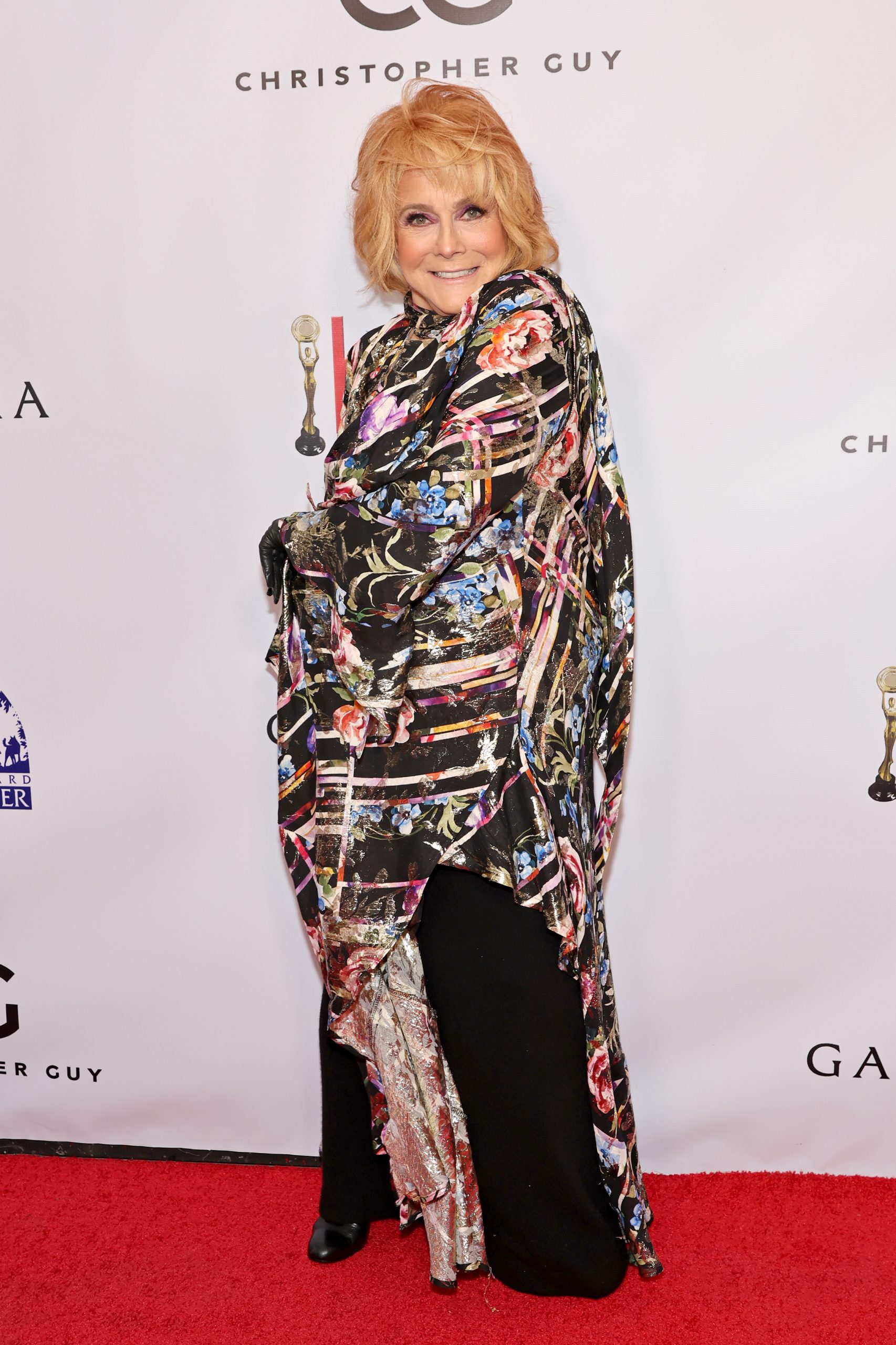
Ann Roth Net Worth Explained: Wealth, Earnings, and Legacy of a Costume Design Icon
Ann Roth’s estimated net worth stands between $3 million and $10 million. Unlike standard Hollywood actors or directors whose contract figures dominate headlines, costume designers accumulate wealth through long-term career longevity,...
Ann Roth’s estimated net worth stands between $3 million and $10 million. Unlike standard Hollywood actors or directors whose contract figures dominate headlines, costume designers accumulate wealth through long-term career longevity, premier feature film design contracts, weekly Broadway production royalties, and union pension benefits built over a career spanning seven decades.
Contents
Understanding Ann Roth’s Financial Overview
Determining the precise financial standing of behind-the-scenes Hollywood and Broadway creators requires looking beyond traditional studio salary releases. Costume designers operate as key artistic department heads under union regulations and bespoke contract terms. Ann Roth, born in 1931, is widely recognized as one of the most prolific and celebrated costume designers in American theatrical and cinematic history.
With a career beginning in the 1950s, Roth has designed costumes for over 100 feature films and scores of Broadway plays and musicals. Her financial footprint reflects not merely base salaries, but decades of high-level industry demand, elite guild compensation tiers, and ongoing theatrical run royalties.
| Financial Indicator | Estimated Value / Details |
|---|---|
| Estimated Net Worth | $3 Million – $10 Million |
| Primary Sources of Income | Film Design Fees, Broadway Royalties, Television Miniseries Contracts |
| Key Guild Affiliation | United Scenic Artists (IATSE Local USA 829) |
| Academy Award Wins | The English Patient (1996), Ma Rainey's Black Bottom (2020) |
| Tony Award Wins | The Book of Mormon (2011), To Kill a Mockingbird (2018) |
| Active Career Span | 1950s – Present |
Primary Sources of Ann Roth’s Wealth
To understand how a costume designer achieves multi-million-dollar net worth status, it is necessary to examine the specific revenue streams available to elite costume designers in the entertainment industry.
1. Feature Film Custom Design Contracts
In major studio filmmaking, the costume designer serves as a major department head responsible for the visual identity of every character on screen. While standard industry union scale sets the baseline floor for weekly pay, top-tier designers like Roth negotiate custom project rates far above minimum requirements.
On big-budget studio productions (The Talented Mr. Ripley, The Hours, Mamma Mia!), a lead designer of Roth’s stature commands substantial upfront flat design fees or elevated weekly compensation during pre-production, principal photography, and post-production fittings. Across more than 100 films, these feature fees constitute the primary foundation of her accumulated career earnings.
2. Broadway Design Royalties and Running Fees
Unlike film work, which traditionally operates on a work-for-hire basis where the designer receives a one-time fee without backend residual ownership, commercial theater operates under a distinct financial structure:
- Initial Design Fee: Paid prior to rehearsals and opening night to cover concept development, rendering, sourcing, and fitting oversight.
- Weekly Royalties: On Broadway and top-tier touring productions, theatrical designers negotiate weekly royalty fees based on a fixed dollar amount or a percentage of the production's gross weekly box office receipts (GWBOR).
When a Broadway show enjoys a legendary multi-year run—such as The Book of Mormon, for which Roth won a Tony Award—the costume designer receives consistent weekly royalty checks throughout the duration of the show's run. Accumulating royalties across multiple concurrent shows and global touring productions creates a passive income stream uncommon in traditional film work.
3. Television and Prestige Miniseries
Roth’s portfolio includes seminal television projects, most notably HBO’s award-winning adaptation of Angels in America (2003). High-budget prestige miniseries pay department heads executive-level weekly rates comparable to major feature films, supplemented by network television residuals and guild pension contributions.
Key Career Milestones and Industry Impact
Roth’s financial trajectory has been continuously reinforced by critical acclaim, which directly elevates a designer’s negotiating leverage for subsequent contracts.
- 1950s: Career Beginnings (Apprenticeships & Stage Work)
- 1969: "Midnight Cowboy" (Establishes Hollywood Feature Status)
- 1996: "The English Patient" (First Academy Award Win)
- 2011: "The Book of Mormon" (Tony Award Win & Long-Term Royalty Revenue)
- 2020: "Ma Rainey's Black Bottom" (Second Academy Award Win at Age 89)
Breakthrough Years and Early Classics
After learning her trade under mentor Irene Sharaff, Roth established herself in New York theater and independent cinema during the 1960s. Her work on landmark films like Midnight Cowboy (1969) and Klute (1971) established her ability to define iconic character looks using authentic period clothing and subtle storytelling details rather than sensationalized fashion.
Academy Award Recognition
Roth’s recognition by the Academy of Motion Picture Arts and Sciences directly correlates with her standing as one of the highest-paid professionals in her field:
- The English Patient (1996): Won the Academy Award for Best Costume Design. The epic scope of the film required thousands of period garments, establishing Roth at the absolute summit of international period-piece filmmaking.
- Ma Rainey's Black Bottom (2020): Won her second Oscar at age 89, tying the record for the oldest person to win a competitive Academy Award. The project demonstrated her continued active dominance in high-budget cinematic production.
Industry Compensation Models: Guild Scales vs. Elite Rates
Understanding how costume designers earn requires comparing general industry standards against the rates achieved by top-level veterans.
Costume designers in North America are represented by union guilds—primarily United Scenic Artists (IATSE Local USA 829) for Broadway and East Coast film/TV, and Costume Designers Guild (IATSE Local 892) on the West Coast.
- Standard Union Minimum (Base Guild Minimums)
- Basic Weekly Pay Rates
- Standard Pre-Production Schedule
- Baseline Pension & Health Contributions
- Elite Designer Contracts (Ann Roth Tier)
- Premium Upfront Negotiated Fees
- Multi-Show Weekly Broadway Royalties
- Maximum Guild Pension Accrual & Annuities
Film Compensation Structure
Under IATSE agreements, standard costume designers earn weekly base rates dictated by production budget tiers. However, Oscar-winning designers negotiate customized terms:
- Pre-Production Phase: Extended preparation weeks at premium rates to source, draft, and build original garments.
- Production Phase: High weekly department head rates throughout principal photography.
- Overages: Fees assessed if production schedules extend beyond initial contractual agreements.
Broadway Royalties Economics
In commercial Broadway theater, theatrical production contracts stipulate that designers retain ownership of their original design concepts. When productions license duplicate productions worldwide (e.g., London's West End, national US tours, international productions), the designer receives additional licensing and royalty payments for each separate staging.
Comparing Costume Design Earnings to Other Film Professions
To contextualize Ann Roth's net worth, it is helpful to understand where costume designers fall within the broader financial hierarchy of film and theatrical production.
| Role / Position | Typical Pay Structure | Residual / Royalty Potential | Relative Earnings Scope |
|---|---|---|---|
| Lead Actors (A-List) | Flat Upfront Fee + Backend % | High (Backend points, streaming residuals) | Highest ($10M - $50M+ per project) |
| Film Director | Flat Salary + Box Office Bonuses | Moderate to High (Director Guild residuals) | Very High ($1M - $15M+ per project) |
| Costume Designer (Elite) | Weekly Fee / Project Rate + Theater Royalties | Low on Film / High on Broadway Shows | Moderate-High ($3M - $10M total net worth) |
| Key Costumer / Set Costumer | Union Hourly Rate | Low (Standard IATSE benefits) | Middle (Hourly guild wage scale) |
While costume designers do not receive the multi-million-dollar backend points granted to elite Hollywood actors or directors, top-tier designers who successfully balance both Broadway stage runs and high-budget studio films build significant long-term net worth.
Frequently Asked Questions
What is Ann Roth’s estimated net worth?
Ann Roth’s net worth is estimated to be between $3 million and $10 million. This wealth has been built across more than seven decades through premier film design fees, Broadway production royalties, and theatrical licensing rights.
How do costume designers generate residual income?
In feature films, costume designers generally work under standard work-for-hire contracts without traditional backend box-office residuals. However, in Broadway theater, designers negotiate weekly royalties based on gross weekly box office receipts, generating continuous income as long as the production runs.
How many Academy Awards has Ann Roth won?
Ann Roth has won two Academy Awards for Best Costume Design: first for The English Patient (1996) and second for Ma Rainey's Black Bottom (2020). She has received five Academy Award nominations overall.
Is Ann Roth still actively working in film and theater?
Yes. Roth remains actively engaged in major theater and film projects well into her nineties, continuing a professional career that began in the mid-1950s.
What guild represents Ann Roth?
Ann Roth’s theatrical and East Coast film work falls under United Scenic Artists (IATSE Local USA 829), which governs minimum wage scales, working conditions, health benefits, and pension contributions for professional designers.
Financial Takeaway and Legacy
Ann Roth’s financial success represents the upper tier of achievement within non-performing theatrical and cinematic crafts. Rather than relying on sudden single-project paydays, her multi-million-dollar estate was built through sustained demand, master-level craftsmanship, strategic navigation of Broadway royalty structures, and seven decades of continuous artistic output.
For industry researchers and entertainment finance analysts, Roth’s career serves as the definitive model of how elite creative department heads turn decades of specialized technical design into lasting financial security.
Image Gallery