The Net Worth of Too Faced: Brand Valuation, Acquisition History, and Founder Earnings
Too Faced Cosmetics achieved a defining financial milestone when it was acquired by The Estée Lauder Companies for approximately $1.45 billion in November 2016. Because Too Faced operates as a wholly owned subsidiary within Estée Laude...
Too Faced Cosmetics achieved a defining financial milestone when it was acquired by The Estée Lauder Companies for approximately $1.45 billion in November 2016. Because Too Faced operates as a wholly owned subsidiary within Estée Lauder’s prestige beauty portfolio, it does not hold a separate public stock valuation; however, its enterprise value remains anchored by strong global distribution, high-volume hero product franchises, and multi-hundred-million-dollar annual net revenues.
Contents
Understanding Too Faced’s Corporate Net Worth and Enterprise Value
When analyzing the net worth of Too Faced, it is essential to distinguish between a standalone private entity, a publicly traded company, and a business operating inside a multinational conglomerate. Before its acquisition, Too Faced was a private equity-backed cosmetics brand whose value was calculated using enterprise value multiples based on annual revenue, earnings before interest, taxes, depreciation, and amortization (EBITDA), and top-line growth rates.
At the time of its sale in late 2016, Too Faced was generating expected annual net sales of over $270 million, representing year-over-year growth of more than 70%. The $1.45 billion purchase price represented an enterprise value multiple of roughly 5.3 times forward net revenue, a premium evaluation that reflected the brand's rapid trajectory, strong digital engagement among Gen Z and Millennial consumers, and immense retail expansion potential across North America, Europe, and Asia.
As part of The Estée Lauder Companies (NYSE: EL), Too Faced contributes directly to the overall enterprise value of its parent organization. Estée Lauder integrates Too Faced's financial performance into its broader Makeup segment, which reports combined revenues alongside brands such as MAC Cosmetics, Bobbi Brown, and Clinique. Consequently, while Too Faced no longer publishes an independent corporate balance sheet, industry analysts estimate the brand maintains an intrinsic enterprise valuation between $1.2 billion and $1.6 billion, depending on color-cosmetics market dynamics, retail channel performance, and international expansion metrics.
The Financial Evolution: From Counter Startup to a $1.45 Billion Exit
The path to Too Faced's billion-dollar valuation is one of the most studied corporate growth stories in the prestige beauty industry. Founded in 1998 by Jerrod Blandino and Jeremy Johnson, the brand originated with a simple premise: bring fun, color, and glamour back to an industry that had grown overly serious and clinical during the late 1990s.
- [1998] Founded by Blandino & Johnson
- [2012] Weston Presidio Acquisition (Majority Stake)
- [2015] General Atlantic Recapitalization (~$500M Valuation)
- [2016] Estée Lauder Acquisition ($1.45 Billion Transaction)
- [2022+] Integration & Executive Leadership Transition
1. Bootstrapped Beginnings (1998–2011)
Blandino and Johnson started the company using personal savings, credit lines, and modest initial capital. Working out of an apartment, they formulated innovative products, including one of the world's first glitter eye shadows. Early accounts with luxury retailers like Nordstrom and Sephora established the brand’s commercial viability. During this period, Too Faced maintained organic annual growth by prioritizing product innovation, catchy packaging, and direct counter sales relationships.
2. Private Equity Acceleration: Weston Presidio (2012)
By 2012, Too Faced required institutional backing to scale supply chains and expand international retail distribution. Private equity firm Weston Presidio acquired a majority stake in the business. This capital injection allowed Too Faced to professionalize management, scale distribution in Sephora and Ulta Beauty, and invest heavily in product development. During Weston Presidio's investment period, Too Faced expanded its operational capacity, leading to a multi-fold increase in revenue.
3. General Atlantic’s Strategic Investment (2015)
In mid-2015, global growth equity firm General Atlantic acquired a controlling stake in Too Faced from Weston Presidio. Although the exact transaction figures were not publicly disclosed, industry reports valued Too Faced at approximately $500 million during this recapitalization. Under General Atlantic, former urban decay executive Eric Hohl and retail veterans expanded Too Faced’s digital footprint, optimized social media marketing, and launched breakthrough products that escalated brand equity rapidly.
4. The Record-Breaking Estée Lauder Acquisition (2016)
Just 17 months after General Atlantic entered the business, The Estée Lauder Companies announced an agreement to acquire Too Faced for $1.45 billion. The deal stood as the largest acquisition in Estée Lauder's corporate history at that time. Estée Lauder pursued Too Faced to strengthen its position among younger demographic groups, leverage Too Faced’s social media dominance, and accelerate global prestige makeup growth across specialty-multi channels like Ulta and Sephora.
Co-Founders’ Net Worth: Jerrod Blandino and Jeremy Johnson
A central aspect of the Too Faced financial narrative is the personal net worth of its original founders, Jerrod Blandino (former Chief Creative Officer) and Jeremy Johnson (former CEO).
When Estée Lauder bought Too Faced in 2016, both founders retained equity stakes and received substantial liquidity payouts from the $1.45 billion transaction. Although private wealth management details remain confidential, financial analysts estimate the individual net worth of both Jerrod Blandino and Jeremy Johnson to be between $400 million and $600 million each following taxes, transaction fees, and prior equity dilution from earlier private equity funding rounds.
| Estimated Founder Equity Realization at 2016 Sale: |
|---|
| Total Enterprise Transaction Value: $1,450,000,000 |
| Private Equity Distribution (General Atlantic/Investors) |
| Executive Rollover & Founder Equity Realization |
| Estimated Individual Net Worth Range: $400M – $600M |
Following the buyout, Blandino and Johnson remained with the company under multi-year employment contracts to oversee creative direction and strategy. In mid-2022, after nearly 25 years leading the brand, both founders officially stepped down from Too Faced. They subsequently established Toy Box Brands and launched new beauty initiatives, such as the clean cosmetic line Polite Society, deploying their accumulated capital into new entrepreneurial enterprises.
Too Faced Financial Milestones and Valuation Data
The table below summarizes the key financial milestones, valuation inflection points, and ownership shifts across Too Faced's corporate history:
| Year | Stage / Event | Estimated Valuation / Deal Size | Key Stakeholders / Buyers | Primary Growth Driver |
|---|---|---|---|---|
| 1998 | Brand Foundation | Bootstrapped / < $1M | Jerrod Blandino, Jeremy Johnson | Boutique retail launch, glitter eyeshadow innovation |
| 2012 | Growth Equity Buyout | Undisclosed (~$100M–$150M est.) | Weston Presidio | Specialty retail footprint expansion (Sephora, Ulta) |
| 2015 | Secondary PE Recapitalization | ~$500 Million | General Atlantic | Digital explosion, viral marketing, hero SKU scaling |
| 2016 | Corporate Acquisition | $1.45 Billion | The Estée Lauder Companies | Launch of Better Than Sex mascara, Gen Z market penetration |
| 2022 | Founder Executive Exit | N/A (Integrated Subsidiary) | The Estée Lauder Companies | Management transition to Global Brand President Tara Simon |
| Present | Portfolio Brand Operation | Contributor to EL's $15B+ Revenue | The Estée Lauder Companies | E-commerce scaling, global distribution, Amazon storefront expansion |
Revenue Generation and Commercial Performance Under Estée Lauder
Too Faced operates within Estée Lauder’s prestige Makeup segment. The brand’s revenue generation model relies on three main commercial channels:
- Specialty-Multi Retail Partnerships: Sephora, Ulta Beauty, and MECCA (Australia) represent core brick-and-mortar and digital wholesale revenue. Too Faced maintains prime end-cap visibility and exclusive promotional placement within these stores.
- Direct-to-Consumer (DTC) E-Commerce: The official brand website drives high-margin sales through direct customer relationships, limited-edition bundles, and loyalty program incentives.
- Omnichannel E-Commerce & Marketplace Expansion: In recent years, Too Faced extended its reach by launching official storefronts on major retail platforms such as Amazon’s Premium Beauty store, opening new sales funnels to consumers who prefer marketplace logistics.
Key Product Franchises Driving Valuation
A significant reason Too Faced sustained a multi-billion-dollar valuation profile is its reliance on evergreen product franchises rather than transient trend cycles.
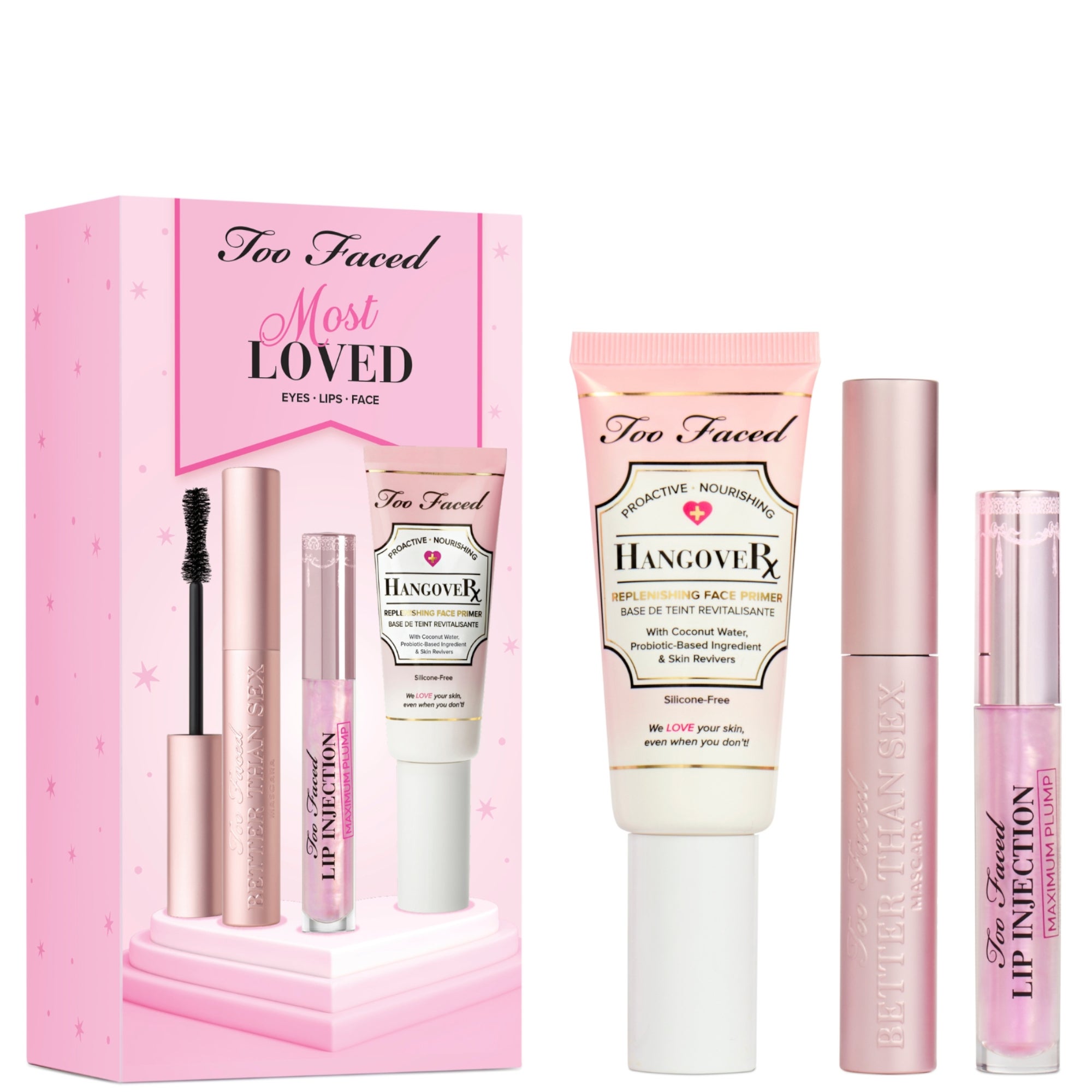
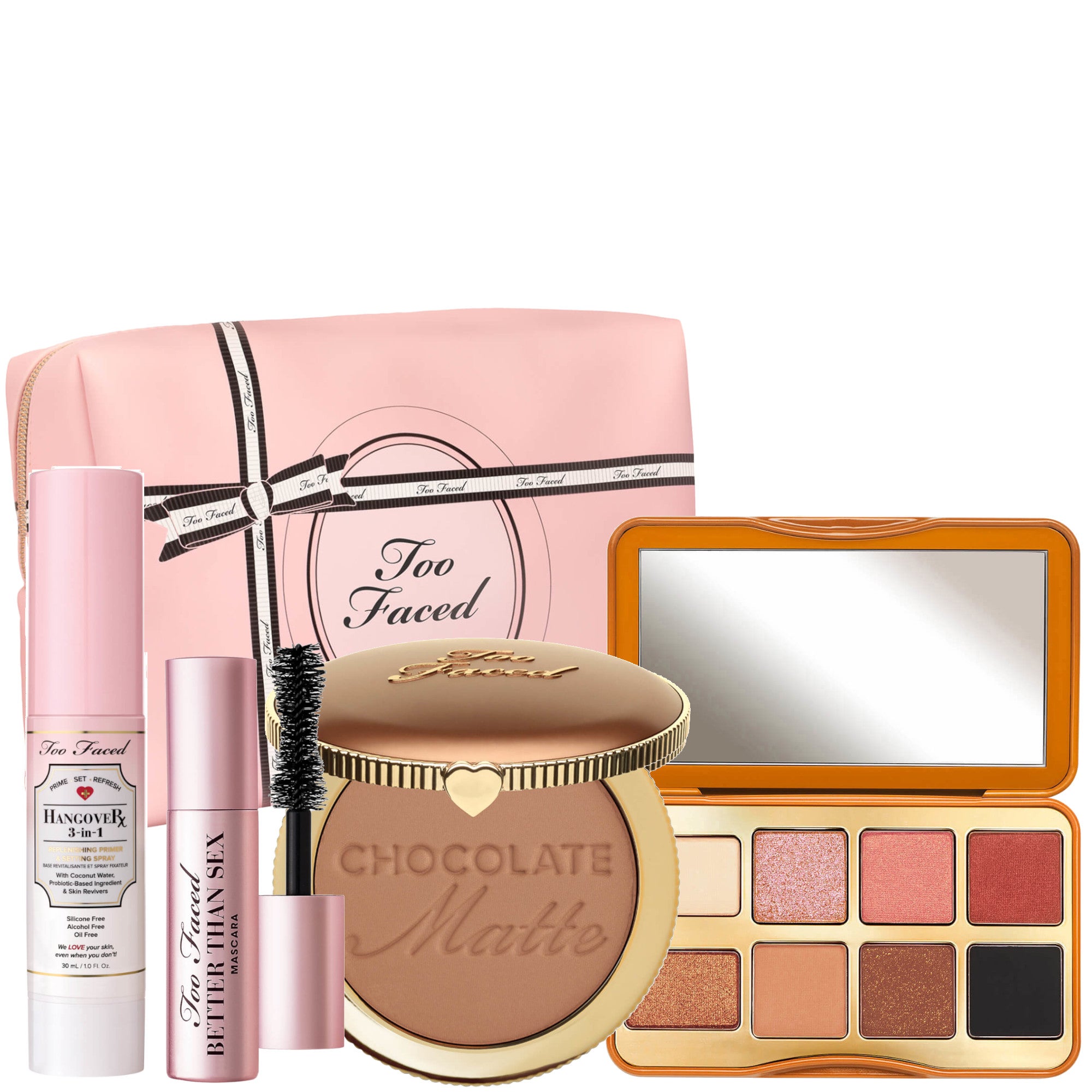
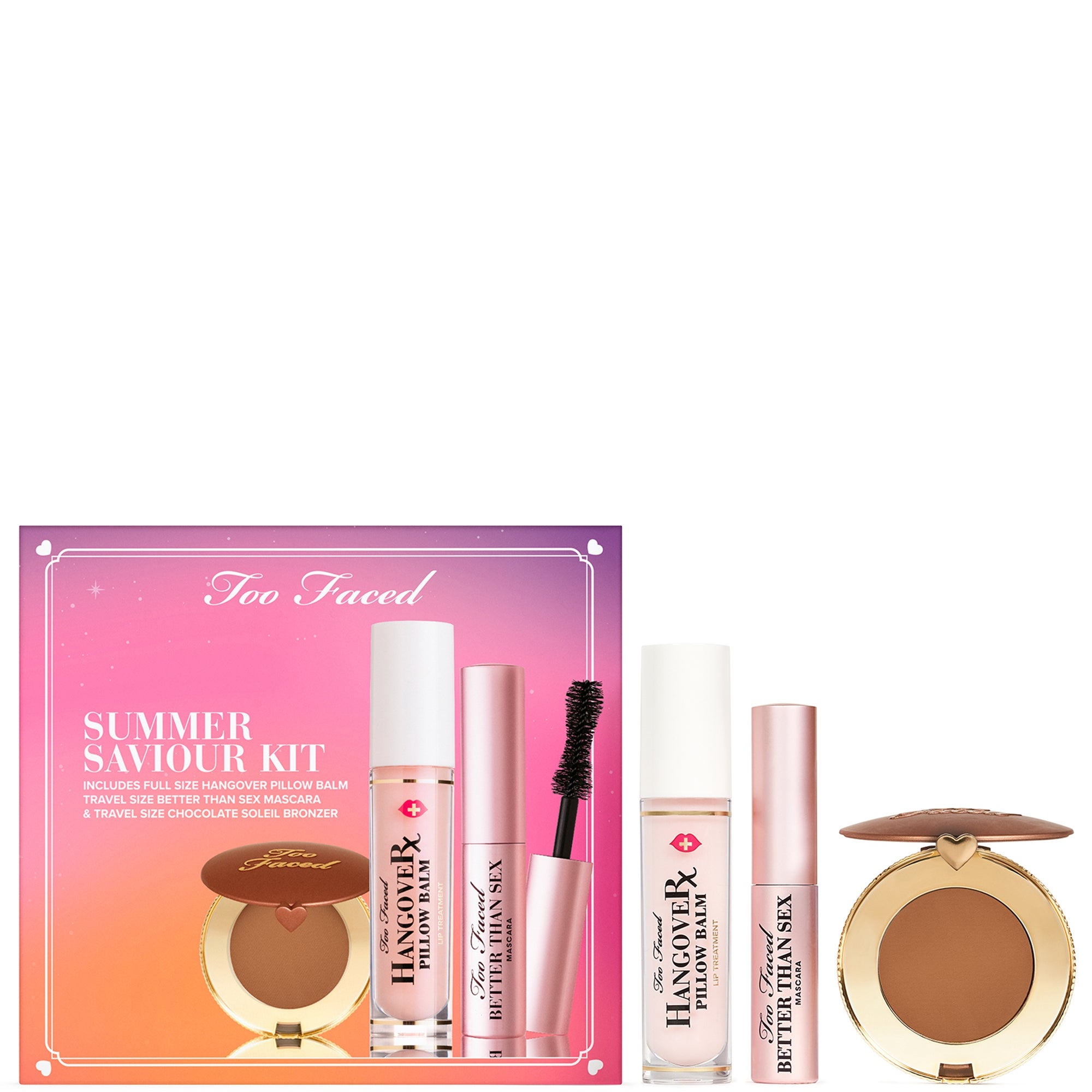
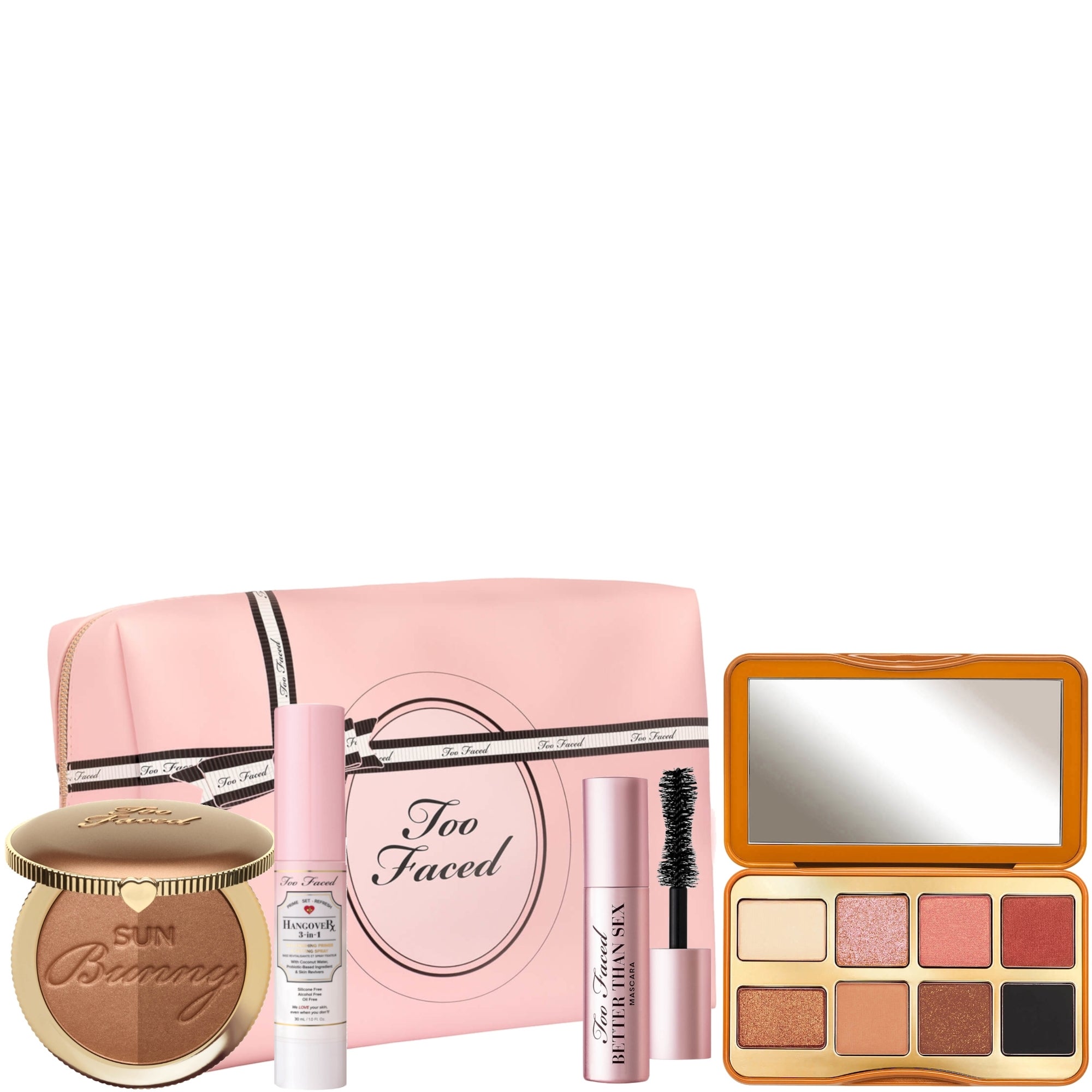
- Better Than Sex Mascara: Frequently cited as one of the top-selling prestige mascaras in North America, this single franchise accounts for a substantial percentage of total annual brand sales, delivering predictable recurring revenue.
- Born This Way Foundation & Concealer Family: A complex, shade-inclusive complexion line that built deep customer retention through repeat purchase cycles.
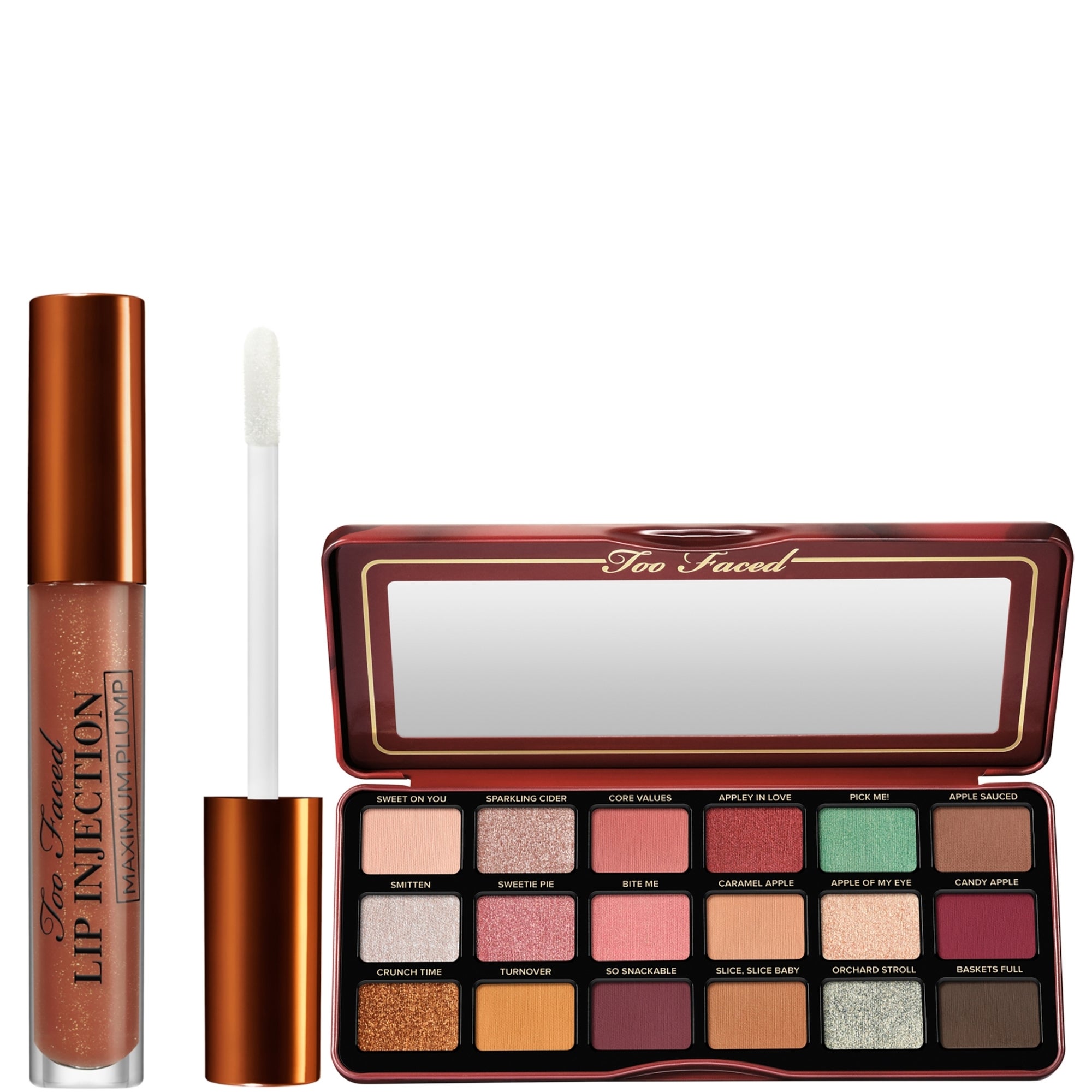
- Lip Injection Franchise: A market-leading plumping lip gloss line that established dominant market share in the prestige lip category.
These hero SKUs (Stock Keeping Units) reduce customer acquisition costs (CAC) and increase lifetime value (LTV), key metrics that validate high valuation multiples during corporate audits.
Key Factors Influencing Too Faced’s Ongoing Market Value
While Too Faced's historical sale price of $1.45 billion is fixed, its ongoing asset value inside Estée Lauder’s portfolio fluctuates based on macro trends in the global beauty industry.
1. Shifts in Color Cosmetics Demand
The global beauty market shifts periodically between heavy makeup trends (which benefit Too Faced's vibrant aesthetic) and minimalist "skincare-first" routines. When consumer demand favors full-coverage foundations and bold color palettes, Too Faced experiences elevated sales velocity, boosting its contribution to Estée Lauder's net operating income.
2. Supply Chain and Retail Channel Diversification
As retail dynamics evolve, Too Faced has had to pivot from reliance on traditional department stores to digital-first and marketplace strategies. The brand's agility in optimizing digital marketing spend across TikTok, Instagram, and retail media networks directly impacts its net profit margins.
3. Competition from Founder-Led Brands
The prestige makeup category is densely populated with competing brands backed by major conglomerates (such as L'Oréal, Coty, and LVMH) alongside independent celebrity and influencer-backed lines (e.g., Fenty Beauty, Rare Beauty). Too Faced maintains market share through continuous product reformulation, shade expansion, and nostalgic brand storytelling.
Frequently Asked Questions
What was the official sale price of Too Faced Cosmetics?
The Estée Lauder Companies acquired Too Faced Cosmetics in November 2016 for an official purchase price of approximately $1.45 billion.
What is the estimated net worth of founders Jerrod Blandino and Jeremy Johnson?
Following the $1.45 billion acquisition by Estée Lauder, industry estimates place the individual net worth of co-founders Jerrod Blandino and Jeremy Johnson between $400 million and $600 million each, after accounting for tax liabilities and equity dilution from prior investment partners.
Does Too Faced report independent public financial statements?
No. Because Too Faced is a wholly owned subsidiary of The Estée Lauder Companies (NYSE: EL), its financial revenues, costs, and profits are consolidated into Estée Lauder’s overall corporate earnings reports within the prestige Makeup division.
Why did Estée Lauder pay $1.45 billion for Too Faced?
Estée Lauder paid $1.45 billion primarily because Too Faced was experiencing rapid top-line revenue growth (over 70% year-over-year in 2016), possessed market-leading hero products like Better Than Sex mascara, and maintained strong engagement with Millennial and Gen Z demographics across specialty-multi beauty stores.
Do Jerrod Blandino and Jeremy Johnson still manage Too Faced?
No. Co-founders Jerrod Blandino and Jeremy Johnson stepped down from their executive roles at Too Faced in mid-2022. The brand is managed under executive leadership appointed by The Estée Lauder Companies, led by Global Brand President Tara Simon.
Strategic Takeaways for Industry Observers
Understanding the net worth and business evolution of Too Faced offers valuable corporate insight into how indie beauty startups scale to institutional buyouts:
- Focus on Hero SKUs: Developing market-defining products (such as Better Than Sex mascara) creates long-term recurring revenue streams that drive enterprise multiples far beyond temporary trend products.
- Strategic Equity Timing: Transitioning from founder-led bootstrapping to minority private equity, majority buyout, and ultimate corporate acquisition allows founders to scale operations while de-risking financial exposure.
- Channel Distribution Mastery: Early integration into major specialty-multi retailers like Sephora and Ulta provides the physical footprint necessary to justify a billion-dollar valuation.
Too Faced stands as one of the defining success stories of 21st-century prestige cosmetics—scaling from a boutique startup into a $1.45 billion corporate asset that continues to serve as a major engine within Estée Lauder’s international beauty portfolio.
Image Gallery