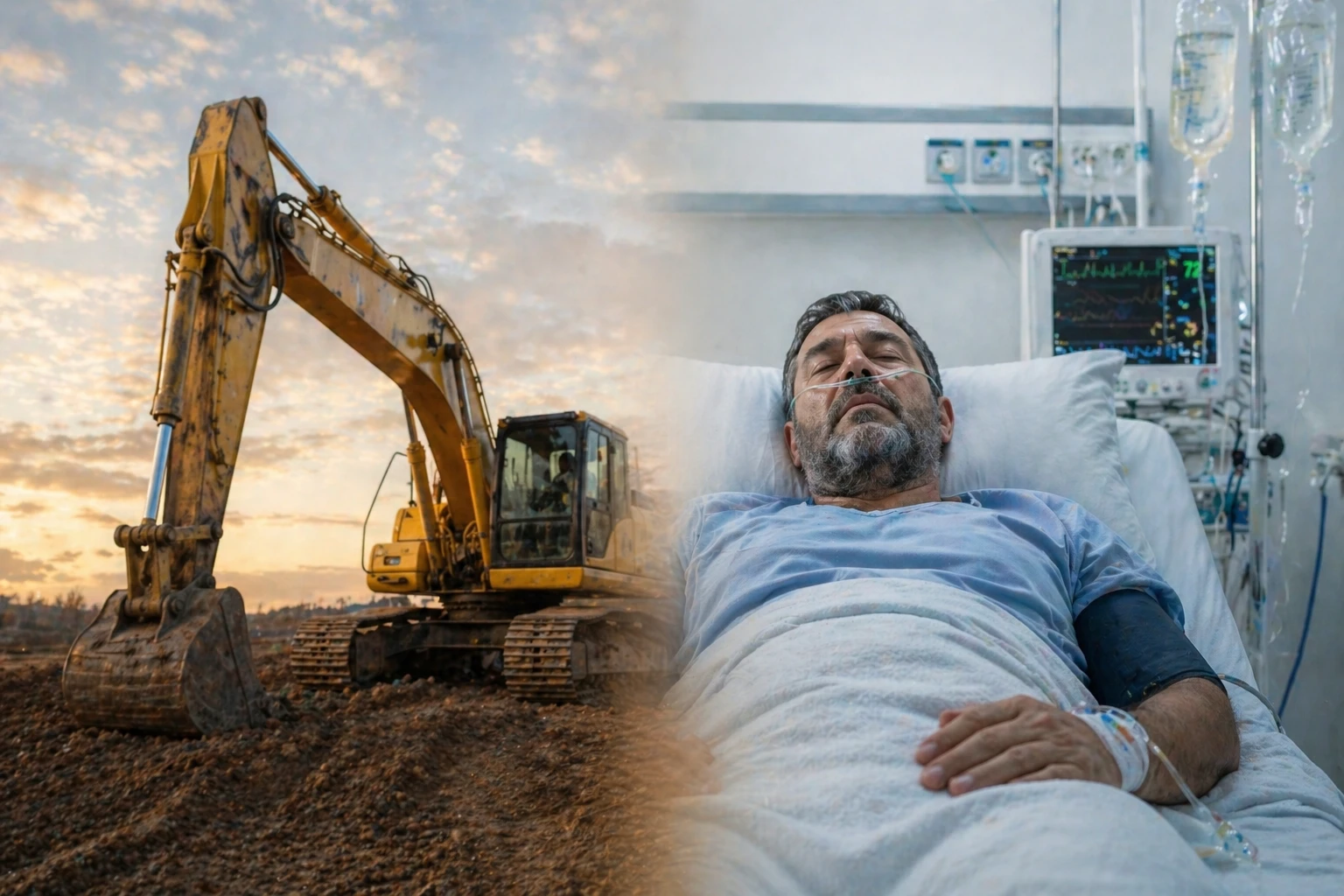
The Role of a Heavy Mover in Public Health Contexts
A heavy mover plays a critical, behind-the-scenes role in public health by safely transporting oversized medical imaging equipment, laboratory infrastructure, and emergency response assets to maintain continuity of essential healthcare...
A heavy mover plays a critical, behind-the-scenes role in public health by safely transporting oversized medical imaging equipment, laboratory infrastructure, and emergency response assets to maintain continuity of essential healthcare services.
Contents
Public health infrastructure relies heavily on the physical movement of massive, sensitive, and high-value machinery. While public health discourse frequently centers on epidemiology, policy, funding, and clinical care, the logistical backbone required to house and deploy medical resources is equally vital. When a hospital upgrades its diagnostic capabilities, relocates a regional testing laboratory, or establishes a temporary field hospital during an emergency, the operation hinges on specialized heavy moving services. Understanding how heavy movers integrate into public health frameworks reveals a complex intersection of engineering, regulatory compliance, risk management, and healthcare administration.
Defining the Scope of Heavy Moving in Healthcare Logistics
Standard commercial moving companies are typically unequipped to handle the specialized demands of healthcare facilities. A heavy mover specializing in medical and public health contexts operates at the intersection of industrial rigging and sterile healthcare logistics. These professionals manage the transport of multi-ton assets such as magnetic resonance imaging (MRI) machines, computed tomography (CT) scanners, linear accelerators for cancer treatment, automated laboratory blood-analysis carousels, and modular cleanrooms.
In public health contexts, the stakes of these operations are uniquely high. A delay or error in moving a regional public health laboratory's mass spectrometer can disrupt disease surveillance networks. Similarly, dropping a heavy X-ray unit can cause millions of dollars in damage and delay critical patient diagnostics. Heavy movers must therefore possess rigorous technical training, specialized hydraulic and pneumatic equipment, and an intimate understanding of the structural and environmental constraints inherent to medical facilities.
Core Operational Scenarios in Public Health
Heavy movers are deployed across several distinct public health scenarios, ranging from routine facility modernization to large-scale crisis response. Each scenario presents unique logistical, structural, and regulatory challenges that require distinct planning methodologies.
Facility Modernization and Capital Equipment Replacement
Hospitals and public health centers routinely upgrade heavy diagnostic and therapeutic equipment to keep pace with medical advancements. Because devices like 3-Tesla MRIs or proton therapy systems weigh between 10,000 and 30,000 pounds and are exceptionally sensitive to physical shock and magnetic interference, their extraction and installation are delicate engineering feats.
- Site Assessment: Heavy movers conduct structural load-bearing analyses of floors, corridors, and elevators to ensure the building can support the immense weight and dynamic forces of rigging equipment.
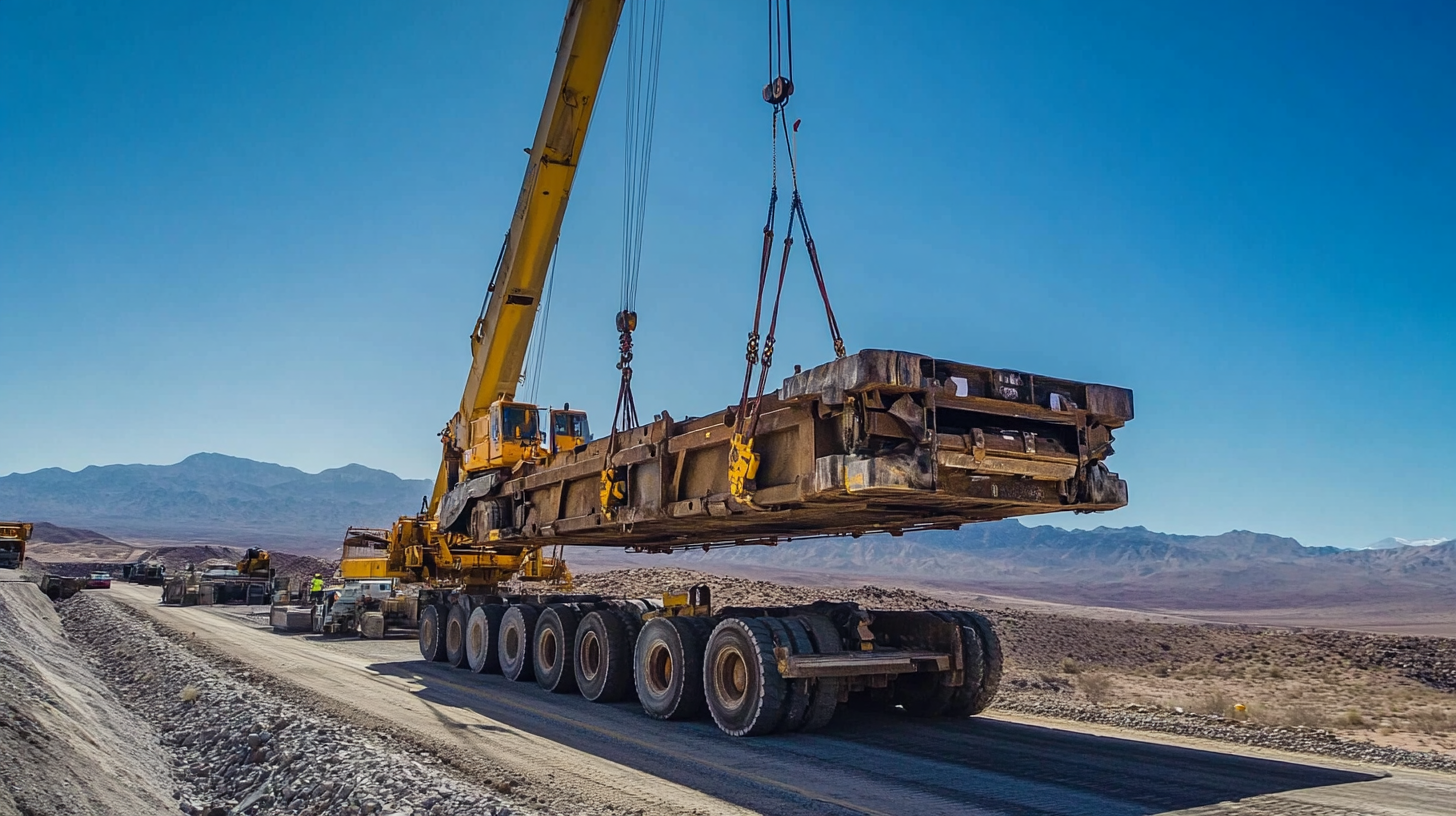
- Path of Travel Engineering: Because these machines rarely fit through standard hospital doors, movers often must navigate exterior routes, utilize crane lifts through temporary wall openings, or maneuver through sub-basement corridors.
- Vibration and Shock Mitigation: Specialized air-ride suspension trucks and monitoring devices are deployed to record g-forces during transit, ensuring internal components remain calibrated and undamaged.
Regional Laboratory Relocations and Bio-Containment Transport
Public health laboratories handle infectious agents, genetic sequencing data, and large-scale diagnostic workloads. Relocating these facilities requires meticulous coordination to prevent contamination and maintain the chain of custody for sensitive biological samples.
Heavy movers working in bio-containment contexts must coordinate with biosafety officers to ensure that heavy equipment—such as industrial autoclaves, mass spectrometers, and ultra-low temperature freezers—is properly decontaminated, disconnected, and secured. The physical transport must comply with federal and state regulations regarding hazardous materials and biological agents, requiring specialized transport vehicles and trained personnel certified in hazardous waste operations.
Emergency Response and Temporary Healthcare Infrastructure
During public health emergencies, such as natural disasters, pandemics, or mass-casualty incidents, rapid deployment of heavy infrastructure becomes a matter of community survival. Heavy movers work alongside federal, state, and local emergency management agencies—such as the Federal Emergency Management Agency (FEMA) or the U.S. Department of Health and Human Services—to establish alternate care sites, mobile field hospitals, and modular testing or vaccination centers.
In these high-pressure environments, heavy movers transport heavy power generators, portable cleanroom modules, mobile surgical units, and heavy-duty oxygen supply skids. Speed is paramount, but it must be balanced against safety to avoid compromising infrastructure that patients and clinicians will immediately rely upon.
| Equipment Type | Typical Weight Range | Primary Public Health Challenge | Specialized Handling Requirements |
|---|---|---|---|
| MRI Scanner | 10,000 – 30,000 lbs | Permanent magnetic fields, extreme sensitivity to physical shock | Non-magnetic rigging gear, liquid helium management, crane hoisting |
| Linear Accelerator | 8,000 – 15,000 lbs | Strict radiation shielding alignment, complex calibration | Precision leveling, laser-guided placement, structural floor reinforcement |
| Industrial Autoclave | 3,000 – 8,000 lbs | Pressure vessel compliance, heavy plumbing and steam hookups | Rigging through narrow utility corridors, certified pressure testing |
| Modular Cleanroom | 5,000 – 20,000 lbs | Maintaining sterile envelope integrity during transport and assembly | Climate-controlled transport, modular alignment, HEPA filtration sealing |
Regulatory Compliance, Safety, and Risk Mitigation
The operation of heavy moving equipment within or adjacent to public health facilities is heavily regulated to protect patients, staff, structural integrity, and public safety. Heavy movers must navigate a complex matrix of federal, state, and local standards.
Structural Engineering and Load Limits
Before a heavy mover places a single jack or rolls a multi-ton transport dolly into a hospital, structural engineers must review architectural blueprints. Older public health facilities may possess aging floor slabs that cannot support concentrated point loads generated by heavy rigging equipment. Movers utilize steel distribution plates, timber cribbing, and heavy-duty skates to disperse weight across a wider surface area, preventing catastrophic structural failure.
Infection Control Risk Assessment (ICRA)
In active healthcare environments, construction and heavy moving activities pose severe risks to vulnerable patient populations, particularly regarding airborne pathogens such as Aspergillus spores stirred up during structural modifications. Heavy movers must comply with Infection Control Risk Assessment (ICRA) protocols. This includes constructing temporary negative-pressure containment barriers, sealing ventilation ducts, utilizing sticky mats, and ensuring that all equipment and personnel adhere to strict hospital hygiene standards.
Occupational Safety and Environmental Protection
Riggers and heavy movers operate in high-hazard environments. Compliance with Occupational Safety and Health Administration (OSHA) standards regarding crane operations, forklift safety, rigging equipment inspections, and fall protection is mandatory. Furthermore, when handling equipment containing hazardous materials—such as cryogenic cooling agents (liquid helium) in MRIs or chemical residues in laboratory machinery—movers must follow Environmental Protection Agency (EPA) and Department of Transportation (DOT) guidelines for hazardous materials handling and disposal.
Procurement, Cost Considerations, and Project Management
Engaging a specialized heavy mover for a public health initiative requires structured procurement processes, comprehensive risk assessment, and detailed project management. Because public health budgets are often constrained by legislative appropriations or grant funding, cost predictability and operational efficiency are critical.
Cost Factors in Healthcare Heavy Moving
The pricing for heavy moving services in public health contexts is rarely calculated on a simple hourly or per-mile basis. Multiple variables influence project costs:
- Complexity and Weight: The sheer mass and dimensions of the asset dictate the scale of machinery required, ranging from specialized gantries and cranes to heavy-duty hydraulic trailers.
- Site Access and Architectural Barriers: Projects requiring complex exterior crane lifts, window removals, or navigating historical buildings with narrow, fragile corridors command higher labor and engineering costs.
- Downtime and Scheduling Constraints: Public health facilities often operate 24/7. Moving heavy equipment typically requires restricted scheduling—such as nights, weekends, or holidays—to minimize disruption to patient care, which incurs premium labor rates.
- Permitting and Escorts: Transporting oversized loads on public roadways requires specialized state and municipal transport permits, police escorts, and utility line clearance, all of which add to the administrative and financial overhead.
Vetting and Selecting a Specialized Heavy Moving Contractor
Public health administrators and facilities managers must rigorously vet heavy moving contractors. Key selection criteria include:
- Insurance and Bonding: Comprehensive general liability, inland marine cargo insurance, and specialized rigger's liability coverage with limits matching or exceeding the replacement value of the transported assets.
- Track Record and References: Demonstrated experience in healthcare, pharmaceutical, or high-tech laboratory environments with verifiable references from major hospital networks or public health agencies.
- Safety Records: Low Experience Modification Rates (EMR) and documented safety training programs aligned with OSHA and industry standards.
Frequently Asked Questions
What differentiates a heavy mover from a standard commercial moving company?
Heavy movers possess specialized engineering knowledge, hydraulic rigging equipment, cranes, and structural reinforcement tools required to transport multi-ton, highly sensitive assets. Standard commercial movers lack the capacity to handle heavy medical equipment, manage complex structural load calculations, or navigate strict hospital infection control protocols.
How do heavy movers protect sensitive diagnostic equipment during transit?
Heavy movers utilize air-ride suspension trucks, shock-recording data loggers, custom-built cradles, and non-magnetic rigging gear. For equipment like MRIs, they coordinate with OEM (Original Equipment Manufacturer) service engineers to power down, secure internal components, and manage cryogenic systems safely before movement begins.
Why is an Infection Control Risk Assessment (ICRA) necessary for heavy moving in hospitals?
Heavy moving often involves structural alterations, vibration, and movement through active healthcare spaces, which can dislodge dust and release mold spores or airborne pathogens. ICRA protocols establish physical barriers, negative air pressure, and sanitation procedures to protect immunocompromised patients from hospital-acquired infections.
What insurance coverage should a public health facility require from a heavy mover?
Facilities should require general liability insurance, commercial auto liability, workers' compensation, and specialized rigger's legal liability insurance. The rigger's liability policy must explicitly cover the full replacement cost of the high-value medical or laboratory equipment being handled.
Can heavy movers assist with emergency public health deployments?
Yes. During public health crises or natural disasters, specialized heavy movers work with emergency management agencies to transport mobile field hospitals, large generators, cleanroom modules, and emergency medical shelters to disaster zones or alternate care sites.
Conclusion and Next Actions
The role of a heavy mover in public health contexts is an indispensable, highly specialized discipline that safeguards multi-million-dollar investments and ensures the uninterrupted delivery of critical healthcare services. From upgrading regional diagnostic hubs to deploying emergency infrastructure during crises, these operations require meticulous engineering, strict regulatory compliance, and rigorous risk management. Public health administrators, facility directors, and project planners should engage specialized heavy moving contractors early in the project lifecycle, conducting comprehensive site assessments and verifying insurance and safety credentials to ensure seamless execution.
Image Gallery