Lennox Lewis Stats for Heavyweight Boxing: A Career in Numbers
Lennox Lewis stands as one of the most decorated heavyweight champions in boxing history, retiring with a professional record of 41 wins, 2 losses, and 1 draw. Over his career, he secured 32 knockout victories, established himself as t...
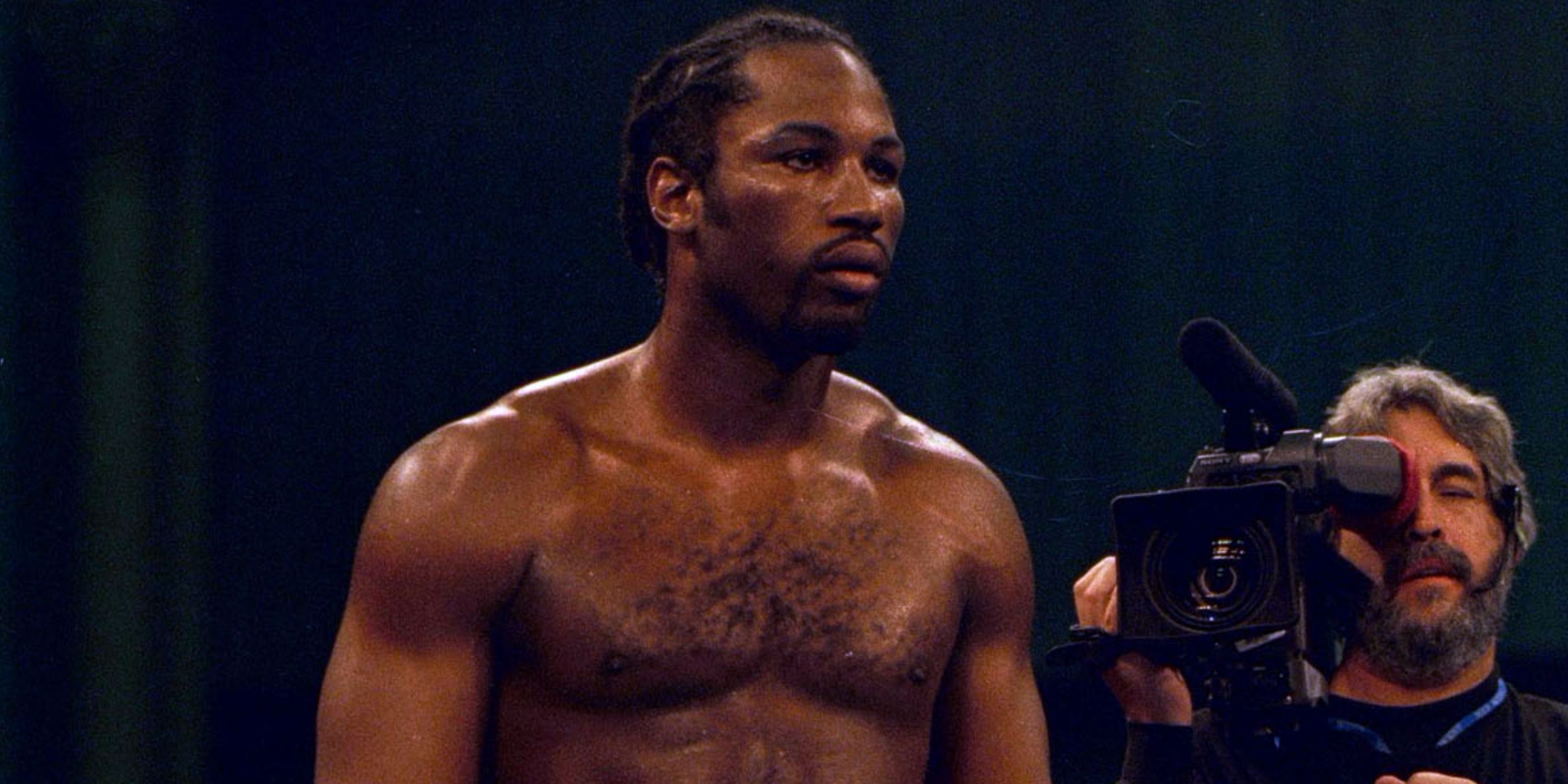
Lennox Lewis stands as one of the most decorated heavyweight champions in boxing history, retiring with a professional record of 41 wins, 2 losses, and 1 draw. Over his career, he secured 32 knockout victories, established himself as the undisputed heavyweight champion, and maintained an 89% winning percentage against elite-level competition across three decades.
Contents
The Professional Record: A Statistical Overview
Lennox Lewis transitioned to the professional ranks in 1989 following a successful amateur career that culminated in a gold medal at the 1988 Seoul Olympics. His professional tenure spanned from 1989 to 2003, characterized by his technical precision and tactical dominance.
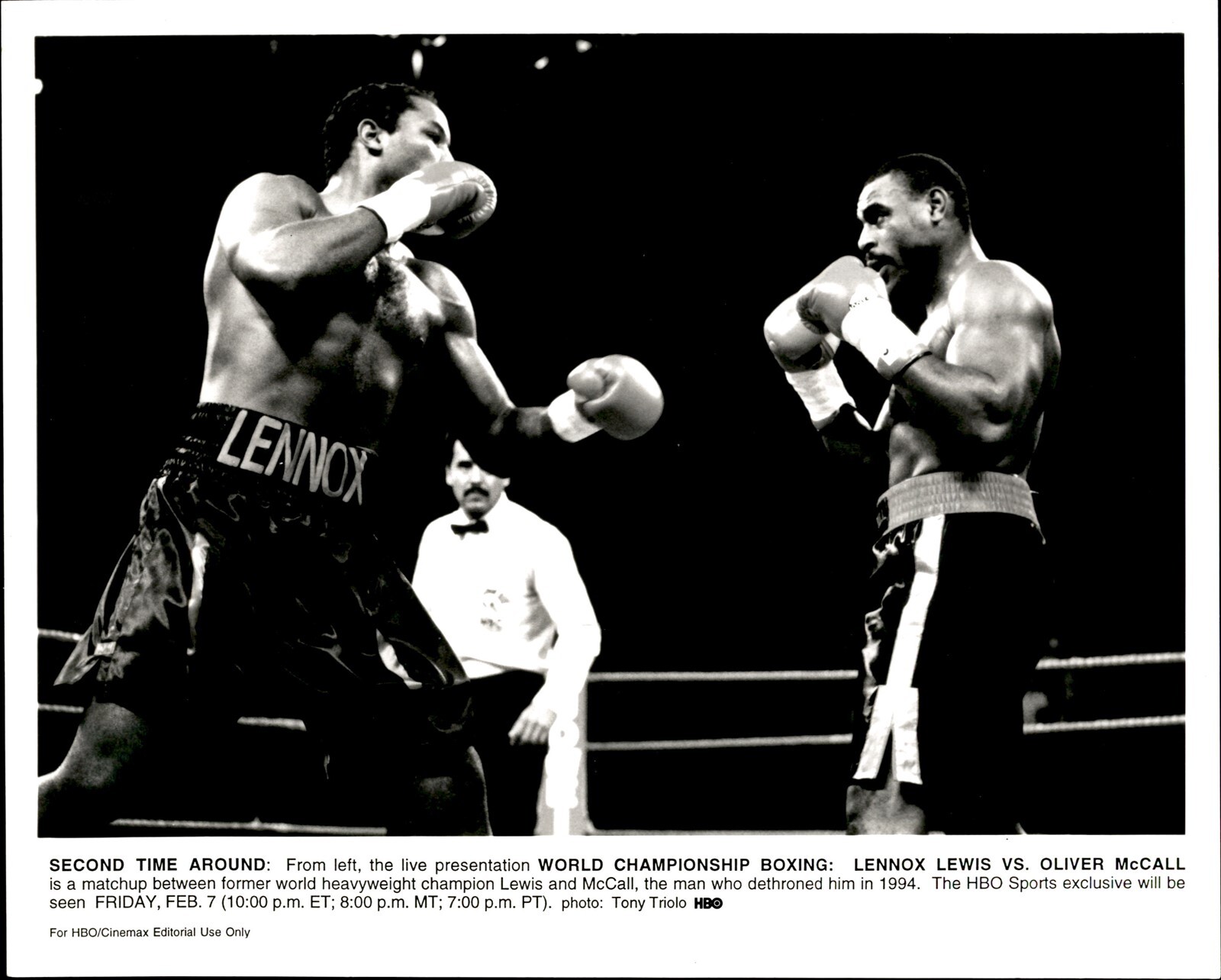
The core of his legacy is built upon his 44-fight career. Unlike many of his contemporaries, Lewis consistently faced high-ranked opposition, often holding multiple belts simultaneously. His two career losses—against Oliver McCall in 1994 and Hasim Rahman in 2001—were both avenged definitively in immediate rematches, a testament to his ability to adjust and refine his technical approach.
| Metric | Statistic |
|---|---|
| Total Bouts | 44 |
| Wins | 41 |
| Losses | 2 |
| Draws | 1 |
| Knockouts | 32 |
| Knockout Percentage | 72.7% |
| Rounds Boxed | 239 |
Technical Analysis of Fighting Style and Range
Standing at 6'5" with an 84-inch reach, Lewis utilized his physical dimensions to dominate the heavyweight division. Statistically, his reach advantage allowed him to control the tempo of fights from the outside. Unlike heavyweights who rely solely on power, Lewis implemented a "stick and move" philosophy combined with heavy hitting.
His jab is widely considered among the best in heavyweight history. By utilizing a stiff, accurate lead hand, he disrupted the rhythm of opponents, setting up his signature overhand right or left hook. His defensive statistics were bolstered by a high boxing IQ; he rarely stayed in the pocket longer than necessary, preferring to clinch or pivot once he had delivered his power shots. This technical approach ensured that he minimized incoming damage while maximizing his own offensive output.
Significant Championship Bouts
Lewis's career was defined by his longevity at the pinnacle of the sport. His reign as the lineal heavyweight champion involved defeating several world-class opponents, including Evander Holyfield, Mike Tyson, and Vitali Klitschko.
The 1999 Undisputed Title Bid
In his double-header against Evander Holyfield in 1999, the statistical breakdown of his performance showcased his evolution. In the first fight, which ended in a controversial draw, Lewis dominated the punch stats but was denied a victory by the judges. In the rematch, he adjusted his strategy to maintain distance, ultimately securing the undisputed heavyweight title. This demonstrated his ability to process fight data in real-time and adapt his technical execution under high-pressure environments.
The 2002 Tyson Encounter
The 2002 fight against Mike Tyson serves as a primary example of Lewis’s tactical dominance. By utilizing his reach to stifle Tyson’s inside-game attempts, Lewis kept the fight at long range, accumulating points and punishing Tyson with jabs. By the eighth round, the cumulative impact of his accuracy and size advantage resulted in a knockout, reinforcing the importance of disciplined fundamentals over raw aggression.
Physical Conditioning and Stamina
Heavyweight boxing demands immense cardiovascular endurance. Lewis maintained his physical conditioning through a rigorous training camp cycle. His ability to sustain power in the later rounds—evidenced by his high knockout rate in rounds 6 through 12—indicates superior anaerobic threshold management.
Technically, Lewis worked with renowned trainers like Emanuel Steward, who helped refine his "Kronk" style, emphasizing the jab and power combinations. This partnership significantly improved his knockout ratio in the latter half of his career. By diversifying his punch selection, he made himself less predictable, forcing opponents to cover up and creating openings for his heavy power shots.
Understanding the Heavyweight Evolution
The era in which Lennox Lewis competed saw a shift toward "super-heavyweights." His success relied on understanding the biomechanics of taller fighters. While shorter, stockier opponents often look to get inside the reach of a tall fighter, Lewis countered this by using his height to fire downward-angled shots and using his weight to lean on opponents in the clinch, effectively tiring them out over the duration of a 12-round bout.
Frequently Asked Questions
What was Lennox Lewis's most effective weapon? His jab was his most effective weapon. It served as a range-finder, a defensive barrier, and a setup for his power punches. It allowed him to dictate the distance and neutralize the offensive capabilities of smaller, faster opponents.
How many of Lewis’s wins were by knockout? Lennox Lewis secured 32 knockout victories throughout his professional career. This high percentage, over 70%, highlights his ability to finish fights decisively rather than relying solely on decision victories.
How did Lewis perform in rematches? Lewis was exceptionally successful in rematches, going undefeated in them. After losing to Oliver McCall and Hasim Rahman, he utilized his technical proficiency to study their patterns and secured dominant stoppage victories in both return bouts.
What weight class did Lewis fight in? Lewis competed in the heavyweight division, which has no upper weight limit. Throughout his career, he typically weighed in between 235 and 250 pounds, a range that allowed him to maintain speed and agility while possessing sufficient power to end fights early.
Did Lewis hold all the major titles simultaneously? Yes, in 1999, after defeating Evander Holyfield, Lewis became the first undisputed heavyweight champion since the 1990s, holding the WBC, WBA, and IBF world titles simultaneously.
Why is his boxing IQ considered high? His boxing IQ is defined by his ability to pivot between different fighting styles. He could play the role of a sniper on the outside or a physical brawler when pushed. His ability to read an opponent's rhythm and make necessary adjustments mid-fight is widely studied by boxing analysts.
Next Steps for Boxing Analytics
For enthusiasts looking to conduct their own analysis of Lennox Lewis, reviewing the fight tapes from his peak years (1997–2002) is essential. Pay close attention to his footwork patterns and his lead-hand engagement. Comparing his punch-output metrics against his opponents provides a clear window into how he maintained dominance throughout his later years. To verify specific round-by-round statistics for his major title bouts, official scorecards maintained by the WBC and IBF provide the most accurate technical data for researchers and fans alike.
Image Gallery