Understanding the Life and Literary Impact of Novelist Bret Easton Ellis
Bret Easton Ellis is an American novelist, short story writer, and screenwriter widely recognized for his unflinching, often controversial depictions of contemporary American society. Emerging as a prominent literary figure in the 1980...
Bret Easton Ellis is an American novelist, short story writer, and screenwriter widely recognized for his unflinching, often controversial depictions of contemporary American society. Emerging as a prominent literary figure in the 1980s, his work frequently explores themes of alienation, consumerism, and the moral vacuum within elite social circles, establishing him as a key voice in the literary minimalism and postmodernism movements.
Contents
Early Life and Literary Emergence
Born in Los Angeles in 1964, Bret Easton Ellis spent his formative years in the affluent environment of Southern California, a setting that would become the primary backdrop for his most famous works. He attended Bennington College in Vermont, an institution that played a critical role in his development as a writer. It was during his time at Bennington that Ellis wrote his debut novel, Less Than Zero (1985).
Published when he was just 21 years old, Less Than Zero became an immediate cultural touchstone. The novel follows a group of wealthy, disaffected college students returning home to Los Angeles for winter break, engaging in a cycle of substance abuse and emotional detachment. Critics at the time noted the book's stark, journalistic prose style, which avoided moralizing and instead presented the narrative with a cold, observational lens. This aesthetic became a hallmark of his career, effectively capturing the zeitgeist of 1980s youth culture.
Defining Works and Stylistic Evolution
Throughout his career, Ellis has consistently challenged readers with narratives that prioritize psychological intensity over traditional moral arcs. Following the success of his debut, he published The Rules of Attraction (1987), which shifted the focus to the interpersonal entanglements and romantic frustrations of students at a fictional New England liberal arts college.
However, his most infamous contribution to literature remains American Psycho (1991). The novel, which details the hedonistic and violent life of Wall Street investment banker Patrick Bateman, sparked intense public debate regarding the boundary between satire and gratuitous violence. The book serves as a hyper-real critique of 1980s materialism, using Bateman’s sociopathic behavior as an extreme metaphor for the era’s superficiality.
In later years, Ellis evolved his approach to metafiction. In works like Lunar Park (2005) and the semi-autobiographical Imperial Bedrooms (2010), he began incorporating his own persona into his novels, blurring the lines between author, narrator, and character. This evolution continued into the 2020s, reflecting a career-long preoccupation with the nature of identity and the construction of public and private personas.
Key Themes in the Works of Bret Easton Ellis
To understand Ellis as a novelist is to understand his recurring thematic preoccupations. His work does not aim for comfort; instead, it intentionally creates a sense of unease.
The Consumerist Vacuum
Ellis frequently depicts characters who possess immense material wealth but suffer from profound spiritual or emotional bankruptcy. In his universe, high-end brands, social status, and nightlife are not symbols of success, but masks for a deeper existential rot.
Affectlessness and Detachment
A consistent stylistic choice in his writing is the use of "flat" or "affectless" prose. By stripping away emotional commentary, Ellis forces the reader to confront the events of the story without the guidance of a traditional narrator. This detachment often makes his work uncomfortable, as it requires the reader to interpret the moral weight of the narrative independently.
The Metafictional Turn
Later in his career, Ellis became increasingly interested in how authors are perceived by their audience. By using his own name and biography within his fictional universes, he interrogates the relationship between the creator and the created, a theme central to the postmodern tradition.
Comparison of Major Novels
The following table outlines the major novels in the Ellis bibliography, noting their primary focus and cultural impact.
| Title | Publication Year | Primary Focus | Cultural Significance |
|---|---|---|---|
| Less Than Zero | 1985 | Youth alienation in LA | Defined the 80s "Brat Pack" literary wave |
| The Rules of Attraction | 1987 | College romance and power | Explored complex multi-perspective narrative |
| American Psycho | 1991 | Materialism and violence | A polarizing critique of corporate greed |
| Glamorama | 1998 | Fashion, media, and terror | Satirizes celebrity culture and global politics |
| Lunar Park | 2005 | Autobiography and horror | Blends memoir with supernatural fiction |
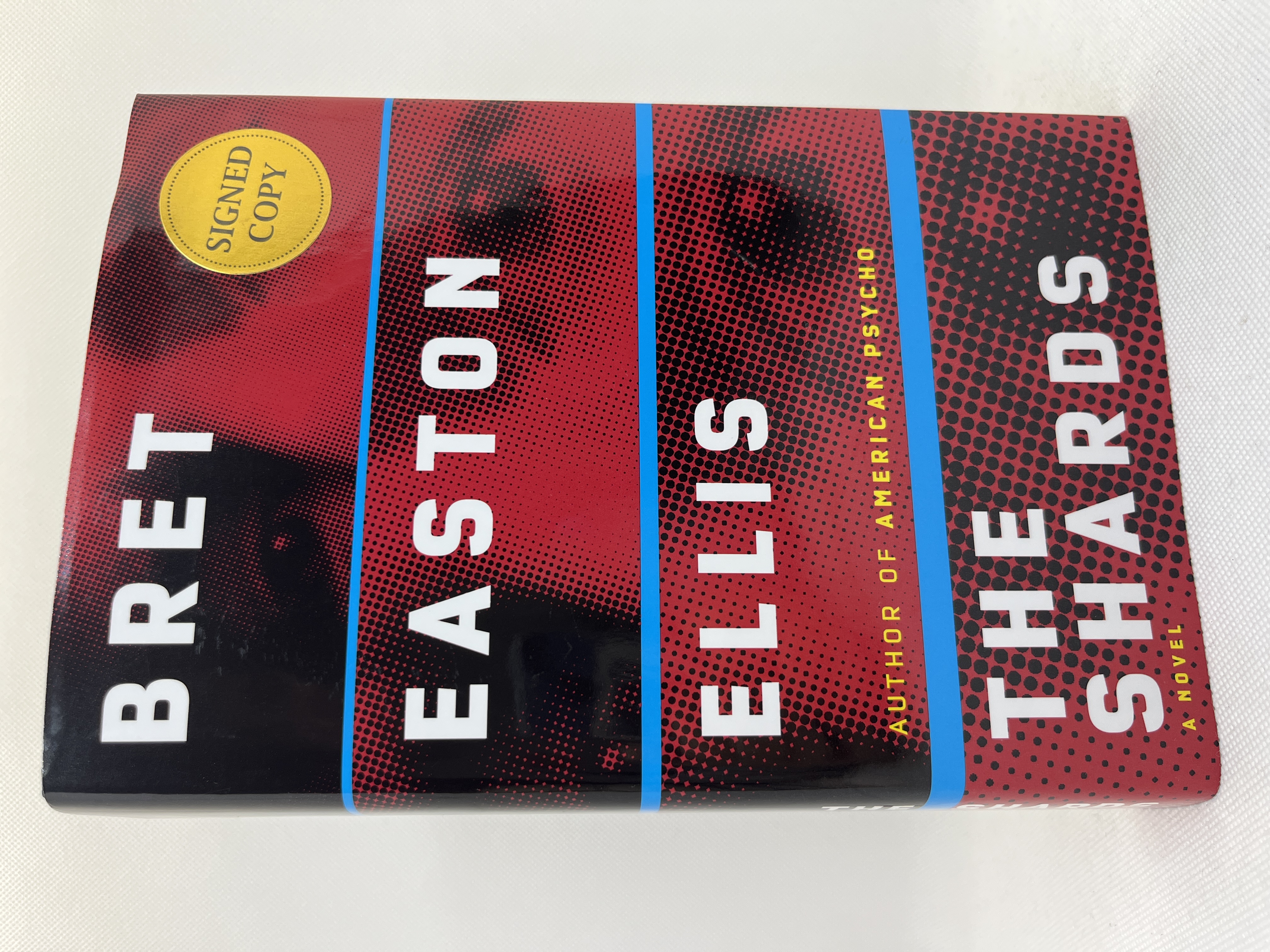
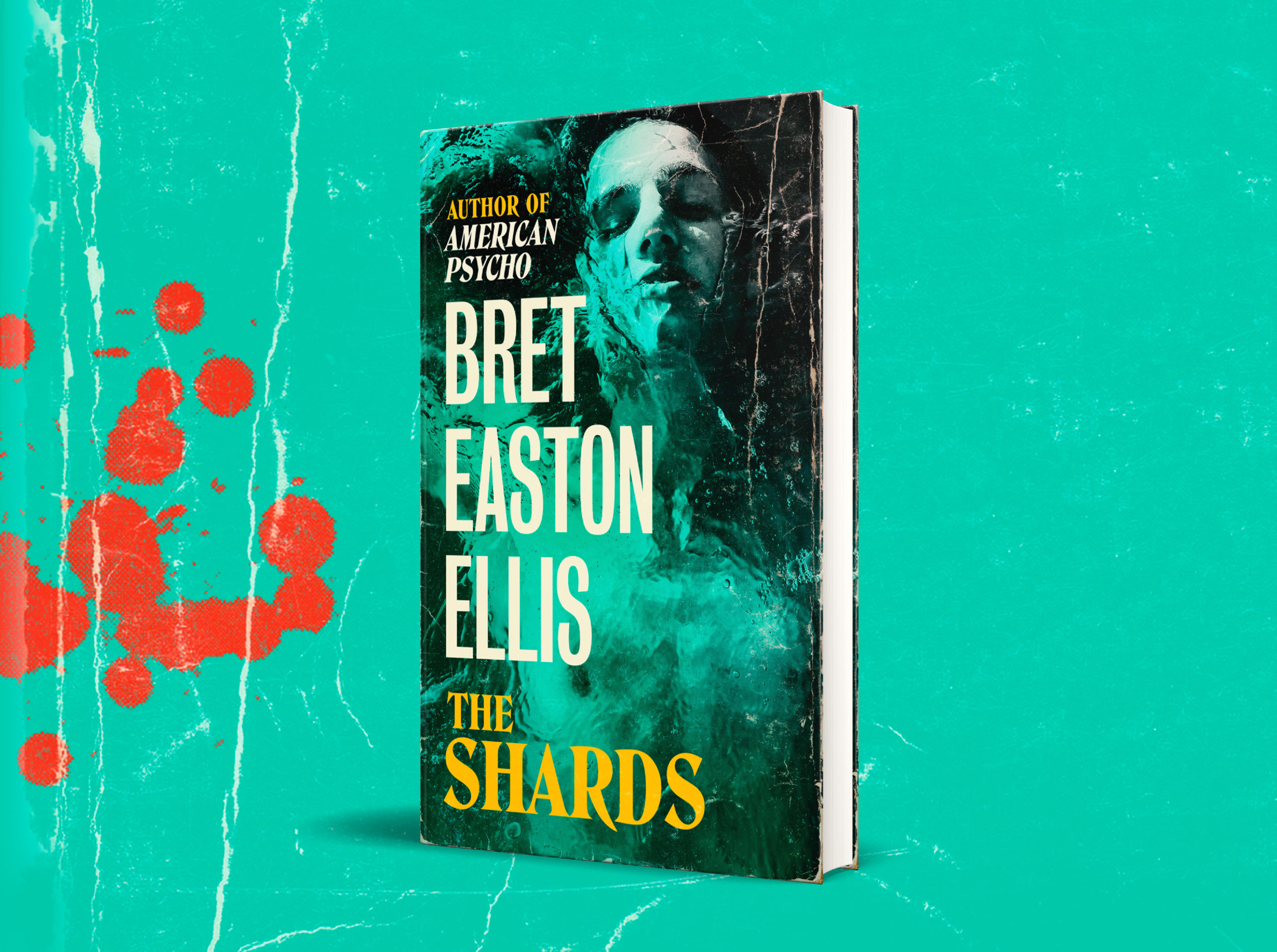
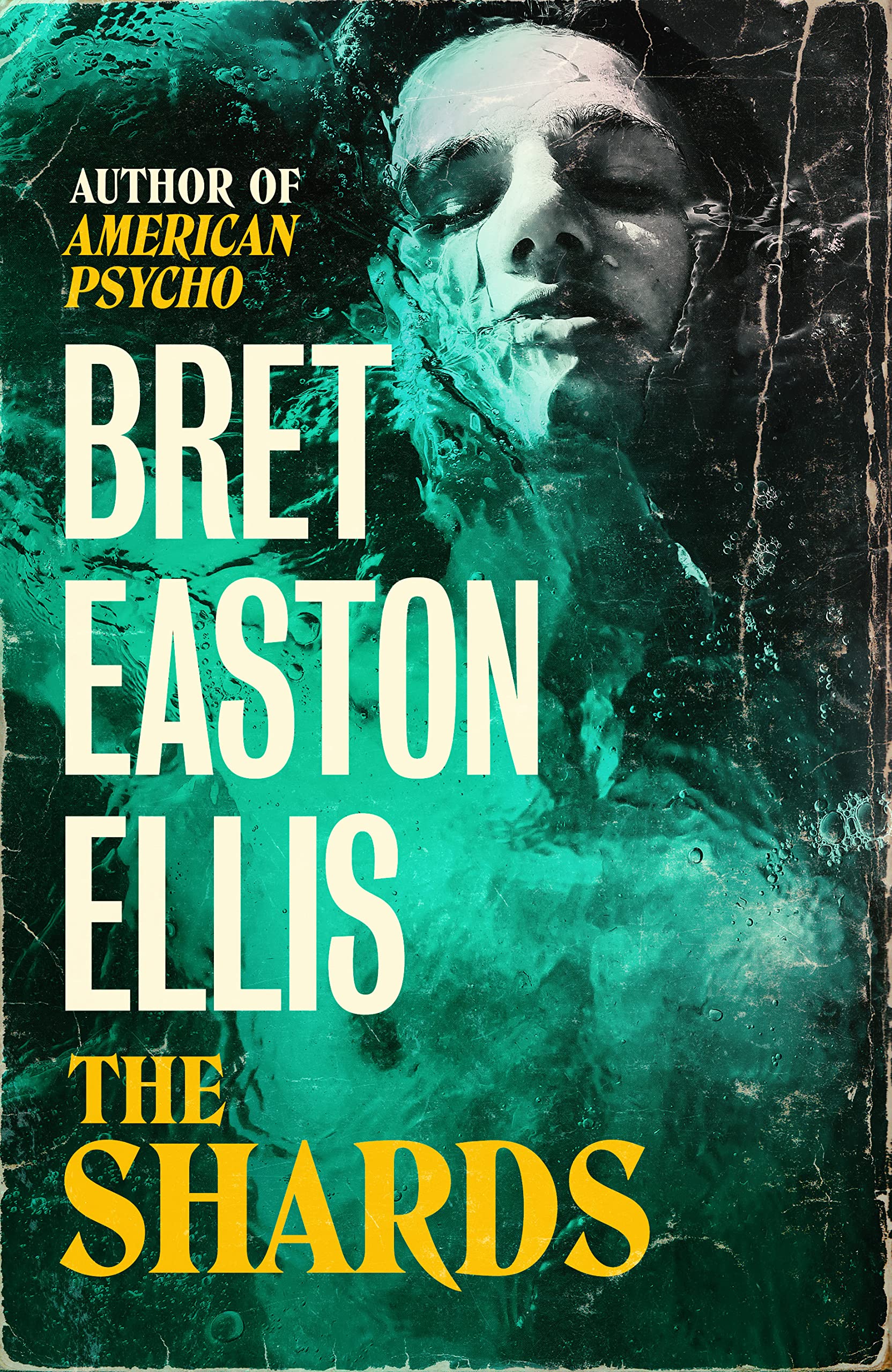
| The Shards | 2023 | High school obsession | A return to his early stylistic roots |
Critical Reception and Controversy
Bret Easton Ellis has long been a lightning rod for literary criticism. Proponents argue that he is a master of the "unreliable narrator" and a vital social satirist whose work exposes the darkest impulses of modern society. Critics, conversely, have at various times labeled his work as misogynistic, gratuitously violent, or nihilistic.
His 2023 novel, The Shards, received significant attention as a return to the form and setting of his early career. By revisiting the 1980s through a mature lens, Ellis invited a new generation of readers to engage with his long-standing inquiry into the loss of innocence and the lingering impact of past trauma.
The Role of the Author in 2026
As of 2026, the discussion around Ellis has shifted toward his role as a cultural commentator. Beyond his novels, he has engaged extensively with new media, including podcasting and critical essays, where he provides commentary on film, politics, and the state of modern culture.
Readers who wish to understand the "novelist" Bret Easton Ellis should view him not just as a writer of fiction, but as an observer of the social architecture of American life. His work remains a necessary point of entry for those interested in the history of late-20th-century literature and the transition into digital-age commentary.
Frequently Asked Questions
Is Bret Easton Ellis still writing in 2026?
Yes, Bret Easton Ellis remains an active literary figure. Following the success of his 2023 release The Shards, he continues to be involved in the literary and film communities, offering critiques and creative projects.
What is the best starting point for a new reader?
For most readers, Less Than Zero is the ideal entry point. It establishes his signature tone and style without the extreme graphic content found in American Psycho, providing a clear introduction to his worldview.
Are the events in his books based on real life?
While Ellis often draws inspiration from his own upbringing in Southern California and his experiences at Bennington College, his novels are works of fiction. Even his metafictional works, which use his own name, are stylistic constructions rather than traditional, factual autobiographies.
Why is his work considered controversial?
His work is often described as controversial due to his neutral, non-judgmental description of extreme violence, drug use, and moral depravity. He refuses to guide the reader to a moral conclusion, which frequently leaves audiences divided on his ultimate message.
How does he fit into the "Brat Pack" literary group?
The "Brat Pack" was a media label assigned to a group of young, successful writers in the 1980s, including Ellis, Jay McInerney, and Tama Janowitz. They were noted for writing about the lifestyle of their generation, focusing on urban excess, decadence, and emotional malaise.
Where can I read his non-fiction commentary?
Beyond his novels, Ellis publishes essays and reflections through various literary magazines and his own digital channels. These pieces often provide the necessary context for his fictional choices and his opinions on contemporary film and social media.
Next Steps for Exploration
If you are interested in diving deeper into the work of Bret Easton Ellis, the most practical approach is to read his work chronologically to witness the development of his prose style. Start with Less Than Zero to ground yourself in his early aesthetic. Once you have established a baseline, progress to The Rules of Attraction to see how he refined his multi-perspective narrative technique, and then American Psycho for a fuller understanding of his mastery of satire.
For those interested in the author’s own reflection on his career, his collection of essays, White, offers an explicit look at his worldview and his frustrations with contemporary cultural norms. Engaging with his later work, specifically The Shards, will provide a clear picture of how he synthesizes his past experiences with his current perspective as a veteran novelist.
Image Gallery