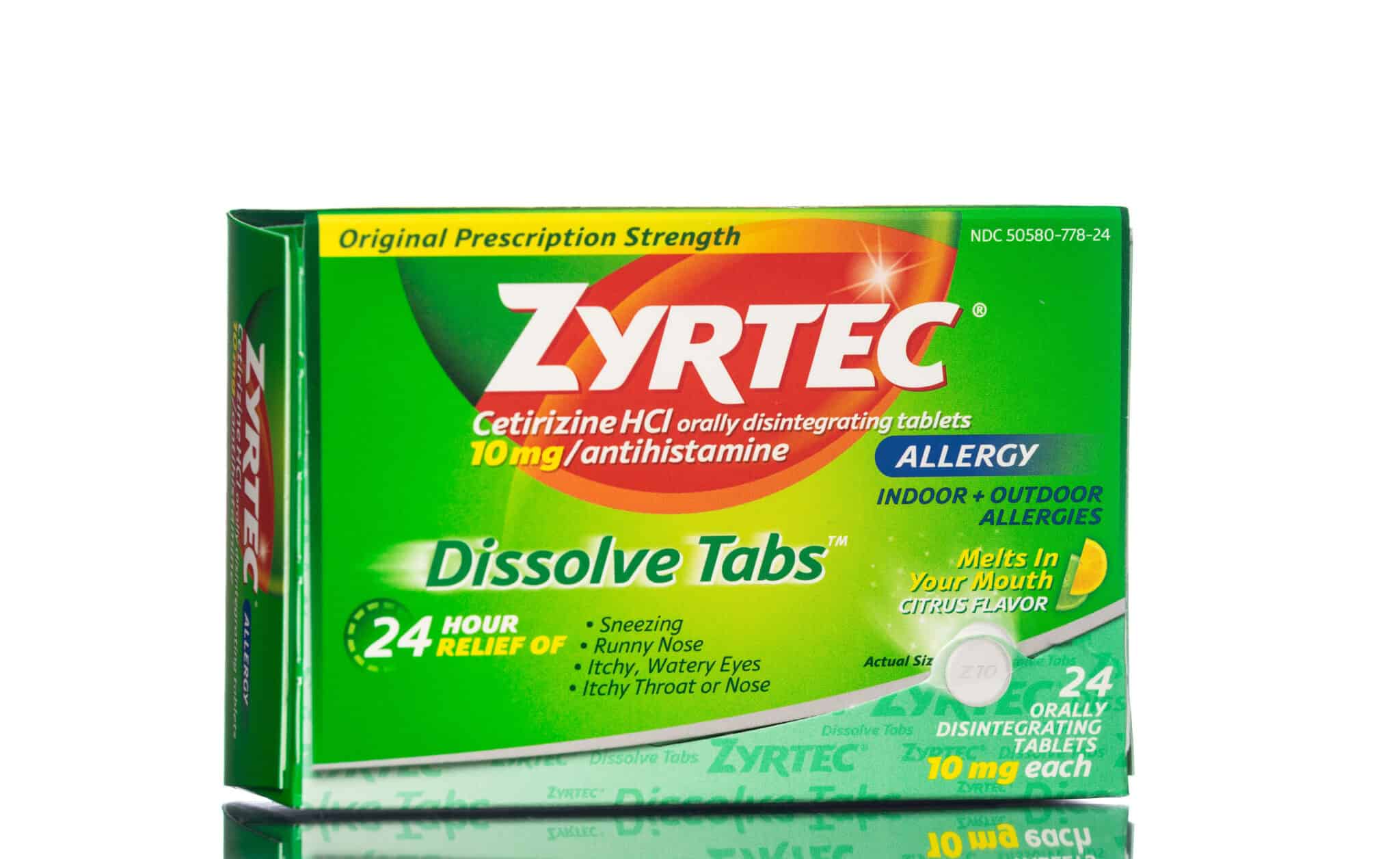
Understanding Zyrtec Use During Pregnancy: Safety and Medical Guidance
You can take Zyrtec (cetirizine) safely during pregnancy with doctor's guidance, as clinical studies generally categorize it as low-risk for the developing fetus. However, it is essential to consult your obstetrician or primary healthc...
You can take Zyrtec (cetirizine) safely during pregnancy with doctor's guidance, as clinical studies generally categorize it as low-risk for the developing fetus. However, it is essential to consult your obstetrician or primary healthcare provider before initiating or continuing any medication during pregnancy to ensure it aligns with your specific health profile and medical history.
Contents
Managing allergies while pregnant presents a unique challenge. You must balance the need for symptom relief—such as alleviating allergic rhinitis, sneezing, or itchy eyes—with the priority of ensuring the safety of your pregnancy. Zyrtec, a second-generation antihistamine, is frequently discussed in maternal health forums and clinical literature, but it is not a "one-size-fits-all" solution. This guide explains how to approach allergy management under professional supervision.
The Role of Cetirizine in Allergy Management
Zyrtec is the brand name for cetirizine hydrochloride. It belongs to a class of medications known as non-sedating or second-generation antihistamines. Its primary function is to block H1 receptors, which are responsible for the body’s inflammatory response to allergens like pollen, dust mites, and pet dander.
Unlike first-generation antihistamines, such as diphenhydramine (Benadryl), which often cause significant drowsiness and dry mouth, cetirizine is designed to have a more localized effect on the immune system with less central nervous system depression. For pregnant individuals, this distinction is vital. Fatigue and cognitive impairment are already common during pregnancy; adding a sedative medication can exacerbate these challenges, making non-sedating options like Zyrtec a preferred choice for many clinicians.
Assessing Safety: What Clinical Evidence Says
When researchers evaluate the safety of a drug during pregnancy, they look for evidence of teratogenicity—the ability of a substance to cause birth defects. Major studies and longitudinal data, including findings from the Organization of Teratology Information Specialists (OTIS), have examined the use of cetirizine.
The consensus among major medical organizations, such as the American College of Obstetricians and Gynecologists (ACOG), is that second-generation antihistamines, including cetirizine and loratadine (Claritin), are generally considered safe for use during pregnancy. There is no significant statistical evidence suggesting that standard therapeutic doses of cetirizine increase the risk of major malformations.
Factors Influencing Your Doctor's Guidance
Even though the general safety profile is positive, your doctor will perform a personalized risk-benefit analysis before recommending any medication. Several factors influence this decision:
- Gestational Age: Some medications are avoided during the first trimester, the critical period for organogenesis (organ formation). Your doctor may suggest waiting until the second trimester if your symptoms are mild.
- Medical History: If you have pre-existing conditions like hypertension or gestational diabetes, the potential interaction between medications and these conditions must be weighed.
- Symptom Severity: If your allergies are causing secondary issues—such as sinus infections, chronic sleep deprivation, or respiratory distress—the medical benefit of suppressing those symptoms may significantly outweigh any theoretical, unproven risks.
- Alternative Therapies: Your doctor may first suggest non-pharmacological interventions, such as saline nasal rinses, air purifiers, or allergen avoidance, before prescribing or approving Zyrtec.
Comparing Allergy Management Strategies
It is helpful to understand how Zyrtec fits into the broader spectrum of allergy treatments available to pregnant patients.
| Treatment Type | Examples | Considerations for Pregnancy |
|---|---|---|
| Environmental | HEPA filters, avoidance | Safest; no chemical exposure. |
| Saline Irrigation | Neti pots, saline spray | Non-medicated; safe for daily use. |
| 2nd Gen Antihistamines | Zyrtec, Claritin | Preferred medical option; talk to MD. |
| 1st Gen Antihistamines | Benadryl | Effective but can cause significant sedation. |
| Decongestants | Pseudoephedrine | Often avoided, especially in the 1st trimester. |
Important Precautions and "Must-Knows"
While you can take Zyrtec safely during pregnancy with doctor's guidance, you should never treat your allergy symptoms in a vacuum. Always disclose all over-the-counter (OTC) medications to your care team.
Why You Should Avoid Self-Prescribing
Some allergy medications are "multi-symptom" formulas. These often contain secondary ingredients like phenylephrine or pseudoephedrine, which act as decongestants. These substances work by narrowing blood vessels to reduce swelling in nasal passages. However, in some cases, they may also affect blood flow to the placenta or elevate maternal blood pressure. A plain tablet of Zyrtec may be safe, but a "Zyrtec-D" or "Allergy and Congestion" formula may contain active ingredients that your doctor would prefer you avoid.
Monitoring for Side Effects
Though Zyrtec is classified as "non-sedating," every individual reacts differently. During pregnancy, your metabolism changes, which can alter how your body processes medications. If you notice any unusual side effects, such as increased heart rate, significant dizziness, or skin rashes, stop the medication and contact your healthcare provider immediately.
Common Questions About Pregnancy and Allergy Relief
Is it safe to take Zyrtec throughout all three trimesters?
Most clinical guidance suggests that if your doctor has approved the medication, it can be used throughout pregnancy. However, the requirement for ongoing use should be re-evaluated at every prenatal visit, as your immune system—and therefore your allergy response—can fluctuate throughout gestation.
Does Zyrtec pass into breast milk?
Small amounts of cetirizine may pass into breast milk. While it is generally considered compatible with breastfeeding, you should discuss this with your pediatrician or obstetrician to ensure it is appropriate for your specific nursing situation, especially if the infant was born prematurely.
What should I do if I already took Zyrtec before confirming it with my doctor?
Do not panic. If you have already taken a dose or two, contact your obstetrician’s office. They can provide guidance on your specific dosage and monitor your progress. In most instances, an isolated incident of taking a standard dose is not cause for alarm.
Can I use Zyrtec nasal sprays instead of pills?
Zyrtec is primarily known as an oral tablet. Nasal sprays (like fluticasone) have a different absorption profile. Always clarify with your doctor whether you are using an oral antihistamine or a nasal corticosteroid, as the safety profiles for these are evaluated differently.
Are there natural alternatives that work just as well?
For mild symptoms, non-pharmacological interventions are highly recommended. These include using a humidifier, keeping windows closed during high-pollen seasons, and regular vacuuming. However, for moderate to severe allergies, these may not provide sufficient relief, which is why physician-guided medication becomes necessary.
Next Steps for Your Allergy Management
If you are suffering from allergy symptoms, your first step should be to maintain a symptom diary. Note when your symptoms are at their worst and what activities seem to trigger them. Bring this log to your next prenatal appointment.
Before purchasing medication, consult with your pharmacist or obstetrician regarding the exact formulation. Ensure you are buying the generic or brand name "Cetirizine" without added decongestants unless explicitly cleared by your provider. By taking a proactive, communicative approach, you can manage your allergies effectively while prioritizing the health and well-being of both you and your baby.
Image Gallery