Understanding the Function of an Egg Cell in Human Reproduction
The function of an egg cell, or ovum, is to provide one-half of the genetic material required to create a new individual while supplying the necessary cytoplasm, organelles, and nutrients to support early embryonic development followin...
The function of an egg cell, or ovum, is to provide one-half of the genetic material required to create a new individual while supplying the necessary cytoplasm, organelles, and nutrients to support early embryonic development following fertilization. It acts as a specialized, non-motile gamete designed to store developmental instructions and fuel the initial stages of life.
Contents
Biological Composition and Structural Significance
An egg cell is not merely a carrier of DNA; it is a highly specialized, large-volume cell engineered for the specific purpose of sustaining life before the embryo can implant in the uterine wall. In humans, the mature ovum is one of the largest cells in the body, which is necessary to accommodate the extensive amount of cytoplasm it contains.
The structure of the egg cell consists of several layers that protect the internal genetic material and facilitate successful fertilization:
- The Plasma Membrane: This is the outer boundary of the egg, which contains specific receptors that recognize and bind to the sperm cell.
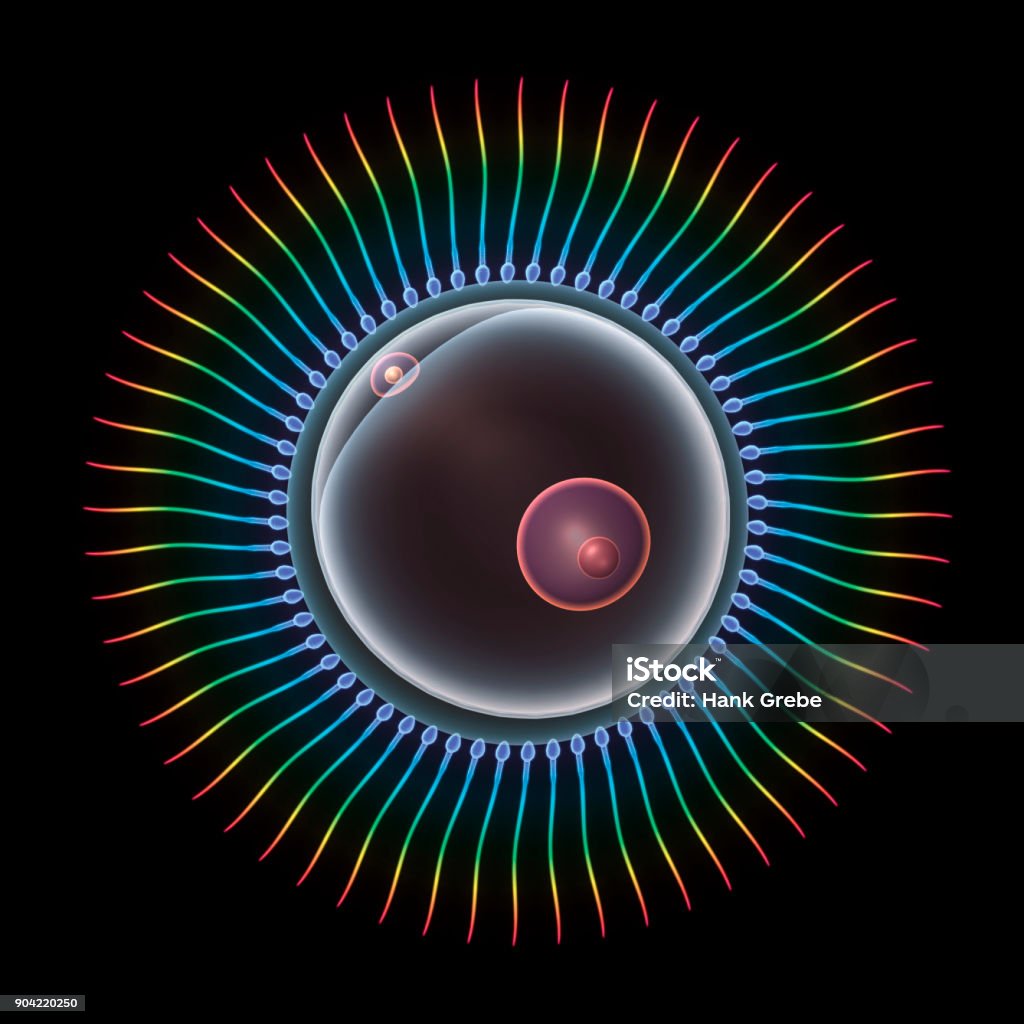
- The Zona Pellucida: A thick, transparent glycoprotein shell that surrounds the plasma membrane. Its primary role is to serve as a physical barrier that prevents polyspermy—the fertilization of an egg by more than one sperm—which would result in non-viable genetic configurations.
- The Corona Radiata: A layer of follicular cells that protects the egg as it travels through the fallopian tube. It also provides chemical signaling that helps guide sperm toward the egg.
- Cytoplasm and Organelles: Unlike sperm, which shed most of their cytoplasm to prioritize motility, the egg retains its cytoplasm to provide mitochondria and ribosomes, which are essential for the energy-intensive process of cell division (cleavage) after conception.
The Genetic Contribution to Life
The central function of the egg cell in reproduction is the delivery of the maternal genome. A mature human egg cell is haploid, meaning it contains 23 chromosomes. When this merges with the 23 chromosomes provided by the sperm, the resulting zygote contains the full 46 chromosomes necessary for human development.
Beyond the nucleus, the egg provides the mitochondrial DNA (mtDNA) for the offspring. While sperm contribute nuclear DNA, the mitochondria—the powerhouses of the cell—are inherited exclusively from the egg. This maternal inheritance is a fundamental aspect of human biology, as these organelles provide the metabolic energy required for the zygote to begin the rapid sequence of divisions known as mitosis.
The Fertilization Process: Bridging Two Worlds
The journey from ovulation to the formation of a zygote is a complex biological sequence. Once the ovary releases the mature egg into the fallopian tube, it remains viable for fertilization for a relatively short window, typically 12 to 24 hours.
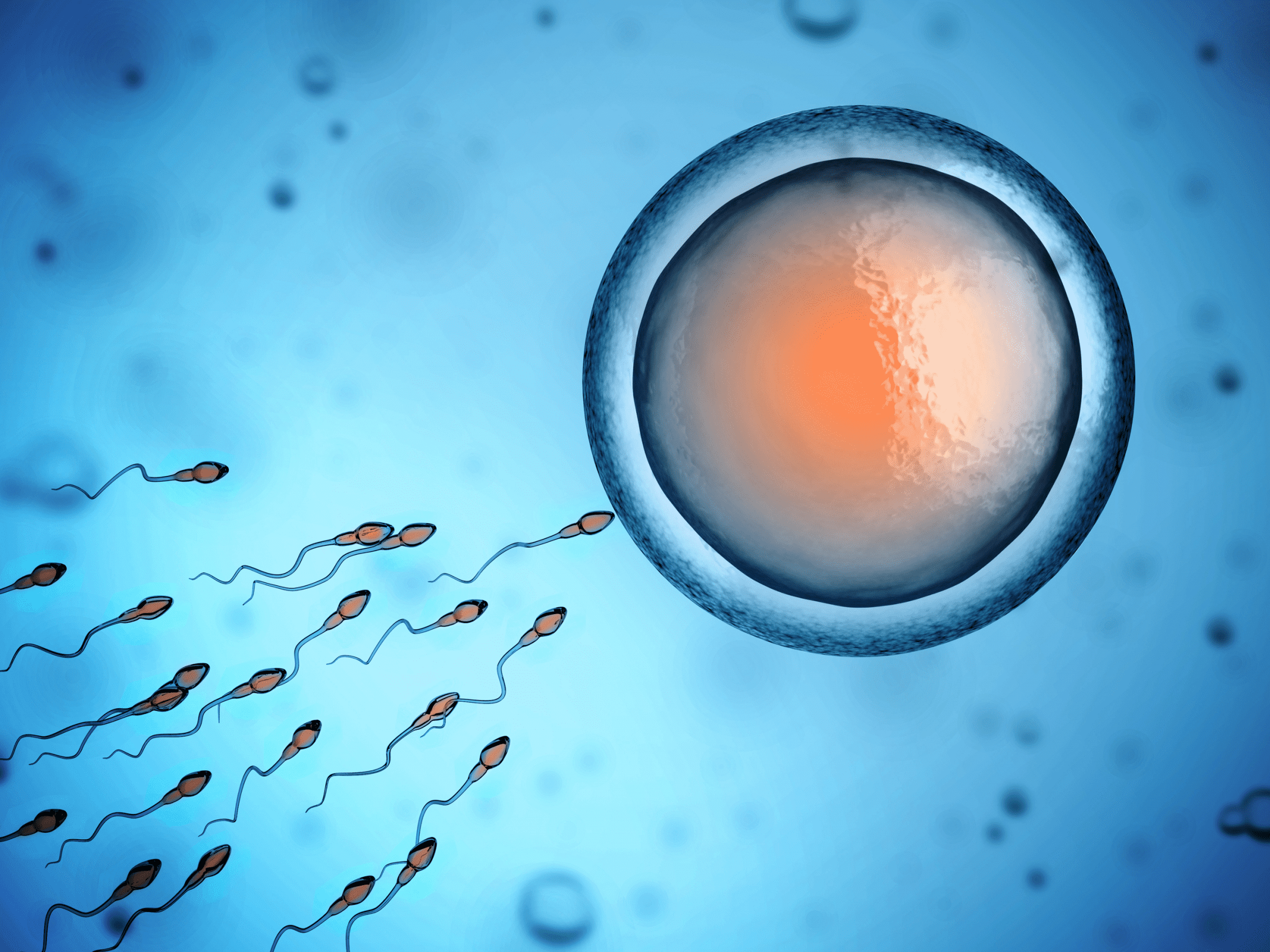
When a sperm cell successfully penetrates the corona radiata and binds to the zona pellucida, the egg cell triggers a chemical response known as the "cortical reaction." During this event, cortical granules beneath the egg's surface release enzymes that chemically modify the zona pellucida, making it impenetrable to other sperm. This ensures that the genetic integrity of the future embryo is maintained. Once this seal is formed, the nuclei of the sperm and the egg fuse, completing the process of syngamy and initiating the development of the zygote.
Comparative Biological Roles in Reproduction
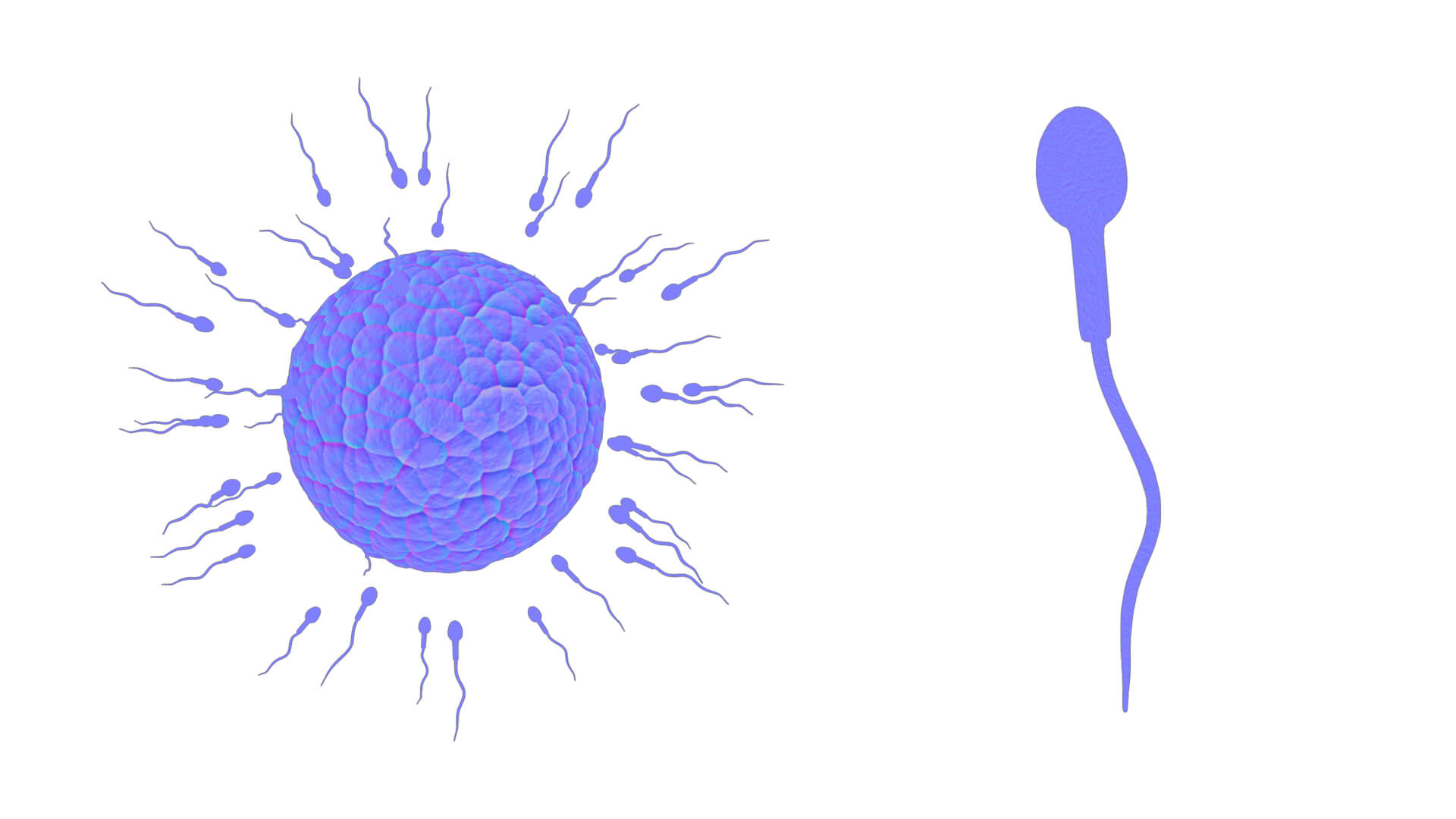
To understand the function of an egg cell, it is helpful to compare it to the sperm cell. While the egg is designed for stability, resource storage, and chemical signaling, the sperm is designed for navigation, motility, and the delivery of paternal genetic information.
| Feature | Egg Cell (Ovum) | Sperm Cell (Spermatozoon) |
|---|---|---|
| Size | Large (visible to the naked eye) | Extremely small |
| Motility | Non-motile | Highly motile (flagellated) |
| Primary Goal | Nutrient and organelle supply | Delivery of paternal DNA |
| Genetic Contribution | 23 chromosomes + mtDNA | 23 chromosomes |
| Lifespan post-ovulation | 12–24 hours | 3–5 days (in ideal conditions) |
Developmental Requirements and Challenges
The egg cell does not function in a vacuum; its effectiveness is dependent on the quality of its development, a process called oogenesis. Unlike the continuous production of sperm in males, human females are born with a finite pool of primary oocytes. These cells remain in a state of suspended animation until puberty, when hormonal cycles trigger their maturation.
Issues such as age-related decline in egg quality can impact the egg's ability to undergo meiosis properly, which may lead to chromosomal abnormalities in the resulting embryo. When medical professionals assess reproductive health, they look at "ovarian reserve," which is a clinical estimation of the remaining number and quality of these eggs. Factors affecting this include genetic predisposition, exposure to environmental toxins, and systemic health conditions.
FAQ: Common Questions Regarding Egg Cell Function
How long does an egg cell survive after ovulation? An egg cell is viable for fertilization for approximately 12 to 24 hours after it is released from the ovary. If fertilization does not occur within this timeframe, the egg begins to degenerate and is eventually reabsorbed by the body or shed during the next menstrual cycle.
Why does the egg provide all the mitochondria? The sperm cell sheds its mitochondria during the fertilization process to minimize weight and prioritize movement. Therefore, the egg must provide all the initial metabolic machinery needed for the zygote to thrive during its first few days of division.
What is the Zona Pellucida's exact role in fertilization? The zona pellucida serves as a security gate. It contains specific proteins that allow only the correct species' sperm to bind, and it undergoes a physical change immediately after the first sperm enters, preventing additional sperm from entering.
Can an egg be fertilized after it has started to degenerate? Generally, no. As an egg ages, its internal machinery—including its organelles and the integrity of its genetic material—begins to break down. Fertilization requires a high degree of structural and chemical health to ensure the resulting embryo has the resources to implant.
What happens to the egg if it is not fertilized? If fertilization does not occur, the egg, along with the thickened lining of the uterus (the endometrium), is shed from the body through the process of menstruation. This signifies the completion of one cycle of the reproductive system.
Clinical Considerations and Next Steps
In the context of reproductive medicine, understanding the function of the egg is central to interventions such as In Vitro Fertilization (IVF) or egg freezing. These procedures rely on the precise timing of hormone administration to maximize the retrieval of healthy, mature eggs.
If you are seeking information regarding personal fertility, it is recommended that you consult with a reproductive endocrinologist. These specialists can perform blood tests and ultrasound assessments to determine the current status of your ovarian reserve. Because reproductive health is highly individualized, clinical guidance remains the only way to obtain a personalized prognosis based on your unique physiological profile.
Image Gallery