Understanding Feel Free Drink News: Regulatory Status and Safety Considerations
Feel Free, a wellness beverage manufactured by Botanic Tonics, has become a focal point of intense regulatory scrutiny, consumer advocacy, and legal discourse as of 2026. Marketed primarily as a Kava-based botanical supplement intended...
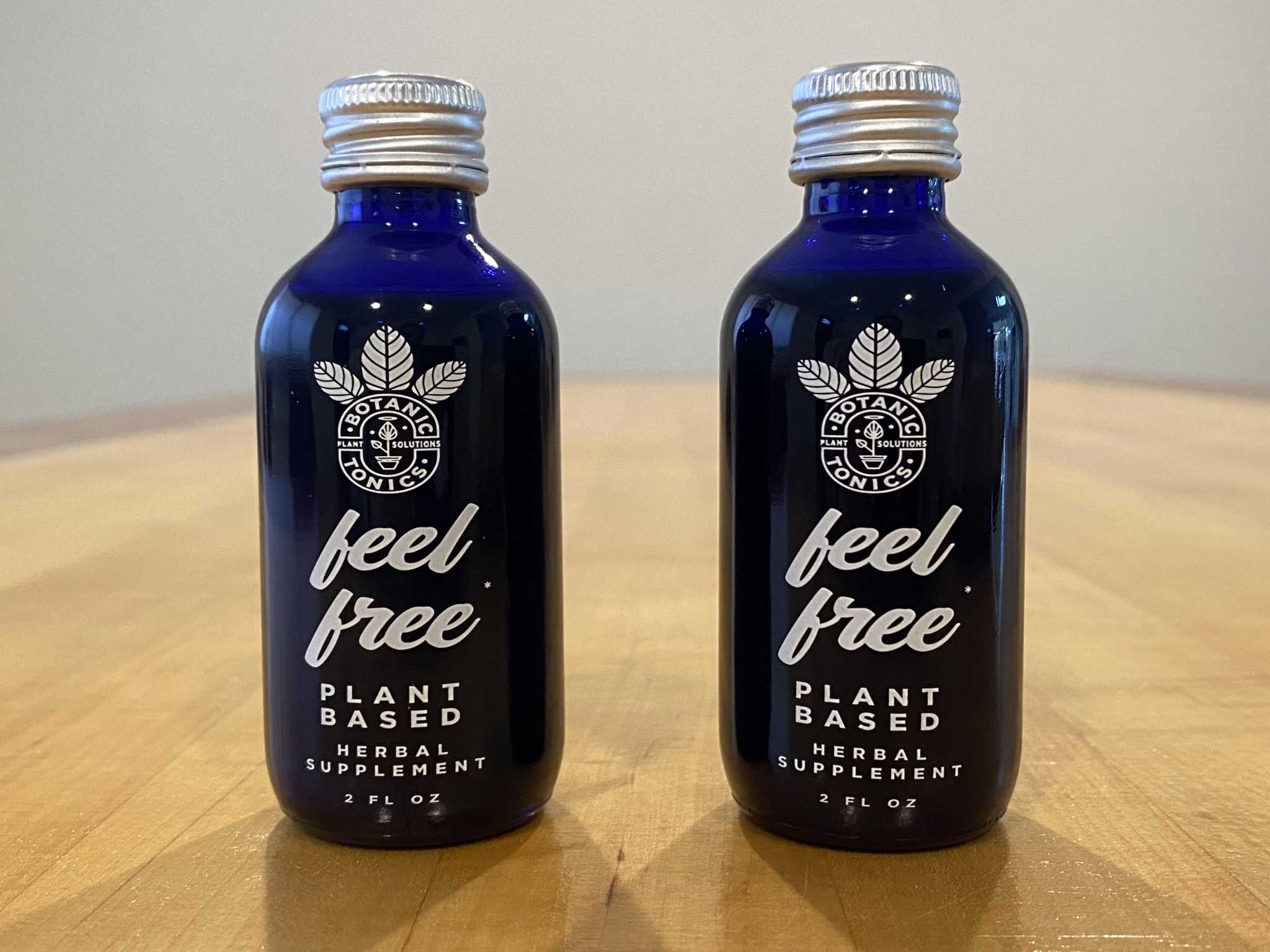
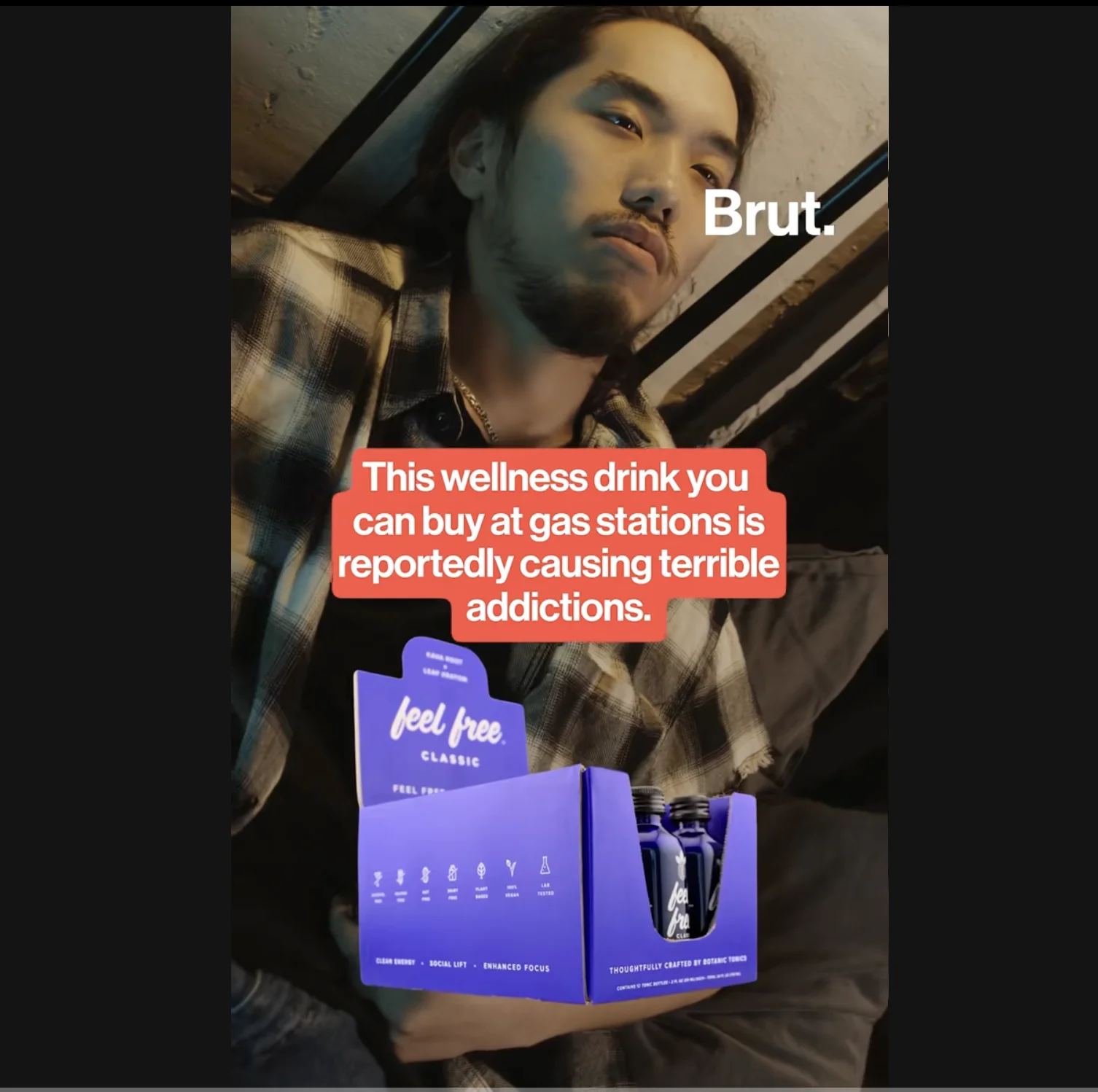
Feel Free, a wellness beverage manufactured by Botanic Tonics, has become a focal point of intense regulatory scrutiny, consumer advocacy, and legal discourse as of 2026. Marketed primarily as a Kava-based botanical supplement intended to provide mood elevation and focus, the drink has faced significant criticism regarding its labeling, potential for dependency, and the lack of transparent disclosure regarding its active ingredients—most notably mitragynine, an alkaloid derived from the kratom plant. For consumers and industry observers, "Feel Free drink news" typically refers to the evolving landscape of litigation, product safety warnings, and the regulatory status of the ingredients contained within the product.
Contents
The Composition and Marketing of Feel Free
To understand the current discourse surrounding Feel Free, one must first identify the product’s intended use and its constituent parts. Botanic Tonics positions the drink as a plant-based alternative to alcohol, designed to help users "feel free" from stress and fatigue. The core ingredients traditionally listed in such formulations include Kava root extract, which is widely recognized for its sedative and anxiolytic properties.
However, the primary point of contention in recent years involves the presence of kratom (Mitragyna speciosa). Kratom is a tropical evergreen tree in the coffee family, native to Southeast Asia. While legal in several jurisdictions, it remains unregulated at the federal level in the United States and has been subject to various state-level bans or restrictions. Critics and legal complainants have argued that the manufacturer’s marketing failed to adequately inform consumers that the drink contained a potent psychoactive compound, leading to instances of unintended physical dependence.
Regulatory and Legal Landscape in 2026
As of 2026, the regulatory environment for botanical supplements like Feel Free remains fragmented. The U.S. Food and Drug Administration (FDA) continues to warn consumers about the risks associated with kratom, including the potential for abuse, addiction, and serious health consequences such as respiratory depression and liver toxicity. Because Feel Free is categorized as a dietary supplement, it is not subjected to the same rigorous clinical trial requirements as pharmaceutical drugs.
Legal developments have significantly shaped the "news" surrounding this product. Multiple class-action lawsuits have been filed against Botanic Tonics, alleging deceptive marketing practices. Plaintiffs in these cases frequently claim that the company failed to provide adequate warning about the addictive potential of the drink. These legal battles serve as a primary driver for the ongoing news coverage, as court filings often reveal internal company communications and consumer complaint statistics that were previously unavailable to the public.
Identifying Potential Risks and Safety Concerns
For individuals concerned about the safety profile of Feel Free, it is essential to consult medical literature regarding the specific alkaloids found in kratom. Mitragynine acts on opioid receptors in the brain, which is the primary reason it can cause both mood-enhancing effects and physical dependence. Unlike coffee, which is a stimulant, kratom’s effects are dose-dependent, acting as a stimulant at lower doses and a sedative at higher doses.
Comparison of Typical Botanical Beverage Risks
The following table outlines the key areas of concern frequently discussed in safety reports and consumer alerts regarding drinks containing kratom or Kava.
| Risk Category | Potential Impact | Regulatory/Safety Context |
|---|---|---|
| Dependency | Risk of withdrawal symptoms | Kratom alkaloids interact with opioid receptors. |
| Liver Health | Potential for hepatotoxicity | Kava, if not properly processed, may stress the liver. |
| Ingredient Labeling | Misleading concentration | Lack of clear alkaloid content disclosure on labels. |
| Drug Interactions | Altered medication metabolism | May interact with CNS depressants or alcohol. |
Practical Guidance for Consumers
If you are currently consuming Feel Free or considering doing so, experts in toxicology and addiction medicine recommend several precautionary steps. First, treat the product as a pharmacologically active substance rather than a simple health tonic. Second, verify the specific batch or formulation, as supplement manufacturers sometimes reformulate products in response to legal or regulatory pressure.
If you suspect you have developed a dependency or are experiencing adverse health effects, it is imperative to seek professional medical advice. Abrupt cessation of substances acting on the opioid system can lead to withdrawal symptoms, which are best managed under the supervision of a healthcare provider. Do not rely on marketing materials for health safety information; instead, check resources from the FDA or the National Institutes of Health (NIH) for the latest advisories on kratom-containing products.
The Role of Transparency in the Supplement Industry
The controversy surrounding Feel Free has reignited a broader conversation about the transparency of the "functional beverage" industry. In 2026, consumer advocacy groups are pushing for stricter labeling requirements that demand disclosure of the concentration of specific alkaloids in supplements. Currently, "proprietary blends" allow companies to group ingredients without specifying the exact quantity of each, which obscures the potential dose of active components like mitragynine.
For the industry, this means an impending shift toward higher standards of evidence. Companies that fail to provide third-party lab results or clear warnings regarding potential side effects face increasing risk of litigation and market exclusion from major retail partners. Consumers should look for products that provide Certificates of Analysis (COA) from independent testing laboratories, which verify the purity and content of the supplement.
Frequently Asked Questions
Is Feel Free FDA approved? No. Feel Free is sold as a dietary supplement. The FDA does not review or approve dietary supplements for safety or efficacy before they are marketed to the public.
What is the active ingredient in Feel Free that causes concern? The primary ingredient causing regulatory and health concern is kratom, specifically the alkaloid mitragynine. It is known to have psychoactive effects and a potential for dependency similar to opioids.
Where can I find updates on Feel Free class-action lawsuits? Updates on active litigation can be found through legal news aggregators, court record databases, and the websites of law firms specializing in consumer protection and class-action litigation.
Can I mix Feel Free with alcohol? Medical professionals strongly advise against mixing kratom-containing beverages with alcohol. Both substances can act as central nervous system depressants, increasing the risk of respiratory distress, severe sedation, and other dangerous interactions.
How do I report an adverse reaction to this drink? Adverse events related to dietary supplements can be reported to the FDA’s MedWatch program. This data is essential for regulators to track patterns of injury and determine if a product recall or stronger warning is necessary.
Next Steps for Informed Decision Making
To protect your health, prioritize objective information over brand-sponsored marketing. Before consuming any beverage marketed as a mood-enhancer or focus-aid, perform an independent search for the specific ingredients on the U.S. National Library of Medicine’s PubMed database. If you have a history of substance sensitivity or are taking other medications, consult with your primary care physician or a pharmacist before introducing these products into your routine. Always check the official FDA website for the most recent safety alerts regarding kratom and similar botanical supplements.
Image Gallery