Understanding Fellatio and Health Risks: Prevention, STIs, and Safety in 2026
Fellatio carries a lower risk for HIV transmission than unprotected anal or vaginal intercourse, but it remains a significant pathway for various sexually transmitted infections (STIs). While often perceived as "safe sex," bacterial an...
Fellatio carries a lower risk for HIV transmission than unprotected anal or vaginal intercourse, but it remains a significant pathway for various sexually transmitted infections (STIs). While often perceived as "safe sex," bacterial and viral pathogens can easily transition between the genitals and the oropharynx, leading to throat infections, systemic illness, or long-term oncological risks.
Contents
The Spectrum of STI Risks Associated with Fellatio
In the landscape of sexual health in 2026, the clinical understanding of oral-genital transmission has evolved to prioritize pharyngeal (throat) health. Many individuals mistakenly believe that if they do not experience "traditional" STI symptoms—such as discharge or painful urination—they are uninfected. However, the mouth and throat act as a reservoir for several pathogens that can be transmitted through fellatio.
Pharyngeal Gonorrhea and Chlamydia
Gonorrhea (Neisseria gonorrhoeae) and chlamydia (Chlamydia trachomatis) are among the most common bacterial infections transmitted via oral sex. When a person performs fellatio on a partner with a penile infection, the bacteria can colonize the mucous membranes of the throat.
Pharyngeal gonorrhea is particularly concerning for two reasons. First, it is often asymptomatic; individuals may carry the bacteria for weeks or months without a sore throat or inflammation. Second, the throat is a "mixing bowl" for bacteria, and 2026 health data indicates that pharyngeal gonorrhea is a primary site for the development of antibiotic resistance. The bacteria in the throat can exchange genetic material with other naturally occurring Neisseria species, making it harder to treat with standard frontline medications like ceftriaxone.
Syphilis and Oral Chancres
Syphilis, caused by the bacterium Treponema pallidum, has seen a resurgence in recent years. During fellatio, syphilis can be transmitted through direct contact with a syphilitic sore (chancre) on the penis or through contact with infectious bodily fluids. Conversely, a person with an oral syphilitic sore can transmit the infection to their partner's genitals.
A primary syphilis chancre in the oral cavity may appear on the lips, tongue, or tonsillar area. These sores are typically painless and firm, which often leads individuals to mistake them for common canker sores or minor irritations. If left untreated, syphilis progresses to secondary and tertiary stages, which can cause systemic organ damage and neurological issues.
Viral Pathogens: Herpes and HPV
While bacterial infections are often curable with antibiotics, viral infections transmitted through fellatio can have long-lasting or permanent health implications.
Herpes Simplex Virus (HSV-1 and HSV-2)
The distinction between "oral herpes" (cold sores) and "genital herpes" has become increasingly blurred. HSV-1, traditionally associated with the mouth, is now a leading cause of new genital herpes cases, often transmitted through oral sex. Similarly, HSV-2 can be transmitted to the mouth during fellatio, though it is less common.
Transmission can occur even when no visible sores are present through a process called viral shedding. However, the risk is highest when a lesion is active. In 2026, suppressive antiviral therapy remains the standard for managing outbreaks and reducing the risk of transmission to partners.
Human Papillomavirus (HPV) and Oropharyngeal Cancer
The link between fellatio and oropharyngeal (throat) cancer is one of the most critical health risks to understand. Certain high-risk strains of HPV, specifically HPV-16 and HPV-18, can be transmitted to the throat during oral sex.
While the body clears most HPV infections naturally, persistent high-risk infections can cause cellular changes over several decades, leading to cancers of the base of the tongue and tonsils. Clinical data highlights that HPV-related throat cancers have surpassed cervical cancer in some demographics. The most effective prevention remains the HPV vaccine, which is ideally administered before sexual debut but is increasingly recommended for adults up to age 45.
Assessing HIV Transmission Risks
The risk of HIV transmission through fellatio is statistically very low, but it is not zero. For transmission to occur, there must be a significant viral load in the semen or pre-seminal fluid and a point of entry in the mouth or throat of the person performing the act.
Factors that increase the risk of HIV transmission during fellatio include:
- Oral health issues: Bleeding gums, canker sores, or recent dental work provide direct access to the bloodstream.
- High viral load: If the partner with the penis is in the acute stage of HIV infection or is not on effective Antiretroviral Therapy (ART), the concentration of the virus is higher.
- Presence of other STIs: If either partner has another STI, such as syphilis or gonorrhea, the localized inflammation recruits immune cells that HIV targets, making transmission more likely.
It is important to note that "Undetectable = Untransmittable" (U=U) applies here. If the partner with HIV is on ART and has an undetectable viral load, the risk of transmitting the virus through fellatio is effectively non-existent.
Comparing Risks and Transmission Likelihood
The following table summarizes the relative risk levels for various infections during fellatio, assuming no barrier (condom) is used.
| Pathogen | Transmission Risk | Primary Site of Infection | Common Symptoms |
|---|---|---|---|
| Gonorrhea | High | Throat (Pharynx) | Often none; sore throat, redness. |
| Chlamydia | Moderate | Throat (Pharynx) | Usually asymptomatic. |
| Syphilis | Moderate/High | Lips, Tongue, Tonsils | Painless sores (chancres), rash. |
| HSV-1 / HSV-2 | High | Mouth, Lips, Throat | Blisters, cold sores, tingling. |
| HPV | High | Oropharynx | Often none; persistent sore throat. |
| HIV | Extremely Low | Systemic (Blood) | Flu-like symptoms (acute phase). |
| Hepatitis A | Low | Liver (Systemic) | Jaundice, fatigue, dark urine. |
Risk Reduction and Prevention Strategies
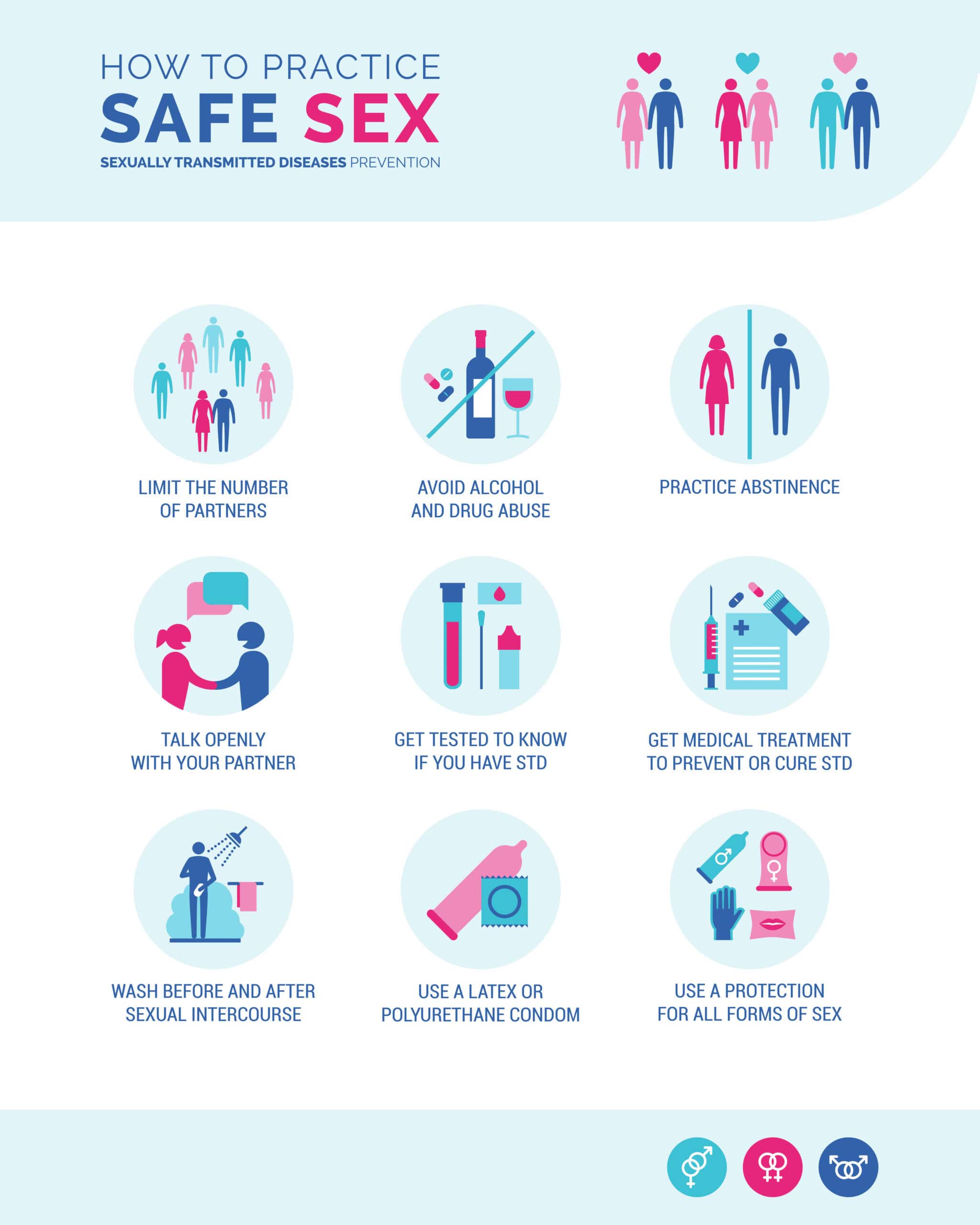
Reducing the health risks associated with fellatio involves a combination of barrier methods, vaccination, and proactive medical screening.
Barrier Methods: The Use of Condoms
Using a condom during fellatio is the most effective way to prevent the transmission of bacterial STIs and HIV. While many people find the taste or texture of standard latex condoms unappealing for oral sex, flavored non-latex or specialized ultra-thin condoms are widely available in 2026 to improve the experience. Condoms provide a physical barrier that prevents the exchange of fluids and limits skin-to-skin contact, which also reduces the risk of syphilis and herpes transmission.
The Role of Doxy-PEP
A significant development in sexual health is the use of Doxycycline Post-Exposure Prophylaxis (Doxy-PEP). Clinical guidelines in 2026 support the use of a single 200mg dose of doxycycline within 72 hours after unprotected sexual contact, including fellatio, to significantly reduce the risk of contracting syphilis, chlamydia, and gonorrhea. This is particularly recommended for individuals in high-prevalence communities or those with multiple partners.
Specialized Screening and Testing
Standard STI testing often involves only a urine sample or a blood draw. However, these methods will not detect pharyngeal gonorrhea or chlamydia. If you engage in fellatio, it is essential to request a "triple-site" screen, which includes a throat swab, a rectal swab (if applicable), and a urine test. Healthcare providers do not always offer the throat swab automatically, so patients must be specific about their sexual practices to ensure accurate diagnosis.
Vaccination
Vaccination is the primary defense against HPV and Hepatitis B. As of 2026, the 9-valent HPV vaccine is the gold standard for preventing the strains responsible for the majority of oropharyngeal cancers. Even if you have already been sexually active, you may still benefit from the vaccine to protect against strains you have not yet encountered.
Frequently Asked Questions
Can I get an STI from oral sex if my partner has no symptoms?
Yes. Many STIs, particularly pharyngeal gonorrhea and chlamydia, are asymptomatic in the throat. Additionally, viruses like HSV and HPV can shed from the skin or mucous membranes even when no visible sores or warts are present. Regular testing is the only way to confirm your status.
Is it safe to use mouthwash after performing fellatio to kill bacteria?
There is conflicting evidence regarding mouthwash. While some studies have suggested that high-alcohol mouthwash might reduce the concentration of certain bacteria, other research indicates that the irritation caused by harsh mouthwash might actually create micro-tears in the oral tissue, potentially increasing the risk of viral entry, including HIV. It should not be relied upon as a primary prevention method.
Does the risk of fellatio change if I don't swallow?
While avoiding the ingestion of semen may slightly reduce the risk of some infections (like Hepatitis A), most pathogens like gonorrhea, chlamydia, and syphilis infect the mucous membranes of the mouth and throat upon contact. The act of fellatio itself, regardless of whether ejaculation occurs or where it occurs, carries the primary risk.
How often should I be tested if I frequently perform oral sex?
If you have new or multiple partners, a comprehensive screening every 3 to 6 months is recommended. Ensure that you specifically request pharyngeal (throat) swabs, as these are not included in standard urine-based STI panels.
Can I get throat cancer from giving oral sex?
Yes, fellatio is a known transmission route for high-risk HPV strains (such as HPV-16). Persistent infection with these strains can lead to oropharyngeal cancer. Vaccination and limiting the number of partners can reduce this risk, though there is currently no routine "screening" for HPV in the throat like there is for the cervix.
Practical Recommendations
To maintain optimal sexual health while engaging in fellatio, follow these actionable steps:
- Communicate and Vaccinate: Discuss STI status with partners and ensure you are up to date on your HPV and Hepatitis B vaccinations.
- Use Barriers: Utilize condoms, especially with new or casual partners, to block fluid exchange and skin contact.
- Request Specific Tests: When visiting a clinic, explicitly ask for a throat swab (pharyngeal NAT/PCR) for gonorrhea and chlamydia.
- Monitor Oral Health: Avoid performing fellatio if you have active cuts, bleeding gums, or mouth sores, as these significantly increase the risk of systemic infection.
- Consider Doxy-PEP: If you have had an encounter where a barrier was not used, consult a healthcare provider within 72 hours to discuss post-exposure prophylaxis for bacterial STIs.
Image Gallery