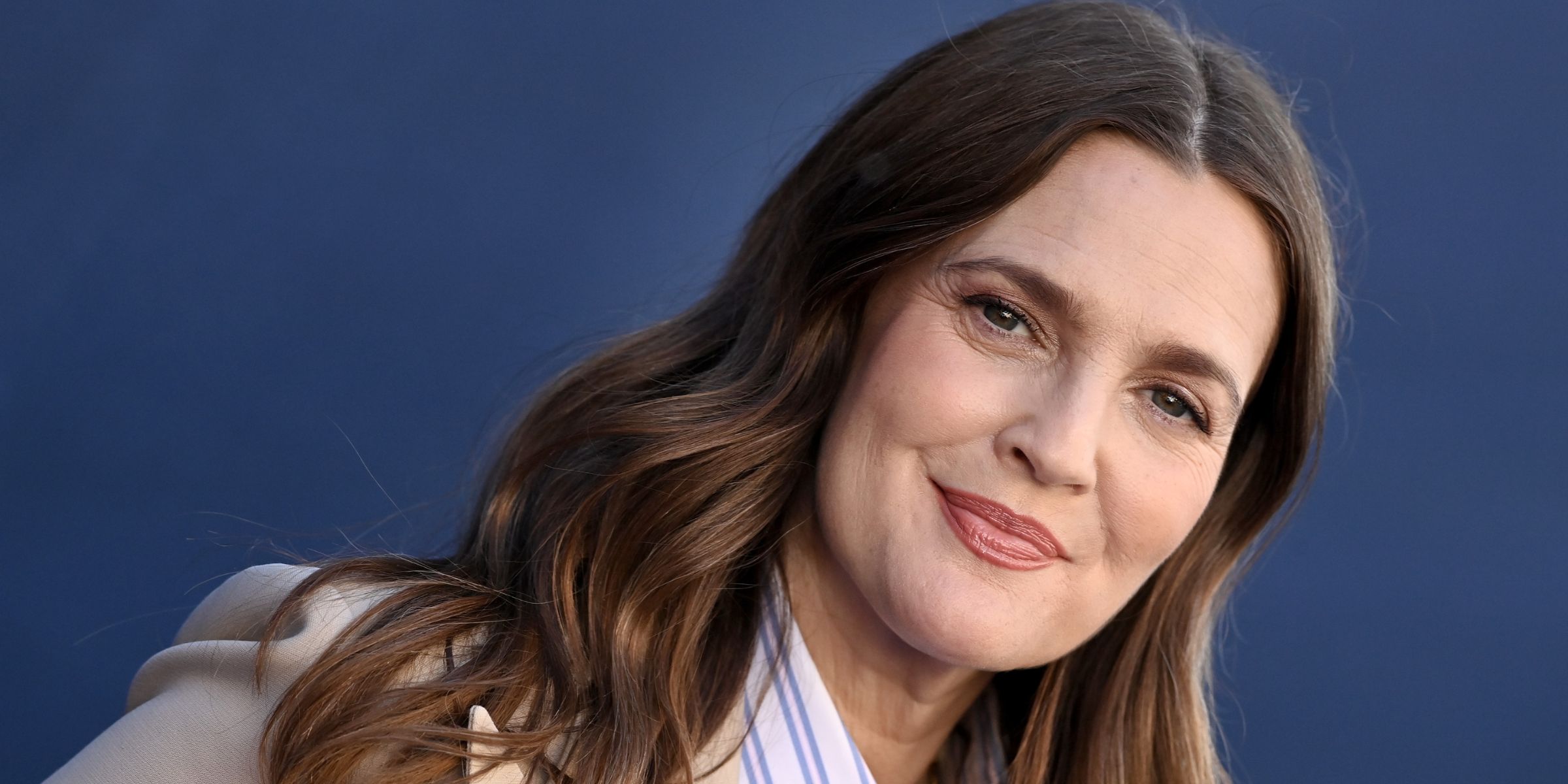
Identifying a Drew Barrymore Look Alike Actress: Doppelgängers, Casting Dynamics, and Celebrity Resemblances
The phenomenon of a Drew Barrymore look alike actress centers on performers who share distinct facial architecture with the iconic star of E.T., Scream, and The Wedding Singer, often leading to casting comparisons, viral internet momen...
The phenomenon of a Drew Barrymore look alike actress centers on performers who share distinct facial architecture with the iconic star of E.T., Scream, and The Wedding Singer, often leading to casting comparisons, viral internet moments, and unique professional opportunities in the entertainment industry.
Contents
The Genetics of Facial Resemblance in Hollywood
Facial resemblance in the entertainment industry is a fascinating intersection of genetics, perception, and media framing. When audiences or casting directors search for a Drew Barrymore look alike actress, they are typically responding to a specific constellation of facial features that defined Barrymore’s breakthrough eras and enduring cinematic presence.
Barrymore’s facial structure is characterized by several distinctive markers:
- A round-to-heart-shaped face with soft, expressive contours.
- Wide-set, luminous eyes that frequently convey a blend of vulnerability and comedic timing.
- A prominent, charming smile accompanied by signature laugh lines and expressive cheekbones.
- Historically versatile hair styling, ranging from her natural golden blonde to signature auburn and dark tones that drastically shift her perceived resemblance to other stars.
In casting and pop culture, these specific markers create a visual category. While true genetic doppelgängers are rare outside of familial relationships, professional look-alikes often leverage makeup, lighting, and hair styling to accentuate these structural similarities.
How Casting Directors and Media Evaluate Look-Alikes
The concept of a celebrity look-alike extends far beyond casual internet forums and social media side-by-side comparisons. Within the professional spheres of casting, advertising, and parody production, recognizing a visual parallel to a major star like Drew Barrymore serves specific commercial and artistic functions.
1. Commercial Doubling and Stunt Work
Major motion pictures and television productions occasionally utilize look-alikes or scale doubles for background work, non-speaking continuity shots, or complex scheduling configurations. While high-profile actors typically use dedicated stunt doubles for physical action sequences, standard look-alikes may be called upon for distant profile shots or over-the-shoulder framing when the principal actor is unavailable.
2. Parody, Tribute, and Independent Media
Independent filmmakers, sketch comedy shows, and biographical or retrospective projects frequently search for performers who can evoke the likeness of a recognizable icon without the prohibitive costs or availability constraints of securing the original talent. A proficient actress who channels Barrymore’s distinct vocal cadence alongside her visual aesthetic brings immediate nostalgic value to a production.
3. Viral Culture and Social Media Recognition
In the digital landscape, resemblance is currency. Actresses, models, and content creators who naturally bear a striking similarity to Barrymore frequently experience surges in visibility on platforms like TikTok and Instagram. This digital interest occasionally translates into mainstream acting opportunities, brand partnerships, or invitations to professional tribute events.
Comparing Celebrity Resemblances: Characteristics and Contexts
To understand how a DrewBarrymore look-alike functions within the broader ecosystem of celebrity look-alikes, it helps to examine how different types of resemblances are categorized and utilized in media.
| Resemblance Category | Primary Driver | Industry Application | Limitations |
|---|---|---|---|
| Direct Genetic/Family | Shared DNA (e.g., celebrity siblings or children) | Biographical casting, family-centric roles | Strict age and availability constraints |
| Structural Doppelgänger | Coincidental bone structure and facial geometry | Commercial doubling, background casting, tribute acts | Varying vocal and behavioral alignment |
| Stylistic Look-Alike | Hair, makeup, fashion emulation, and lighting | Social media content, cosplay, parody performances | Dependent on external styling to maintain illusion |
| Era-Specific Resemblance | Alignment with a specific vintage look (e.g., 90s grunge era Barrymore) | Period pieces, nostalgic marketing campaigns | Limited flexibility outside the designated aesthetic era |
Evaluating the Challenges of Being a Look-Alike Actress
While sharing a striking resemblance to a beloved celebrity can open initial doors, professional actresses who navigate the "look-alike" label often face distinct career hurdles.
Breaking Typecasting Constraints
The primary challenge for any actress categorized as a look-alike is establishing an independent professional identity. Casting directors risk framing a performer as a novelty rather than a versatile dramatic or comedic talent. To overcome this, successful look-alikes must actively cultivate distinct acting styles, vocal techniques, and character ranges that separate their personal craft from the persona of the star they resemble.
The Evolution of the Celebrity's Image
A celebrity's look evolves significantly over decades in the public eye. Drew Barrymore’s aesthetic journey spans from her childhood stardom in the early 1980s, through her rebellious 90s grunge and romantic comedy eras, to her mature talk show host and wellness entrepreneur persona. Consequently, a look-alike actress must decide which specific era of Barrymore's career her natural features and styling best evoke, as trying to mirror every phase simultaneously is rarely convincing.
Frequently Asked Questions
Are there official agencies for celebrity look-alikes?
Yes, several talent and modeling agencies specialize in representing professional look-alikes. These agencies handle bookings for corporate events, look-alike conventions, commercial advertising, and film background work where a recognizable celebrity aesthetic is required.
How do casting directors verify if an actress is a genuine look-alike?
Casting directors rely on comprehensive composite cards (comp cards), unedited digital headshots taken from multiple angles, video reels demonstrating natural movement and vocal delivery, and occasional in-person or virtual screen tests under professional lighting.
Can a look-alike actress legally star in unauthorized biographical films?
While physical resemblance is not legally protectable under standard copyright law, unauthorized biographical projects or commercial endorsements that misrepresent an actress as the actual celebrity can trigger legal challenges regarding right of publicity, trademark infringement, and false advertising.
Do look-alike actresses require specialized makeup to maintain their resemblance?
Many performers use targeted contouring, eyebrow shaping, and hairstyling to enhance their natural bone structure, aligning it more closely with the specific celebrity's iconic look for auditions or performances.
How has social media changed the market for celebrity look-alikes?
Digital platforms have democratized visibility. Instead of relying solely on specialized talent agencies, look-alike performers can now build independent audiences globally, attracting direct inquiries from independent casting directors, brands, and digital media producers.
Practical Next Steps for Exploring Celebrity Casting and Resemblances
For those researching the dynamics of celebrity look-alikes, casting protocols, or looking to engage with professional talent agencies, ensure that all inquiries adhere to industry standard licensing, correct right-of-publicity guidelines, and verified agency representations. Always verify credentials through recognized talent directories and legal counsel when commissioning likeness-based media productions.
Image Gallery