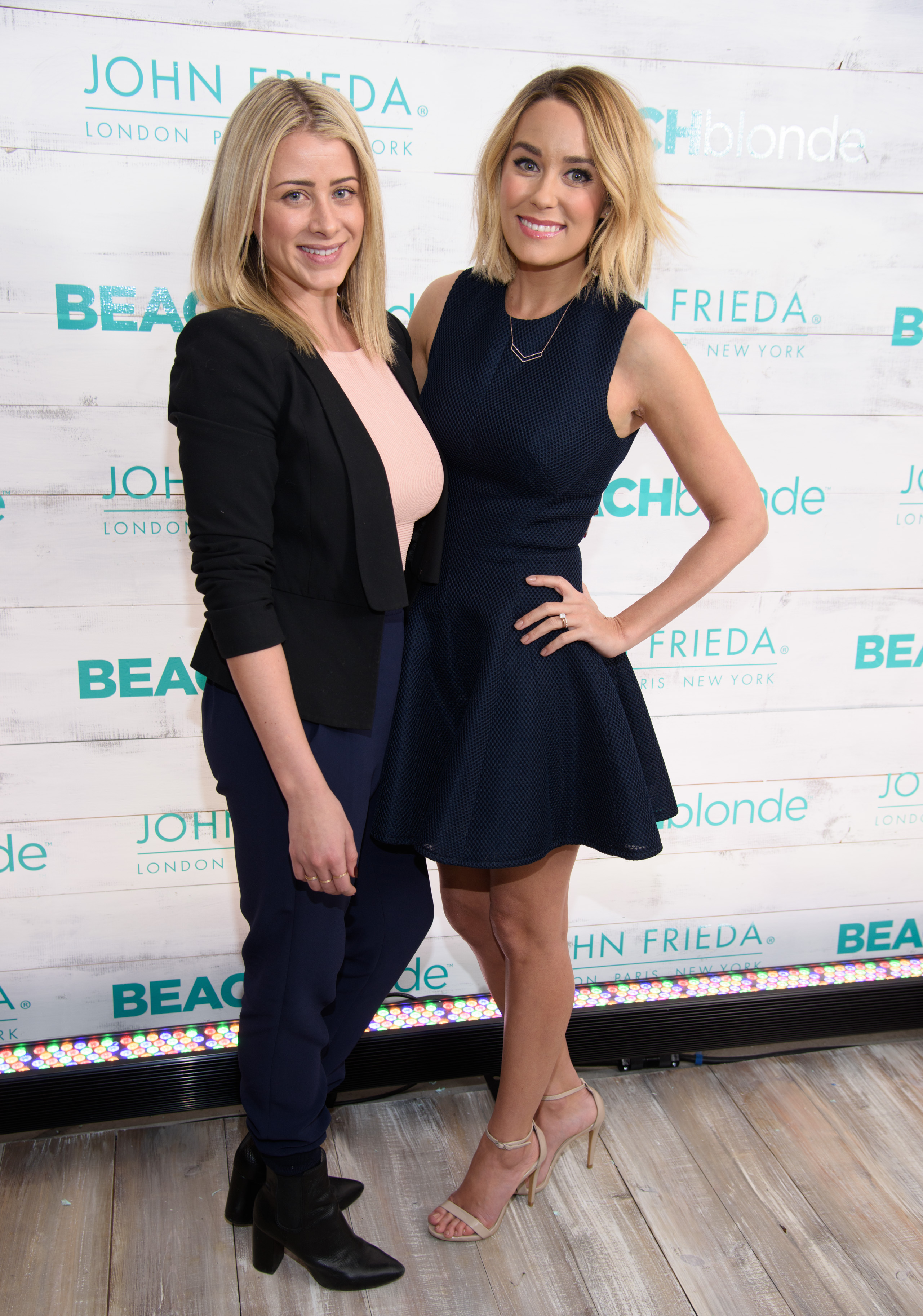
Why Lauren Conrad from The Hills Still Matters
Lauren Conrad remains a defining blueprint for modern influencer culture, lifestyle branding, and self-made media entrepreneurship, transforming early reality television exposure into a lasting commercial empire long before social medi...
Lauren Conrad remains a defining blueprint for modern influencer culture, lifestyle branding, and self-made media entrepreneurship, transforming early reality television exposure into a lasting commercial empire long before social media algorithms dictated digital fame.
Contents
The cultural footprint of early 2000s unscripted television often gets dismissed as fleeting pop culture ephemera, yet specific figures from that era managed to rewrite the rules of modern celebrity. Among them, Lauren Conrad stands out not merely as a relic of MTV’s golden age, but as a pioneer who anticipated the creator economy, personal branding, and lifestyle commerce decades before those terms became corporate buzzwords. While cultural critics frequently categorize Laguna Beach and The Hills as guilty-pleasure television, a closer examination reveals that Conrad’s navigation of those platforms established a sophisticated model for transitioning from on-screen personality to autonomous business owner. Understanding why she still matters requires looking past the nostalgia of side bangs and Laguna sunsets to analyze her impact on modern entrepreneurship, media autonomy, and consumer aesthetics.
The Genesis of the Relatable Protagonist Archetype
Before Instagram grids and curated TikTok aesthetics, reality television relied heavily on archetype-driven storytelling. On Laguna Beach: The Real Orange County (2004) and subsequently The Hills (2006–2009), Conrad was cast as the quintessential narrator: the quiet, observant girl next door navigating high school and early adulthood dramas.
However, Conrad subverted the traditional reality TV star trajectory by maintaining a distinct boundary between her professional ambitions and her personal life. While castmates often leaned into chaotic public personas for screen time, Conrad utilized the platform as a functional commercial showcase for her real-world aspirations—specifically, a career in fashion design.
This calculated restraint created a powerful psychological effect for viewers. Conrad appeared attainable yet aspirational. Her signature aesthetic—understated California casual, structured blazers, denim, and effortless updos—became a masterclass in accessible styling. By anchoring her television persona to tangible labor, such as interning at Teen Vogue and People’s Revolution, she laid the groundwork for the modern "lifestyle influencer" who monetizes daily routines rather than just dramatic conflict.
Pioneering the Pivot from Talent to Founder
The most significant aspect of Conrad’s enduring relevance is her business acumen. Many television personalities from the 2000s attempted to capitalize on their fleeting fame through short-lived product lines, nightclub appearances, or ghostwritten memoirs. Conrad, by contrast, leveraged her audience to build scalable, long-standing consumer brands.
In 2008, she launched the Lauren Conrad collection at Kohl’s, a massive retail partnership that democratized her personal style for a mainstream demographic. Unlike standard celebrity endorsement deals where a star merely slaps their name on a pre-existing product, Conrad maintained active involvement in design direction, merchandising, and trend forecasting. The partnership proved remarkably resilient, spanning over a decade and generating hundreds of millions of dollars in retail sales.
Beyond mass retail, Conrad co-founded The Little Market, an ethical, fair-trade e-commerce platform showcasing artisan products from around the globe. This venture highlighted a shift in consumer consciousness, demonstrating that lifestyle brands could incorporate social responsibility and ethical sourcing long before sustainability became a mandatory marketing pillar for modern corporations.
Key Milestones in Conrad's Business Evolution
| Venture / Project | Active Period | Core Focus | Business Impact |
|---|---|---|---|
| Teen Vogue / Industry Internships | 2004–2007 | Media & Fashion Training | Established her credibility as an industry insider rather than a passive celebrity. |
| Lauren Conrad Collection (Kohl's) | 2008–2020+ | Fast-Retail Fashion & Home Goods | Proved the commercial viability of long-term mass-market celebrity design partnerships. |
| Published Author (Fiction & Non-Fiction) | 2009–2016 | Young Adult Literature & Style Guides | Produced multiple New York Times bestsellers, expanding her intellectual property portfolio. |
| The Little Market | 2014–2023 | Fair-Trade Artisanal E-Commerce | Championed global artisan independence and ethical supply chain transparency. |
The Blueprint for Modern Influencer Independence
Long before creators built multi-million-dollar enterprises on YouTube, TikTok, and Instagram, Conrad was effectively operating as a human media company. She understood the mechanics of personal narrative control before social media platforms gave individuals the tools to do so independently.
During the filming of The Hills, Conrad famously requested to exit the series when the narrative manipulation and toxic work environments no longer served her personal or professional brand. Her departure in the middle of the fifth season—marked by her walking off the soundstage while the cameras rolled—was a watershed moment. It demonstrated that talent could successfully walk away from legacy media giants on their own terms.
In the contemporary digital landscape, influencers frequently discuss "owning your own content" and diversifying revenue streams away from ad-revenue dependence. Conrad executed this playbook in the late 2000s and 2010s. She diversified across publishing (writing a successful series of young adult novels and lifestyle guides), physical retail, digital media through her early lifestyle website, and beauty products. By refusing to let a single television network define the ceiling of her career, she established a model of career longevity that modern content creators still emulate today.
Aesthetic Permanence and the Rejection of Micro-Trends
In an era dominated by hyper-fast fashion cycles and aggressive micro-trends, Conrad’s aesthetic choices have aged remarkably well. While many style icons of the mid-2000s fell victim to extreme, highly specific fashion fads that look jarring in hindsight, Conrad leaned heavily into classic silhouettes, neutral color palettes, and wearable everyday pieces.
Her preference for tailored blazers, classic stripes, delicate jewelry, and clean beauty routines anticipated the "quiet luxury" and "clean girl" aesthetic movements that dominate social media platforms. By avoiding aggressive trend-chasing, she built an enduring visual brand identity. Consumers looking at her archival looks from 2007 often find them remarkably wearable today, which reinforces her credibility as a permanent authority on lifestyle and fashion rather than a temporary trend follower.
Common Misconceptions About Her Career Trajectory
Evaluating early reality television stars often invites cynicism. Critics frequently assume that Conrad’s success was an accidental byproduct of MTV’s editing room or that she simply lucked into lucrative licensing deals. However, industry analysis reveals a deliberate strategy of risk mitigation and brand protection:
- The Myth of Passive Celebrity: Conrad’s licensing deals required rigorous manufacturing oversight, seasonal design presentations, and supply chain management. Her success at Kohl’s was driven by high sell-through rates and consumer retention, not just initial name recognition.
- The Myth of Accidental Fame: While Laguna Beach offered an accidental entry point, Conrad systematically declined subsequent reality television ventures (such as returning for full-time reboots of The Hills) when they conflicted with her entrepreneurial goals.
- The Editorial Transition: Her early focus on writing and publishing proved that she viewed herself as a multi-platform content creator rather than a traditional celebrity personality dependent entirely on visual media.
Frequently Asked Questions
Why is Lauren Conrad considered a pioneer of modern influencer culture?
Conrad was among the first television personalities to leverage her on-screen visibility to build independent, long-term consumer brands. She controlled her narrative, transitioned successfully into fashion design and publishing, and treated her personal brand as a business long before social media made that a standard career path.
How did her collaboration with Kohl’s impact her career?
The Lauren Conrad collection at Kohl’s, launched in 2008, proved that a celebrity designer could sustain a profitable, multi-year mass-market retail line. It generated substantial revenue and cemented her status as a credible commercial force in the fashion industry.
What was The Little Market, and why did it matter?
The Little Market was a non-profit, fair-trade shop founded by Conrad and her friend Hannah Skvarla. It provided a sustainable global marketplace for women artisans, emphasizing ethical labor practices and transparent supply chains within the lifestyle commerce sector.
Why did Lauren Conrad leave The Hills?
Conrad chose to leave The Hills during its fifth season because she wanted to move on to professional fashion and design opportunities, and she disagreed with the network's increasing reliance on fabricated dramatic storylines and toxic behind-the-scenes environments.
What is her aesthetic legacy in fashion?
Her style championed classic, wearable pieces—such as tailored outerwear, neutral palettes, and effortless everyday wear—which anticipated modern minimalist trends and insulated her brand from the rapid obsolescence of mid-2000s micro-trends.
Conclusion and Next Actions
Lauren Conrad matters because her career bridges the gap between traditional broadcast media celebrity and modern independent entrepreneurship. For professionals analyzing the evolution of the creator economy, studying her trajectory offers valuable insights into brand preservation, strategic licensing, and multi-platform diversification. To apply these lessons, modern brand builders should focus on establishing foundational product quality, maintaining strict narrative control over public partnerships, and prioritizing long-term customer trust over short-term viral exposure.
Image Gallery