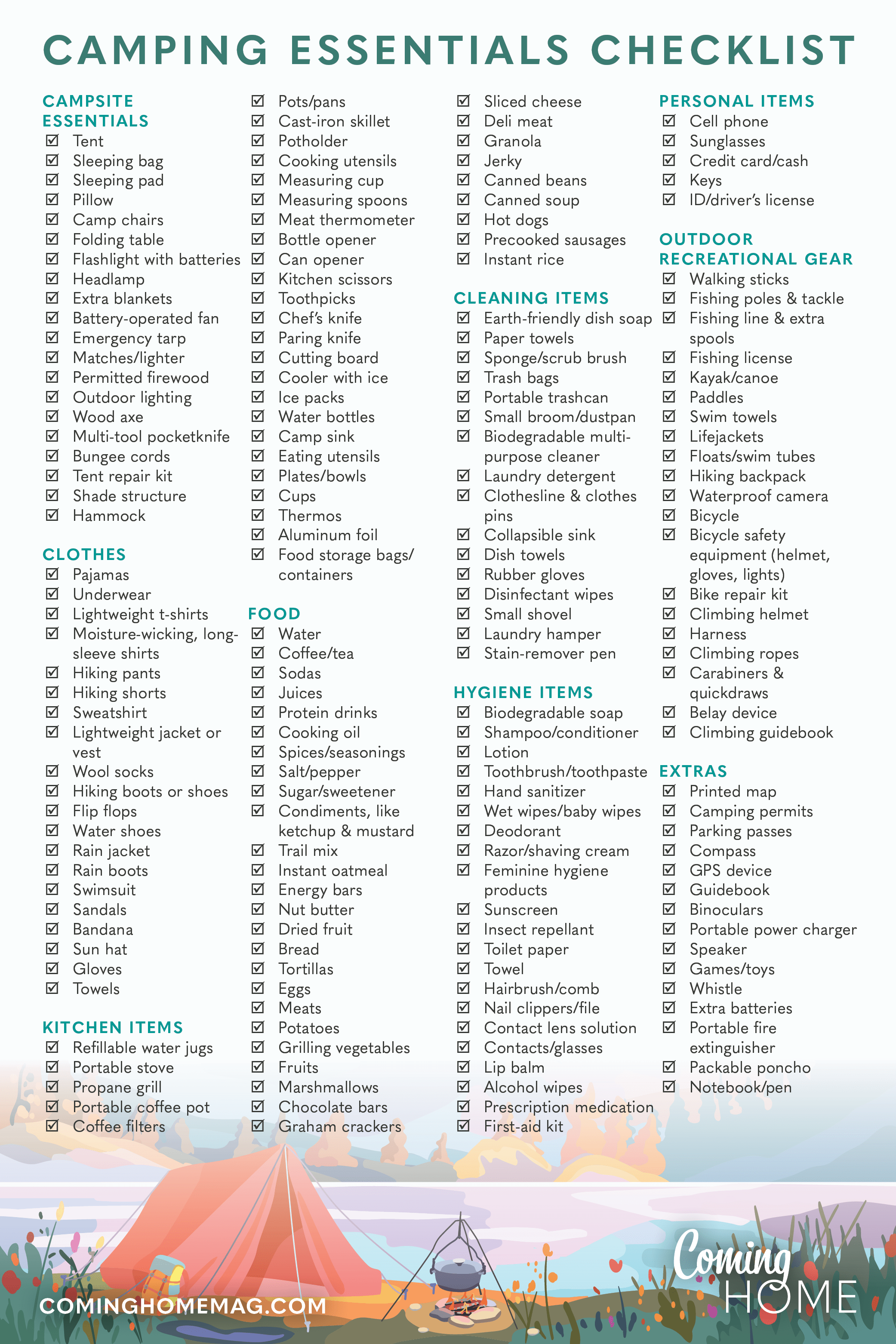
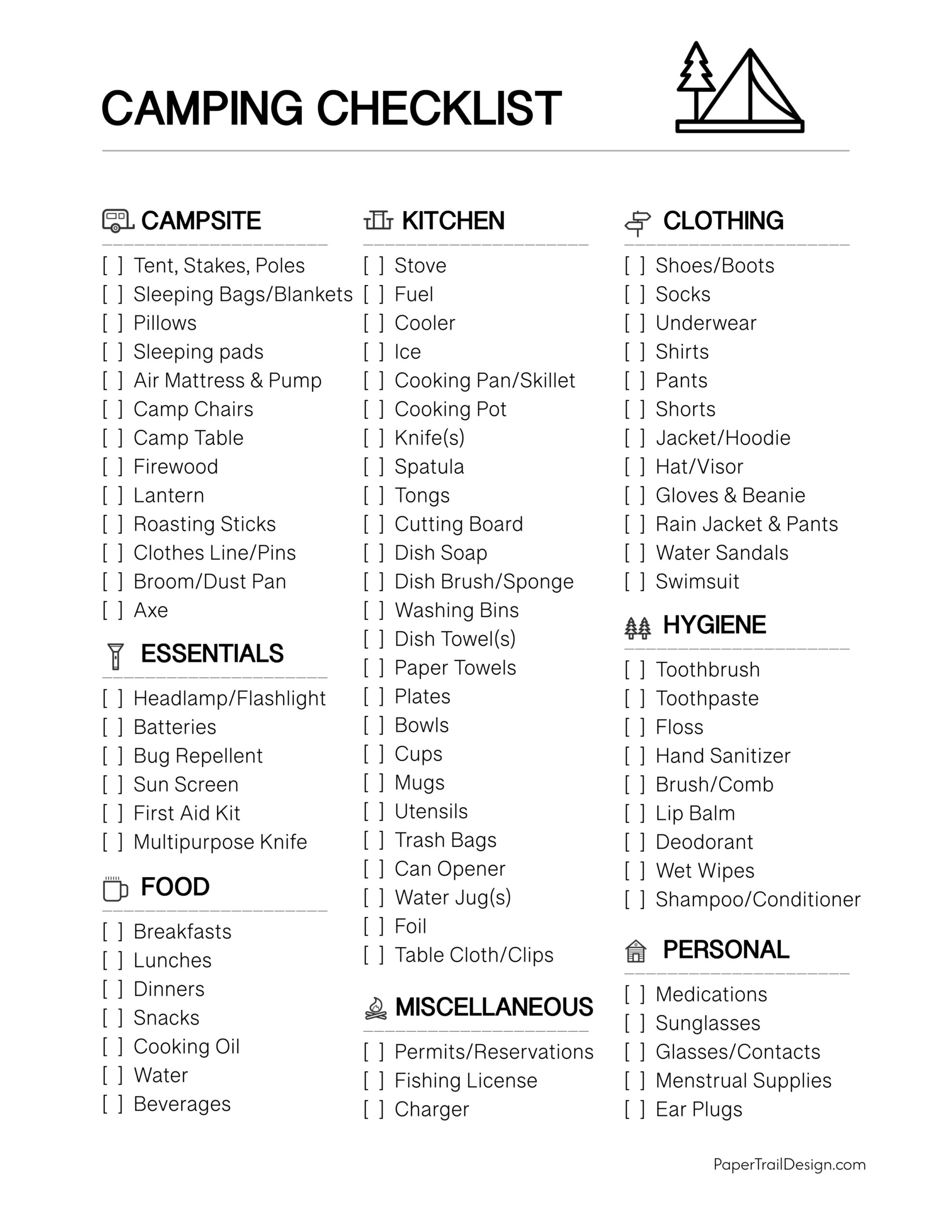
The Ultimate Printer Friendly Camping Checklist for Every Outdoor Adventure
A printer friendly camping checklist is a clean, text-heavy, unformatted document designed to fit standard paper sizes without cutting off margins, wasting ink on heavy graphics, or requiring specialized software to print reliably. Pre...
A printer friendly camping checklist is a clean, text-heavy, unformatted document designed to fit standard paper sizes without cutting off margins, wasting ink on heavy graphics, or requiring specialized software to print reliably.
Contents
Preparing for a camping trip requires meticulous organization, whether you are heading out for a weekend car camping excursion in a developed state park or embarking on a multi-day backcountry backpacking expedition. Relying entirely on digital apps on a smartphone or tablet leaves campers vulnerable to dead batteries, weak cellular signals, and moisture damage. A physical, printed checklist acts as a foolproof analog safeguard, ensuring that critical gear, safety equipment, and sustenance are never left behind. However, many online packing lists are plagued by excessive advertisements, full-color background images, and unoptimized page breaks that waste expensive printer ink and cut off crucial categories.
Understanding how to source, customize, and print a reliable camping checklist saves time, reduces packing stress, and guarantees that your physical inventory matches the demands of your specific environment. This guide explores the structural components of a comprehensive packing list, variations for different camping styles, troubleshooting printing layout errors, and best practices for preparing your gear before stepping into the wilderness.
Why You Need a Physical, Printer-Friendly Packing List
In an era dominated by mobile applications and cloud-based notes, returning to a physical piece of paper might seem counterintuitive. However, the physical environment of a campsite introduces variables that consumer electronics struggle to handle. Extreme cold drains lithium-ion smartphone batteries rapidly, heavy rainfall and humidity can compromise non-waterproof devices, and remote camping areas frequently lack the cellular coverage required to access cloud-stored packing guides.
A printer-friendly checklist eliminates these technological vulnerabilities. By using a minimalist, high-contrast layout, these documents use minimal ink—saving your printer cartridges—and fit neatly onto standard Letter or A4 paper. Furthermore, checking items off physically with a pen or pencil engages cognitive processes that reinforce memory retention, significantly reducing the likelihood of leaving vital items like tent stakes, water filters, or first-aid supplies sitting on your living room floor.
Core Categories of a Comprehensive Camping Inventory
A dependable camping checklist must be divided into logical categories that reflect the chronological order of setting up camp, maintaining comfort, and ensuring safety. Disorganized lists lead to frantic packing and overlooked essentials. When structuring or selecting a printer-friendly template, ensure it covers the following foundational segments:
Shelter and Sleep Systems
Your shelter protects you from unpredictable weather elements, wind, and insects. This category must account for every component required to erect and maintain your shelter.
- Tent and Footprint: Verify you have the tent body, rainfly, poles, and a custom-fit ground footprint to prevent moisture seepage.
- Stakes and Guy Lines: Pack extra heavy-duty stakes for soft soil or high winds, along with reflective cordage.
- Sleeping Bags and Pads: Select temperature ratings appropriate for your destination's overnight lows, and pair them with insulated sleeping pads to prevent conductive heat loss from the ground.
- Pillows and Extra Blankets: Compact travel pillows or compressible fleece blankets enhance sleep quality.
Kitchen and Hydration Gear
Nutrition and hydration sustain your energy levels during outdoor activities. Cooking outdoors requires careful coordination of fuel, utensils, and cleaning supplies.
- Camp Stove and Fuel: Confirm your stove operates correctly and pack extra fuel canisters or white gas depending on your model.
- Cookware and Utensils: Bring a durable pot, skillet, spatula, and personal eating utensils (spork, bowl, insulated mug).
- Water Storage and Filtration: Include collapsible water containers, a primary pump or squeeze water filter, and purification tablets as an emergency backup.
- Food Storage: Bear canisters, rodent-proof hanging bags, or heavy-duty coolers depending on regional wildlife regulations.
Clothing and Personal Protection
Layering is essential for outdoor survival. Your clothing checklist should emphasize moisture-wicking synthetic or merino wool materials while strictly avoiding cotton, which retains moisture and accelerates hypothermia.
- Base, Mid, and Outer Layers: Pack moisture-wicking base layers, insulating fleece or down jackets, and a waterproof, windproof shell jacket.
- Footwear: Broken-in hiking boots or trail running shoes, paired with multiple pairs of wool socks and camp shoes (sandals or slip-ons).
- Sun and Insect Protection: Broad-spectrum sunscreen, UV-blocking sunglasses, a wide-brimmed hat, and insect repellent containing DEET or picaridin.
Comparison of Camping Checklists by Trip Style
Different camping methodologies require vastly different equipment profiles. A minimalist backpacker cannot carry the same luxury items as a car camper, while cold-weather expeditions demand specialized thermal gear.
| Camping Style | Primary Weight Consideration | Essential Shelter Type | Water Management | Power & Lighting |
|---|---|---|---|---|
| Car Camping | Low priority; focus on volume and comfort. | Multi-person cabin tent, canopy. | 5-gallon jug, gravity filter. | Lanterns, power banks, string lights. |
| Backpacking | Ultra-lightweight; ounces equal pounds. | Lightweight backpacking tent, tarp. | Squeeze filter, iodine tablets. | Headlamp, mini power bank. |
| Cold-Weather | Moderate; thermal insulation focus. | 4-season tent with snow skirts. | Melted snow, insulated bottles. | Headlamp with lithium batteries. |
Essential Safety and Emergency Equipment
No camping checklist is complete without a dedicated section for emergency preparedness. Regardless of how close you are to civilization, injuries, sudden weather shifts, and navigational errors can occur.
Your emergency kit must be inspected before every trip. It should contain a comprehensive first-aid kit stocked with adhesive bandages, sterile gauze, medical tape, antiseptic wipes, ibuprofen, blister treatment (moleskin), and any personal prescription medications. Navigational tools should include a reliable topographic map of the area, a magnetic compass, and a fully charged satellite messenger or personal locator beacon (PLB) if venturing deep into the backcountry.
Furthermore, always pack a multi-tool or fixed-blade knife, a high-lumen headlamp with extra batteries or a charging cable, emergency space blankets, and a robust fire-starting kit consisting of waterproof matches, a ferrocerium rod, and petroleum-soaked cotton balls or commercial tinder.
How to Optimize and Format Your Checklist for Printing
If you are creating your own digital checklist or modifying an existing template, formatting for print requires attention to detail. Many web pages include sidebars, navigation menus, and banner advertisements that consume printer ink and clutter the page.
To achieve a clean, printer-friendly document, follow these technical optimization steps:
- Remove Graphics: Strip out all decorative photos, background colors, and high-resolution logos. Text-only layouts print faster and use a fraction of black ink.
- Select Clean Typography: Use legible sans-serif fonts such as Arial, Helvetica, or Calibri at 10-to-12-point size to maintain readability.
- Adjust Margins and Columns: Set document margins to 0.5 inches and format the checklist into two or three vertical columns. This maximizes the amount of information that fits onto a single sheet of paper.
- Incorporate Checkboxes: Place empty square brackets
[ ]or standard checkbox symbols before every line item so you can physically check off items as they enter your pack. - Print to PDF First: Utilize your browser's "Print to PDF" or "Save as PDF" function to preview the layout, ensuring that text does not get cut off at the bottom of the page.
Common Packing Mistakes to Avoid
Even with a detailed checklist, first-time and veteran campers alike frequently fall into predictable traps that compromise their comfort or safety.
- Overpacking Just in Case: Packing excessive clothing or heavy duplicate gadgets increases physical fatigue during setup and teardown. Stick strictly to the verified list.
- Neglecting Weather Variances: Checking the local forecast is not enough; mountain and coastal weather can shift rapidly. Always pack a reliable rain shell and an extra thermal layer regardless of forecasted sunshine.
- Failing to Test Gear at Home: Discovering that your camp stove leaks fuel or that your tent has a missing pole while standing in the dark at a remote campsite creates avoidable panic. Test and assemble all gear in your backyard or living room prior to departure.
- Ignoring Leave No Trace Principles: Forgetting waste management supplies—such as trash bags, a trowel for human waste, or biodegradable soap—harms local ecosystems and violates public land regulations.
Frequently Asked Questions
What makes a camping checklist truly printer-friendly?
A printer-friendly camping checklist features a minimalist, text-based layout with zero background colors, no decorative images, and optimized margins. It uses standard black text on a white background, ensuring it prints cleanly on standard Letter or A4 paper without wasting ink or cutting off columns.
Should I laminate my printed camping checklist?
Laminating your printed checklist is an excellent practice if you plan to reuse the list across multiple seasons. By sliding the printed sheet into a thermal laminating pouch and running it through a laminator, you can use a dry-erase marker to check items off and wipe the sheet clean for your next trip.
How far in advance should I start packing for a camping trip?
You should begin reviewing your checklist and staging your gear four to seven days before your departure date. This window provides adequate time to test equipment, launder sleeping bags or clothing, purchase missing consumable items like fuel or propane, and restock your first-aid kit.
What should I do if I forget a critical item from my checklist?
If you realize you have forgotten an essential item while en route or at camp, do not panic. Assess whether the item is safety-critical (like water filtration or shelter) or a comfort item. If you are near civilization, locate the nearest outfitter, hardware store, or camp store. If you are deep in the backcountry without critical safety gear, consider curtailing the trip to ensure safety.
Are printable camping checklists customizable for different seasons?
Yes. Quality printable templates usually feature modular sections that allow you to swap out summer-specific gear—such as bug nets and lightweight sleeping bags—for winter-specific equipment like microspikes, insulated pads, and heavy thermal layers.
Conclusion and Next Actions
A printer-friendly camping checklist bridges the gap between digital organization and rugged reliability in the outdoors. By organizing your gear into logical categories—shelter, kitchen, clothing, and safety—you eliminate guesswork and ensure a seamless packing experience. To get started, download or draft a minimalist, ink-efficient template, customize the line items to match your specific destination and weather conditions, and run a test print today. Review your gear inventory a week prior to departure, check off items systematically with a pen or pencil, and set forth into nature with absolute confidence.
Image Gallery