FOB Origin Pricing Explained: A Comprehensive Guide to Shipping Terms and Liability
FOB Origin pricing is a shipping term indicating that the buyer assumes ownership and all associated risks of goods the moment they leave the seller's premises. Under these terms, the buyer is responsible for all transportation costs,...
FOB Origin pricing is a shipping term indicating that the buyer assumes ownership and all associated risks of goods the moment they leave the seller's premises. Under these terms, the buyer is responsible for all transportation costs, insurance, and freight claims, as the title of the goods transfers at the point of departure.
Contents
In the complex landscape of 2026 global commerce and domestic logistics, understanding the nuances of "Free on Board" (FOB) terms is essential for accurate financial forecasting and risk management. While the term is frequently used in daily business transactions, its legal and financial implications vary significantly depending on whether the transaction is governed by North American domestic law or international trade standards. This guide provides a detailed explanation of FOB Origin pricing, its operational impact, and its strategic role in modern supply chains.
Defining FOB Origin in the Modern Supply Chain
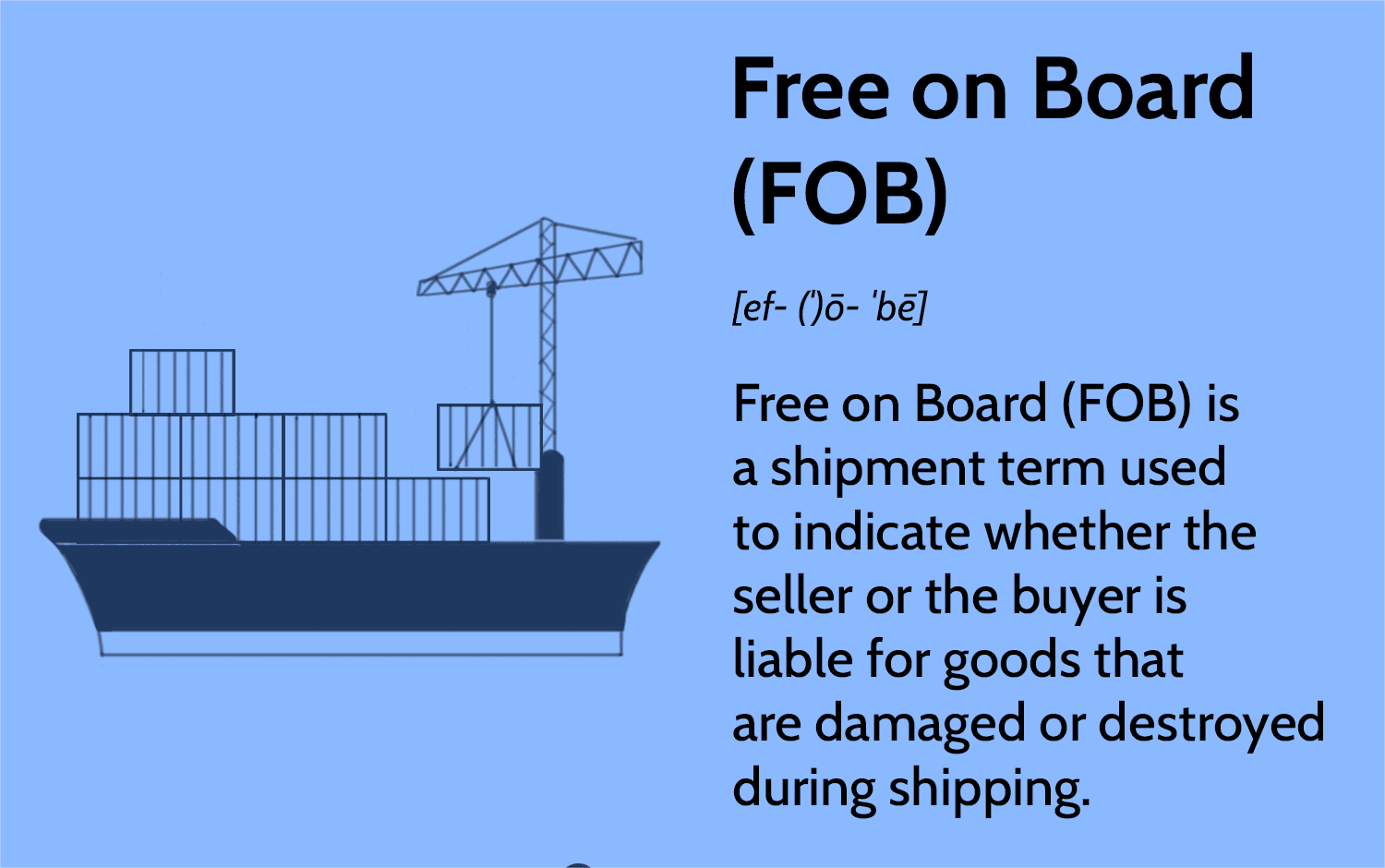
The acronym FOB stands for Free on Board, a term rooted in maritime history but now applied to almost all modes of transport. When the suffix "Origin" is added, it designates the specific geographic location where the seller’s responsibility ends and the buyer’s begins. In most instances, this "origin" is the seller's warehouse, factory, or shipping dock.
Once the carrier signs for the shipment at the origin, the transaction is legally considered "complete" from the seller's perspective regarding the physical goods. This means that if a shipment is lost at sea, damaged in a truck rollover, or delayed by customs, the buyer—not the seller—is the legal owner of those goods and must navigate the consequences.
In 2026, with the integration of real-time IoT tracking and automated smart contracts, the exact moment of "origin" transfer is more precisely documented than ever. However, the underlying legal principles remain grounded in the Uniform Commercial Code (UCC) within the United States and similar commercial statutes globally.
The Critical Distinction: UCC vs. Incoterms 2020
One of the most common sources of confusion in logistics is the difference between FOB as defined by the UCC and FOB as defined by the International Chamber of Commerce (ICC) under Incoterms 2020.
FOB Under the UCC (North American Domestic)
In the United States, FOB Origin is a broad term used for any mode of transport (truck, rail, air, or sea). It focuses heavily on the transfer of "title" (legal ownership). If a contract states "FOB Origin," it is understood that the buyer owns the goods once they are loaded onto the first carrier.
FOB Under Incoterms (International)
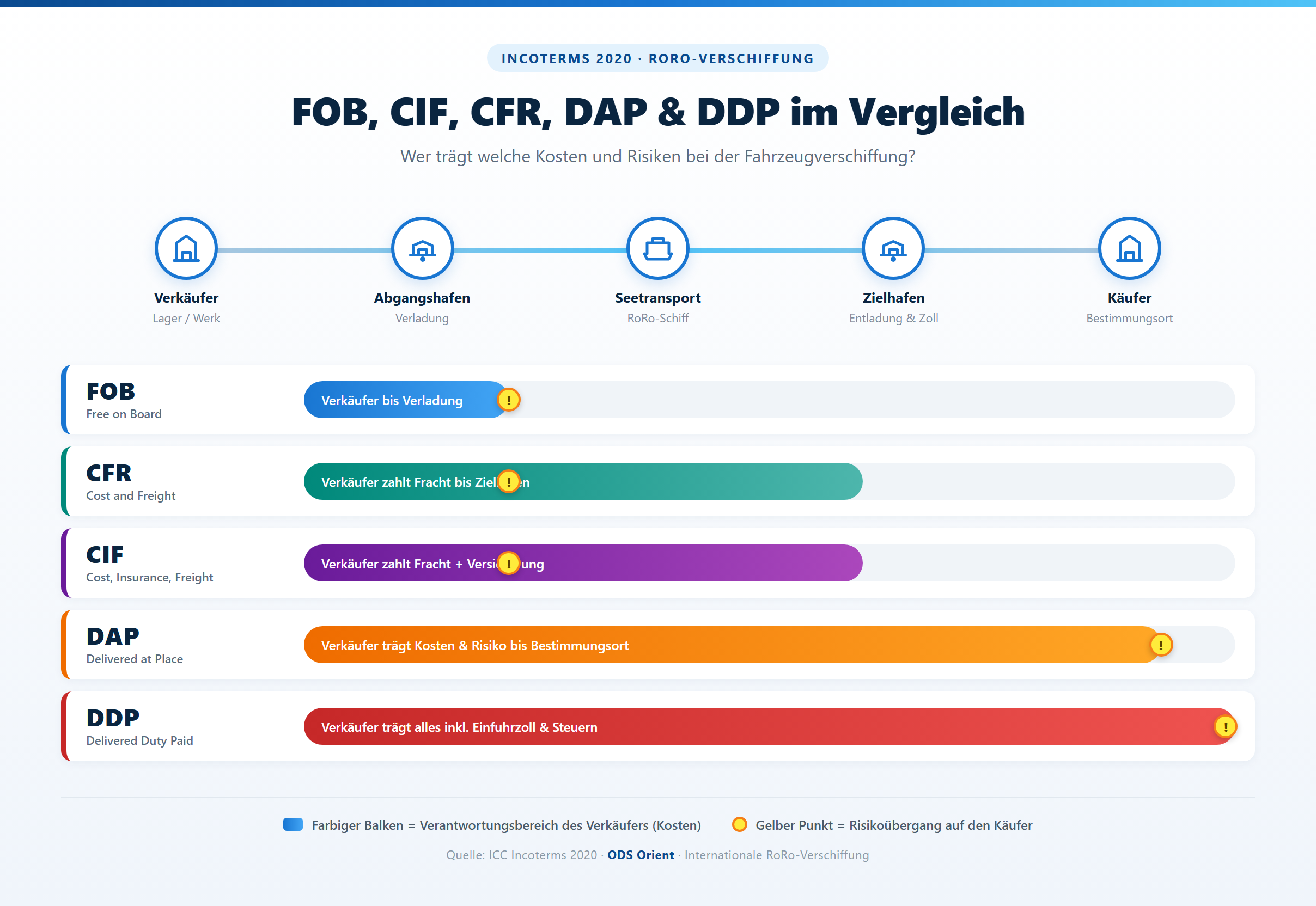
For international shipments, the ICC specifies that FOB should only be used for sea and inland waterway transport. Furthermore, under Incoterms, the term "FOB" implies that the seller is responsible for delivering the goods across the "ship's rail" at the port of export. For non-maritime international transport, the ICC recommends using FCA (Free Carrier) instead.
When searching for "FOB origin pricing explained," most domestic businesses are referring to the UCC definition, where the buyer manages the logistics from the seller's doorstep.
Financial Responsibility and Cost Breakdown
In an FOB Origin arrangement, the "pricing" aspect refers not just to the cost of the goods, but to the total landed cost. The buyer must account for several distinct financial layers that are typically excluded from the seller's invoice price.
1. Freight Charges
The primary cost in FOB Origin is the freight itself. The buyer chooses the carrier and pays them directly. This gives the buyer the power to negotiate their own volume discounts with logistics providers, which can be a significant advantage for large enterprises with high shipping volumes.
2. Insurance Premiums
Since the buyer owns the goods during transit, they bear the "Risk of Loss." If a shipment is destroyed, the seller is still entitled to payment because they fulfilled their obligation by delivering the goods to the carrier. Consequently, the buyer must ensure they have adequate cargo insurance to cover the value of the goods from the moment they leave the dock.
3. Handling and Loading
While the seller usually handles the physical loading of the goods onto the carrier's vehicle, any specialized rigging or handling fees required at the origin are often passed to the buyer, depending on the specific wording of the purchase order.
4. Administrative Oversight
The buyer's logistics team must spend time tracking the shipment, coordinating with carriers, and managing potential delays. This "soft cost" is often overlooked but is a vital part of the FOB Origin pricing equation.
Variations of FOB Origin Terms
To provide flexibility, businesses often use variations of FOB Origin that shift who pays the initial bill, even if the risk remains with the buyer. These nuances are critical for accounting departments to understand.
| Term | Who Pays the Carrier? | Who Ultimately Bears the Cost? | Who Owns Goods in Transit? |
|---|---|---|---|
| FOB Origin, Freight Collect | Buyer | Buyer | Buyer |
| FOB Origin, Freight Prepaid | Seller | Seller | Buyer |
| FOB Origin, Freight Prepaid & Add | Seller | Buyer (via invoice) | Buyer |
| FOB Origin, Freight Collect and Allowed | Buyer | Seller (via deduction) | Buyer |
FOB Origin, Freight Collect
This is the "purest" form of FOB Origin. The buyer pays the freight charges directly to the carrier upon delivery. The seller has no involvement in the transportation costs or arrangements.
FOB Origin, Freight Prepaid & Add
This is a very common arrangement in 2026 e-commerce and B2B transactions. The seller pays the carrier upfront but then "adds" those costs to the buyer's invoice. This allows the buyer to benefit from the seller's shipping rates while still maintaining the legal risk of ownership during transit.
Why Choose FOB Origin? (Pros and Cons)
Choosing FOB Origin is a strategic decision that affects both the bottom line and operational workload. It is not inherently better than FOB Destination; rather, it serves different business needs.
Advantages for the Buyer
- Cost Control: Large buyers can use their own negotiated freight rates, which are often lower than the rates a smaller seller might offer.
- Visibility: The buyer has direct contact with the carrier, allowing for better tracking and integration with their own Warehouse Management Systems (WMS).
- Routing Control: The buyer decides the route and the mode of transport, which can be critical for perishable goods or urgent "just-in-time" manufacturing.
Disadvantages for the Buyer
- Liability: The buyer is responsible for goods they cannot see or touch. If a carrier loses a pallet, the buyer must pay the seller and then spend months fighting a claim with the carrier.
- Administrative Burden: Managing freight claims is a complex and time-consuming process that requires detailed documentation and legal knowledge.
Advantages for the Seller
- Revenue Recognition: Under accounting standards like ASC 606, sellers can often recognize revenue the moment the goods leave the dock under FOB Origin terms. This helps in hitting quarterly financial targets.
- Simplicity: The seller’s job ends at the loading dock. They do not have to worry about the complexities of final-mile delivery or transit damages.
The Logistics of Freight Claims
One of the most significant aspects of FOB Origin pricing is the management of freight claims. In 2026, while digital proof of delivery (dPOD) and sensor-based damage detection have streamlined the process, the legal burden remains on the owner of the goods.
If goods arrive damaged under FOB Origin terms, the buyer must follow a strict protocol:
- Inspect on Arrival: Any visible damage must be noted on the Bill of Lading (BOL) before the driver leaves.
- Accept the Shipment: In many jurisdictions, the buyer is legally required to accept damaged goods unless they are "practically worthless," then mitigate the loss.
- File the Claim: The buyer must file a formal claim with the carrier within specific timeframes (often 9 months for domestic shipments in the US, but much shorter for international or air freight).
- Pay the Seller: Crucially, the buyer cannot withhold payment to the seller due to carrier damage. The contract for the goods is separate from the contract for carriage.
Strategic Recommendations for 2026
As supply chains become more automated and volatile, businesses should take proactive steps when entering into FOB Origin agreements.
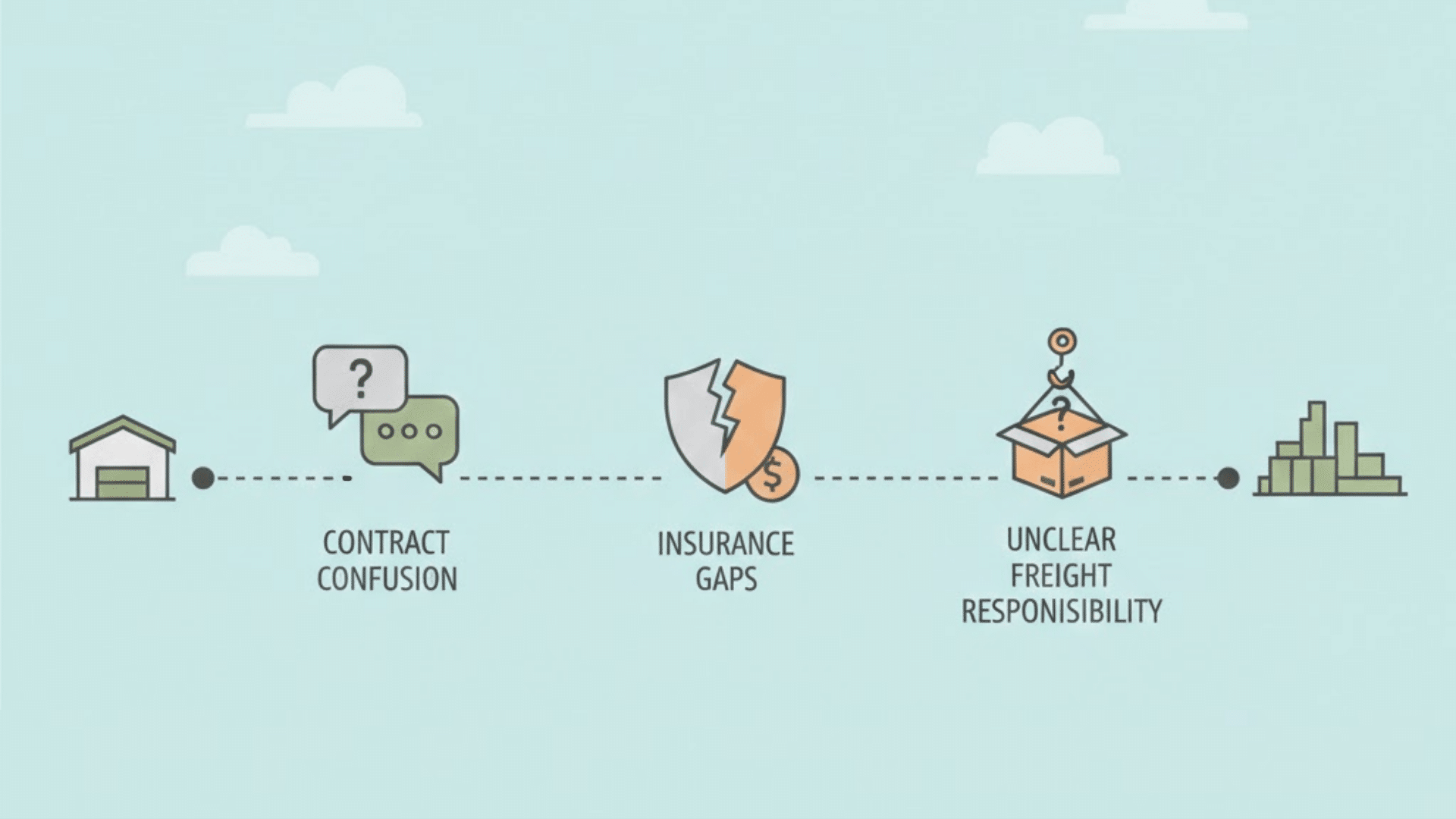
- Audit Your Insurance: Ensure your corporate cargo insurance policy covers "Inland Transit" and "Ex-Works/FOB" transfers. Many standard business policies have gaps regarding goods the company owns but does not physically possess.
- Leverage Digital Freight Matching: If you are a buyer moving to FOB Origin, use modern digital freight platforms to compare your internal rates against market spot rates in real-time.
- Clarify the "Origin" Point: Do not just say "FOB Origin." Specify the exact address (e.g., "FOB Seller’s Warehouse, 123 Industrial Way, Chicago, IL"). This prevents disputes over where the transfer of liability actually occurred.
Frequently Asked Questions
Does FOB Origin mean the shipping is free?
No. "Free on Board" means the seller is "free" of responsibility once the goods are "on board" the transport vehicle. The buyer is responsible for the actual shipping costs unless a different arrangement like "Freight Prepaid" is specified.
Who is responsible for damage in an FOB Origin shipment?
The buyer is responsible. Since the title of the goods transfers to the buyer at the origin, any damage that occurs during transit is a loss incurred by the buyer. The buyer must seek reimbursement by filing a claim with the carrier or their insurance provider.
Can FOB Origin be used for international air freight?
While the term is used colloquially for air freight, the International Chamber of Commerce (ICC) prefers the term FCA (Free Carrier) for non-maritime transport. Using FOB for air freight can lead to legal ambiguity in international courts.
Is FOB Origin better for the seller or the buyer?
Generally, FOB Origin is better for the seller because it transfers risk and allows for earlier revenue recognition. It is better for the buyer only if the buyer has a very efficient logistics department and can secure shipping rates significantly lower than those offered by the seller.
How does FOB Origin affect sales tax?
In many jurisdictions, the point of title transfer determines where the sale occurs for tax purposes. If title transfers at the origin, the sales tax of the origin state/municipality might apply, though "nexus" rules and "destination-based" tax laws in many US states have made this more complex in recent years.
Practical Next Action
If you are currently negotiating a contract involving FOB Origin pricing, your first action should be to calculate your Total Landed Cost. Request a freight quote for the specific route and add the cost of cargo insurance. Compare this total to an "FOB Destination" quote from your seller. If the difference is negligible, the administrative burden of managing freight claims may make FOB Destination the more practical choice despite a slightly higher invoice price.
Image Gallery