Commercial Storage Facilities in Seattle: Selection Guide for Businesses
Selecting the right commercial storage facility in Seattle requires balancing geographic convenience, facility capabilities, climate protection, and operational costs. Whether managing surplus e-commerce inventory, staging construction...
Selecting the right commercial storage facility in Seattle requires balancing geographic convenience, facility capabilities, climate protection, and operational costs. Whether managing surplus e-commerce inventory, staging construction equipment, archiving legal documents, or holding retail stock, businesses operating in the Puget Sound region face distinct space constraints and climate challenges.
Contents
Commercial storage facilities in Seattle provide scalable inventory, equipment, and document space across key industrial and urban corridors like SODO, Ballard, Interbay, and the Kent Valley. Selecting the right facility requires evaluating climate control for Pacific Northwest moisture, freight loading capabilities, drive-up access, and local commercial zoning compliance.
Assessing Business Storage Requirements in Seattle
Commercial storage differs significantly from residential self-storage. Businesses require reliable access patterns, structural accommodations for heavy payloads, and enhanced security protocols to safeguard capital assets and regulated records.
When evaluating storage needs in the Seattle metro area, companies generally fall into four primary operational categories:
- Retail and E-Commerce Inventory: Retailers in dense urban centers like South Lake Union, Capitol Hill, and Downtown often lack backroom inventory space. These businesses require central, high-frequency access facilities to restock storefronts or fulfill regional e-commerce orders without paying retail-rate commercial rent.
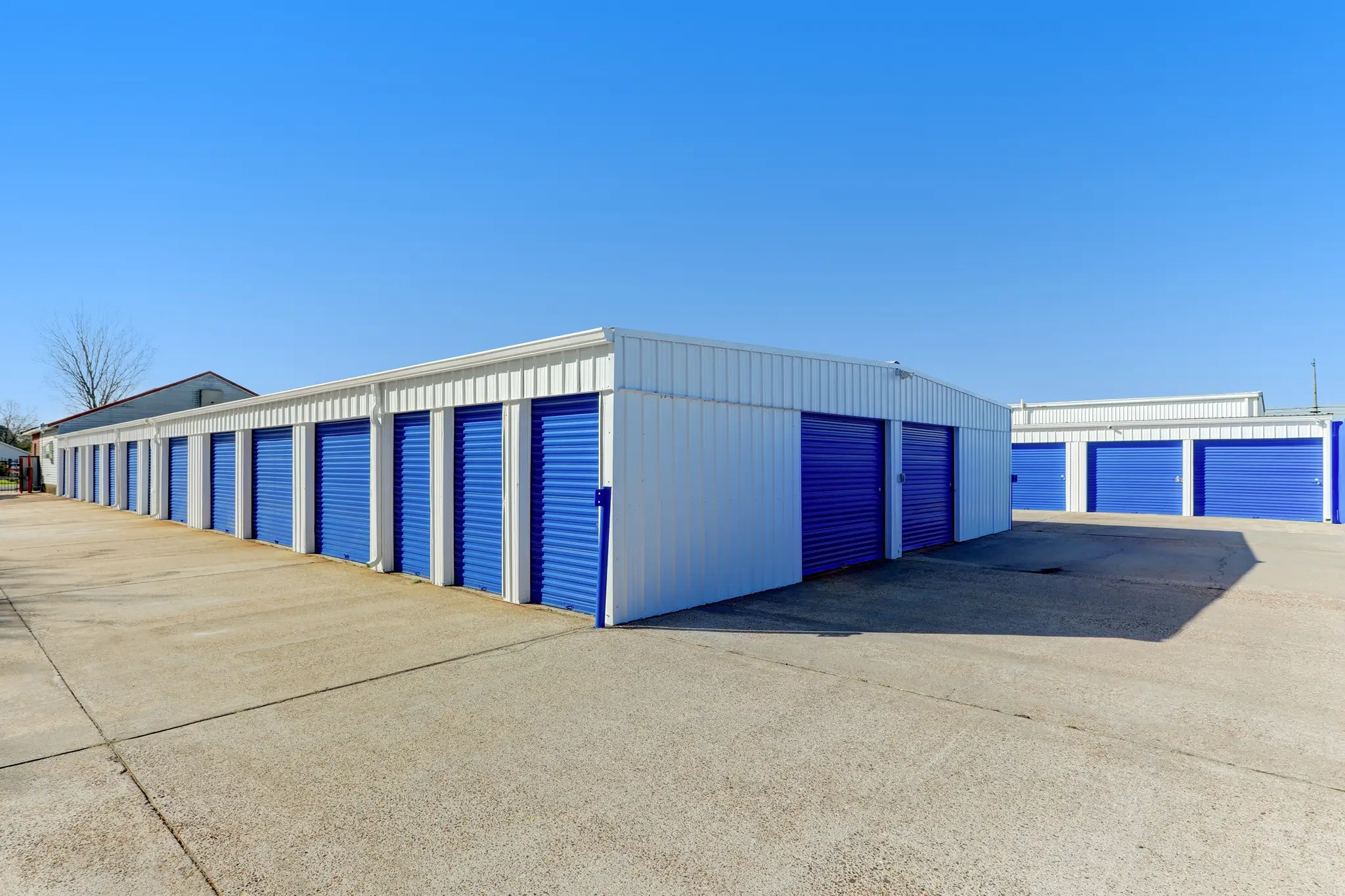
- Trades and Construction Staging: General contractors, electricians, plumbers, and landscapers need secure ground-level or drive-up units to store machinery, raw materials, scaffolding, and fleet tools. Proximity to major transport arterial corridors like Interstate 5, Interstate 90, and State Route 99 is vital for efficient crew deployment.
- Professional Services and Legal Archiving: Law firms, medical practices, accounting groups, and corporate offices must retain physical files, patient records, or financial archives to satisfy compliance requirements. These entities prioritize climate control, fire-suppression systems, and strict chain-of-custody tracking.
- Event, Catering, and Hospitality Management: Seattle’s hospitality and corporate event sectors utilize storage space for staging tables, commercial kitchen spares, audio/visual setups, and trade show displays between engagements.
Types of Commercial Storage in the Seattle Region
Understanding the operational distinctions between storage facility models helps businesses avoid overpaying for unnecessary services or selecting a unit that limits daily workflows.
- Seattle Commercial Storage Types
- Urban Self-Storage
- High-density hubs
- Small/Medium units
- Daily access
- Industrial Flex Space
- SODO & Kent Valley
- Drive-in bay doors
- Power & office combo
- 3PL & Warehousing
- Turnkey logistics
- Pallet racking
- Full fulfillment
- Urban Self-Storage
1. Business-Focused Self-Storage Facilities
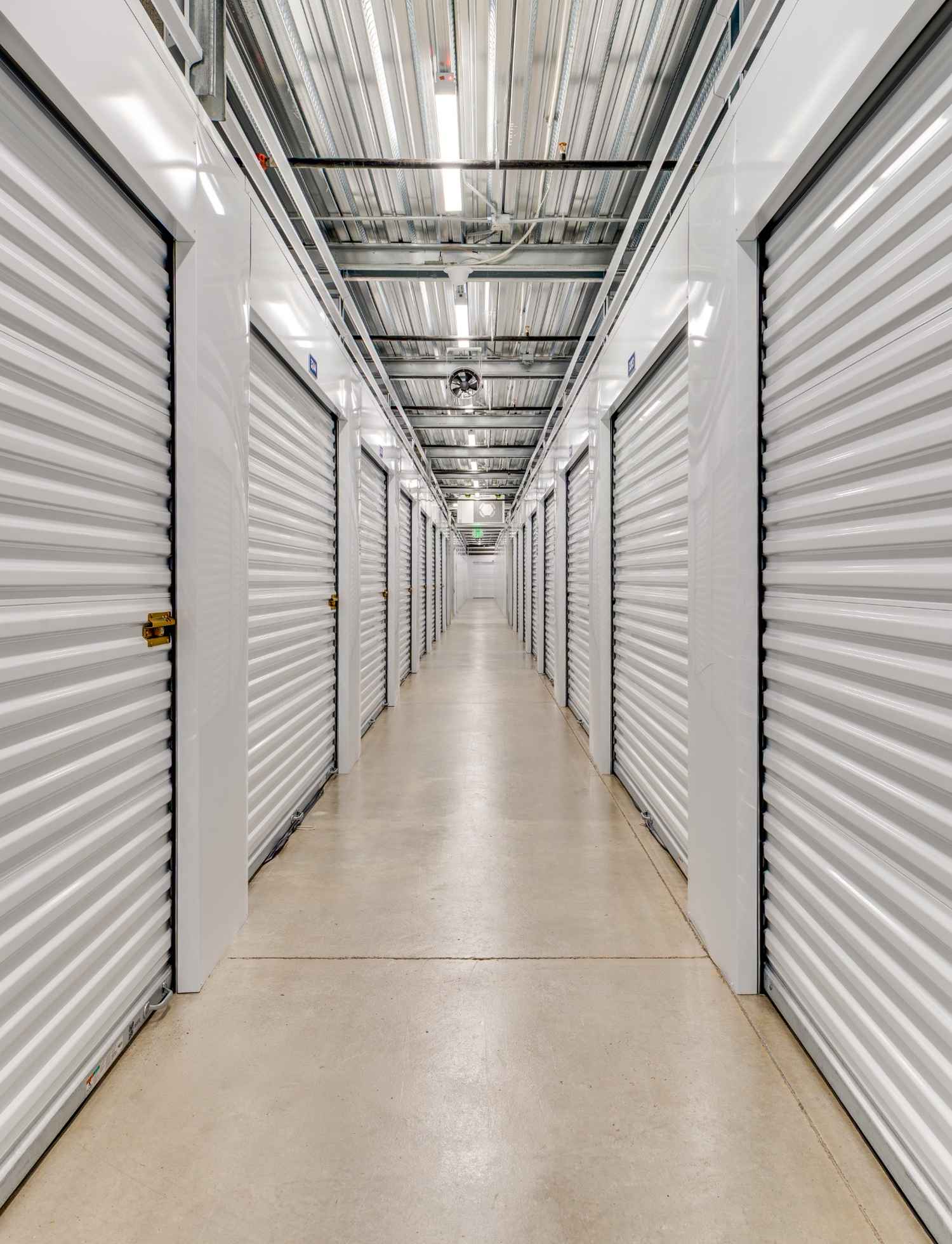
Facilities operated by regional and national brands (such as Public Storage, Extra Space Storage, and local operators like Urban Storage) offer dedicated commercial units. These units often feature extended access hours, commercial loading bays, wide corridors for pallet jacks, and package-acceptance services where facility staff receive incoming shipments on behalf of the commercial tenant.
2. Industrial Flex Space and Micro-Warehousing
Flex spaces blend traditional warehouse storage with light office capabilities. Located heavily in industrial zones like SODO, Georgetown, and South King County, flex units offer roll-up bay doors, concrete slab flooring, ground-level vehicle clearance, and high ceiling clearances (typically 14 to 20 feet). This format suits light manufacturing, assembly, and heavy equipment distribution.
3. Third-Party Logistics (3PL) and Commercial Warehousing
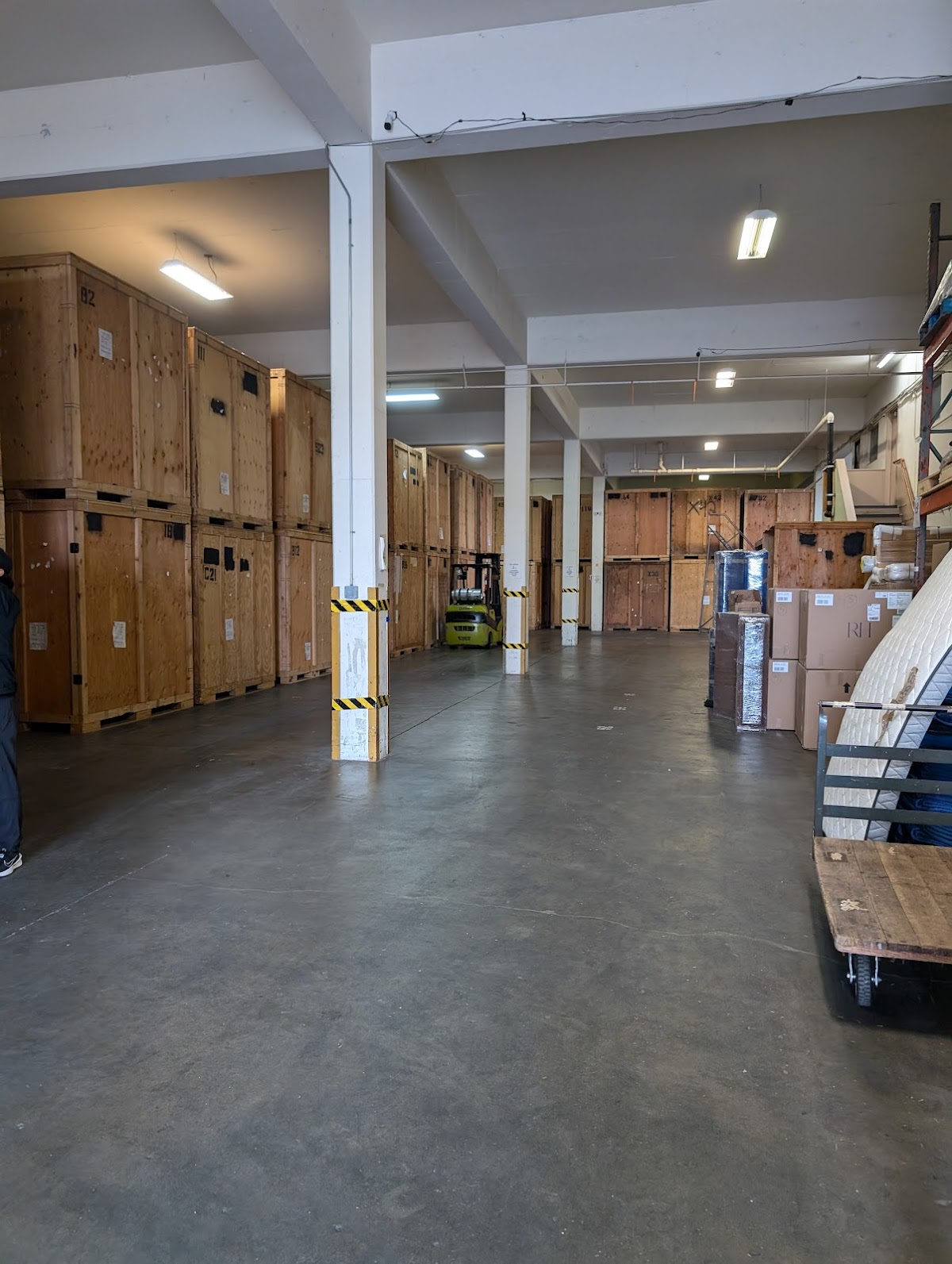
For businesses scaling beyond traditional self-storage units, 3PL providers offer palletized storage, racked inventory management, cross-docking, and pick-and-pack distribution. Rather than leasing dedicated square footage, businesses pay per pallet position or per cubic foot, shifting storage from a fixed overhead cost to a variable operational expense.
4. Specialized Document and Data Vaults
Off-site record management services provide climate-controlled, high-density filing systems equipped with barcoded carton tracking, secure shredding compliance, and scheduled document retrieval services. These facilities adhere to HIPAA, FACTA, and GLBA storage guidelines for sensitive records.
Geographic Distribution of Storage Hubs in Seattle
Storage costs, accessibility, and zoning regulations vary significantly depending on the neighborhood. Seattle’s topography and traffic patterns make geographic selection a critical logistical decision.
SODO and Georgetown (South of Downtown)
- Primary Focus: Industrial storage, construction staging, logistics, and large-scale commercial inventory.
- Operational Context: SODO (South of Dome) and Georgetown represent Seattle’s primary historical industrial core. Facilities here offer excellent proximity to the Port of Seattle container terminals, I-5, and Highway 99. They generally feature ground-floor access, wide turning radii for freight trucks, and heavy-duty loading docks. Prices per square foot are competitive compared to the urban core, though availability can be tight.
Ballard and Interbay (North/Northwest Corridor)
- Primary Focus: Marine equipment, trade contractor supplies, craft beverage storage, and North Seattle retail overflow.
- Operational Context: Serving the maritime industry around Salmon Bay and business districts in Ballard, Queen Anne, and Magnolia, facilities in Interbay and Ballard cater to both maritime businesses and commercial service providers. Drive-up spaces are highly sought after in this corridor due to limited street parking and dense urban layout.
Downtown, Belltown, and South Lake Union (Urban Core)
- Primary Focus: Office records, event staging, retail overflow, and tech company equipment.
- Operational Context: Facilities located within Seattle's central core are primarily multi-story, high-density structures. Units are accessible via freight elevators and enclosed loading bays. While unit costs are higher per square foot, the proximity minimizes transport time for downtown offices, hotels, and retail establishments.
Kent Valley Corridor (South King County: Tukwila, Kent, Auburn)
- Primary Focus: Regional distribution centers, bulk inventory warehousing, flex industrial space.
- Operational Context: Located approximately 15 to 25 miles south of downtown Seattle, the Kent Valley is the Pacific Northwest's largest industrial market. Businesses operating in Seattle proper often use Kent Valley facilities for secondary, bulk, or low-turnover inventory due to significantly lower square-footage rates and expansive industrial infrastructure.
Critical Features for Pacific Northwest Commercial Storage
Seattle’s specific climate conditions and urban density introduce distinct operational risks for commercial assets. Facilities must be evaluated against several environmental and technical standards.
- Key Seattle Storage Selection Criteria
- Climate & Humidity
- Heated units
- 35-55% RH limit
- Mold prevention
- Freight & Access
- Loading docks
- Freight lifts
- Staging bays
- Compliance & Security
- SDCI zoning
- Fire codes
- Access logging
- Climate & Humidity
Climate and Humidity Control
Seattle experiences persistent ambient moisture, high relative humidity, and damp winters. Standard unheated storage units can suffer from condensation buildup, leading to mold, mildew, cardboard box deterioration, and rust on metal tools or machinery.
- Heated Storage: Keeps internal temperatures above 55°F (13°C) to prevent freezing and basic condensation.
- Full Climate Control: Regulates both temperature (typically 60°F to 80°F) and relative humidity levels (held below 55%). This is non-negotiable for electronics, legal paper archives, textiles, upholstered furniture, fine art, and sensitive commercial inventory.
Freight Handling and Loading Infrastructure
Commercial workflows rely on fast loading and unloading. Businesses should verify:
- Loading Dock Heights: Standard semi-truck dock height (48 inches) vs. box-truck access vs. ground-level drive-up bays.
- Freight Elevator Capacities: Weight limits (typically 3,000 lbs to 8,000+ lbs) and interior cab dimensions for transporting large commercial equipment or heavy pallets.
- Staging Areas: Dedicated interior zones where delivery drivers can drop off shipments without blocking corridors.
Security Infrastructure and Access Controls
Commercial assets require modern security controls to maintain compliance and mitigate liability:
- Individual unit door alarms tied to unique access codes.
- High-definition closed-circuit television (CCTV) coverage of all corridors, loading bays, and perimeter fences.
- Electronic gate/door logging to track exact entry and exit timestamps for employee oversight.
- 24-hour access privileges for emergency maintenance crews or off-hours inventory loading.
Deliveries Acceptance Services
Many Seattle facilities offer package acceptance programs. Facility managers accept deliveries from carriers like UPS, FedEx, or regional freight handlers, log the receipts, and place items securely into the tenant's locked unit or a secure holding bay. This eliminates the need for business personnel to wait on-site for deliveries.
Seattle Commercial Storage Cost and Unit Comparison
Storage costs in Seattle vary based on location density, accessibility, climate controls, and facility amenities. Below is an overview of standard commercial unit specifications, price points, and optimal applications across the Seattle metropolitan area.
| Unit Size / Type | Approx. Seattle Monthly Rate Range | Typical Floor Dimensions | Primary Business Applications | Key Facility Features Needed |
|---|---|---|---|---|
| 5' x 10' (Small) | $110 – $220 | 50 sq. ft. (5' x 10') | Archival storage (approx. 75–100 record boxes), office equipment overflow, sales samples. | Climate control, elevator access, security logging. |
| 10' x 10' (Medium) | $200 – $380 | 100 sq. ft. (10' x 10') | Small retail backstock, trade show booths, office furniture for 2–3 workstations. | Freight elevator access, package acceptance, climate control. |
| 10' x 20' (Large) | $380 – $700 | 200 sq. ft. (10' x 20') | Contractor tools, construction staging, e-commerce pallet storage (4–6 pallets), restaurant equipment. | Ground-floor drive-up access or wide roll-up door, wide aisles. |
| 10' x 30' (Extra Large) | $600 – $1,100 | 300 sq. ft. (10' x 30') | Vehicle fleet storage, large inventory overflow, multi-room commercial fit-out supplies. | High roll-up clearance (8’–10’+), drive-in loading bays, 24/7 access. |
| Industrial Flex Space | $1.50 – $3.20 per sq. ft. / mo. (plus NNN) | 500 – 2,500+ sq. ft. | Light assembly, wholesale distribution, mechanical trades, workshop space. | Dedicated power (three-phase), grade-level overhead doors, office area. |
| 3PL Pallet Storage | $25 – $45 per pallet position / mo. | Standard Pallet (48" x 40") | High-turnover e-commerce fulfillment, seasonal overflow bulk goods. | Racked warehouse space, forklift service, inventory management software. |
Note: Pricing reflects market conditions in the Seattle urban zone and immediate industrial corridors. Rates in South King County (Kent/Tukwila) generally trend 20% to 35% lower than downtown or North Seattle locations.
Regulatory, Zoning, and Lease Considerations in Seattle
Operating out of a self-storage or commercial flex space in Seattle involves regulatory boundaries set by municipal codes, fire safety mandates, and facility contracts.
Seattle Department of Construction and Inspections (SDCI) & Zoning
The Seattle Department of Construction and Inspections (SDCI) regulates land use and commercial occupancy across city zones. Traditional self-storage facilities are zoned for storage and warehousing use, not active commercial operations.
- Permitted Activities: Inventory storage, material staging, equipment drop-off, document sorting, and brief loading/unloading operations.
- Prohibited Activities: Running an active retail storefront, hosting walk-in client meetings, conducting intensive manufacturing, or operating an unpermitted office with regular staff occupancy inside a standard self-storage unit.
Seattle Fire Department (SFD) Code Compliance
Commercial tenants must comply with Seattle Fire Code guidelines regarding stored contents:
- Combustible Materials: Storage of uncontained flammable liquids, hazardous chemicals, compressed gas cylinders, or loose fuel is strictly prohibited in non-specialized facilities.
- Stacking Height Restrictions: Stored materials must maintain clearance below sprinkler heads (typically 18 inches for standard sprinklers and 36 inches for high-density ESFR sprinkler systems) to maintain automated fire protection functionality.
- Battery Charging: Charging large industrial lithium-ion batteries or vehicle fleets inside standard units often requires dedicated electrical permits and specialized fire enclosure monitoring.
Insurance and Liability Requirements
Standard commercial leases and self-storage agreements require tenants to maintain insurance coverage for stored property.
- Certificate of Insurance (COI): Facility operators frequently require commercial tenants to present a COI demonstrating proof of General Liability and Business Personal Property (BPP) coverage.
- Limitation of Value Clauses: Commercial storage contracts often cap the maximum aggregate value of property stored in a single unit (e.g., $5,000 or $25,000) unless a specific rider or policy upgrade is filed with the operator.
Step-by-Step Selection Process for Businesses
To secure an optimal commercial storage solution in Seattle, operational managers should execute a structured sourcing workflow:
Commercial Storage Selection Workflow
Step 1: Audit Physical Inventory & Access Frequency
Step 2: Establish Regional Location Requirements
Step 3: Verify Facility Logistics (Docks, Elevators, Hours)
Step 4: Audit Climate Control & Environmental Protections
Step 5: Review Lease Agreements & Insurance Thresholds
Audit Physical Inventory and Access Requirements: Calculate total cubic footage, maximum unit floor weight capacities, and access frequency. Determine if access will occur daily, weekly, or seasonally.
Determine Geographic Priorities: Determine whether saving travel time (urban core location near job sites) or minimizing square-footage rental fees (industrial hubs in Kent or SODO) yields a better net operational ROI.
Inspect Logistics Infrastructure On-Site: Visit potential facilities to inspect turning clearances for delivery trucks, test loading dock levelers, evaluate elevator dimensions, and check cellular coverage inside interior units (essential for field staff using inventory scanners or mobile devices).
Confirm Climate Protection Standards: Inspect facility HVAC and dehumidification systems. Verify that climate-controlled corridors maintain consistent air circulation and feature sealed concrete floors to limit dust migration.
Review Contract Terms and Escalations: Evaluate lease flexibilities. Look for month-to-month commercial terms versus annual locked leases, review notice periods for move-out (typically 30 days), and verify rate-lock guarantees to prevent sudden mid-year price increases.
Frequently Asked Questions
Can a business legally operate its primary office out of a Seattle storage unit?
No. Operating an active daily office, conducting client appointments, or employing personnel to work inside a self-storage unit violates Seattle municipal zoning rules (SDCI) and standard facility lease agreements. Self-storage units are intended solely for inventory, record, and equipment storage. Businesses needing a combined workspace and storage area should lease industrial flex space.
What is the difference between heated storage and climate-controlled storage in Seattle?
Heated storage simply maintains a minimum baseline temperature (usually 55°F) to protect items from freezing temperatures and extreme cold. Full climate-controlled storage actively manages both temperature (typically kept between 60°F and 80°F) and relative humidity (held below 55%). Humidity control is vital in Seattle to protect paper documents, textiles, fine woodwork, and sensitive electronics from dampness and mold growth.
How do delivery acceptance services work for commercial storage tenants?
With delivery acceptance services, facility staff accept parcels or freight shipments directly from delivery drivers (e.g., UPS, FedEx, regional couriers) on behalf of your company. Staff hold the items in a secure reception area or transfer them directly into your locked unit using a master key. The manager then notifies your designated staff contact to log receipt.
What insurance is required for business inventory in a Seattle storage facility?
Most facilities require commercial tenants to carry Business Personal Property (BPP) insurance covering the full value of the stored inventory and equipment, along with Commercial General Liability coverage. Facility operators may offer baseline tenant insurance policies, but businesses storing high-value inventory or commercial machinery should ensure their policy rider explicitly names off-site commercial storage locations.
Are drive-up storage units readily available in central Seattle?
Drive-up units are limited in dense central Seattle neighborhoods like Belltown, South Lake Union, and Capitol Hill, where storage facilities operate multi-story buildings relying on freight elevators. Drive-up ground-floor units are far more common in industrial zones such as SODO, Georgetown, Interbay, Ballard, and outer suburban hubs in South King County.
Next Steps for Securing Business Storage
To optimize commercial storage deployments in Seattle, business operators should begin by calculating accurate cubic-foot requirements and categorizing inventory by access frequency. Request on-site tours during peak operational hours (typically 8:00 AM – 11:00 AM) to evaluate loading dock congestion, staging space availability, and facility truck navigation ease. Always secure written confirmation of facility delivery-acceptance policies, climate-control thresholds, and commercial lease rate-lock terms before finalizing agreements.
Image Gallery