Why Cloud Infrastructure Matters for Modern Businesses
Cloud infrastructure serves as the foundational technological backbone that enables modern enterprises to store data, run applications, and deploy scalable services via remote data centers rather than physical, on-premises hardware. It...
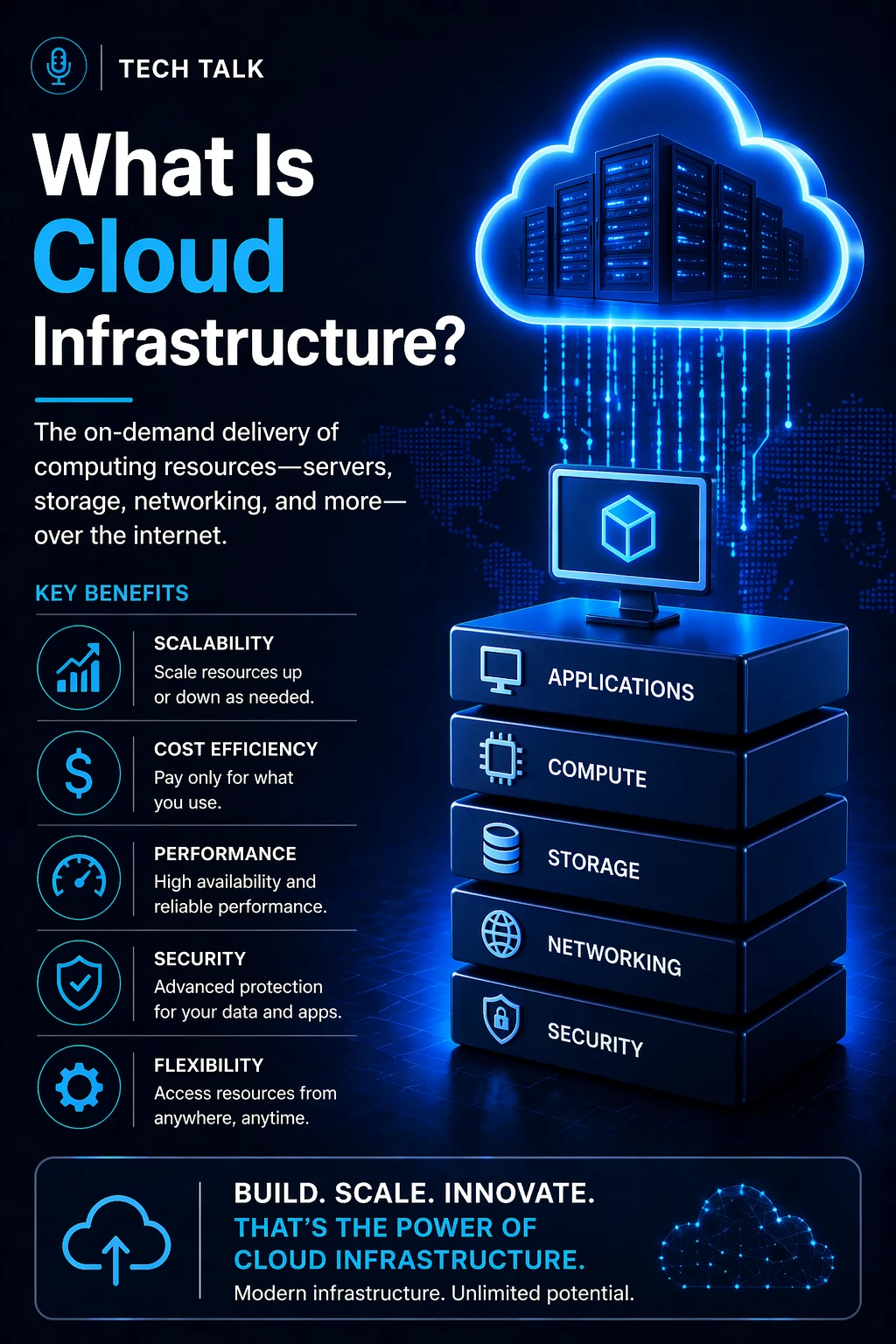
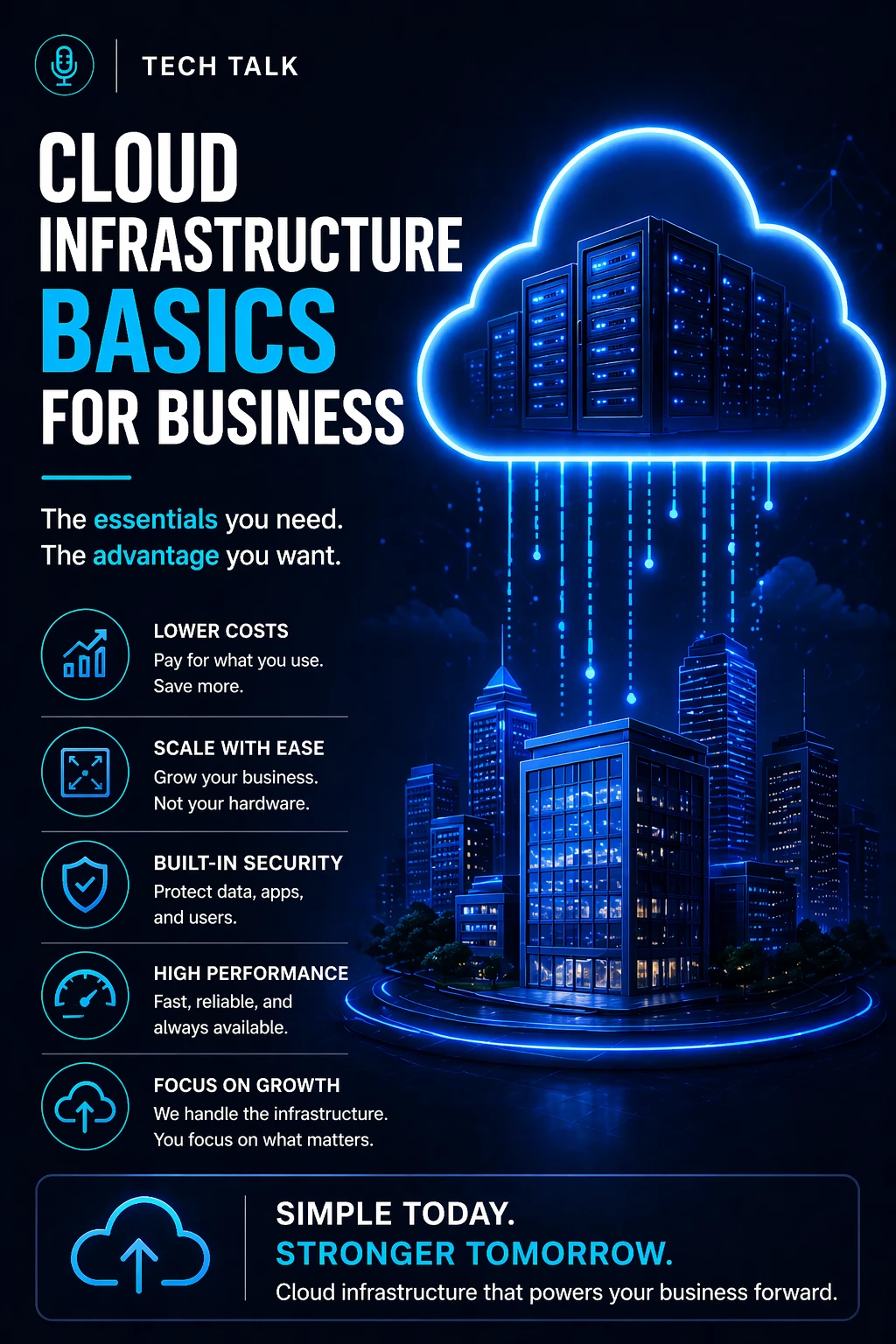
Cloud infrastructure serves as the foundational technological backbone that enables modern enterprises to store data, run applications, and deploy scalable services via remote data centers rather than physical, on-premises hardware. It matters because it provides the agility, security, and cost-efficiency required to compete in dynamic global markets.
Contents
In the contemporary business landscape, the shift from localized servers to virtualized computing environments is no longer merely an IT upgrade; it is a fundamental business strategy. Organizations of all sizes—from agile startups to multinational enterprises—rely on cloud architecture to streamline operations, accelerate time-to-market, and adapt rapidly to shifting economic conditions. Understanding why cloud infrastructure matters requires examining its core operational advantages, financial implications, security architecture, and long-term impact on enterprise scalability.
The Evolution from On-Premises Hardware to Cloud Architecture
Historically, building and expanding a business required heavy capital expenditure on physical data centers. Companies had to purchase servers, networking gear, storage arrays, and dedicated real estate to house them. This legacy approach introduced severe operational bottlenecks. Procurement cycles for hardware often took weeks or months, and provisioning capacity for peak seasonal demand meant organizations paid for idle computing power during slower periods.
Cloud computing decouples software applications from physical hardware. Through virtualization and multi-tenant architectures managed by cloud service providers, computing resources can be provisioned, scaled, and decommissioned in seconds. This shift transforms capital expenditure (CapEx) into operational expenditure (OpEx), allowing businesses to pay strictly for the resources they consume.
Furthermore, cloud infrastructure eliminates the burden of routine hardware maintenance. Organizations no longer need dedicated technicians to replace failed hard drives, manage physical cooling systems, or manually apply firmware patches to individual servers. This frees internal engineering talent to focus on core product development, customer experience, and software innovation rather than infrastructure upkeep.
Core Operational Advantages of Cloud Environments
The transition to cloud-based systems drives significant operational improvements across four critical dimensions: agility, scalability, global reach, and business continuity.
Agility and Speed of Deployment
In traditional environments, launching a new software feature or deploying a new application required physical hardware installation, network configuration, and OS setup. Cloud infrastructure provides pre-configured virtual machines, serverless computing environments, and managed databases that can be deployed instantly through automated application programming interfaces (APIs). This reduces product release cycles from months to minutes, enabling businesses to test new ideas and capture market opportunities faster than competitors.
Elastic Scalability and High Availability
Business demand is rarely static. Seasonal spikes, viral marketing campaigns, or unexpected traffic surges can crash traditional servers that lack sufficient capacity. Cloud infrastructure offers elastic scaling, allowing systems to automatically provision additional computing power when traffic increases and scale down when demand subsides. Coupled with geographically distributed data centers, this architecture ensures high availability, minimizing downtime and protecting revenue streams.
Global Reach Without Capital Risk
Expanding operations into new geographic regions historically demanded building out local IT infrastructure. Cloud providers maintain data centers across multiple global regions. A business based in North America can deploy applications in European or Asian data centers with a few clicks, ensuring low latency for international customers without committing to foreign real estate leases or hardware purchases.
Disaster Recovery and Business Continuity
Hardware failures, power outages, and natural disasters can paralyze on-premises systems, resulting in catastrophic data loss. Cloud providers implement redundant storage architectures across multiple physical zones. Automated backups, snapshotting, and geographic replication ensure that critical data remains secure and recoverable even if an entire primary data center experiences an outage.
Financial Dynamics: CapEx vs. OpEx
One of the most compelling business arguments for cloud infrastructure is its impact on corporate finance. Traditional IT requires upfront capital investment that depreciates over time, tying up cash flow and carrying high financial risk if a project fails or demand falls short of projections.
Cloud models operate on a pay-as-you-go pricing structure. This consumption-based model aligns IT expenses directly with business revenue and utilization. While cloud migration requires strategic financial planning—particularly to avoid unexpected costs associated with unoptimized resource usage—it eliminates the need for massive upfront investments. Businesses can budget predictably for IT operations as a regular operational expense.
| Feature / Dimension | On-Premises Infrastructure | Cloud Infrastructure |
|---|---|---|
| Primary Cost Structure | Capital Expenditure (CapEx) with heavy upfront hardware purchases. | Operational Expenditure (OpEx) with pay-as-you-go subscription models. |
| Provisioning Speed | Weeks or months to procure, ship, and install physical servers. | Minutes or seconds via automated digital provisioning and APIs. |
| Scaling Flexibility | Rigid; requires purchasing and installing additional physical hardware. | Elastic; automated scaling up or down based on real-time demand. |
| Maintenance Burden | High; requires internal staff for hardware repairs, patching, and cooling. | Low; managed by the cloud provider with automated updates and failovers. |
| Geographic Expansion | Requires building or leasing physical data centers in new regions. | Instant deployment across global data center regions via software consoles. |
Security, Compliance, and Data Governance
A common historical concern regarding cloud adoption is data security. However, modern cloud infrastructure frequently provides security postures that far exceed what individual businesses can implement independently.
Major cloud providers invest billions of dollars annually in cybersecurity, employing dedicated security specialists, advanced threat detection algorithms, and physical security measures for their data centers that surpass standard corporate office protections. They operate under a shared responsibility model: the cloud provider secures the underlying infrastructure (hardware, facilities, hypervisors), while the customer is responsible for securing their data, identity access management, and application configurations.
Moreover, enterprise cloud platforms comply with rigorous international security standards and regulatory frameworks, including ISO/IEC 27001, SOC 2, HIPAA, and GDPR. Utilizing pre-certified cloud infrastructure simplifies the compliance auditing process for businesses operating in highly regulated sectors such as healthcare, finance, and government contracting.
Strategic Decision-Making and Migration Considerations
Migrating to the cloud requires careful evaluation of an organization's existing application portfolio, technical debt, and internal skill sets. Not all legacy applications are optimized for cloud-native execution; some require significant refactoring, while others can be migrated with minimal adjustments through "lift-and-shift" strategies.
Organizations must also implement robust FinOps (Financial Operations) practices to monitor cloud spending. Without proper resource governance, teams may leave virtual machines running idly, provision oversized storage volumes, or fail to utilize reserved-instance discounts, leading to inflated operational costs. Successful cloud adoption balances engineering agility with disciplined financial monitoring.
Frequently Asked Questions
What is the primary difference between on-premises and cloud infrastructure?
On-premises infrastructure relies on physical hardware, servers, and data storage owned, managed, and housed directly by an organization. Cloud infrastructure utilizes virtualized computing resources, storage, and networking services hosted remotely by third-party providers and accessed via the internet.
How does cloud infrastructure improve business continuity?
Cloud providers maintain redundant data centers across multiple geographic regions with automated backups and replication. If a physical server or entire data center fails, workloads and data automatically failover to secondary locations, preventing prolonged downtime and catastrophic data loss.
Is cloud infrastructure more secure than local servers?
Cloud infrastructure often provides superior security compared to typical on-premises setups. Providers invest heavily in physical data center security, hardware encryption, advanced threat monitoring, and regulatory compliance frameworks, though businesses remain responsible for securing their own data and access credentials.
Can small businesses afford enterprise-grade cloud infrastructure?
Yes. The pay-as-you-go pricing model of cloud computing allows small businesses to access the same high-performance processing, storage, and enterprise security tools as large corporations without needing upfront capital investments in hardware.
What are the main financial risks of moving to the cloud?
The primary financial risk is unexpected cost overruns driven by unoptimized resource utilization, idle virtual machines, or lack of spending visibility. Implementing proactive cloud governance and FinOps practices mitigates this risk by ensuring resources are right-sized and monitored continuously.
Next Actions for Business Leaders
To leverage cloud infrastructure effectively, organizational leaders should conduct a comprehensive audit of current IT assets, identify applications best suited for migration, and establish a cross-functional team combining engineering and finance. Begin by migrating non-critical workloads to build internal expertise before transitioning core business systems, and implement strict identity and access management policies from day one to ensure long-term security and cost predictability.
Image Gallery