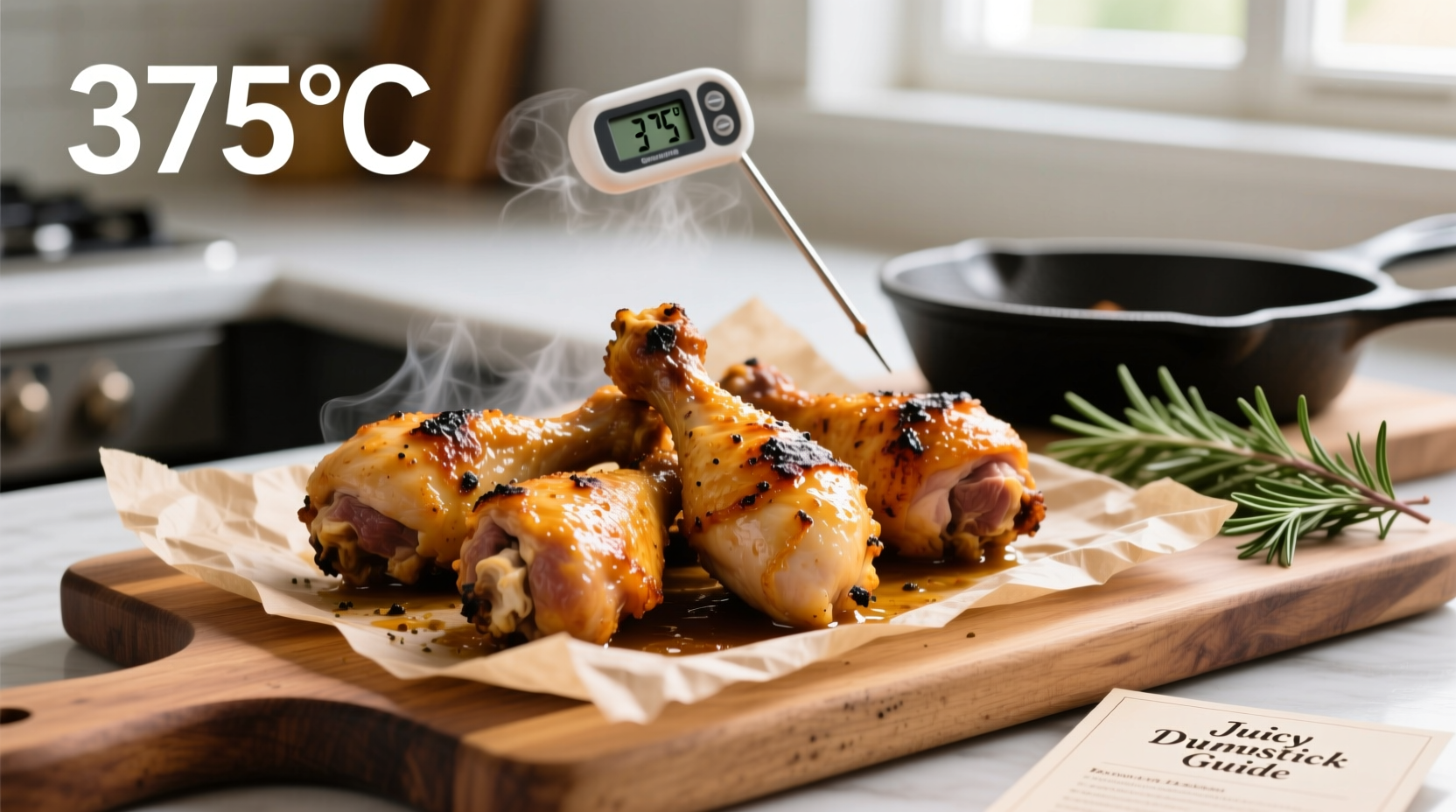
How to Cook a Drumstick for Perfect Results
Achieving the ultimate chicken drumstick requires balancing a crispy, well-seasoned exterior with tender, juicy meat that reaches a safe internal temperature of 165°F (74°C) without drying out. Mastering this involves selecting the rig...
Achieving the ultimate chicken drumstick requires balancing a crispy, well-seasoned exterior with tender, juicy meat that reaches a safe internal temperature of 165°F (74°C) without drying out. Mastering this involves selecting the right cooking method, managing heat zones, and allowing adequate rest time for optimal moisture retention.
Contents
Cooking chicken drumsticks, often referred to as chicken legs, is a fundamental culinary skill that bridges accessibility with rich, savory flavor. Because drumsticks contain dark meat—meaning the muscles are heavily used—they feature a higher fat content and more connective tissue than white meat like chicken breasts. This biological composition makes drumsticks inherently forgiving; they stay moist longer during the cooking process and readily absorb marinades, rubs, and glazes. Whether you choose to bake them in the oven, crisp them in an air fryer, sear them on a grill, or pan-sear them, understanding the core principles of heat application transforms a simple cut of poultry into an exceptional meal.
Understanding Drumstick Anatomy and Food Safety
Before applying heat, recognizing the physical traits of a drumstick ensures better texture and safety. A chicken drumstick consists of the lower portion of the leg, featuring a single, sturdy bone surrounded by dark meat and covered by skin. That single bone acts as a natural heat conductor, cooking the meat from the inside out, but it also creates a pocket of denser muscle near the joint that requires careful temperature monitoring.
Food safety is paramount when handling raw poultry. The United States Department of Agriculture (USDA) and similar international food safety authorities mandate that poultry must reach an internal temperature of 165°F (74°C) to eliminate harmful pathogens such as Salmonella. However, because drumsticks contain connective tissue and collagen, cooking them slightly past this minimum threshold—often to 175°F (79°C) to 180°F (82°C)—yields a more tender result. At these higher temperatures, the collagen melts into gelatin, creating a succulent mouthfeel that sets properly cooked dark meat apart.
Cross-contamination prevention dictates that you should pat drumsticks dry with paper towels before seasoning. Removing surface moisture is the single most effective step toward achieving crisp skin, as moisture creates steam that prevents browning through the Maillard reaction. Always use a dedicated cutting board for raw meat, wash hands thoroughly after handling, and calibrate your digital meat thermometer regularly to ensure accurate readings.
Preparing and Seasoning for Maximum Flavor
Seasoning chicken drumsticks extends beyond a simple dash of salt and pepper. Because the meat is thick and protected by a layer of skin, superficial seasoning often fails to penetrate deeply. Effective preparation requires a strategic approach combining dry brining, oil application, and balanced spice blends.
Dry brining involves salting the drumsticks several hours—or up to 24 hours—in advance and storing them uncovered in the refrigerator. Salt draws out surface moisture, dissolves, and is reabsorbed into the meat, seasoning it throughout while simultaneously breaking down protein structures to improve moisture retention. If time is short, a standard oil-and-spice rub applied immediately before cooking still delivers a savory crust.
| Preparation Method | Time Required | Primary Benefit | Best For |
|---|---|---|---|
| Dry Brining | 2 to 24 hours | Deep seasoning and moisture retention | Oven-baking and grilling |
| Wet Brining | 4 to 12 hours | Maximum juiciness and tender texture | Smoking and quick-cooking methods |
| Instant Rub | 0 to 15 minutes | Quick flavor enhancement and surface crisping | Air-frying and weeknight meals |
| Acidic Marinade | 30 minutes to 2 hours | Surface tenderizing and flavor infusion | Pan-searing and Asian-inspired profiles |
When selecting fats to coat the drumsticks, choose high-smoke-point oils such as avocado oil, canola oil, or refined coconut oil. Avoid extra virgin olive oil for high-heat applications like roasting above 400°F (200°C), as its lower smoke point can impart a bitter flavor. Combine your oil with spices like garlic powder, smoked paprika, onion powder, freshly cracked black pepper, and brown sugar or chili powder depending on your desired flavor profile.
Choosing Your Cooking Method
Different cooking appliances and techniques alter the texture of the skin and the speed of the cooking process. Selecting the right method depends on available kitchen equipment and time constraints.
Oven Roasting
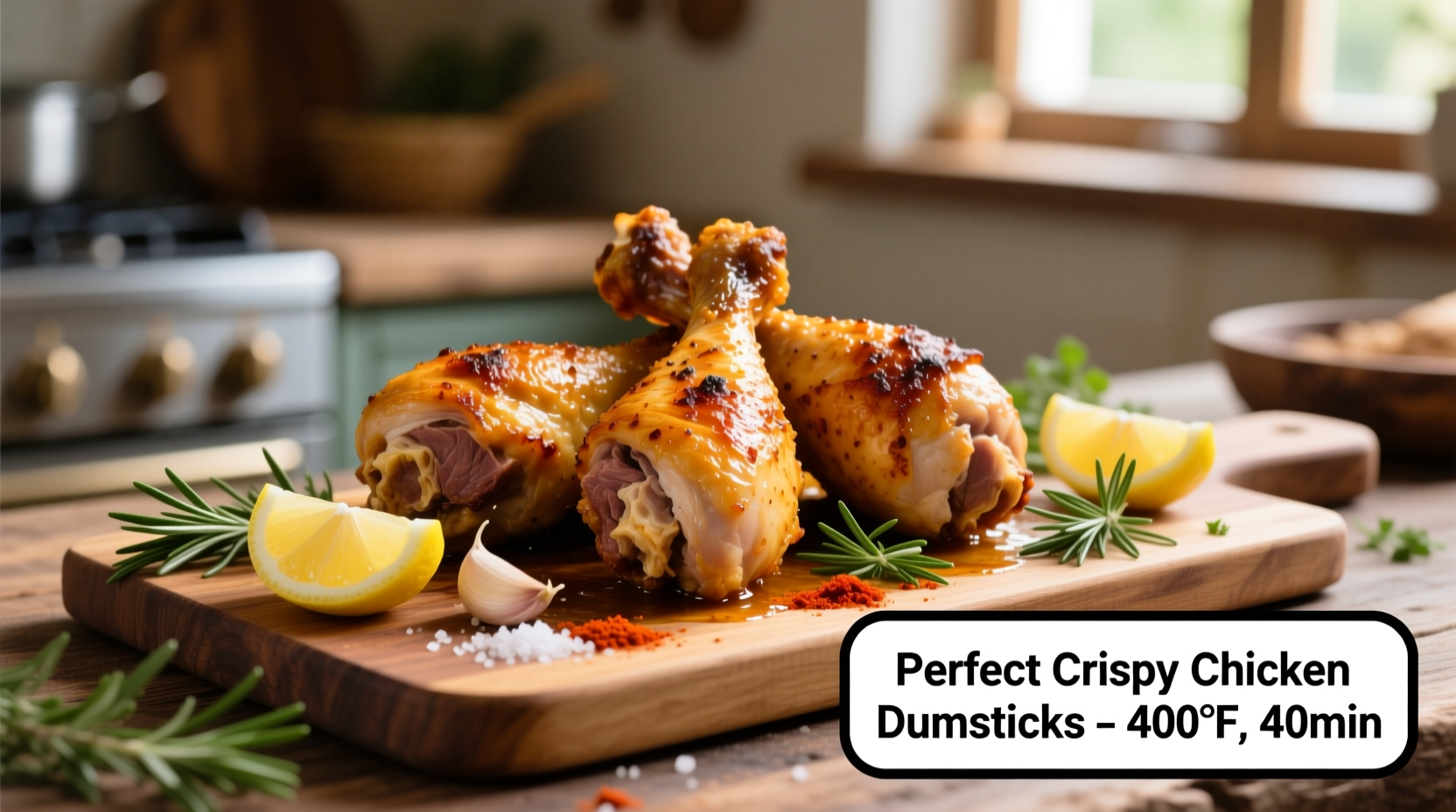
Oven roasting is the most reliable method for preparing large batches of drumsticks evenly. Preheat your oven to 400°F (200°C). Arrange the seasoned drumsticks on a wire rack set inside a rimmed baking sheet; the wire rack allows hot air to circulate underneath the chicken, preventing the bottom skin from becoming soggy. Roast for 35 to 45 minutes, turning once halfway through, until the internal temperature reaches at least 165°F (74°C) at the thickest part of the meat, avoiding direct contact with the bone.
Air Frying
The air fryer replicates deep-fried textures using convection heat and minimal oil. Preheat the air fryer to 380°F (193°C). Place the drumsticks in the basket in a single layer without overcrowding; cook in batches if necessary. Cook for 20 to 25 minutes, shaking the basket or turning the drumsticks every 7 to 8 minutes. For extra crispiness, increase the temperature to 400°F (200°C) for the final 3 minutes of cooking.
Grilling and Smoking
Grilling imparts a distinct smoky, charred flavor. Set up your grill for two-zone cooking—creating a hot direct-heat side and a cooler indirect-heat side. Sear the drumsticks over direct heat for 2 to 3 minutes per side to develop grill marks, then move them to the indirect heat zone, cover the grill, and cook for 25 to 35 minutes until done. If smoking, maintain a chamber temperature of 225°F to 250°F (107°C to 121°C) using fruitwood or hickory for approximately 1.5 to 2 hours.
Common Mistakes and Troubleshooting
Even experienced home cooks encounter pitfalls when preparing poultry. Identifying these issues prevents culinary missteps and ensures consistently exceptional results.
- Crowding the Pan: Placing drumsticks too close together traps moisture, causing the chicken to steam rather than roast or fry. Always leave space between pieces for air circulation.
- Cooking by Time Alone: Relying strictly on recipe timers instead of internal temperature leads to undercooked or overcooked meat. Sizes vary wildly; always verify doneness with a digital meat thermometer inserted into the thickest muscle away from the bone.
- Skipping the Rest Period: Cutting into chicken immediately after it leaves the heat source causes juices to escape onto the cutting board, leaving the meat dry. Let drumsticks rest for 5 to 10 minutes on a warm plate or board loosely tented with foil to allow the muscle fibers to relax and reabsorb juices.
- Neglecting Skin Prep: Leaving excess moisture on the skin or failing to use a binding oil results in rubbery, unappealing skin. Patting dry is non-negotiable for a crisp bite.
Frequently Asked Questions
How long does it take to bake drumsticks at 400°F?
Drumsticks typically take 35 to 45 minutes to bake thoroughly at 400°F (200°C). The exact duration depends on the size of the chicken legs and whether they are arranged on a flat pan or elevated on a wire rack. Always verify doneness by checking that the internal temperature reaches at least 165°F (74°C), though letting them reach 175°F (79°C) improves tenderness.
Should I remove the skin before cooking drumsticks?
Leaving the skin on during the cooking process protects the meat underneath from drying out and renders delicious rendered fat that seasons the flesh. If you prefer to reduce calorie intake, you can peel the skin away after cooking. Removing it beforehand often results in dry meat unless it is heavily basted or braised in liquid.
How do I know when drumsticks are done without a thermometer?
While a digital thermometer is the only foolproof method, visual cues include clear juices running out when the meat is pierced deeply with a fork, meat pulling slightly away from the bone at the ankle, and firm resistance when squeezed. However, pink meat near the bone can still occur in fully cooked chicken due to hemoglobin in the bone marrow, making visual checks unreliable compared to temperature testing.
Can I freeze cooked chicken drumsticks?
Yes, cooked drumsticks freeze exceptionally well for up to three months. Allow them to cool completely, then place them in a single layer on a baking sheet to freeze individually before transferring them to a heavy-duty freezer bag or vacuum-sealed container. Thaw them overnight in the refrigerator before reheating in an oven or air fryer to restore crispness.
What is the best internal temperature for tender drumsticks?
While 165°F (74°C) is the official safe minimum temperature for poultry, cooking drumsticks to an internal temperature of 175°F to 180°F (79°C to 82°C) breaks down tough connective tissues. This higher target yields meat that falls off the bone while remaining completely safe to consume.
Conclusion and Next Action
Mastering the art of cooking a drumstick relies on a combination of proper food safety practices, smart seasoning techniques, and precise heat management. To apply these concepts today, select fresh drumsticks from your local market, pat them thoroughly dry, apply a high-smoke-point oil alongside your favorite dry rub, and roast them on a wire rack at 400°F until they reach an internal temperature of 175°F. Let them rest briefly, and enjoy perfectly juicy, crispy results every time.
Image Gallery