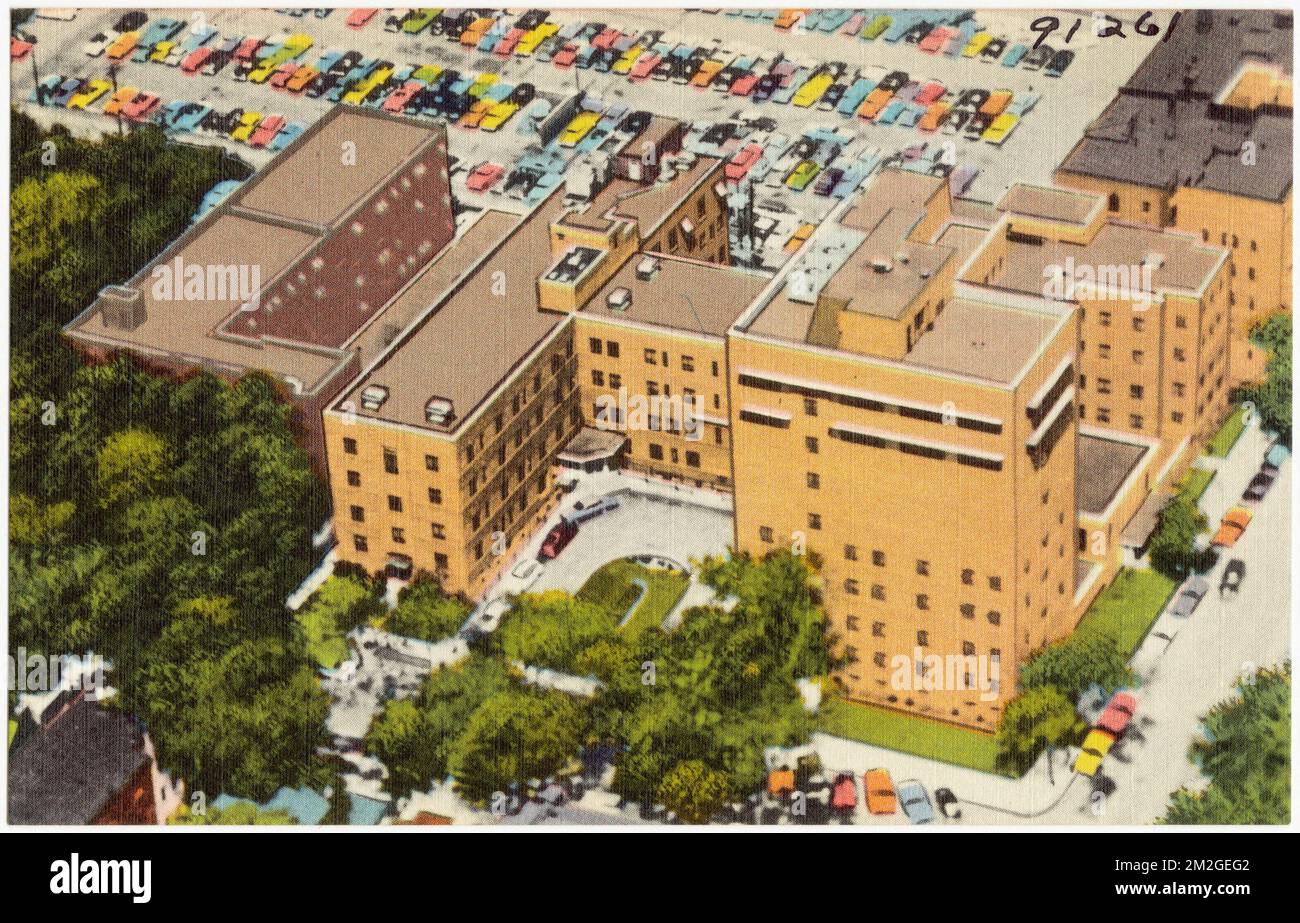
Harper University Hospital Detroit: A 2026 Comprehensive Overview
Harper University Hospital is a premier quaternary care academic medical facility located in Detroit, Michigan, serving as a primary teaching site for the Wayne State University School of Medicine. As a flagship institution within the...
Harper University Hospital is a premier quaternary care academic medical facility located in Detroit, Michigan, serving as a primary teaching site for the Wayne State University School of Medicine. As a flagship institution within the Detroit Medical Center (DMC), it specializes in complex neurosciences, cardiovascular care, and multi-organ transplantation, providing advanced surgical interventions and diagnostic services to patients across the Midwest.
Contents
The Institutional Legacy of Harper University Hospital
Founded in 1863 as a facility for Union soldiers during the American Civil War, Harper University Hospital has evolved from its humble beginnings as Harper Hospital into a cornerstone of American medical innovation. Its long-standing history in the city of Detroit reflects a trajectory of expansion and specialization that mirrors the development of modern medicine itself. Today, in 2026, the hospital remains a critical component of the Detroit Medical Center, which is owned and operated by Tenet Healthcare.
The hospital’s identity is inextricably linked to its academic mission. By maintaining a deep partnership with Wayne State University, Harper facilitates the training of hundreds of medical residents and fellows annually. This environment ensures that clinical practice is informed by the latest research and evidence-based protocols. For patients, this translates to access to clinical trials and multidisciplinary teams that handle some of the most medically complex cases in the United States.
Specialized Centers of Excellence
Harper University Hospital is organized into several key "Centers of Excellence." These departments are characterized by high-volume procedures, specialized nursing staff, and access to the latest medical technologies, including robotic-assisted surgery and advanced imaging suites.
The Michigan Institute for Neurological Disorders and Neurosurgery
Harper is widely recognized for its Comprehensive Stroke Center and its leadership in treating complex brain and spine disorders. The neurosurgery department utilizes intraoperative MRI and stereotactic navigation to perform minimally invasive procedures for brain tumors, aneurysms, and spinal deformities. In 2026, the integration of artificial intelligence in diagnostic imaging has further enhanced the hospital’s ability to provide rapid intervention for acute ischemic strokes, significantly improving patient outcomes in the "golden hour" of treatment.
Cardiovascular Care and the DMC Heart Hospital
Physically integrated with the DMC Heart Hospital, Harper provides a full spectrum of cardiac services. This includes interventional cardiology, electrophysiology, and complex cardiothoracic surgery. The hospital is a regional referral center for heart failure management and mechanical circulatory support. The synergy between Harper’s general medical teams and the dedicated Heart Hospital staff allows for a seamless transition of care for patients with comorbid conditions affecting the vascular system.
Multi-Organ Transplantation Programs
The transplant institute at Harper University Hospital is a high-volume center for kidney and pancreas transplants. The program is noted for its focus on high-risk patients and those who may have been turned away from other institutions. The multidisciplinary team includes transplant surgeons, nephrologists, immunologists, and specialized social workers who guide patients through the rigorous pre-transplant evaluation and post-operative recovery phases.
Clinical Infrastructure and Patient Services
As of 2026, the physical layout of Harper University Hospital is designed to facilitate both intensive care and ambulatory services. The facility is physically connected to several other DMC institutions, including Hutzel Women's Hospital and Children’s Hospital of Michigan, allowing for rapid specialty consultations across the medical campus.
| Service Category | Key Offerings | Patient Focus |
|---|---|---|
| Emergency Care | Level 1 Trauma integration via DMC | Acute trauma, cardiac events, and strokes |
| Surgical Services | Robotic-assisted, minimally invasive | Oncology, orthopedics, and bariatrics |
| Critical Care | Specialized ICUs (Neuro, Cardio, Medical) | Life-threatening illness and post-op monitoring |
| Diagnostic Imaging | 3T MRI, PET/CT, Advanced Ultrasound | Early disease detection and surgical planning |
| Transplantation | Kidney, Pancreas, Bone Marrow | End-stage organ failure and hematology |
The inpatient units at Harper are equipped with telemetry monitoring and are staffed by specialized nursing teams. The hospital has prioritized "cluster care," where patients with similar diagnoses are grouped to ensure that the nursing and support staff possess the highest level of specific expertise for those conditions.
The Academic Partnership with Wayne State University
The relationship between Harper University Hospital and the Wayne State University School of Medicine is the foundation of its quaternary care status. As a teaching hospital, Harper serves as a laboratory for medical education.
Research and Clinical Trials Patients at Harper often have access to Phase II and Phase III clinical trials that are not available at community hospitals. These trials often focus on new oncological drugs, neurological interventions, and surgical devices. The hospital’s Institutional Review Board (IRB) ensures that all research is conducted with the highest ethical standards, prioritizing patient safety and informed consent.
Medical Education and Residency The presence of residents and fellows means that Harper has 24/7 on-site physician coverage across most specialties. While a senior attending physician always supervises care, the resident teams provide a continuous layer of monitoring and communication. This academic rigor fosters a culture of inquiry where treatment plans are frequently reviewed and challenged based on the latest medical literature.
Patient Experience and Logistical Information
Navigating a large urban medical center can be challenging. Harper University Hospital has implemented several programs to improve the patient and visitor experience, focusing on accessibility and communication.
Facilities and Navigation
The hospital is located in the heart of Midtown Detroit within the Detroit Medical Center campus. For 2026, the facility has updated its wayfinding systems, including digital kiosks and mobile integration, to help visitors navigate the tunnels and bridges that connect the various hospital buildings.
- Parking: Secured parking garages are available with shuttle services to the main entrance. Valet services are typically offered at the main Harper/Hutzel entrance.
- Dining: The campus features several cafeterias and retail food options, accommodating various dietary needs for visitors and staff.
- Spiritual Care: Non-denominational chaplains are available 24/7 to provide emotional and spiritual support to patients and their families.
Quality and Safety Standards
Harper University Hospital participates in rigorous national quality reporting. It is regularly evaluated by organizations such as The Leapfrog Group and the Joint Commission. Performance metrics focus on reducing hospital-acquired infections, improving surgical outcomes, and maintaining high standards for patient medication safety. Prospective patients can review these public safety grades to understand the hospital's commitment to clinical excellence.
Insurance, Access, and Requirements
As a major regional provider, Harper University Hospital accepts a wide array of insurance plans, including Medicare, Medicaid, and most major commercial payers like Blue Cross Blue Shield of Michigan. However, because it is a specialized center, certain requirements must be met for elective admissions or specialized consultations.
- Referral Requirements: Most specialized departments (e.g., Neurosurgery or Transplant) require a referral from a primary care physician or a general specialist.
- Pre-Authorization: Patients are encouraged to verify that their specific insurance plan covers services at a "Tier 1" or "In-Network" level at the DMC to avoid unexpected out-of-pocket costs.
- Documentation: New patients should bring imaging discs (MRI/CT), pathology reports, and a current medication list to their initial consultation to prevent delays in care.
Common Challenges and Troubleshooting
Patients navigating the Harper University Hospital system may encounter hurdles typical of large academic institutions.
- Scheduling Delays: Due to the hospital’s role as a regional referral center, wait times for non-emergency specialty appointments can be lengthy. Utilizing the DMC’s online patient portal can sometimes expedite the scheduling process.
- Communication Transitions: Because care is managed by teams (including students, residents, and attendings), patients should clarify who their primary point of contact is for daily updates.
- Billing Complexity: Given the involvement of multiple physician groups and the hospital facility itself, patients may receive separate bills for professional services and facility fees. The DMC billing office provides financial counseling to help resolve these complexities.
Frequently Asked Questions
Is Harper University Hospital the same as the DMC Heart Hospital?
While they are physically connected and share many resources, they are distinct entities. Harper is a general university hospital with a broad range of specialties, whereas the Heart Hospital is a specialized facility dedicated exclusively to cardiovascular care. However, many cardiologists and surgeons practice across both buildings.
Does Harper University Hospital have an emergency room?
Yes, Harper operates a full-service emergency department. Because it is part of the larger DMC campus, it has immediate access to Level 1 Trauma services and specialized emergency interventions for heart attacks and strokes.
How can I access my medical records from Harper University Hospital?
In 2026, the most efficient way to access records is through the DMC Patient Portal. Patients can also request physical or digital copies of their records through the Health Information Management (HIM) department, though this may require a formal written authorization and a processing period.
Is parking free for patients at Harper?
Generally, parking in the DMC decks is not free, though validated or discounted parking may be available for patients undergoing certain long-term treatments, such as dialysis or chemotherapy. It is advisable to check with the specific department's reception desk regarding parking policies.
Can I choose my own surgeon at Harper University Hospital?
Patients can certainly request a specific surgeon, especially when seeking a second opinion or a highly specialized procedure. However, in emergency situations or within certain resident-led clinics, care is provided by the attending physician on call for that service.
Is Harper University Hospital a private or public institution?
Harper is a private, for-profit hospital owned by Tenet Healthcare, as part of the Detroit Medical Center system. Despite its private ownership, it maintains a strong public service mission through its academic affiliation and its role as a major provider for the Detroit community.
Recommendation for Next Actions
If you or a family member are considering Harper University Hospital for specialized care, your first step should be to secure a formal referral from your primary care provider. Once the referral is initiated, contact the specific department’s intake coordinator to confirm that all necessary diagnostic images and medical records have been transferred. For those traveling from outside the Detroit metro area, consult the DMC’s visitor services to identify nearby lodging and transportation options that cater to patient families.
Image Gallery