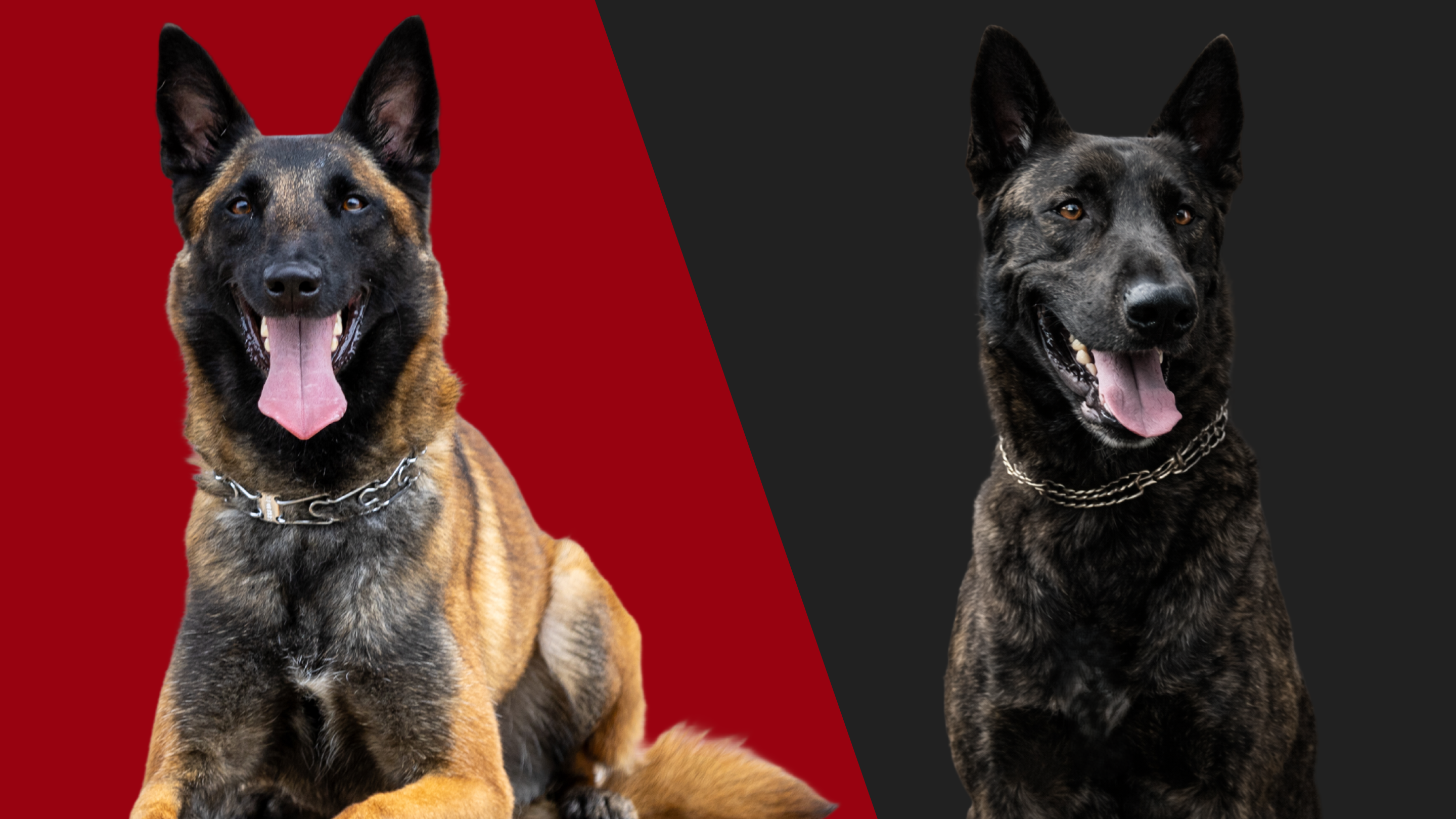
Belgian vs. German: A Comprehensive Comparison of the Malinois and German Shepherd
When comparing the "Belgian" and the "German," the most frequent and significant point of interest lies within the world of high-performance working dogs. Specifically, the comparison focuses on the Belgian Malinois and the German Shep...
When comparing the "Belgian" and the "German," the most frequent and significant point of interest lies within the world of high-performance working dogs. Specifically, the comparison focuses on the Belgian Malinois and the German Shepherd Dog (GSD). While both breeds share a common ancestry in European herding and have risen to the pinnacle of police and military service, they offer distinct differences in temperament, physical requirements, and suitability for various lifestyles.
Contents
Selecting between these two breeds requires a deep understanding of their specialized needs. As of 2026, the Belgian Malinois has seen a surge in popularity due to its high-profile roles in special operations, while the German Shepherd remains one of the most beloved family guardians in the world. This article provides a technical analysis of these two titans to help you determine which breed aligns with your specific goals, whether they are professional service, competitive dog sports, or dedicated home protection.
Lineage and Historical Development
To understand the modern "Belgian vs. German" debate, one must look at the late 19th-century origins of both breeds. The German Shepherd was standardized by Captain Max von Stephanitz, who aimed to create the ultimate utilitarian working dog. His focus was on intelligence, structural soundness, and a "willingness to please." The breed quickly transitioned from herding sheep to serving as the foundational K9 for the German military and police.
Conversely, the Belgian Malinois is one of four varieties of the Belgian Sheepdog (alongside the Tervuren, Laekenois, and Groenendael). Named after the city of Malines, this variety was specifically bred for work rather than aesthetics. While the German Shepherd was being refined for versatility, the Malinois was being honed for extreme intensity and athletic prowess. This historical divergence is why, even in 2026, the Malinois is often viewed as a "refined tool" for high-stakes environments, whereas the German Shepherd is seen as a more adaptable all-rounder.
Physical Specifications and Athleticism
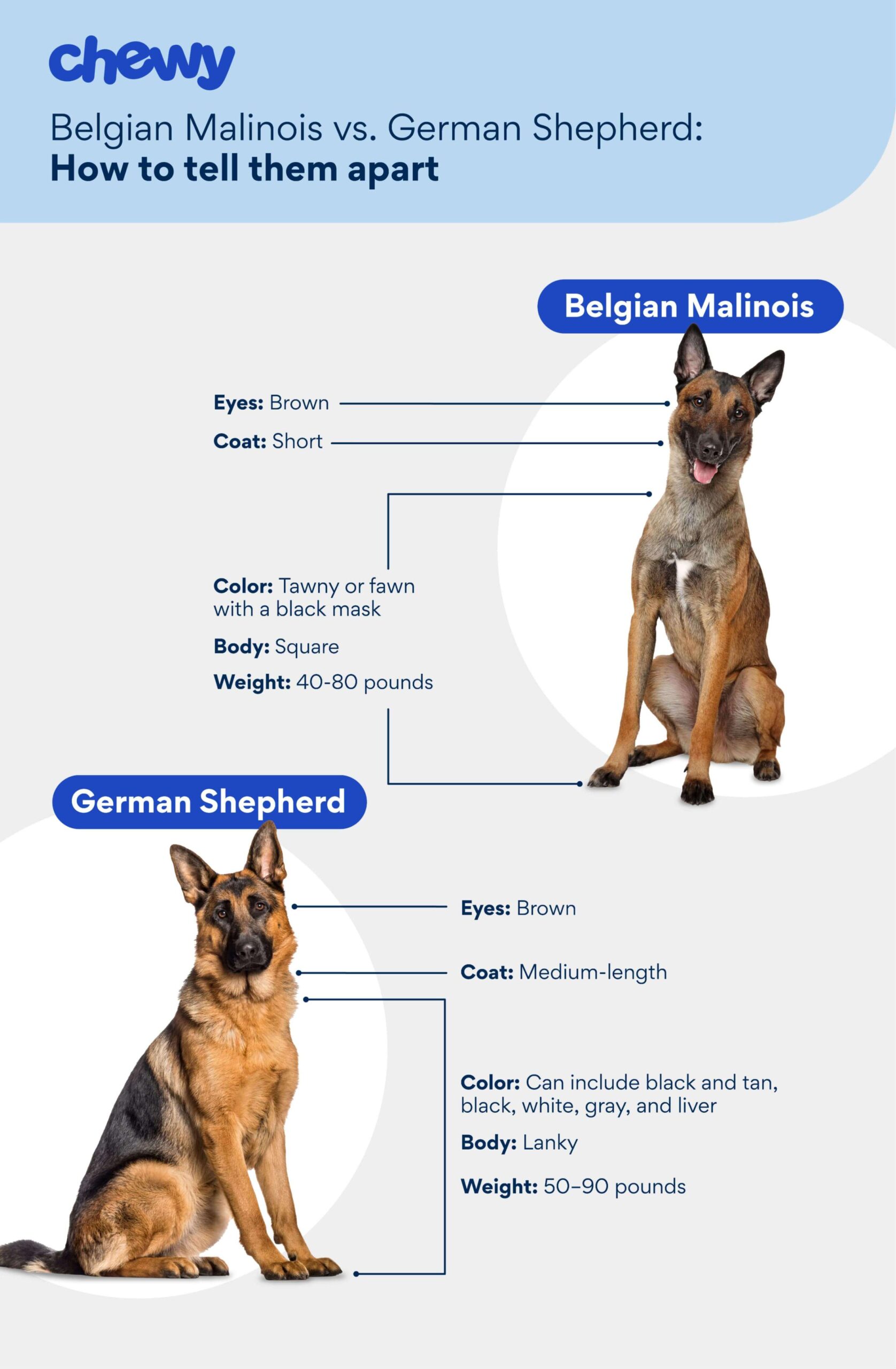
The physical differences between these two breeds are more than skin deep; they dictate the type of work each can perform. German Shepherds are generally larger, heavier, and more robust. They possess a "trotting" gait designed for covering vast distances of territory during herding or patrol. However, modern show-line German Shepherds often exhibit a sloped back (angulation), which has been a point of contention among enthusiasts concerned about long-term orthopedic health.
The Belgian Malinois is characterized by a "square" profile. They are leaner, more agile, and possess an explosive power-to-weight ratio. While a German Shepherd may use its mass to overpower a suspect, a Malinois uses speed and acrobatic capability. In tactical environments in 2026, the Malinois is often preferred for airborne operations because its lighter frame makes it safer to tandem-jump or fast-rope with a human handler.
Key Physical Metrics (2026 Averages)
| Feature | German Shepherd Dog | Belgian Malinois |
|---|---|---|
| Weight (Male) | 65–90 lbs (30–40 kg) | 60–80 lbs (27–36 kg) |
| Height | 24–26 inches | 24–26 inches |
| Coat Type | Double coat (Medium to Long) | Short, dense straight coat |
| Grooming Need | High (Heavy shedding) | Low to Moderate |
| Lifespan | 7–10 years | 12–14 years |
| Build | Robust, slightly longer than tall | Lean, elegant, square build |
Temperament and the "Off-Switch"
The most critical distinction for a prospective owner is the temperament. The German Shepherd is famous for its "off-switch." When properly trained, a GSD can transition from a focused guardian on a walk to a calm companion in the living room. They are known for their deep loyalty to a family unit and a slightly higher threshold for stimulation, meaning they may be less likely to react impulsively to minor environmental changes.
The Belgian Malinois, by contrast, is frequently described as having "no off-switch." They are high-drive animals that require constant mental and physical engagement. In the training community, the Malinois is often nicknamed the "Maligator" due to its propensity to use its mouth to explore and interact with the world. Their intensity is unmatched; they do not just want to work—they need to work. Without a "job" (such as high-level obedience, protection sports, or scent work), a Malinois can quickly become destructive or develop neurotic behaviors.
Training, Intelligence, and Work Suitability
Both breeds are in the top tier of canine intelligence, but they learn differently. The German Shepherd is often more forgiving of handler errors. They are highly motivated by a desire to bond with their owner, making them excellent candidates for service dog work, search and rescue (SAR), and traditional obedience.
The Belgian Malinois is hyper-sensitive to handler cues and environmental changes. This makes them incredibly fast learners, but it also means they can "pick up" bad habits just as quickly as good ones. They require a confident, experienced handler who understands the nuances of operant conditioning and drive management.
By 2026, the Malinois has largely replaced the GSD in many elite military units, such as the U.S. Navy SEALs and the British SAS. This is due to their extreme "environmental stability"—the ability to work in loud, chaotic, and high-pressure situations without losing focus. However, for domestic law enforcement and patrol work, many departments still favor the German Shepherd for its intimidating presence and stable "man-work" capabilities.
Health and Longevity Considerations
When comparing the Belgian vs. German Shepherd, health is a major factor. The German Shepherd has historically struggled with a higher incidence of genetic health issues. Hip and Elbow Dysplasia are significant concerns, and reputable breeders must provide OFA (Orthopedic Foundation for Animals) or PennHIP clearances. They are also prone to Degenerative Myelopathy (DM), a progressive spinal disease, and Gastric Dilatation-Volvulus (Bloat).
The Belgian Malinois is generally considered a hardier breed. Because they have been bred primarily for performance rather than appearance, they have escaped many of the structural issues plaguing show-line breeds. However, they are not immune to health problems. They can still suffer from hip dysplasia and certain eye conditions like Progressive Retinal Atrophy (PRA). In 2026, genetic testing for "Belgian Shepherd Ataxia" has become a standard requirement for ethical breeders.
Financial Commitment and Maintenance in 2026
Owning either breed is a significant financial undertaking. Beyond the initial purchase price from a reputable breeder—which in 2026 typically ranges from $2,500 to $5,000 for a well-bred puppy—owners must account for the high cost of specialized training and high-calorie nutrition.
- Training Costs: Because neither breed is suited for a "sedentary" life, professional training or club memberships (such as IGP/Schutzhund or French Ring) are often necessary. These can cost thousands of dollars over the dog's lifetime.
- Veterinary Care: Insurance premiums for German Shepherds tend to be higher than for Malinois due to the GSD's higher statistical likelihood of chronic health issues.
- Dietary Needs: Both are active breeds requiring high-protein, nutrient-dense diets. Working Malinois, in particular, have extremely high metabolic rates and may require specialized performance kibble or raw diets.
FAQ: Belgian Malinois vs. German Shepherd
Which breed is better for a family with children?
The German Shepherd is generally considered the better choice for families. Their higher threshold for annoyance and more stable "off-switch" make them more adaptable to the unpredictable nature of children. However, any high-drive dog requires strict supervision and socialization. The Malinois has a very high prey drive, which can sometimes be triggered by running children.
Do Belgian Malinois shed as much as German Shepherds?
No. The German Shepherd is often jokingly called the "German Shedder" because they lose hair year-round and "blow their coat" twice a year. The Belgian Malinois has a shorter, smoother coat that sheds significantly less, though they still require weekly brushing to manage dander and loose hair.
Can a Belgian Malinois live in an apartment?
While possible, it is highly discouraged unless the owner is a professional trainer or an extreme athlete. A Malinois in an apartment needs several hours of intense physical and mental work daily. Without a yard or a constant outlet for their energy, the risk of destructive behavior is very high. The German Shepherd is slightly more adaptable to smaller living spaces, provided they receive adequate daily walks and engagement.
Which breed has a stronger bite?
In terms of raw pressure, the German Shepherd typically tests higher (approximately 238 PSI) compared to the Belgian Malinois (approximately 195 PSI). However, in a working context, the "strength" of a bite is often measured by the dog's "grip" and "tenacity." Malinois are known for their lightning-fast strikes and multiple re-grips, whereas GSDs are known for a deep, crushing, full-mouth hold.
Is the Belgian Malinois more aggressive than the German Shepherd?
Not necessarily. Aggression is often a result of poor breeding or lack of socialization. However, the Malinois is more reactive and intense. What some perceive as aggression is often high drive or "environmental sensitivity." The German Shepherd is generally more discerning and aloof with strangers, while a Malinois may be hyper-vigilant.
Summary Recommendation
The choice between a Belgian Malinois and a German Shepherd depends entirely on your experience level and your intended use for the dog.
- Choose the German Shepherd if you want a loyal, versatile companion that can transition between a protective guardian and a relaxed family pet. They are ideal for owners who want a smart, trainable dog but don't necessarily want their life to revolve entirely around canine athletics.
- Choose the Belgian Malinois if you are an experienced handler, a professional in the K9 field, or a dedicated hobbyist in protection sports. This breed is for those who view dog training as a primary lifestyle and have the time to satisfy the needs of one of the most intense animals in the canine kingdom.
In 2026, as both breeds continue to evolve, the most important step remains selecting a breeder who prioritizes health testing and temperament over "drive for the sake of drive" or "size for the sake of size."
Image Gallery